
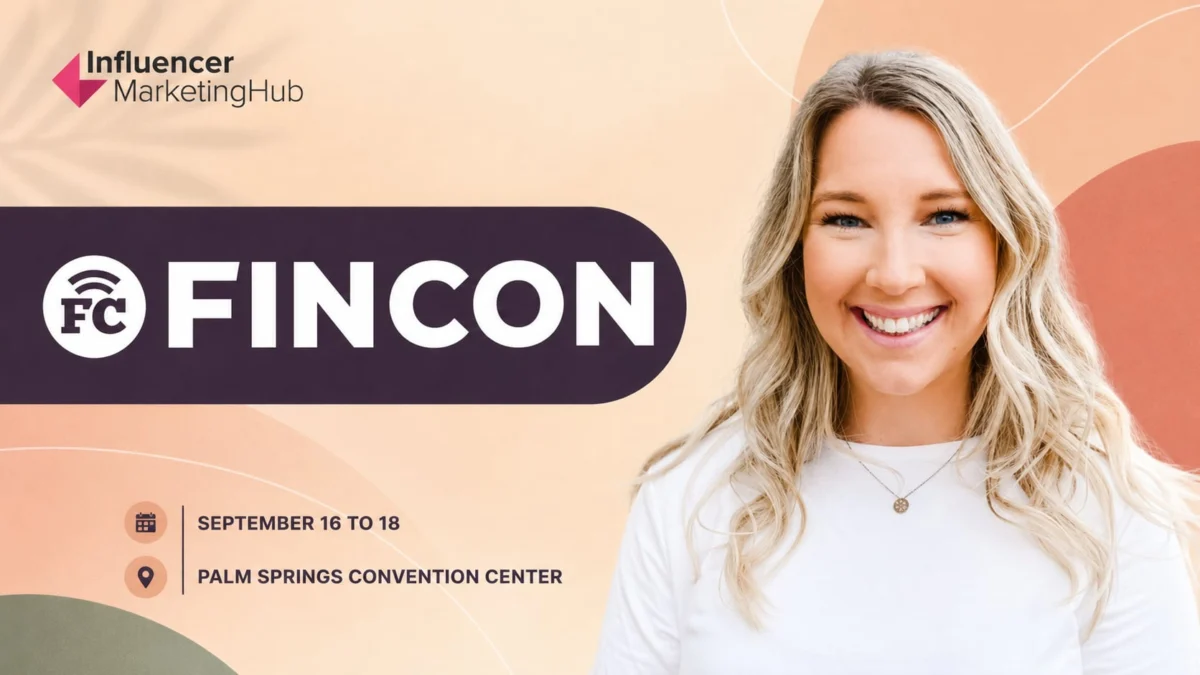
FinCon 2026, the premier annual gathering for financial content creators, podcasters, and fintech brand marketers, will convene from September 16 to 18, bringing together thousands of digital educators and industry partners. A pivotal session at this year’s event will feature Whitney Hansen, host of the acclaimed The Money Nerds Podcast, who is slated to deliver insights on constructing predictable, high-ROI media businesses without succumbing to the demands of endless online hours. Her presentation underscores a significant paradigm shift within the creator economy, where operational efficiency and long-term sustainability are increasingly prioritized over raw follower counts and fleeting viral trends.
The Evolving Creator Economy: From Hobby to Professional Enterprise
The global creator economy, valued at an estimated $250 billion in 2023 and projected to reach $480 billion by 2027, has undergone a rapid maturation. What once began as a frontier for individual expression and niche communities has evolved into a complex ecosystem of media brands, requiring strategic business models, robust monetization pathways, and sustainable workflows. This transition marks a critical inflection point, moving beyond the initial "gold rush" phase of content proliferation to an era demanding sophisticated operational acumen. Creators are no longer simply content producers; they are entrepreneurs navigating the intricate landscape of digital media, brand partnerships, and audience engagement.
However, this explosive growth has not been without its challenges. A pervasive issue within the creator community is burnout, with studies indicating that a significant percentage of creators, some estimates reaching as high as 70%, report experiencing mental and emotional exhaustion due to the relentless pressure to produce new content, maintain engagement, and adapt to ever-changing platform algorithms. This unsustainable pace has necessitated a re-evaluation of traditional growth strategies, pushing creators and industry experts alike to explore models that foster both scalability and personal well-being. FinCon 2026 aims to be a crucial platform for addressing these challenges head-on, offering practical solutions for creators striving to build enduring legacies rather than fleeting moments of virality.
FinCon 2026: A Hub for Financial Innovation and Education
Established in 2011, FinCon has grown into the essential annual meeting point for the financial content industry. It serves as a vital nexus where financial influencers, bloggers, podcasters, YouTubers, and fintech companies converge to share knowledge, forge partnerships, and explore the future of financial education. The event consistently attracts a diverse audience, from nascent creators seeking foundational advice to established media moguls looking to refine their strategies. Its significance lies in its unique ability to bridge the gap between financial literacy advocacy and the commercial realities of digital media.
"FinCon has always been at the forefront of identifying key trends impacting financial educators," states a hypothetical FinCon organizing committee representative. "The shift towards sustainable business models and operational excellence is paramount for the longevity and impact of our community. Sessions like Whitney Hansen’s are crucial in equipping creators with the tools to not only survive but thrive in this dynamic environment."
The 2026 agenda reflects this focus on evolution, featuring dedicated tracks on advanced video production techniques, innovative newsletter monetization strategies, sophisticated affiliate marketing frameworks, and the ever-important topic of regulatory compliance in financial content. These sessions collectively aim to provide a comprehensive roadmap for transforming audience trust into sustainable digital platforms, emphasizing the importance of strategic planning over reactive content creation.
Whitney Hansen: A Pioneer in Pragmatic Personal Finance
Among the key voices addressing this operational evolution at FinCon 2026 is Whitney Hansen, a leading authority in personal finance and the host of the award-winning The Money Nerds Podcast. Hansen’s professional journey is a testament to the pragmatic advice she champions. Her personal story of paying off $30,000 in debt in just 10 months, securing an MBA for a mere $472, and successfully house-hacking her first home at the age of 19, provides a compelling foundation for her expertise. These early accomplishments not only established her as a formidable voice in personal finance but also underscored her ability to achieve significant financial milestones through disciplined planning and strategic execution.
Hansen’s insights have resonated widely, leading to features across prominent media outlets including Forbes, CNBC, ESPN, Yahoo! Finance, and Ally. Beyond her media presence, she brings tangible entrepreneurial experience, serving as an Adjunct Professor of personal finance and as a developer of unique Airbnb destinations. This blend of academic rigor, media influence, and real-world business acumen positions her uniquely to guide creators through the complexities of building profitable and sustainable digital enterprises. Her background mirrors the very challenges many creators face – managing resources, optimizing investments, and generating income through diverse channels – making her advice particularly relatable and impactful.
The Core of the Session: "Business With Kids: 5 Strategies To Building Income, Impact & Flexibility"
At FinCon 2026, Hansen will lead a session titled "Business With Kids: 5 Strategies To Building Income, Impact & Flexibility." This presentation directly confronts a widespread and often overlooked challenge within the creator economy: how to manage professional growth and entrepreneurial ambitions while balancing significant personal commitments, particularly the demands of raising a family. The session title itself highlights the intersection of personal life and professional ambition, a reality for a growing segment of creators who are simultaneously building businesses and managing households.

Hansen’s framework for staying competitive without experiencing the pervasive creator burnout relies on working smarter with existing assets rather than perpetually chasing new platform algorithms or trends. Her philosophy emphasizes leveraging what already works and optimizing established channels. This approach stands in contrast to the common creator tendency to continuously produce new content in a reactive cycle, often leading to diminishing returns and increased stress.
"Building a business while raising kids means juggling limited time, shifting priorities, and the pressure to do it all," Hansen notes regarding her upcoming session framework. "You can’t afford to guess what is working. My session will provide actionable strategies for creators to identify their most impactful activities and streamline their operations, ensuring that growth is both profitable and sustainable without sacrificing family time." This statement encapsulates the central tension many parent-entrepreneurs face, and Hansen’s session promises to offer concrete solutions to navigate this delicate balance effectively.
Hansen’s Blueprint for Sustainable Growth: Three Core Pillars
To scale a media brand without sacrificing impact or personal well-being, Hansen advocates for a structured approach that moves away from reactive content creation towards established operational systems. Her methodology is built upon three core pillars designed to transform daily output into sustainable, repeatable business growth:
-
Focus on Predictable Revenue Streams: The allure of temporary viral spikes can be deceptive, rarely translating into the foundation of a stable digital media company. Hansen emphasizes the critical importance of identifying core products, strategic sponsorships, and high-converting channels that generate consistent baseline revenue. This allows creators to make proactive, strategic business decisions based on reliable income, rather than operating in a constant state of survival mode, chasing the next fleeting trend. This might involve developing evergreen digital products, securing long-term brand partnerships, or building robust subscription models that provide financial predictability. For instance, a creator might prioritize developing an online course with a consistent sales funnel over chasing ad revenue from a single viral video.
-
Optimize Existing Content for More Revenue: A common pitfall for creators is the perpetual content treadmill, where the focus is solely on producing new material. Hansen champions the strategy of extracting maximum value from existing intellectual property. This involves repurposing top-performing podcast episodes into evergreen lead magnets, integrating them into newsletter funnels, or transforming them into monetized digital resources like e-books or mini-courses. By doing so, creators can significantly increase the overall yield and return on investment for each piece of content they produce, effectively turning a single asset into multiple revenue streams. This approach also reduces the pressure for constant new creation, allowing more time for strategic business development. For example, a successful podcast interview could be transcribed into a blog post, snippets used for social media, key insights compiled into an email series, and a deeper dive offered as a premium download.
-
Protect Creative Energy with Hard Systems: Scaling a personal brand necessitates the establishment of robust operating systems that can handle routine workflows and administrative tasks. By implementing clear task prioritization, delegating non-core activities, and automating backend delivery processes, creators can safeguard their most valuable asset: their creative energy. This allows them to allocate their time and mental resources to needle-moving business activities, such as strategic planning, innovative content development, and high-level networking, while avoiding the exhaustive cycle of burnout. Tools for project management, content scheduling, and email automation are examples of "hard systems" that free up creative bandwidth. For example, setting up an automated email sequence for new subscribers or using a content calendar to plan posts months in advance can significantly reduce daily operational load.
Implications for Creator-Brand Partnerships
Hansen’s session highlights a larger, critical shift within the broader influencer marketing landscape: brands are increasingly prioritizing partnerships with creators who operate well-structured, predictable media businesses over those relying solely on transient engagement metrics. This preference stems from a growing demand for measurable return on ad spend (ROAS) and a desire for more sophisticated, integrated campaigns.
When creators establish stable operational systems and possess a deep understanding of their unit economics – the cost and revenue associated with each piece of content or marketing effort – brand collaborations become significantly more efficient and effective. Instead of one-off posts, campaigns can be designed around proven conversion funnels, leveraging a creator’s entire ecosystem: podcasts, email lists, digital products, and social channels. This multi-touchpoint integration leads to higher ROAS, clearer attribution for marketing efforts, and ultimately, more valuable, long-term partnerships. Brands are moving away from simply buying reach and towards investing in creators who can demonstrate a predictable pathway to audience conversion and measurable business outcomes. A brand partner is more likely to invest in a creator who can show consistent audience engagement, a clear content strategy, and data on past campaign performance, rather than one whose metrics fluctuate wildly.
The Broader Vision of FinCon 2026
Beyond Whitney Hansen’s session, FinCon 2026 is designed to provide a comprehensive roadmap for the future of financial education and content creation. The event’s diverse tracks and networking opportunities will empower attendees to transform audience trust into sustainable digital platforms. Discussions will cover not only the tactical aspects of content creation but also the strategic implications of evolving digital landscapes, including the rise of AI in content generation, the complexities of data privacy, and the ethical considerations inherent in financial advice.
FinCon’s commitment to regulatory compliance, for instance, reflects the growing scrutiny on financial influencers, ensuring creators understand their responsibilities when dispensing advice. Similarly, sessions on affiliate strategies and newsletter monetization will delve into advanced techniques for revenue generation that align with ethical standards and audience value.
Hansen’s message ahead of the event encapsulates the overarching theme of FinCon 2026: focus and intentionality are paramount. Reaching the next stage of growth in the creator economy requires businesses built on intentional design, repeatable systems, and clear strategic outcomes. This approach ensures that flexibility and profit can indeed go hand in hand, fostering a generation of creators who are not only influential but also resilient and financially secure. FinCon 2026 serves as a crucial platform for creators to acquire the knowledge, tools, and connections necessary to navigate this evolving landscape successfully, ensuring their long-term impact on financial literacy and personal empowerment.

