
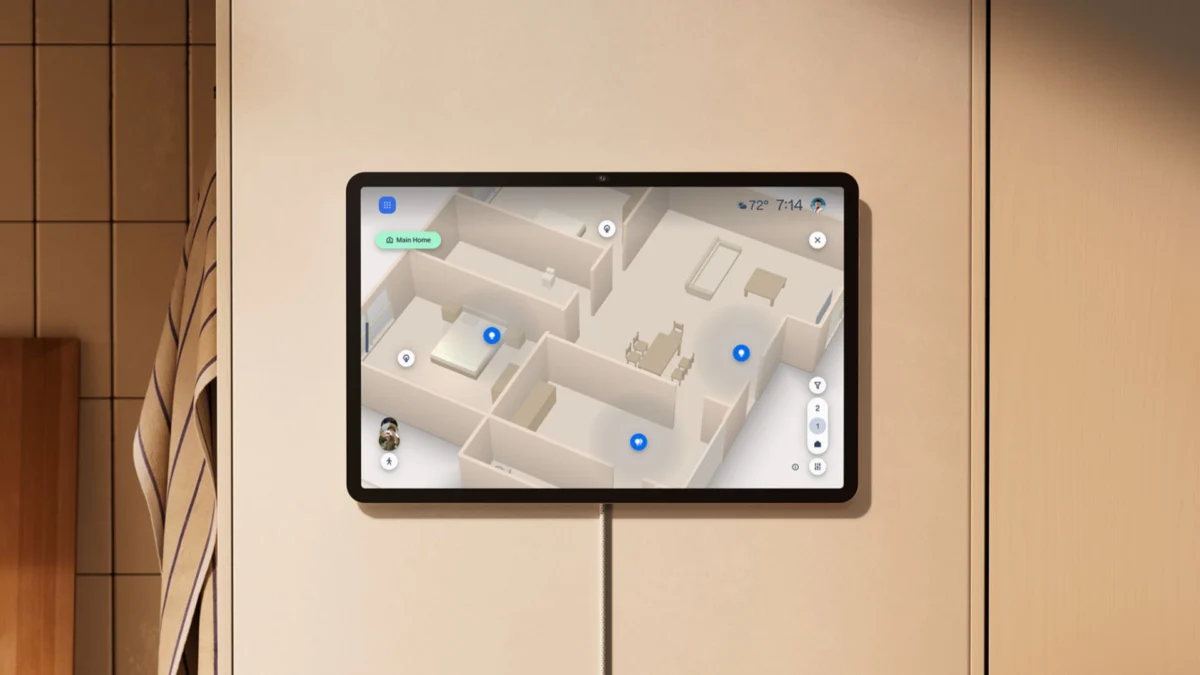
Amazon has unveiled Alexa Home Map, a groundbreaking smart home interface designed to transform how users interact with their connected devices. This innovative feature eschews traditional scrolling lists, offering instead an interactive 3D model of a user’s home, allowing for intuitive visual control of lights, plugs, speakers, and more. The announcement, made in conjunction with Amazon’s latest Echo device lineup, signals a significant leap forward in smart home usability and integration.
A New Dimension in Smart Home Management
The core of Alexa Home Map lies in its ability to create a digital replica of a user’s living space. Smart devices are not merely listed but are visually represented in their actual physical locations within this 3D model. This eliminates the common frustration of trying to recall specific, often arbitrary, names assigned to devices, such as "Living Room Light" versus "Corner Lamp." Instead, users can simply locate a device on the map and interact with it directly.
This visual approach extends beyond mere placement. According to Amazon’s official announcement, the interface is designed to be highly dynamic and informative. Smart lights, for instance, will display their current color and brightness. A room illuminated in blue will appear as such on the map, providing an immediate visual cue. Similarly, speakers actively playing music will be depicted with animated musical notes. Users will have the flexibility to zoom into individual rooms, navigate between different floors of their residence, and filter devices by their respective categories, further enhancing the ease of control.
Advanced Visualization for Enhanced Security and Awareness
One of the most compelling aspects of Alexa Home Map is its sophisticated handling of outdoor security cameras. The interface can generate animated representations of people and vehicles moving around a property. This provides users with a high-level visual overview of external activity without the need for photorealistic, potentially privacy-intrusive, imagery. This subtle yet effective visualization offers a new layer of situational awareness for homeowners. Furthermore, Amazon has indicated that the map can dynamically reflect local weather conditions, such as rain or snow, adding another dimension to the home’s digital representation and potentially informing users about environmental factors affecting their property.
The Setup Process: A Glimpse into User Investment
While the end-user experience promises significant simplification, the initial setup of Alexa Home Map requires a degree of user involvement. The process begins with users entering their address, which allows Amazon’s system to generate an external model of their home. Subsequently, users will need to scan the interior of their residence using a compatible iPhone equipped with LiDAR technology. This scanning process is crucial for building the detailed 3D interior map.
Following the spatial mapping, users will then be tasked with positioning their connected smart devices onto the generated map. The duration and complexity of this positioning phase are yet to be fully clarified, particularly for households equipped with a large number of smart gadgets. However, the commitment to this upfront effort is intended to yield a more intuitive and efficient smart home management system in the long run.
Seamless Integration and Future Accessibility
Once configured, Alexa Home Map is designed to offer a polished user experience. The interface will support both light and dark modes, catering to user preferences and ambient lighting conditions. Controls for individual devices and entire rooms will be readily accessible, ensuring a fluid and responsive interaction.
Amazon has outlined a phased rollout plan for Alexa Home Map. The feature will initially be available in a preview capacity starting later in 2026. The initial access will be through a dedicated iOS application. Amazon’s strategy includes expanding the availability to other key platforms, such as the primary Alexa app and the Ring app, as well as larger Echo Show devices, upcoming Alexa tablets, and other compatible display units. Wider accessibility for Android users is anticipated in early 2027, ensuring a broad reach for this new smart home paradigm.
Implications for the Smart Home Ecosystem
The introduction of Alexa Home Map is poised to address a growing challenge within the smart home industry: device management complexity. As the number of connected devices in the average household continues to rise – a trend supported by numerous market research reports indicating significant growth in the smart home sector – users often find themselves overwhelmed by the sheer volume of devices and the need to remember their specific names and functionalities. A recent report from Statista projected the global smart home market to reach over $200 billion by 2027, highlighting the expanding landscape.
By offering a visual, location-based control system, Alexa Home Map directly tackles this issue. The ability to tap on a light fixture’s representation on a 3D map, rather than searching through a textual list, represents a paradigm shift towards more natural and user-friendly interaction. This could significantly lower the barrier to entry for new smart home adopters and enhance the experience for existing users.
Furthermore, the integration of dynamic visual cues, such as device status and even animated representations of activity, provides a richer feedback loop than traditional interfaces. This could foster a greater sense of control and understanding of a home’s ecosystem. The focus on security camera visualization also aligns with the increasing consumer demand for integrated home security and automation solutions.
A Strategic Move in a Competitive Landscape
Amazon’s investment in Alexa Home Map can be viewed as a strategic maneuver to further solidify its position in the competitive smart home market. While competitors like Google and Apple also offer smart home control platforms, Amazon’s visual and immersive approach distinguishes itself. The emphasis on a 3D model, coupled with dynamic visual feedback, offers a unique selling proposition that could appeal to a broad range of consumers.
The phased rollout strategy, beginning with iOS and gradually expanding to other platforms, suggests a deliberate approach to ensure stability and gather user feedback before a wider release. This methodical deployment is common for significant new software features and aims to mitigate potential issues.
The success of Alexa Home Map will ultimately depend on its ability to deliver on its promise of intuitive control and seamless integration. The accuracy of the 3D mapping, the responsiveness of device controls, and the overall user experience during the setup and daily use will be critical factors. However, the concept itself represents a significant step forward, potentially setting a new standard for how we interact with our increasingly connected homes. The transition from managing devices through lists to navigating a virtual representation of our living spaces marks a compelling evolution in the smart home journey.

