
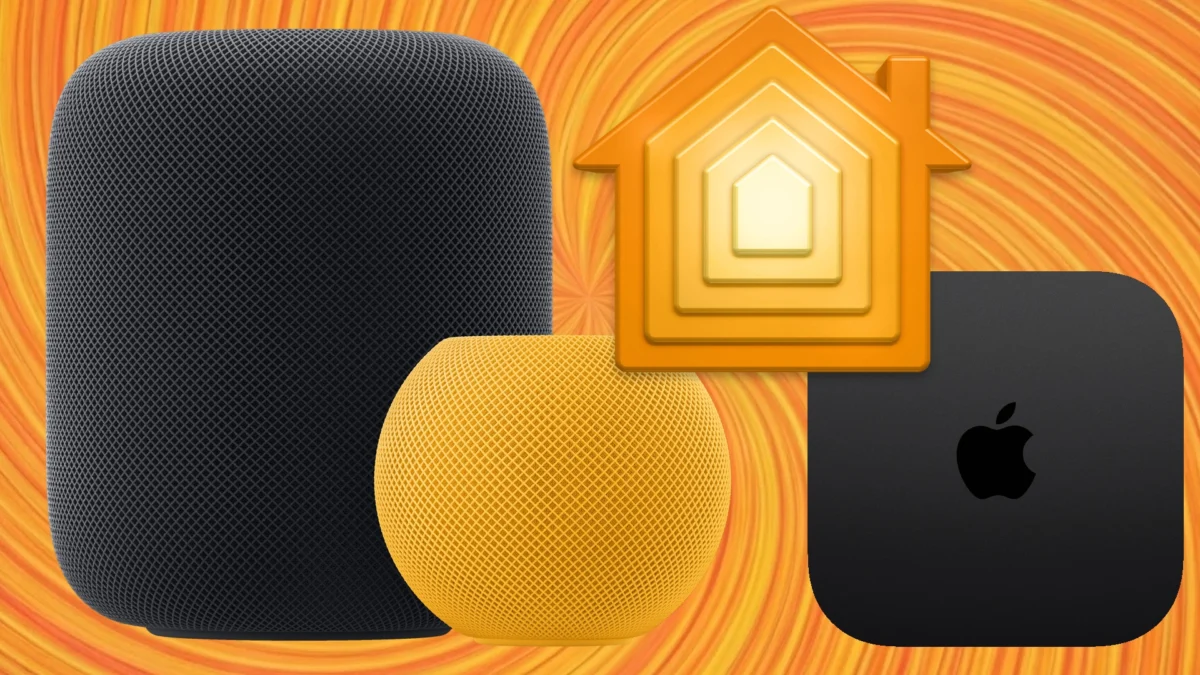
According to a comprehensive report from Bloomberg, Apple is poised to make a significant and long-awaited leap into the burgeoning smart home market. The technology giant is reportedly preparing a suite of new home-centric hardware, with an enhanced, artificial intelligence-driven Siri at its core. This strategic pivot, expected to unfold between October 2026 and early 2027, signals a potential paradigm shift in how consumers interact with their living spaces, moving beyond incremental updates to a more integrated and intelligent ecosystem. The anticipated rollout includes a revitalized HomePod mini, a redesigned Apple TV, and the introduction of a highly speculated "Home Hub" device, all designed to leverage the power of a more sophisticated Siri.
The Dawn of an AI-Centric Smart Home Strategy
Apple’s approach appears to be diverging from a model of adding standalone smart home features to existing products. Instead, the company is reportedly building its next generation of home devices around a significantly upgraded, AI-powered Siri. This suggests that the virtual assistant will transition from a supportive role to becoming the central intelligence and primary interface for Apple’s connected home strategy. This move is seen as a direct response to the increasing competition from rivals like Amazon and Google, who have already established considerable footholds in the smart home arena with their respective AI assistants, Alexa and Gemini.
The Intriguing Home Hub: A Glimpse into the Future
The most compelling new entrant is the long-rumored Home Hub. Bloomberg’s report details a device that merges a roughly seven-inch square display with a distinctive half-dome base, visually evoking a HomePod mini enhanced with a screen. This device is envisioned as the linchpin of the smart home, capable of managing a wide array of functions. These are expected to include seamless control of HomeKit-compatible devices, such as smart locks and lighting systems, facilitating FaceTime video calls, integrating with home security monitoring, and providing intercom functionalities.
The integrated display is also designed to serve as a dynamic household information portal. Users will be able to view calendars, daily schedules, and personal photos, with the added flexibility of customizable clock faces when the device is idle. A particularly innovative feature highlighted is facial recognition technology. This capability would allow the Home Hub to identify individuals standing before it and dynamically tailor the displayed information and functionalities to their specific needs and preferences. Furthermore, the user interface is engineered to adapt based on viewing distance. When a user is in close proximity, more detailed information will be presented, while from a greater distance, the interface will shift to larger, simplified controls for easier interaction. This adaptive display technology represents a significant advancement in user experience for smart home devices, aiming for intuitive and personalized interactions.
Refreshed Staples: HomePod Mini and Apple TV Get an AI Boost
In conjunction with the new Home Hub, Apple is also reportedly preparing to launch refreshed versions of two of its established home products. A new HomePod mini is anticipated, featuring an upgraded processor specifically designed to handle the demands of the advanced Siri AI. This enhanced processing power is crucial for enabling more complex and responsive voice commands and a broader range of smart home integrations. Similarly, a redesigned Apple TV is also expected to receive a significant chip upgrade, enabling it to better support the AI-driven functionalities of Siri and potentially serve as a more robust hub for media consumption and smart home control.
Bloomberg reports suggest a price point of $129 for the refreshed HomePod mini, maintaining its accessible position in the market. The new Apple TV is tipped to launch at $199, aligning with previous generations and positioning it competitively within the streaming device market. These price points indicate Apple’s strategy to make its AI-enhanced smart home offerings broadly available to its existing customer base.
Expanding the Ecosystem: A Multi-Hub Vision
Adding another layer to Apple’s smart home ambitions, the report indicates the company is planning a second iteration of the Home Hub. This future variant is described as being designed for wall mounting or attachment to other surfaces via a magnetic system. This strategic direction suggests that Apple envisions a distributed network of Home Hubs throughout a home, rather than a single, centralized device. Such a deployment would allow for more pervasive smart home control and a more seamless user experience across different rooms and areas of a residence. This multi-hub strategy aligns with the growing trend of whole-home automation and could position Apple to compete more effectively with established multi-room smart speaker and display systems.
Understanding the Timeline: A Deliberate Evolution
The projected timeline for these product launches offers insight into why Apple’s smart home advancements may have appeared to lag in recent years. Previous reports hinted at an earlier release window for new hardware. However, delays in the development of Siri AI are believed to have pushed back the entire roadmap. This could also explain Apple’s relatively muted announcements regarding new HomePod or Apple TV hardware at recent developer conferences, despite prominently highlighting the future evolution of Siri in other contexts. This deliberate pacing suggests a focus on ensuring that the core AI technology is mature and robust before integrating it into a wider array of consumer products. The investment in AI development underscores Apple’s long-term commitment to its smart home ecosystem, aiming for a product release that is both impactful and technologically sound.
Implications and Competitive Landscape
If the Bloomberg report proves accurate, the upcoming year could represent Apple’s most significant expansion into the smart home sector in recent history. The company appears to be moving beyond simple product refreshes to architecting a comprehensive ecosystem where AI-powered Siri acts as the unifying interface. This interconnected network would link HomePods, Apple TV, HomeKit devices, and an entirely new category of smart home hub. Such a strategy would position Apple in much more direct competition with the established smart home ecosystems of Amazon, powered by Alexa, and Google, with its Gemini-driven offerings.
The market for smart home devices has seen substantial growth. According to Statista, the global smart home market is projected to generate $197.70 billion in revenue in 2024, with a significant compound annual growth rate (CAGR) of 10.53% from 2024 to 2028, leading to a projected market volume of $293.70 billion by 2028. This expanding market presents a substantial opportunity for Apple to capture a larger share. The company’s established brand loyalty and its ability to seamlessly integrate hardware, software, and services provide a strong foundation for success in this competitive landscape.
Apple’s strategy of centralizing its smart home efforts around an advanced AI assistant also reflects a broader industry trend. The future of smart homes is increasingly envisioned as one where intelligent agents proactively manage and optimize our living environments. By investing heavily in Siri’s AI capabilities, Apple aims to create a more intuitive, personalized, and secure smart home experience for its users. The success of this ambitious rollout will likely depend on the actual performance of the AI, the intuitiveness of the Home Hub’s interface, and the seamless integration of these new devices with Apple’s existing product lines, such as iPhones, iPads, and Apple Watches. The coming months will be crucial in observing how Apple navigates this complex and rapidly evolving market.

