
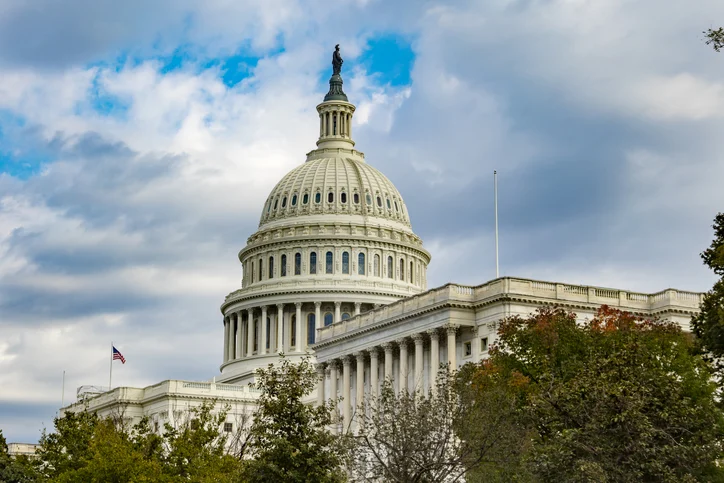
A bipartisan coalition of United States senators has introduced a comprehensive legislative package designed to fundamentally restructure the 340B Drug Pricing Program, marking one of the most significant attempts to reform the federal drug discount initiative in decades. The proposed bill seeks to bolster transparency, increase oversight, and—most notably—permanently dismantle a controversial plan by the Department of Health and Human Services (HHS) to transition the program from an upfront discount model to a rebate-based system. Introduced by a group of three Republicans and three Democrats, the legislation attempts to strike a delicate balance between the interests of pharmaceutical manufacturers and the "covered entities," such as safety-net hospitals and community clinics, that rely on the program to provide care to underserved populations.
The introduction of this bill comes at a time of heightened tension surrounding the 340B program, which has grown from a modest effort to assist small clinics into a multi-billion-dollar pillar of the American healthcare landscape. By addressing long-standing disputes over contract pharmacies, patient definitions, and duplicate discounts, the senators aim to provide the first major statutory update to the program since its inception in 1992.
Historical Context and the Evolution of 340B
To understand the weight of the new legislation, one must look at the history of Section 340B of the Public Health Service Act. Established by Congress more than 30 years ago, the program was designed to allow "covered entities"—including HRSA-supported health centers, look-alikes, and certain types of hospitals—to stretch scarce federal resources as far as possible. By requiring pharmaceutical manufacturers to provide outpatient drugs at significantly reduced prices as a condition of their participation in Medicaid and Medicare Part B, the program intended to help providers serve a higher volume of low-income and uninsured patients.
However, the program’s scope has expanded dramatically over the last 15 years. Following the passage of the Patient Protection and Affordable Care Act (ACA) in 2010, the number of eligible hospitals increased, and the use of "contract pharmacies"—third-party retail pharmacies that dispense 340B drugs on behalf of covered entities—skyrocketed. This expansion turned 340B into the second-largest federal prescription drug program, trailing only Medicare and Medicaid. According to recent data, the value of drugs purchased through the 340B program reached an estimated $54 billion in 2023, a staggering increase from the approximately $9 billion recorded a decade prior.
This rapid growth has led to a protracted conflict between the pharmaceutical industry and healthcare providers. Drug manufacturers argue that the program has deviated from its original mission, becoming a "profit center" for large hospital systems that allegedly pocket the savings rather than passing them directly to patients. Conversely, hospitals maintain that the savings are essential for funding money-losing services like trauma centers, oncology clinics, and prenatal care in rural and impoverished areas.
The Pushback Against the HHS Rebate Model
The most immediate impact of the newly introduced bill is its direct intervention in a regulatory battle involving the Health Resources and Services Administration (HRSA), an agency within HHS. Just one week prior to the bill’s introduction, HRSA unveiled a plan to reintroduce a "rebate model" for a specific subset of 340B drugs. Under this proposed model, hospitals would be required to pay the full wholesale price for drugs upfront and later submit claims to manufacturers to receive the 340B discount as a rebate.
This is not HRSA’s first attempt to move toward a rebate system. An earlier pilot program was slated for implementation at the start of the year but was halted by federal courts. Judges cited procedural and legal deficiencies, ruling that the agency had exceeded its statutory authority by attempting to fundamentally alter the payment structure of the program without explicit congressional approval.
Provider groups have been vocal in their opposition to the rebate model. Organizations such as the American Hospital Association (AHA) and 340B Health argue that a rebate system would place an untenable financial burden on cash-strapped safety-net providers. They contend that requiring hospitals to float the full cost of expensive specialty drugs while waiting weeks or months for rebates would create significant cash-flow crises, potentially forcing some clinics to limit the services they offer to vulnerable patients. The new bipartisan bill seeks to settle this matter by killing the HHS pilot program within a year and legally barring the department from attempting similar rebate-based structures in the future.
Codifying Contract Pharmacy Access
A cornerstone of the new legislation is the formal codification of contract pharmacies. For several years, a legal war has raged between drugmakers and HRSA regarding whether manufacturers are required to ship 340B-discounted drugs to external pharmacies. Since 2020, more than 20 major pharmaceutical companies have imposed restrictions on contract pharmacy arrangements, arguing that the lack of oversight in these partnerships leads to "duplicate discounts"—where a manufacturer pays both a 340B discount and a Medicaid rebate on the same unit of a drug.
The bipartisan bill addresses this by requiring manufacturers to offer 340B pricing regardless of whether the drug is dispensed through an in-house pharmacy or a contract pharmacy. It explicitly prohibits manufacturers from imposing conditions on 340B access or restricting drug delivery to these sites. In exchange for this protection, the bill introduces rigorous new registration rules for contract pharmacies and their satellite sites, ensuring that every dispensing location is accounted for in a federal database.
Defining the "340B Patient" and Enhancing Compliance
For decades, the lack of a clear, statutory definition of a "340B patient" has been a source of confusion and litigation. The new bill seeks to provide clarity by establishing a formal definition, which is intended to prevent "diversion"—the practice of providing 340B-discounted drugs to individuals who do not meet the criteria for being a patient of the covered entity.
In addition to the patient definition, the legislation introduces:
- Enhanced Documentation: Covered entities will be required to maintain more granular records of drug dispensing and patient eligibility.
- Standardized Financial Assistance: To ensure the benefits of the program reach the intended recipients, the bill requires covered entities to adopt a standard financial assistance policy for patients whose income is at or below 200% of the federal poverty level.
- Anti-Discrimination Clauses: The bill bans health insurance payers and pharmacy benefit managers (PBMs) from penalizing or discriminating against 340B hospitals and their contract pharmacies through lower reimbursement rates or restrictive network requirements.
The National Data Clearinghouse and User Fees
To address the pharmaceutical industry’s concerns regarding duplicate discounts, the senators have proposed the creation of a national data clearinghouse. Instead of the cumbersome rebate model proposed by HHS, this clearinghouse would serve as a centralized, third-party system to track 340B claims and Medicaid data in real-time. By providing regulators with a single lens through which to view drug transactions, the clearinghouse is intended to identify and prevent instances where a manufacturer is erroneously charged twice for a single drug.
Funding for this massive increase in oversight and the operation of the clearinghouse would not come from general tax revenue. Instead, the bill establishes a "user-fee" program. Starting in fiscal year 2031, participants in the 340B program would pay a small fee to cover the costs of administration and enforcement, similar to the user-fee models used by the Food and Drug Administration (FDA) for drug approvals.
Industry Reactions and Future Outlook
The reaction to the bill has been a mixture of cautious optimism and strategic positioning. Hospital advocacy groups have largely praised the bill’s protections for contract pharmacies and its rejection of the rebate model. "By codifying the role of contract pharmacies, this bill provides the stability our members need to continue serving the most vulnerable members of our communities," a representative for a leading hospital association noted in an inferred statement.
Pharmaceutical trade groups, such as the Pharmaceutical Research and Manufacturers of America (PhRMA), are expected to offer more resistance. While they have long advocated for a clearer patient definition and a solution to duplicate discounts, they remain wary of any legislation that mandates unlimited access to contract pharmacies without what they consider "sufficient" transparency on how hospitals use their 340B savings.
The legislation now moves to the committee review stage, where it will likely undergo further refinement. Congressional analysts suggest that the bipartisan nature of the bill—supported by a balanced group of three Republicans and three Democrats—gives it a stronger chance of survival in a divided Congress than previous partisan attempts at reform.
Implications for the Healthcare Ecosystem
If passed, the bill would represent a "grand bargain" that could stabilize the 340B program for the next generation. For hospitals, it offers the security of knowing their pharmacy networks are protected by law. For drugmakers, it offers the promise of a more transparent system where discounts are tracked and patient eligibility is clearly defined. For patients, particularly those at or below 200% of the federal poverty level, it guarantees access to financial assistance programs that might have previously been inconsistent across different providers.
However, the transition to a user-fee-funded oversight model and the implementation of a national data clearinghouse will be a monumental task for HRSA. As the courts continue to deliberate on the limits of executive authority regarding 340B, this legislative path offers a more permanent, statutory solution to a conflict that has plagued the American drug pricing debate for years. The coming months of committee hearings and lobbying will determine whether this bipartisan compromise can survive the intense pressures of the healthcare industry.

