
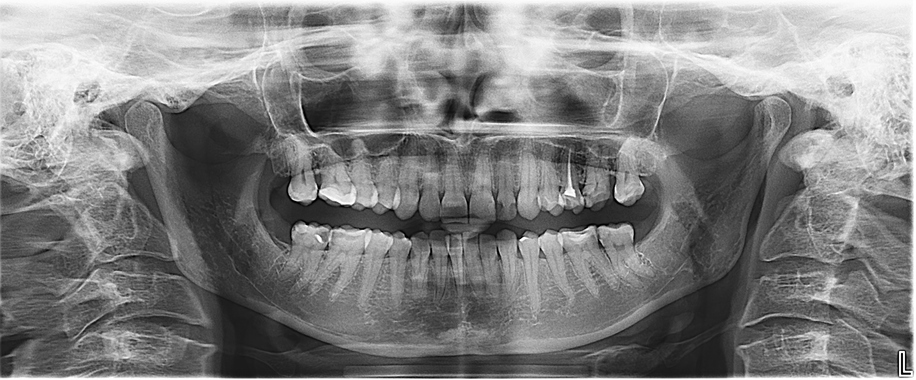
The global oral healthcare sector is currently undergoing a fundamental paradigm shift, moving beyond the traditional focus on hygiene-based prevention toward a more comprehensive model of functional stability and precision diagnostics. While public health initiatives such as National Dental Care Month have successfully elevated the importance of routine brushing, flossing, and professional cleanings, a growing body of clinical evidence suggests that hygiene alone is insufficient to address the full spectrum of oral health challenges. This evolution is driven by the realization that many chronic dental issues—including premature tooth wear, restorative fractures, and temporomandibular disorders (TMD)—are often the result of mechanical dysfunction rather than bacterial decay or periodontal disease.
The Traditional Landscape of Preventive Dentistry
For decades, the bedrock of preventive dentistry has been the management of the oral microbiome. Public health messaging has prioritized the removal of biofilm and the early detection of caries. This approach has undoubtedly improved global oral health outcomes, leading to a significant reduction in tooth loss due to decay. However, clinicians are increasingly identifying a gap in this traditional model. Many patients who maintain exemplary oral hygiene still present with recurring structural failures, such as fractured crowns, failing implants, and persistent muscle tension in the jaw.
These issues point to a critical but often overlooked component of oral wellness: occlusion, or the way the teeth interact during functional movements. When the bite is imbalanced, the forces exerted during chewing and swallowing can exceed the physiological limits of the teeth and supporting structures. Over time, these excessive forces lead to a cascade of complications that traditional hygiene-based prevention is unequipped to address.
The Limitations of Subjective Diagnostic Tools
Historically, the evaluation of a patient’s bite has relied on subjective methods that have changed little in over a century. The most common tool, articulating paper, is a thin strip coated in ink that marks the points where teeth make contact. While articulating paper is effective at showing where a contact occurs, it is unable to provide data on when the contact occurs or how much force is being applied.
Research in the field of dental materials and biomechanics indicates that the sequence of tooth contacts—measured in milliseconds—and the distribution of force across the dental arch are the primary determinants of occlusal health. Because articulating paper marks are often misleading—where a large mark does not necessarily indicate high force, but rather a specific surface area—clinicians have historically relied on visual interpretation and patient feedback to make adjustments. This "subjective interpretation" often leads to a cycle of repeat adjustments, where the root cause of the imbalance remains unresolved.
The Rise of Digital Occlusal Analysis
The limitations of analog tools have paved the way for the integration of digital occlusal analysis into the preventive workflow. Technologies such as the T-Scan system represent a significant leap forward, providing objective, quantifiable data on the dynamic relationship of the teeth. Unlike articulating paper, these digital sensors capture the entire occlusal event in real-time, allowing clinicians to see the timing, force, and sequence of every contact.
By utilizing a piezo-resistive sensor that transmits data to specialized software, dentists can identify "hyper-occlusion"—points where a tooth is striking too hard or too soon. This level of precision allows for targeted interventions that preserve healthy tooth structure. Instead of grinding down multiple teeth based on ink marks, the clinician can pinpoint the exact micro-millimeter of interference that is causing the dysfunction.
Chronological Evolution of Dental Diagnostics
The transition from manual to digital diagnostics in dentistry has followed a clear timeline of technological integration:
- Pre-1980s: Dentistry was primarily reactive, focused on "drill and fill" techniques. Bite evaluation was almost entirely dependent on articulating paper and wax bites.
- 1980s – 1990s: The introduction of the first computerized occlusal analysis systems began to challenge the status quo. Early adopters, including specialists in prosthodontics, started utilizing data to treat complex cases of TMD and full-mouth reconstructions.
- 2000s – 2010s: The digital revolution in dentistry expanded to include CAD/CAM (Computer-Aided Design and Manufacturing) and digital impressions. This era saw an increased focus on the precision of dental restorations.
- 2020s – Present: Precision dentistry is becoming the new standard for general practice. There is a growing movement to incorporate digital bite analysis into routine preventive checkups to identify functional risks before they manifest as painful symptoms or structural failures.
Addressing the Prevalence of Temporomandibular Disorders (TMD)
One of the most significant impacts of precision occlusal care is its role in managing TMD, a condition that the National Institute of Dental and Craniofacial Research (NIDCR) estimates affects between 5% and 10% of the American population. TMD is characterized by pain in the jaw joint and the muscles that control jaw movement.
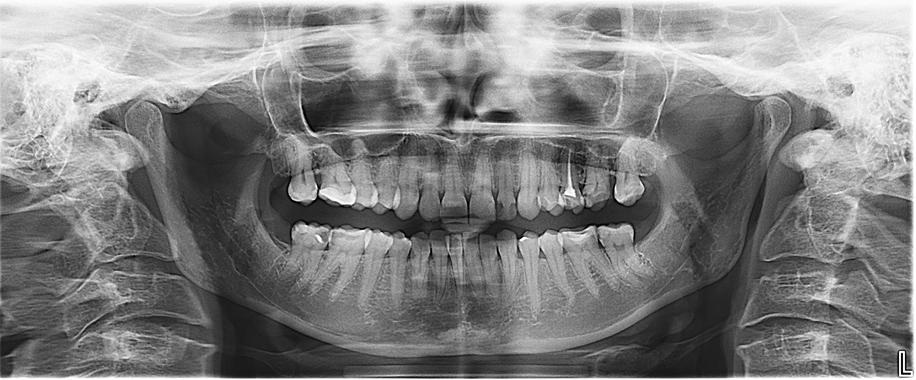
Traditionally, TMD treatment has focused on symptom management through the use of occlusal splints (night guards), muscle relaxants, or even Botox injections. While these methods can provide temporary relief, they often fail to address the underlying cause: an imbalanced bite that forces the muscles and joints to overcompensate. By using digital analysis to correct the occlusion directly, clinicians are finding they can achieve lasting results without the need for lifelong appliance therapy or medication.
Supporting Data and Clinical Efficacy
The shift toward data-driven dentistry is supported by a growing body of peer-reviewed research. Studies have shown that digital occlusal analysis can significantly reduce the "remake rate" of dental prosthetics. When a crown or bridge is designed and fitted using precise force data, the likelihood of the ceramic fracturing or the implant failing is substantially lower.
Furthermore, clinical data suggests that patients who undergo digital occlusal adjustments report a higher "comfort score" compared to those treated with traditional methods. The ability to achieve "disclusion" (the immediate separation of posterior teeth during lateral movements) in a measured way reduces the strain on the masseter and temporal muscles, leading to a decrease in tension-related headaches and facial pain.
The Broader Impact on Public Health and Dental Economics
The implications of precision preventive dentistry extend beyond individual patient comfort; they have significant economic and systemic health ramifications. For the dental practice, the integration of objective diagnostic tools translates to shorter "chair time" and fewer follow-up appointments for adjustments. This increases the efficiency of the practice and allows for a more predictable clinical outcome.
For the patient, the benefit is twofold: the preservation of their natural dentition and the avoidance of costly restorative failures. In an era where dental implants are becoming a standard solution for tooth loss, ensuring the long-term stability of those implants through precise bite management is a critical preventive priority.
From a systemic perspective, the link between oral health and overall wellness is well-documented. Chronic jaw pain and dysfunction can lead to sleep disturbances, nutritional challenges due to difficulty chewing, and a decreased quality of life. By expanding the definition of "prevention" to include functional stability, the dental profession is positioning itself as a vital component of holistic healthcare.
Industry Perspectives and the Path Forward
Industry analysts and academic leaders suggest that the future of dentistry will be defined by "Interventional Prevention." This concept involves using diagnostic data to predict where a failure is likely to occur and intervening before the patient experiences pain.
While some practitioners have been slow to adopt these technologies due to the initial cost of equipment and the learning curve associated with new software, the consensus among experts is that the "analog era" of bite evaluation is nearing its end. As patients become more informed and demand higher standards of care, the use of objective, data-driven diagnostics will likely become a requirement for modern dental practice.
Conclusion: Redefining the Standard of Care
The evolution of preventive dentistry represents a maturing of the profession. While the importance of hygiene remains paramount, it is no longer the sole pillar of oral wellness. The integration of digital occlusal analysis allows clinicians to treat the mouth as a dynamic biological machine, where the harmony of teeth, muscles, and joints is essential for long-term health.
As the industry continues to move toward personalized, precision-based care, the goal of prevention will expand. It will no longer be enough to simply be "cavity-free." The new standard of oral health will be defined by a bite that is balanced, a jaw that is tension-free, and a dentition that is protected from the silent damage of functional dysfunction. Through the adoption of advanced technology and a broader view of patient care, the dental profession is setting the stage for a future of enhanced wellness and predictable clinical excellence.

