
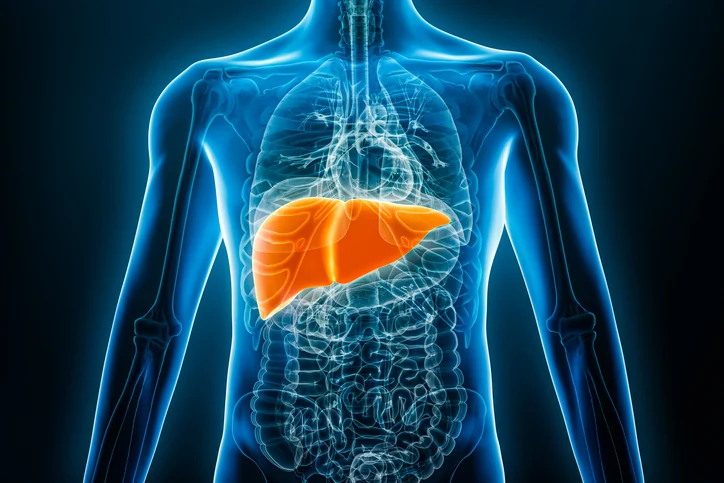
The U.S. Food and Drug Administration (FDA) has granted approval to Hibsago (bepirovirsen), a breakthrough treatment developed by GSK, marking a significant paradigm shift in the management of chronic hepatitis B (CHB). For decades, patients diagnosed with this persistent viral infection have faced the prospect of lifelong daily medication to suppress the virus. Hibsago, however, introduces the potential for a "functional cure"—a state where the virus is suppressed to undetectable levels and the immune system regains control—following a finite 24-week treatment course. This regulatory milestone represents the first antisense oligonucleotide (ASO) approved for this indication, positioning GSK at the forefront of a rapidly evolving infectious disease market.
The Evolution of Hepatitis B Management and the Quest for a Functional Cure
Hepatitis B is a DNA virus that attacks the liver and can cause both acute and chronic disease. While many adults can clear an acute infection, approximately 1.7 million people in the United States and nearly 300 million people globally suffer from the chronic form. In these patients, the immune system is unable to eradicate the virus, leading to a persistent infection that significantly increases the risk of cirrhosis, liver failure, and hepatocellular carcinoma (liver cancer).
Until the approval of Hibsago, the standard of care primarily involved nucleos(t)ide analogues (NAs), such as entecavir or tenofovir. While these drugs are highly effective at suppressing viral replication and preventing liver damage, they rarely eliminate the virus. The rate of functional cure—defined as the sustained loss of hepatitis B surface antigen (HBsAg) and undetectable viral DNA in the blood—is notoriously low with NAs, often remaining below 5%. Consequently, most patients must remain on these therapies indefinitely.
Hibsago operates through a novel mechanism of action designed to overcome this limitation. As an antisense oligonucleotide, the drug consists of a short, synthetic strand of nucleotides that binds to the messenger RNA (mRNA) produced by the hepatitis B virus. By triggering the degradation of this viral mRNA, Hibsago inhibits the production of viral proteins, including the surface antigen (HBsAg) that typically exhausts the patient’s immune response. By lowering these viral "decoy" proteins, Hibsago allows the patient’s own immune system to recover and potentially maintain long-term suppression of the virus without further medication.
Clinical Evidence: The B-Clear and B-Sure Phase 3 Programs
The FDA’s decision was underpinned by robust data from two pivotal Phase 3 clinical trials, which evaluated the efficacy and safety of Hibsago in patients already receiving stable NA therapy. These trials focused on a specific patient population: those without liver cirrhosis who exhibited certain levels of HBsAg at the start of treatment.
In these double-blind, placebo-controlled studies, participants received weekly subcutaneous injections of Hibsago for 24 weeks. The primary endpoint was the proportion of patients who achieved a sustained loss of HBsAg and undetectable HBV DNA for 24 weeks after completing the Hibsago regimen, all while remaining off standard antiviral therapy.
The results demonstrated a significant therapeutic benefit. Across the trial cohorts, 24% of patients treated with Hibsago met the stringent criteria to discontinue their existing NA therapy. More importantly, 19% of the Hibsago-treated group maintained a functional cure six months after stopping all treatments. In contrast, none of the patients in the placebo arm achieved this outcome. These findings were published in the New England Journal of Medicine and presented at the European Association for the Study of the Liver (EASL) annual meeting, where they were hailed as a turning point in CHB research.
Safety Profile and Regulatory Requirements
Despite the clinical breakthrough, the approval of Hibsago comes with specific safety monitoring requirements. During clinical trials, the most frequent adverse events were injection site reactions, fever, and fatigue. However, more serious concerns regarding liver health and hematology were also identified.
The FDA has included a Black Box Warning on the Hibsago label, alerting healthcare providers to the risk of treatment-emergent elevations in liver enzymes (ALT flares). These flares can occur as the immune system re-engages with the virus, but they require close monitoring to ensure they do not lead to liver failure. Additionally, the drug has been associated with a reduction in blood platelet counts (thrombocytopenia), which can increase the risk of life-threatening bleeding.
To mitigate these risks, the FDA mandates that clinicians perform liver enzyme tests and platelet counts prior to initiation and at regular intervals throughout the 24-week treatment period. Furthermore, Hibsago is only indicated for patients who do not have cirrhosis and whose viral levels fall within a specific range. To identify eligible patients, the FDA concurrently authorized a companion diagnostic test developed by Roche, which measures HBsAg levels to determine if a patient is likely to respond to the therapy.
A Decade of Development: Chronology of the GSK-Ionis Partnership
The journey of Hibsago from the laboratory to the pharmacy shelf spans over 15 years. The drug was originally discovered by Ionis Pharmaceuticals, a pioneer in RNA-targeted therapies. The chronology of its development highlights the long-term investment required for such medical innovations:
- 2010: GSK and Ionis Pharmaceuticals enter into a strategic research and development alliance to identify ASO drugs for infectious diseases.
- 2019: Following promising early-stage data, GSK exercises its option to license the hepatitis B program (then known as IONIS-HBVRx and bepirovirsen) from Ionis.
- 2022: Results from the Phase 2b B-Clear study are published, showing the first clear evidence that bepirovirsen could lead to HBsAg loss.
- 2024 (August): Hibsago receives its first global regulatory approval in Japan, establishing it as the first functional cure therapy available in a major market.
- 2024 (October): The U.S. FDA approves Hibsago for use in the United States.
- Present: The drug remains under regulatory review in China, which represents the world’s largest population of chronic hepatitis B patients.
Under the terms of their agreement, Ionis Pharmaceuticals is eligible to receive significant milestone payments based on these regulatory approvals and subsequent commercial performance. Total payments to Ionis could exceed $510 million, supplemented by tiered royalties on net sales.
Market Implications and the Strategic Outlook for GSK
The approval of Hibsago is a cornerstone of GSK’s strategy to bolster its infectious disease portfolio, which already includes leading vaccines and HIV treatments. Tony Wood, GSK’s Chief Scientific Officer, emphasized that Hibsago addresses a massive unmet need, offering patients the convenience of a self-administered injection and the hope of a life free from chronic medication.
From a commercial perspective, Hibsago is projected to be a "blockbuster" drug, meaning it is expected to generate more than $1 billion in annual revenue. Industry analysts at William Blair and Leerink Partners have noted that while the current hepatitis B market is valued at approximately $2.5 billion, the introduction of curative-intent therapies could expand the total addressable market to over $7 billion by 2035.
However, analysts also caution that the "uptake curve" for Hibsago may be gradual. The requirement for companion diagnostics, the complexity of the Black Box Warning monitoring, and the necessity for patient education regarding the transition from daily pills to weekly injections mean that healthcare systems will need time to adapt. Nevertheless, the high cost of lifelong NA therapy and the even higher costs associated with treating liver cancer and transplants provide a strong economic argument for a 24-week curative regimen.
Broader Impact on Global Health and Future Research
The introduction of Hibsago is expected to catalyze further research into combination therapies. While a 19% functional cure rate is a monumental improvement over existing therapies, researchers are already looking for ways to increase that percentage. GSK is currently investigating Hibsago in combination with other agents, such as therapeutic vaccines and other antiviral classes, to see if "triple therapy" regimens can push cure rates higher.
On a global scale, the approval aligns with the World Health Organization’s (WHO) goal to eliminate viral hepatitis as a public health threat by 2030. For the millions of people living with the stigma and health anxiety of a chronic HBV diagnosis, the availability of a treatment that offers a "nothing more" outcome after six months is a profound psychological and physical relief.
As Hibsago rolls out across the United States, the medical community will be watching closely to see how these clinical trial results translate into real-world practice. If the safety profile remains manageable and the functional cure rates hold steady, Hibsago may well become the new foundation upon which all future hepatitis B treatments are built, finally turning the tide against one of the world’s most persistent viral challenges.

