
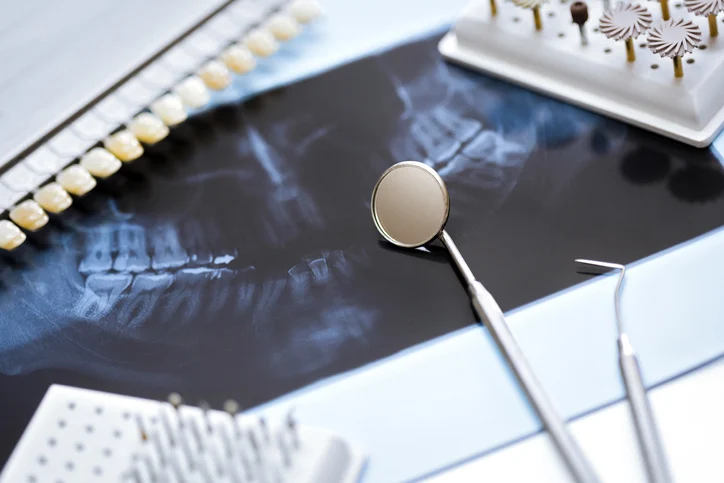
For decades, the medical community has operated under a structural paradox where the mouth is treated as an entity distinct from the rest of the human body. This systemic separation, often referred to as the "dental silo," has resulted in fragmented patient experiences, redundant administrative costs, and missed opportunities for early disease intervention. However, a growing consensus among healthcare providers, payers, and policymakers suggests that the era of isolated oral healthcare is coming to an end. As the industry pivots toward value-based care, the integration of dental health into the broader medical ecosystem is no longer viewed as an optional enhancement but as a clinical and economic necessity for achieving whole-person health.
The Dental Office as a Primary Diagnostic Frontier
The potential for dentists to serve as frontline diagnostic agents is supported by significant public health data. According to the Centers for Disease Control and Prevention (CDC), approximately 27 million people in the United States visit a dentist annually but do not see a primary care physician (PCP). For many Americans, particularly those in younger demographics or those with limited chronic conditions, the dental chair represents their only consistent interaction with the healthcare system.
This discrepancy signals a critical opportunity for the early detection of systemic risks. Clinical research has long established that oral health is a window into the body’s internal state. For example, gingival inflammation and periodontitis are frequently early indicators of undiagnosed Type 2 diabetes. Chronic inflammation in the oral cavity can exacerbate insulin resistance, creating a dangerous feedback loop. Furthermore, routine dental visits often include blood pressure screenings, which can identify asymptomatic hypertension—a leading risk factor for stroke and heart disease.
Beyond chronic disease, dental professionals are uniquely positioned to identify oral lesions that may indicate various cancers or autoimmune disorders. When these practitioners are disconnected from the broader medical network, these observations often fail to result in timely referrals, allowing manageable conditions to escalate into acute medical crises.
A Historical Context of the Dental-Medical Divide
To understand the current challenges of integration, one must look at the historical trajectory of American medicine. The separation of dentistry from general medicine dates back to the mid-19th century. In 1840, the founders of the Baltimore College of Dental Surgery sought to include dental education within the medical curriculum of the University of Maryland. When the university rejected the proposal, dentistry established its own independent colleges, regulatory boards, and professional associations.
This 180-year-old schism was further codified by the evolution of insurance in the 20th century. While medical insurance became a standard employment benefit following World War II, dental insurance developed as a separate, "ancillary" product with different reimbursement structures, lower annual maximums, and distinct administrative protocols. This legacy of separation has created a dual-track system that modern technology is only now beginning to bridge.
Technical Barriers and the Interoperability Gap
Despite the clear clinical benefits of integration, the practical execution of a "whole-person" model faces significant infrastructure hurdles. The healthcare industry is currently plagued by fragmented data systems and a lack of interoperability between Medical Electronic Health Records (EHR) and Dental Practice Management Systems (PMS).
Current data from Health IT indicates a sobering reality: fewer than 43% of U.S. hospitals are able to routinely use external patient data across all core functions. In the dental sector, this percentage is even lower. Most dental offices operate on software that cannot "talk" to the local hospital or the patient’s primary care doctor.
This technical isolation leads to several points of failure in the care journey:
- Incomplete Referrals: A dentist may advise a patient to see a cardiologist due to high blood pressure, but without a shared digital platform, there is no way to track if the appointment was kept or to share the dental findings with the specialist.
- Medication Risks: Dentists often prescribe antibiotics or analgesics without a full, real-time view of the patient’s medical prescriptions, increasing the risk of adverse drug interactions.
- Redundant Procedures: Lack of visibility may lead to unnecessary duplicate imaging or blood tests, driving up costs for both payers and patients.
The Economic Argument for Integrated Care
The financial implications of maintaining siloed oral health are substantial. When oral health is neglected, the costs are often shifted to the most expensive sectors of the healthcare system: emergency departments (ED). National data suggests that millions of ED visits annually are for non-traumatic dental conditions, such as abscesses or toothaches. These visits are largely palliative; ED physicians can provide antibiotics or pain relief but rarely provide the definitive dental treatment required, leading to high recidivism rates.
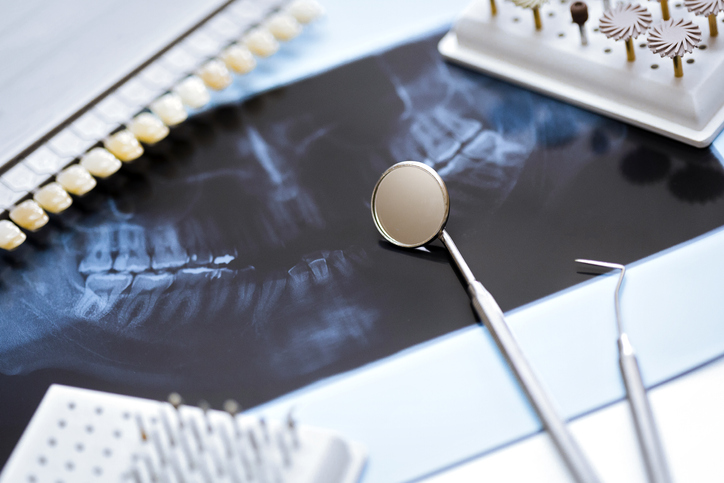
Furthermore, the management of chronic diseases becomes significantly more expensive when oral health is ignored. Studies have shown that for patients with diabetes or cardiovascular disease, receiving regular periodontal care can lead to a reduction in overall medical costs by thousands of dollars per year. This is attributed to a decrease in hospitalizations and a better management of systemic inflammation.
For payers, the transition to an integrated model offers a path toward true value-based care. By investing in preventive dental care and ensuring that dental data informs medical risk stratification, insurance carriers can lower the "total cost of care" for their member populations.
Building the Infrastructure for a Connected Ecosystem
The transition from an aspirational vision of integrated care to a functional reality requires a unifying technological foundation. Industry experts, including Dr. Larry Paul, Chief Dental Officer at SKYGEN, emphasize that intent alone is insufficient. The industry requires a platform that connects payers, providers, and patients in a real-time, data-rich environment.
A connected ecosystem would ideally feature:
- Closed-Loop Referrals: Automated systems that notify a dentist when a referred patient has seen a specialist, and vice versa, ensuring no patient "falls through the cracks."
- Unified Patient Profiles: A single digital identity for each patient that includes dental history, medical conditions, medications, and vision care, accessible to all authorized providers.
- Real-Time Claims Processing: Streamlining the administrative burden on providers by aligning medical and dental billing workflows, reducing delays in care.
- Predictive Analytics: Using AI to analyze dental data to identify patients at high risk for systemic conditions, allowing for proactive medical intervention before symptoms become severe.
Industry Responses and the Path Forward
The shift toward integration is already gaining momentum among major stakeholders. The American Dental Association (ADA) has increasingly focused on the role of dentists in systemic health screenings, and several large health systems are beginning to acquire or partner with dental groups to create "medical-dental homes."
Inferred reactions from the insurance sector suggest a move toward "bundled" benefits, where medical and dental coverage are managed under a single clinical umbrella. This allows for better data sharing and aligned incentives. Meanwhile, technology firms are racing to develop FHIR (Fast Healthcare Interoperability Resources) standards specifically for dental data, which would allow for seamless communication between different software vendors.
However, challenges remain. Privacy concerns and the complexity of HIPAA compliance in a multi-provider environment require robust cybersecurity frameworks. Additionally, there is a need for a shift in provider culture. Medical doctors must be trained to recognize the importance of oral health, and dentists must be compensated for the time they spend on systemic health screenings and care coordination.
Analysis of Long-Term Implications
The integration of oral health into the broader healthcare landscape will likely be viewed as one of the most significant shifts in 21st-century medicine. In the short term, we can expect to see an increase in "co-located" clinics where dental and medical providers practice in the same building, sharing a single reception and record system.
In the long term, the impact will be measured in improved clinical outcomes and system-wide efficiency. As the population ages, the link between oral health and conditions such as Alzheimer’s disease and pneumonia becomes even more critical. A connected system will allow for specialized care protocols for the elderly and those with complex needs, significantly improving quality of life.
Ultimately, the goal is to move away from a reactive "sick-care" model toward a proactive "well-care" model. By removing the barriers between the mouth and the body, the healthcare industry can finally deliver on the promise of whole-person health, ensuring that every touchpoint in the care journey—including the dental chair—is a gateway to a healthier life. The technology and the clinical evidence are ready; the final step is for the industry to commit to the infrastructure necessary to bridge the gap once and for all.

