
In an increasingly dynamic educational landscape, fostering genuine enthusiasm for learning stands as a paramount objective for parents and educators alike. Traditional pedagogical methods, while foundational, are continually being augmented by innovative approaches that capitalize on children’s intrinsic motivations. One such highly effective strategy involves artfully weaving educational concepts into a child’s pre-existing interests and play, a method supported by extensive research in developmental psychology and educational theory. This approach not only makes learning enjoyable but also significantly enhances retention, critical thinking, and problem-solving skills, transforming mundane tasks into engaging explorations.
The Foundational Principle: Harnessing Intrinsic Motivation Through Play
At the core of this pedagogical philosophy is the understanding that children learn most effectively when they are actively engaged and excited about the subject matter. Play, recognized by psychologists like Jean Piaget and Lev Vygotsky as a crucial component of cognitive, social, and emotional development, provides a natural conduit for learning. When children are deeply immersed in activities they genuinely enjoy—whether it’s constructing elaborate worlds in a video game, nurturing a collection of plush toys, or orchestrating complex narratives with toy cars—their minds are primed for absorption and creativity. The challenge for adults lies in identifying these passion points and subtly integrating academic skills without disrupting the joy of play. This subtle integration prevents the common "energy stall" often observed when children transition from self-directed play to structured academic tasks. Instead of viewing passions as distractions, they are reframed as powerful educational assets, tools for fostering curiosity, resilience, and a lifelong love of discovery.
Research consistently underscores the efficacy of play-based learning. A 2015 study published in the American Journal of Play highlighted how unstructured play significantly contributes to children’s executive functions, including working memory, cognitive flexibility, and self-regulation—skills critical for academic success. Furthermore, the National Association for the Education of Young Children (NAEYC) advocates for play as a primary vehicle for learning, emphasizing that "play is essential for children’s healthy development, and it is a key component of effective early childhood education." By tapping into a child’s inherent interests, educators and parents move beyond rote memorization, cultivating deeper conceptual understanding and fostering an internal drive for knowledge acquisition.
Strategic Integration: Bridging Screen Engagement to Enhanced Literacy
The prevalence of digital media in children’s lives presents both challenges and unparalleled opportunities for learning. While concerns about excessive screen time are valid, a growing body of research suggests that thoughtful engagement with digital content can be leveraged to promote literacy and critical thinking. Rather than simply restricting screen time, the strategic approach involves extending a child’s digital interests into tangible, text-based learning experiences. For instance, a child captivated by animated films featuring specific characters or themes can be introduced to books that explore similar narratives, historical contexts, or scientific principles.
This method transforms passive consumption into active intellectual exploration. If a child is engrossed in a fantasy series or a video game like Minecraft, parents can introduce literature pertaining to architecture, mythology, coding, or even geology, drawing parallels to the virtual worlds they inhabit. The Florida-based New Worlds Reading Initiative exemplifies this by providing free, interest-matched books, acknowledging that personal relevance significantly boosts engagement. A 2022 report by the National Literacy Trust indicated that children are more likely to read for pleasure when they have a choice in their reading material and when that material aligns with their interests. By placing themed books near digital devices or encouraging library visits focused on their favorite shows, parents create a seamless bridge from entertainment to educational enrichment. This strategy not only enhances vocabulary and comprehension but also cultivates media literacy, teaching children to seek out related information across different platforms and formats.
Cultivating the Protégé Effect: Empowering Children as Teachers
A powerful, yet often overlooked, strategy for embedding learning is to position the child as the instructor. This concept, known as the "protégé effect," posits that individuals learn more effectively when they anticipate teaching the material to someone else. The act of preparing to teach necessitates a deeper level of processing, organization, and synthesis of information. When children are asked to explain their passions—be it the intricate mechanics of a favorite game, the evolutionary differences between dinosaur species, or the complex rules of a sport—they engage in higher-order thinking, consolidating their knowledge and identifying gaps in their understanding.
Numerous studies corroborate the efficacy of the protégé effect. A research paper published in the Journal of Experimental Psychology: Applied found that students who prepared to teach a concept to a peer demonstrated superior comprehension and recall compared to those who merely expected to be tested on the material. This phenomenon is attributed to several cognitive processes: teachers are compelled to organize information logically, anticipate questions, and articulate concepts clearly, thereby deepening their own understanding. For children, this also instills a sense of responsibility and competence, fostering self-motivation and bolstering self-esteem.
Parents can implement this by posing genuine, inquisitive questions that invite their child to share expertise. Instead of rhetorical queries, questions like, "Could you explain the difference between a supernova and a black hole in space?" or "How does that specific Pokémon’s special ability work?" encourage detailed explanations. Assigning "homework" to the parent, such as watching a relevant documentary or reading a chapter on the child’s topic of interest, further validates the child’s role as an expert and provides a shared learning experience that strengthens familial bonds. This reciprocal learning environment cultivates not only knowledge but also strong communication skills and intellectual confidence.
Transforming Everyday Curiosity into Structured Educational Inquiry
Children are inherently curious beings, often inundating adults with a barrage of "why" and "how" questions. Each query, regardless of its apparent simplicity, represents a potent opportunity for spontaneous learning. Rather than providing immediate answers, parents can leverage these moments to embark on collaborative investigations, thereby teaching children the process of inquiry and discovery. A child asking about the rumble in their stomach when hungry can lead to an engaging mini-biology lesson using age-appropriate apps or books about the human digestive system. This transforms a fleeting question into a memorable learning experience.
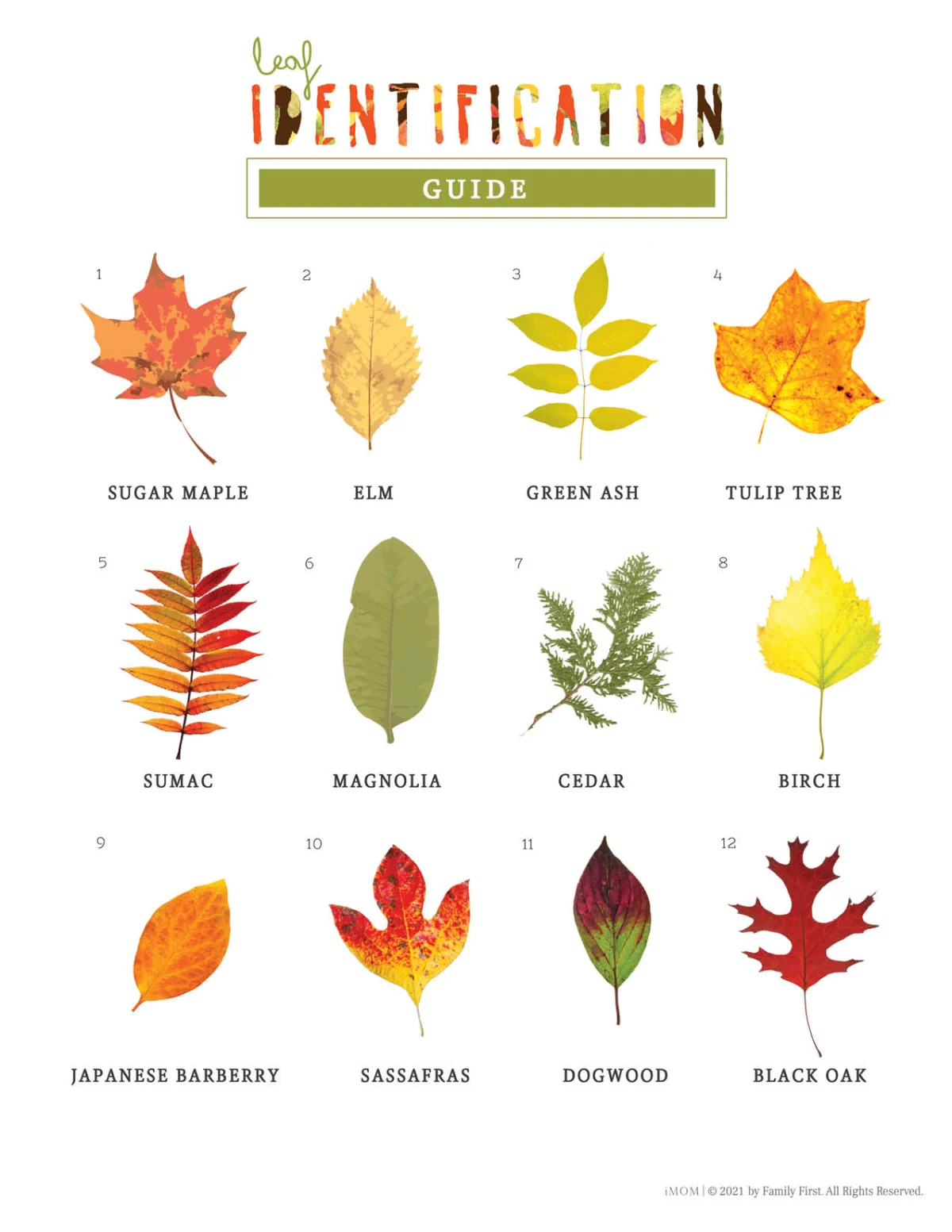
This strategy seamlessly integrates various academic disciplines into daily life. A question about the comparative strength of Pokémon cards becomes an exercise in mathematics, involving addition, subtraction, and comparative analysis of numerical values. An inquiry about a specific type of leaf encountered during a nature walk evolves into a rudimentary botany lesson, requiring observation, classification, and potentially the use of field guides or online resources. By responding with questions like, "What do you think makes your tummy growl?" or "Where could we find the answer to that?" parents empower children to become active participants in their learning journey.

The benefits extend beyond mere fact acquisition. This approach cultivates critical thinking, problem-solving skills, and scientific reasoning. It teaches children how to formulate hypotheses, gather information, and draw conclusions—skills that are transferable across all academic domains. By modeling curiosity and the joy of discovery, parents reinforce the idea that learning is an ongoing, dynamic process, not confined to textbooks or classrooms. This collaborative exploration strengthens the parent-child bond, transforming everyday interactions into shared intellectual adventures.
Project-Based Learning Rooted in Passion: From Play to Creation
The transition from passive interest to active creation marks a significant leap in a child’s learning journey. Project-based learning (PBL), when inspired by a child’s existing passions, provides an immersive and hands-on method for acquiring complex skills and knowledge. This approach encourages children to apply their understanding in practical contexts, fostering creativity, problem-solving, and resilience in the face of challenges. When children are engaged in projects they care deeply about, they are more likely to persevere through difficulties, learn from mistakes, and develop a strong sense of accomplishment.
The scope for passion-driven projects is vast and varied. A child obsessed with LEGO castles can be encouraged to develop a "tour guide" video for their creation, incorporating elements of scriptwriting, public speaking, and even rudimentary video editing. A budding culinary enthusiast, whose play involves pretend cooking, can transition to real-world recipes, learning about measurements (math), chemical reactions (science), and following instructions (literacy). A dedicated gamer can design their own board game, a task that involves crafting rules, designing game pieces, and balancing mechanics—all highly complex exercises in logic, design, and even probability.
PBL, particularly when self-directed or guided by a child’s interest, is consistently lauded by educational researchers for its ability to foster deeper learning. A report by the Buck Institute for Education (BIE) emphasizes that high-quality PBL makes learning "real" for students, allowing them to tackle authentic problems and produce meaningful outcomes. This hands-on, experiential learning environment teaches invaluable skills such as planning, execution, troubleshooting, and iteration. Children learn that failure is a part of the learning process, developing resilience and adaptability—qualities that are crucial for success in a rapidly changing world. These projects transform playtime into purposeful work, where the distinction between "play" and "learning" happily blurs.
Expanding Literacy Horizons Beyond Traditional Formats
The definition of "literacy" has expanded significantly in the digital age, encompassing not just the ability to read and write traditional texts but also to comprehend and engage with various forms of media. For children who find conventional books less appealing, embracing alternative formats like graphic novels, podcasts, and audiobooks can be a powerful gateway to developing comprehensive literacy skills. These formats offer diverse entry points to narrative, vocabulary, and critical thinking, catering to different learning styles and preferences.
Graphic novels, with their combination of visual storytelling and text, are particularly effective for building vocabulary and comprehension. Research from institutions like the National Council of Teachers of English (NCTE) indicates that the interplay between images and words in graphic novels can enhance understanding for visual learners and emergent readers, making abstract concepts more concrete. The visual cues often aid in decoding complex narratives and emotional contexts, fostering a deeper appreciation for storytelling.
Audiobooks and podcasts, meanwhile, cultivate auditory processing skills, expand vocabulary, and foster imagination. A 2024 report by the National Literacy Trust on children and young people’s listening habits highlighted that audio content can significantly spark an interest in reading, especially for struggling readers who might be daunted by the visual demands of print. Listening to stories develops narrative comprehension, exposes children to fluent reading models, and enhances their ability to follow complex plots and character development without the decoding demands of print. Programs like New Worlds Reading, which offer interest-based books in multiple formats, including graphic novels, are crucial for reaching a broader spectrum of readers.
Integrating these formats into daily routines—such as listening to audiobooks during road trips or podcasts during quiet time—provides engaging alternatives to traditional reading. Podcasts like The Unexplained Disappearance of Mars Patel demonstrate how compelling audio narratives can captivate young audiences and introduce them to complex plot structures and character arcs. By validating these diverse forms of storytelling, parents and educators reinforce that literacy is a multifaceted skill, accessible and enjoyable through various mediums.
Broader Impact and Implications for Lifelong Learning
The systematic integration of learning into children’s passions carries profound implications for their holistic development and future academic and professional success. By leveraging intrinsic motivation, these strategies foster a proactive, curious, and resilient learner who views challenges as opportunities for growth rather than obstacles. This approach moves beyond the transactional model of education, where learning is often perceived as a means to an end (e.g., good grades), towards a transformational model, where knowledge acquisition is an inherently rewarding experience.
From a cognitive perspective, children engaged in interest-driven learning demonstrate enhanced memory retention, deeper conceptual understanding, and superior problem-solving abilities. The emotional benefits are equally significant, contributing to increased self-esteem, reduced anxiety around academic tasks, and a greater sense of agency over their educational journey. For parents, this methodology transforms potential points of conflict (e.g., screen time debates) into opportunities for connection and shared discovery, strengthening family bonds and establishing a supportive learning environment.
Educational experts, such as Dr. Ken Robinson, an advocate for creativity in education, have long argued for personalized learning experiences that tap into individual talents and interests. These five strategies align perfectly with this vision, advocating for an educational paradigm that recognizes and nurtures the unique passions of each child. As society continues to evolve, demanding adaptability, critical thinking, and creativity, fostering these qualities from an early age through interest-driven, play-based learning will be paramount. The long-term implication is the cultivation of lifelong learners—individuals who are not only knowledgeable but also possess the intellectual curiosity and self-motivation to continually explore, adapt, and innovate throughout their lives. This represents a powerful shift from merely preparing children for tests to equipping them for the complexities and opportunities of the future.

