
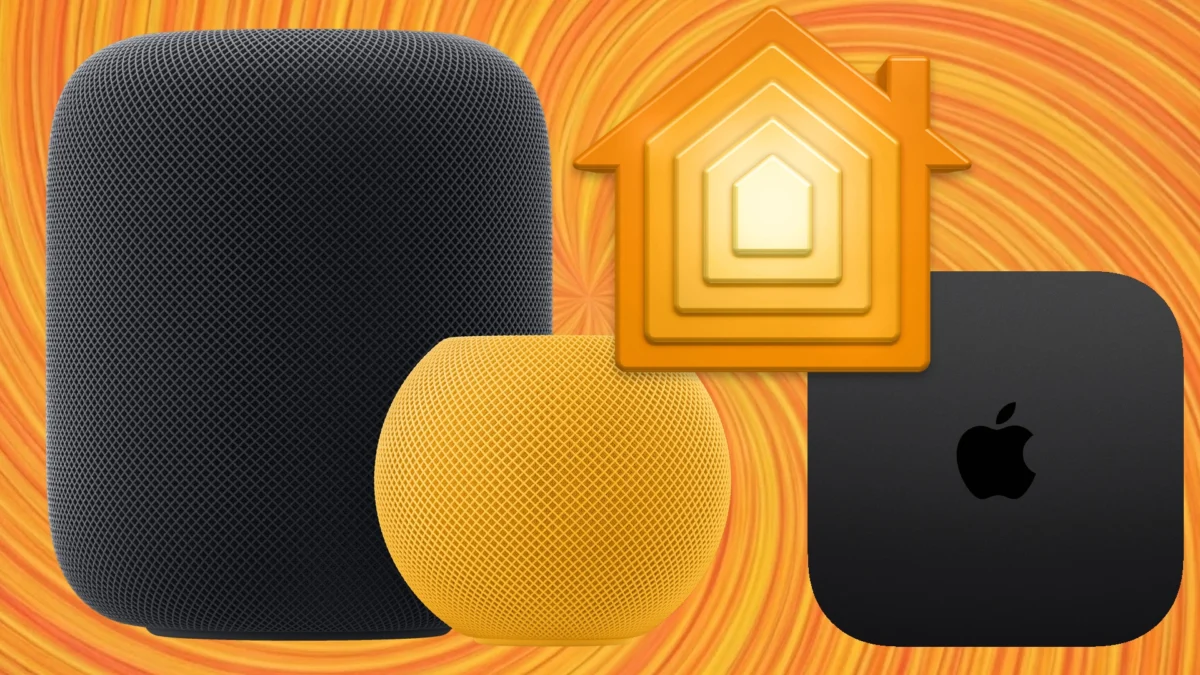
Apple is reportedly gearing up for a substantial expansion of its smart home product offerings, with internal directives signaling a significant overhaul of its retail store layouts to accommodate this ambitious push. This strategic shift, revealed through insights from Bloomberg’s Power On newsletter by Mark Gurman, indicates a deliberate effort by the technology giant to elevate its presence in the burgeoning smart home market. The company’s retail design teams are actively engaged in reconfiguring designated "Avenues" within Apple Stores. These Avenues, traditionally wall displays showcasing accessories and devices outside the core iPhone, iPad, and Mac product lines, are being expanded and re-imagined. The scale of these retail modifications suggests an initiative far beyond routine seasonal updates, pointing towards the introduction of new product categories and a bolstered portfolio of smart home solutions.
The Long-Awaited Home Hub Takes Center Stage
At the heart of this retail transformation appears to be the highly anticipated, though yet unconfirmed, "Home Hub." This device, long a subject of industry speculation, is expected to represent a new hardware category for Apple, designed to function as a central command and control center for its expanding smart home ecosystem. The increased retail footprint allocated to these displays strongly implies a significant product launch designed to capture consumer attention and facilitate hands-on interaction with Apple’s integrated smart home vision. While specific details remain under wraps, the Home Hub is rumored to manifest in two distinct physical forms. One iteration is described as a display unit resting on a half-dome base, suggesting a countertop or tabletop placement. The second form factor is reportedly designed for magnetic attachment, offering versatility for wall mounting or integration with plinths, thereby catering to diverse home aesthetics and functional needs.
Both envisioned Home Hub models are anticipated to feature a 7-inch square touchscreen display. This central interface is expected to offer intuitive control over a range of smart home devices, including lighting, thermostats, and security systems. Beyond its core control functions, the display is also slated to present personalized information such as notes and calendar appointments, and will likely double as a sophisticated digital picture frame, seamlessly blending technology with home decor. This multifaceted approach aims to position the Home Hub not just as a functional device, but as an integral and aesthetically pleasing component of the modern connected home.
The capabilities of the Home Hub are further rumored to extend to home intercom functionalities, enabling seamless communication between different rooms or devices within the home. Users will reportedly be able to access and review footage from connected security cameras directly through the Home Hub interface, enhancing home security and awareness. Control over smart locks is also expected to be a key feature, allowing for convenient remote locking and unlocking of doors. Furthermore, the integration of a built-in camera suggests the potential for FaceTime calls, transforming the Home Hub into a versatile communication and surveillance tool. This comprehensive suite of features underscores Apple’s intention to create a deeply integrated and user-friendly smart home experience.
Upgrades to Existing Smart Home Staples
In addition to the potential introduction of the Home Hub, the impending smart home push is also expected to include significant updates to Apple’s existing lineup of smart home devices. The HomePod mini, Apple’s compact smart speaker, is slated for an internal refresh rather than a radical redesign. This upgrade is anticipated to focus on enhancing its core functionalities, particularly its integration with Apple’s artificial intelligence assistant, Siri. The inclusion of advanced Siri AI features is expected to broaden the HomePod mini’s capabilities, making it a more intelligent and responsive smart home companion. Moreover, the device is rumored to incorporate support for the latest connectivity standards, including Wi-Fi 7 and Bluetooth 6. These advancements in wireless technology promise faster and more reliable network performance, crucial for a seamless smart home experience, especially as more devices become interconnected.
The Apple TV 4K, Apple’s streaming media player, is also reportedly in line for an internal upgrade. The most significant rumored enhancement is the potential integration of a more powerful chip, possibly the A17 Pro or an even newer iteration. This internal boost is expected to enable native support for advanced Siri AI features, aligning the Apple TV 4K more closely with Apple’s broader AI ambitions. Crucially, this upgrade is expected to be achieved without altering the external design of the device, maintaining a consistent aesthetic for existing users. Complementing these internal changes, separate leaks indicate that a new Siri Remote is also in development. While the exact specifications and improvements of this updated remote remain undisclosed, it is likely to offer enhanced usability and potentially new functionalities to further streamline the Apple TV and smart home control experience.
Strategic Context and Timeline
The timing of this significant retail and product overhaul is particularly noteworthy. Industry analysts have long speculated about Apple’s strategic intentions in the smart home sector. While the company has offered smart home-compatible devices for years, its approach has often been perceived as more fragmented compared to some competitors. The introduction of a dedicated Home Hub, coupled with upgrades to existing devices, suggests a concerted effort to consolidate its smart home strategy and present a more cohesive and compelling ecosystem to consumers.
The anticipated "autumn release window" for these new and updated products aligns with Apple’s typical product launch cycles. Historically, the fall season has been a period of significant product announcements and releases for the company, often coinciding with the launch of new iPhone models. This timing suggests that Apple is strategically leveraging its most prominent product introduction period to also highlight its advancements in the smart home space, thereby maximizing consumer and media attention.
The retail store redesign itself represents a substantial investment and a clear signal of commitment. Apple’s retail stores have always served as crucial touchpoints for customer engagement and product experience. By dedicating more prominent and interactive space to smart home products, Apple aims to demystify complex technology for consumers, encourage exploration, and facilitate informed purchasing decisions. The "Avenues" are designed to create immersive environments where customers can interact with devices and understand their practical applications within a home setting. This hands-on approach is vital for a product category that often benefits from direct user experience.
Supporting Data and Market Landscape
The global smart home market has experienced consistent growth over the past decade. According to Statista, the smart home market is projected to reach a revenue of $100.80 billion in 2024. The market is expected to grow annually by 10.69%, resulting in a projected market volume of $150.70 billion by 2028. Key segments within this market include smart speakers, smart lighting, smart security, and smart appliances. Apple, with its strong brand loyalty and extensive customer base, is well-positioned to capture a significant share of this expanding market.
However, Apple faces formidable competition. Established players like Amazon, with its Echo lineup and Alexa voice assistant, and Google, with its Nest devices and Google Assistant, have a significant head start in terms of market penetration and product diversity. These companies have cultivated robust smart home ecosystems and have invested heavily in developing their respective AI assistants. Furthermore, a multitude of other companies specialize in various smart home niches, offering a wide array of innovative products. Apple’s strategy appears to be focused on leveraging its strengths in design, user experience, and its integrated ecosystem of hardware and software to differentiate itself. The emphasis on privacy and security, often highlighted by Apple, could also be a key differentiator in attracting consumers who are increasingly concerned about data protection in their connected homes.
Inferred Reactions and Broader Implications
While official statements from Apple regarding these specific product plans are understandably absent at this stage, the proactive retail store preparations can be interpreted as a strong indication of the company’s strategic direction. Such significant operational shifts are typically driven by high-level product roadmaps and market analysis. Competitors, particularly Amazon and Google, are likely monitoring these developments closely. The potential introduction of a dedicated Home Hub could directly challenge existing smart speaker and smart display offerings, prompting them to accelerate their own innovation cycles or re-evaluate their product strategies.
The broader implications of Apple’s intensified focus on the smart home are significant. For consumers, it promises a more integrated and potentially more user-friendly connected home experience, particularly for those already invested in the Apple ecosystem. The emphasis on Siri AI integration suggests a move towards more proactive and intelligent home automation, where devices can anticipate user needs and respond accordingly. Furthermore, the potential for enhanced interoperability between Apple devices and third-party smart home products could lead to a more open and less fragmented smart home market, a long-standing challenge for the industry.
The success of this smart home offensive will hinge on several factors. The perceived value proposition of the Home Hub, its pricing, and the seamless integration of all new and existing smart home products will be critical. Apple’s ability to clearly communicate the benefits of its ecosystem and address potential consumer concerns regarding privacy and complexity will also play a pivotal role. As the anticipated autumn release window approaches, further details are expected to emerge, shedding more light on Apple’s ambitious plans to redefine the connected home experience. The investment in retail space is a tangible commitment, signaling that Apple is not merely dabbling in the smart home market but is positioning itself for a significant and sustained presence.

