
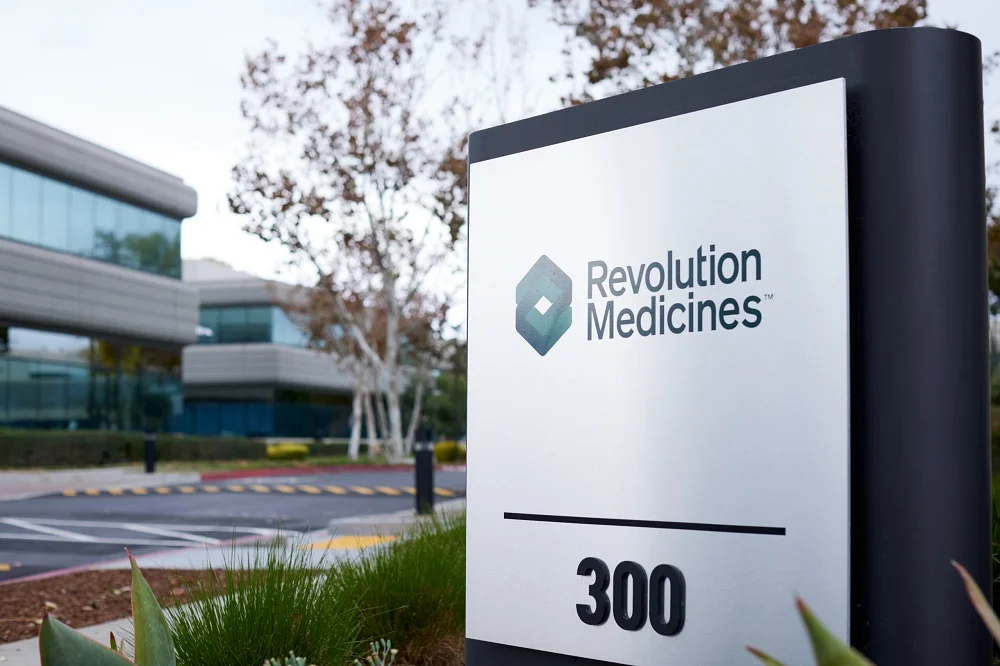
The U.S. Food and Drug Administration has granted approval to Rasonque, a first-in-class targeted therapy developed by Revolution Medicines, marking a historic milestone in the treatment of metastatic pancreatic cancer. Known during its clinical development as daraxonrasib, the once-daily oral medication is designed to inhibit the mutated RAS proteins that drive the progression of this notoriously aggressive malignancy. This regulatory milestone represents the first time a targeted small-molecule inhibitor has demonstrated a significant survival benefit in a broad population of patients with the most common form of pancreatic cancer, providing a critical alternative to traditional cytotoxic chemotherapy.
The FDA’s decision specifically authorizes Rasonque for the treatment of adult patients with metastatic pancreatic adenocarcinoma who have previously received at least one systemic therapy. The approval is further refined to include patients who are not suitable candidates for multi-agent systemic regimens, addressing a significant unmet need in the second-line setting where therapeutic options have historically been limited and prognosis remains poor.
A Breakthrough in Targeting the "Undruggable" RAS Protein
For decades, the RAS family of proteins—which includes KRAS, HRAS, and NRAS—was considered "undruggable" by the oncology community. RAS proteins function as molecular switches that regulate essential cellular processes, including growth, division, and differentiation. In a healthy state, these proteins cycle between an "on" state (bound to GTP) and an "off" state (bound to GDP). However, mutations in the RAS gene can lock the protein in the "on" position, leading to the continuous, unregulated signaling that fuels tumor growth and metastasis.
While previous breakthroughs by companies such as Amgen and Bristol Myers Squibb successfully targeted the KRAS G12C mutation, those inhibitors were limited by their mechanism of action. Those earlier drugs were designed to bind to the protein only when it was in its inactive or "off" state. Furthermore, the G12C mutation accounts for only a small fraction of pancreatic cancer cases.
Revolution Medicines, based in Redwood City, California, pivoted from this traditional approach by engineering Rasonque to target multiple variants of the RAS protein while they are in the active, or "on," state. This "multi-RAS" inhibition strategy allows the drug to address a wider array of mutations common in pancreatic cancer, such as G12D and G12V, which are prevalent in the vast majority of patients with pancreatic ductal adenocarcinoma (PDAC).
Clinical Efficacy: The RASOLUTE-302 Phase 3 Trial
The regulatory submission for Rasonque was supported by data from the RASOLUTE-302 clinical trial, a global, open-label Phase 3 study that enrolled 500 adult patients. All participants had metastatic pancreatic adenocarcinoma and had experienced disease progression following at least one prior line of systemic therapy. The trial was designed to compare the efficacy of daraxonrasib against the investigator’s choice of standard-of-care chemotherapy.
The results, which were first previewed in April and later detailed during a plenary session at the American Society of Clinical Oncology (ASCO) annual meeting, were described by many in the field as "unprecedented." The primary endpoints of the study were overall survival (OS) and progression-free survival (PFS).
According to the final data published in the New England Journal of Medicine, patients treated with Rasonque achieved a median overall survival of 13.2 months. In contrast, the group receiving standard chemotherapy recorded a median overall survival of only 6.7 months. This near-doubling of life expectancy is particularly significant in the context of pancreatic cancer, where second-line treatments rarely offer substantial survival extensions.
Furthermore, the median progression-free survival for the Rasonque arm was 7.2 months, compared to 3.6 months for the chemotherapy arm. The presentation of these findings at ASCO resulted in a rare standing ovation from the assembly of oncologists and researchers, highlighting the clinical community’s recognition of the drug’s potential to shift the standard of care.
Safety Profile and Patient Tolerability
While Rasonque demonstrated superior efficacy, the clinical trial also closely monitored the safety and tolerability of the once-daily pill. The most frequently reported adverse events associated with the drug included rash, diarrhea, and stomatitis (inflammation of the mucous membranes in the mouth). Other common side effects noted by investigators included nausea, fatigue, and vomiting.
Despite these side effects, the safety profile was generally considered manageable within the context of advanced cancer treatment. Most adverse events were categorized as Grade 1 or 2, and the discontinuation rate due to drug-related toxicity was reportedly lower than that typically seen with intensive multi-agent chemotherapy regimens. The oral administration of Rasonque also offers a significant quality-of-life advantage over intravenous chemotherapy, allowing patients to receive treatment in a home setting rather than requiring frequent hospital visits.
The Regulatory Pathway: A National Priority
The approval of Rasonque was achieved through an accelerated regulatory pathway facilitated by a "Commissioner’s National Priority Voucher" (CNPV). This pilot program was established to expedite the review of medicines deemed to be in the national interest, particularly those targeting life-threatening diseases with few effective treatments.
The FDA accepted Revolution Medicines’ New Drug Application (NDA) in late July, and the use of the voucher allowed the agency to complete its review in a fraction of the standard ten-month window. Acting FDA Commissioner Kyle Diamantas emphasized the agency’s commitment to prioritizing such breakthroughs.
"Today’s approval provides a critical new option for patients facing an extraordinarily difficult and historically hard-to-treat cancer," Diamantas stated. "It is our fundamental duty to deliver more cures and meaningful treatments to patients as quickly as possible, especially when the clinical data demonstrates such a clear and profound benefit."
Economic Impact and Market Position
Revolution Medicines enters the commercial market in a strong financial position to support the launch of Rasonque. As of June 30, the company reported a cash balance of approximately $3.9 billion, a reserve built through strategic capital raises and investor confidence following the release of the Phase 3 data.
While the company has not yet disclosed the official list price for Rasonque, analysts expect the drug to be priced in line with other high-value targeted oncology therapies. The commercial rollout is expected to begin immediately in the United States, with Revolution Medicines also seeking regulatory approval in international markets. The European Medicines Agency (EMA) is currently conducting an expedited review of the drug, which could lead to a marketing authorization in Europe by early next year.
The success of Rasonque is also seen as a validation of Revolution Medicines’ broader pipeline. The company is currently investigating daraxonrasib in several other clinical settings, including its potential use as a first-line treatment for pancreatic cancer and as an adjuvant therapy to prevent recurrence following surgical resection.
Broader Implications for Oncology
The approval of Rasonque is expected to have far-reaching implications for the treatment of solid tumors beyond pancreatic cancer. RAS mutations are present in approximately 30% of all human cancers, including high percentages of colorectal and lung cancers. Revolution Medicines is already conducting a pivotal study testing the molecule as a second- or third-line treatment for metastatic non-small cell lung cancer (NSCLC), and Phase 1/2 studies are exploring its use in combination with other targeted agents and immunotherapies.
Medical experts suggest that the ability to successfully inhibit the "on" state of multiple RAS variants could pave the way for a new era of precision medicine. By moving away from "one-size-fits-all" chemotherapy and toward therapies that target the specific genetic drivers of a patient’s tumor, the oncology field is moving closer to managing advanced cancers as chronic, rather than terminal, conditions.
Background: The Burden of Pancreatic Cancer
Pancreatic cancer remains one of the most lethal malignancies worldwide. In the United States, approximately 67,500 new cases are diagnosed annually. Pancreatic adenocarcinoma, the specific type targeted by Rasonque, accounts for 90% to 95% of these diagnoses.
The disease is notoriously difficult to detect in its early stages because the pancreas is located deep within the abdomen, and symptoms often do not appear until the cancer has metastasized to other organs. Consequently, many patients are diagnosed with late-stage disease, contributing to a five-year survival rate that has historically hovered around 12% to 13%.
For decades, the standard of care for advanced pancreatic cancer has relied on various combinations of chemotherapy, such as gemcitabine plus nab-paclitaxel or the FOLFIRINOX regimen. While these treatments can shrink tumors and extend life for some months, they often come with severe systemic toxicity. The introduction of Rasonque as a targeted, oral alternative represents the first major shift in this treatment paradigm in over a decade.
As Revolution Medicines prepares for the global distribution of Rasonque, the medical community remains focused on the long-term data and the potential for the drug to be integrated into earlier stages of treatment. For now, the FDA’s approval stands as a beacon of progress for thousands of patients and families affected by a disease that has long been synonymous with a lack of hope.

