
The U.S. Food and Drug Administration (FDA) has granted approval to Johnson & Johnson’s Imaavy (nipocalimab) for the treatment of warm autoimmune hemolytic anemia (wAIHA) in patients aged 12 and older, marking a historic milestone as the first therapy specifically indicated for this rare and potentially life-threatening blood disorder. Announced following the close of market on Monday, the regulatory decision addresses a significant unmet medical need for a patient population that, until now, relied on broad-spectrum immunosuppressants and off-label treatments that failed to target the underlying mechanism of the disease. Imaavy, a monoclonal antibody administered via intravenous infusion, represents a paradigm shift in hematology by utilizing a targeted approach to reduce the pathogenic autoantibodies responsible for the destruction of red blood cells.
The Pathophysiology of Warm Autoimmune Hemolytic Anemia
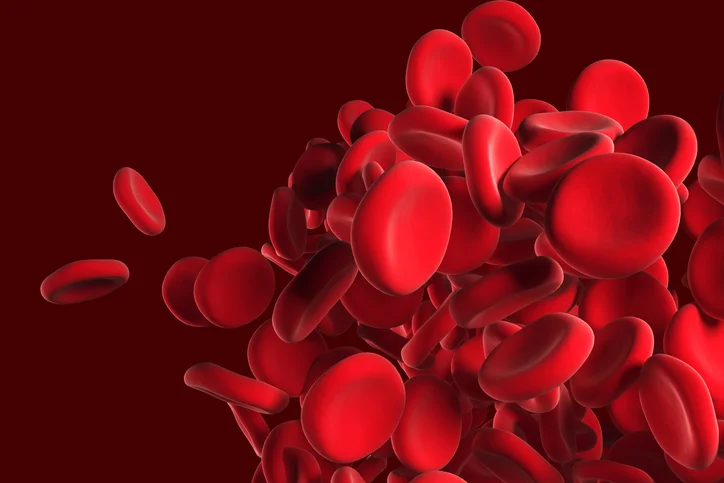
Warm autoimmune hemolytic anemia is a rare immunological disorder characterized by the premature destruction of healthy red blood cells, a process known as hemolysis. In patients with wAIHA, the immune system erroneously produces autoantibodies—typically of the immunoglobulin G (IgG) class—that bind to red blood cells. This binding occurs most effectively at normal body temperature, hence the designation "warm," distinguishing it from cold agglutinin disease, which involves antibodies that react at lower temperatures.
Once these autoantibodies attach to the red blood cells, the cells are recognized as foreign by the spleen and other parts of the reticuloendothelial system, leading to their destruction. The resulting anemia can be profound and rapid in onset. Symptoms often include extreme fatigue, jaundice, shortness of breath, and palpitations. In severe or chronic cases, the lack of sufficient oxygen-carrying capacity in the blood places an immense strain on the cardiovascular and respiratory systems. If left uncontrolled, the condition can lead to heart failure, severe thromboembolic events, or death.
Historically, the management of wAIHA has been a challenge for hematologists. The standard of care has long consisted of high-dose corticosteroids, such as prednisone, which aim to dampen the overall immune response. While effective for some, many patients become refractory to steroids or suffer from debilitating side effects, including weight gain, diabetes, osteoporosis, and increased infection risk. Second-line options have included splenectomy or the off-label use of rituximab and other immunosuppressive agents, none of which were specifically designed for or FDA-approved to treat the unique drivers of wAIHA.
Mechanism of Action: The Role of the Neonatal Fc Receptor
Imaavy distinguishes itself through its specific mechanism of action, which targets the neonatal Fc receptor (FcRn). The FcRn plays a critical role in the body’s immune system by regulating the half-life of IgG antibodies. Under normal physiological conditions, FcRn binds to IgG antibodies and prevents them from being degraded by lysosomes, instead recycling them back into the bloodstream. While this process is essential for maintaining protective immunity against pathogens, it becomes detrimental in autoimmune diseases where the circulating IgG antibodies are pathogenic.
By binding to FcRn with high affinity, Imaavy blocks the receptor’s ability to interact with IgG. This inhibition prevents the recycling of autoantibodies, effectively "clearing" them from the system. As the concentration of pathogenic IgG decreases, the destruction of red blood cells slows, allowing the patient’s hemoglobin levels to stabilize and rise. This approach is considered "upstream" compared to broad immunosuppression, as it specifically targets the circulating proteins causing the damage rather than suppressing the entire cellular immune system.
Clinical Trial Data and Efficacy Results
The FDA’s approval was supported by robust data from a pivotal Phase 2/3 multicenter, randomized, double-blind, placebo-controlled study. The trial enrolled 115 participants, including both adults and adolescents, who had been diagnosed with wAIHA and had shown an inadequate response to existing therapies.
The primary endpoint of the study was a "durable hemoglobin response," defined as a significant increase in hemoglobin levels (typically measured as an increase of 2 g/dL or more from baseline) that was maintained through week 24 of the treatment period without the need for rescue therapy or blood transfusions. The results demonstrated that a significantly higher proportion of patients treated with Imaavy achieved this durable response compared to those in the placebo group.
Furthermore, the data indicated a rapid onset of effect, with many patients showing improvements in hemoglobin levels within the first few weeks of treatment. This rapid stabilization is particularly critical in wAIHA, where sudden "flares" can lead to emergency hospitalizations. In terms of safety, the most frequently reported adverse reactions among trial participants included peripheral edema (swelling of the extremities), diarrhea, and pyrexia (fever). The safety profile was generally consistent with previous studies of nipocalimab in other indications, with most adverse events being mild to moderate in severity.
The full results of this pivotal study were a highlight of the annual meeting of the European Hematology Association (EHA) in June, where clinical investigators emphasized the drug’s potential to provide a long-term solution for patients who have failed multiple lines of prior therapy.
Strategic Significance for Johnson & Johnson
The approval of Imaavy for wAIHA is a cornerstone of Johnson & Johnson’s broader strategy to dominate the immunology market. The drug was the centerpiece of J&J’s $6.5 billion acquisition of Momenta Pharmaceuticals in 2020. At the time of the acquisition, J&J identified nipocalimab as a "pipeline in a drug," citing its potential to treat dozens of rare autoantibody-driven diseases.
This is the second FDA approval for Imaavy. It was initially approved in 2025 for the treatment of generalized myasthenia gravis (gMG), another condition driven by pathogenic IgG antibodies. By expanding the label to include wAIHA, J&J is tapping into a market with high unmet needs and limited competition. Industry analysts and J&J executives have projected that Imaavy could reach peak annual sales of $5 billion, driven by its versatility across multiple medical specialties, including neurology, hematology, and rheumatology.
In its most recent financial disclosures, Johnson & Johnson noted that its immunology segment is a primary driver of growth. While individual sales for Imaavy are not yet broken out as a separate line item, the company reported that its "new immunology assets"—which include Imaavy and the recently approved oral plaque psoriasis medication Icotyde—generated $150 million in global revenue in the first half of 2026. This is a staggering increase from the $9 million reported in the same period the previous year, signaling a rapid commercial uptake.
Chronology of Development and Regulatory Milestones
The journey of nipocalimab from a laboratory concept to an FDA-approved therapy for wAIHA spans over a decade of research and strategic investment:
- 2010s: Momenta Pharmaceuticals develops M281 (later nipocalimab), focusing on the biology of FcRn and its role in autoimmune disease.
- August 2020: Johnson & Johnson announces the acquisition of Momenta Pharmaceuticals for approximately $6.5 billion, specifically to acquire the rights to nipocalimab.
- 2021–2023: J&J initiates a series of Phase 2 and Phase 3 trials across a variety of indications, including gMG, wAIHA, and hemolytic disease of the fetus and newborn (HDFN).
- May 2025: The FDA grants the first approval for Imaavy for the treatment of generalized myasthenia gravis.
- June 2026: Pivotal Phase 2/3 data for wAIHA are presented at the European Hematology Association meeting, showing superior durable hemoglobin responses.
- Monday (Post-Market): The FDA officially approves Imaavy as the first-ever treatment for wAIHA in patients aged 12 and older.
Broader Implications for the Medical Community and Patients
The approval of Imaavy is expected to change the clinical guidelines for the management of wAIHA. David Lee, J&J’s Global Immunology Therapeutic Area Head, stated that the drug has the potential to "redefine the management" of the disease. For clinicians, the availability of an FDA-approved therapy provides a validated pathway for treatment, moving away from the "trial and error" approach of off-label prescribing.
For patients, the approval offers hope for a better quality of life. The chronic nature of wAIHA often means patients live in a state of constant uncertainty, fearing the next drop in hemoglobin that could lead to a hospital stay. A targeted therapy that provides a durable response could allow patients to reduce or eliminate their dependence on high-dose steroids, thereby avoiding long-term complications like bone loss and metabolic issues.
Looking ahead, Johnson & Johnson is not stopping at wAIHA. The clinical program for Imaavy remains one of the most ambitious in the pharmaceutical industry. Ongoing studies are investigating its efficacy in maternal-fetal medicine, specifically for preventing HDFN, a condition where a mother’s antibodies attack her unborn baby’s blood cells. If successful, Imaavy could become the first non-surgical, non-invasive treatment for this devastating condition. Additionally, the drug is being studied in various rheumatologic and rare autoantibody-mediated diseases, further solidifying its role as a versatile tool in the modern immunological toolkit.
As the healthcare industry continues to move toward precision medicine, the success of Imaavy underscores the value of understanding molecular pathways. By focusing on the recycling mechanism of antibodies rather than simply suppressing the immune system’s ability to produce them, Johnson & Johnson has provided a more refined and effective option for those battling rare and dangerous blood disorders.

