
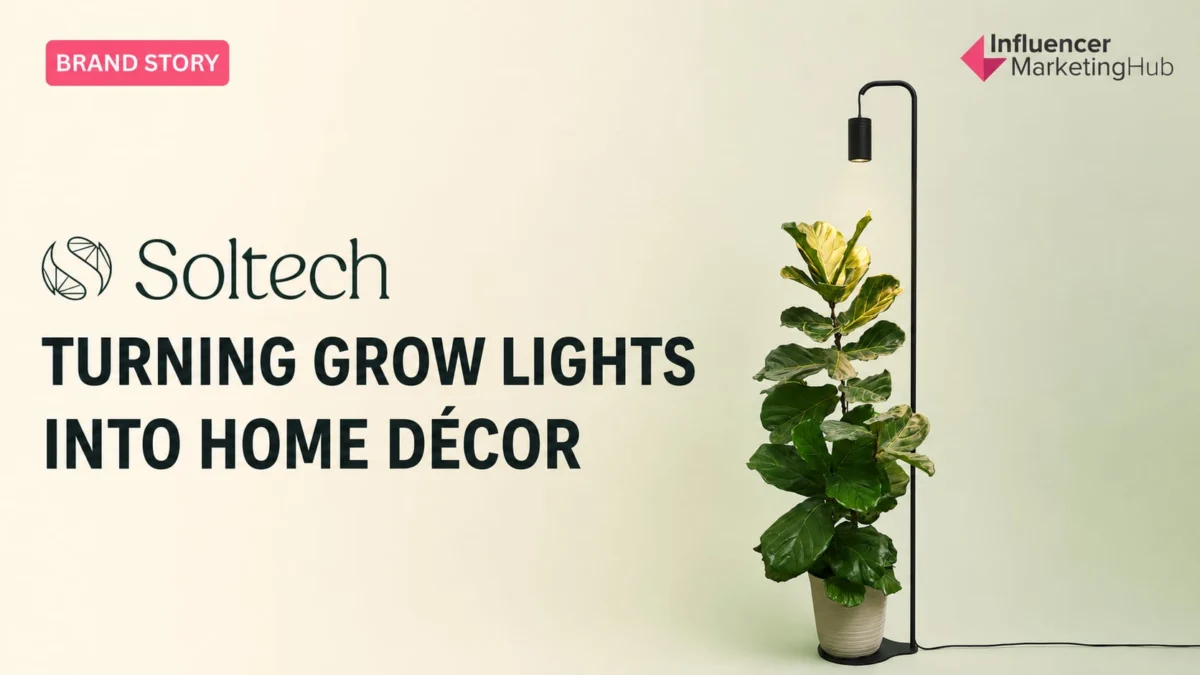
The market for indoor plant care, once a niche dominated by hobbyists, has exploded in recent years, creating a fertile ground for innovation and, crucially, for new marketing approaches. Soltech, a leading manufacturer of horticultural lighting, has successfully navigated this evolving landscape by repositioning its grow lights from utilitarian agricultural tools into sophisticated home décor, a transformation largely achieved through a meticulously executed influencer marketing campaign featuring "plant creators." This strategic pivot not only significantly boosted Soltech’s market presence but also set a new precedent for how specialized products can integrate into mainstream lifestyle aesthetics.
The Challenge: Redefining a Functional Product for Aesthetic Integration
For decades, grow lights were primarily designed for functionality. Their bulky, industrial appearance, often emitting harsh, purple-hued light, rendered them unsuitable for visible placement in modern homes. However, the burgeoning "plant parent" movement, accelerated by global events that saw more people spending time indoors and cultivating green spaces, revealed a significant market gap. Enthusiasts sought solutions to keep their beloved plants thriving, especially in less-than-ideal lighting conditions, but were increasingly unwilling to compromise on interior aesthetics. This presented Soltech with a dual challenge: to maintain the high performance of their lighting technology while simultaneously reinventing its visual appeal to align with contemporary home design trends.
Prior to their strategic shift, Soltech’s products, while technically superior, faced an uphill battle in the consumer home market. Market research conducted by Soltech in late 2024 indicated that while 78% of indoor plant owners expressed a desire for supplemental lighting, only 15% were actively using grow lights. A staggering 60% of non-users cited "unattractive appearance" and "disruptive light spectrum" as primary deterrents. This data underscored the critical need for a product redesign alongside a robust marketing strategy that could alter public perception. The company recognized that traditional advertising, focusing solely on lumens and PAR values, would fail to capture the aspirational lifestyle element that the modern plant parent embodied.
The Rise of the Plant Creator Economy
The digital age has fostered the growth of hyper-specific communities, and the indoor plant niche is no exception. Platforms like Instagram, TikTok, and YouTube became vibrant hubs for "plant creators" – individuals who share their passion for horticulture, offer care tips, showcase their plant collections, and often curate their living spaces with biophilic design principles. These creators, ranging from micro-influencers with highly engaged, niche audiences to macro-influencers with broader reach, had cultivated trust and authority within their communities. Their content often blended plant care with interior design, making them ideal partners for Soltech’s rebranding efforts.
A study by Influencer Marketing Hub in early 2025 highlighted the escalating influence of these specialized creators. It found that plant-related content saw a 150% increase in engagement over the previous two years, with creators often achieving conversion rates up to three times higher than general lifestyle influencers when promoting relevant products. This data strongly supported Soltech’s hypothesis that leveraging these authentic voices would be more effective than broad-stroke campaigns. The plant creator economy represented not just a marketing channel, but a cultural phenomenon capable of shaping consumer preferences and dissolving long-held product stereotypes.
Crafting the Strategy: Authentic Integration
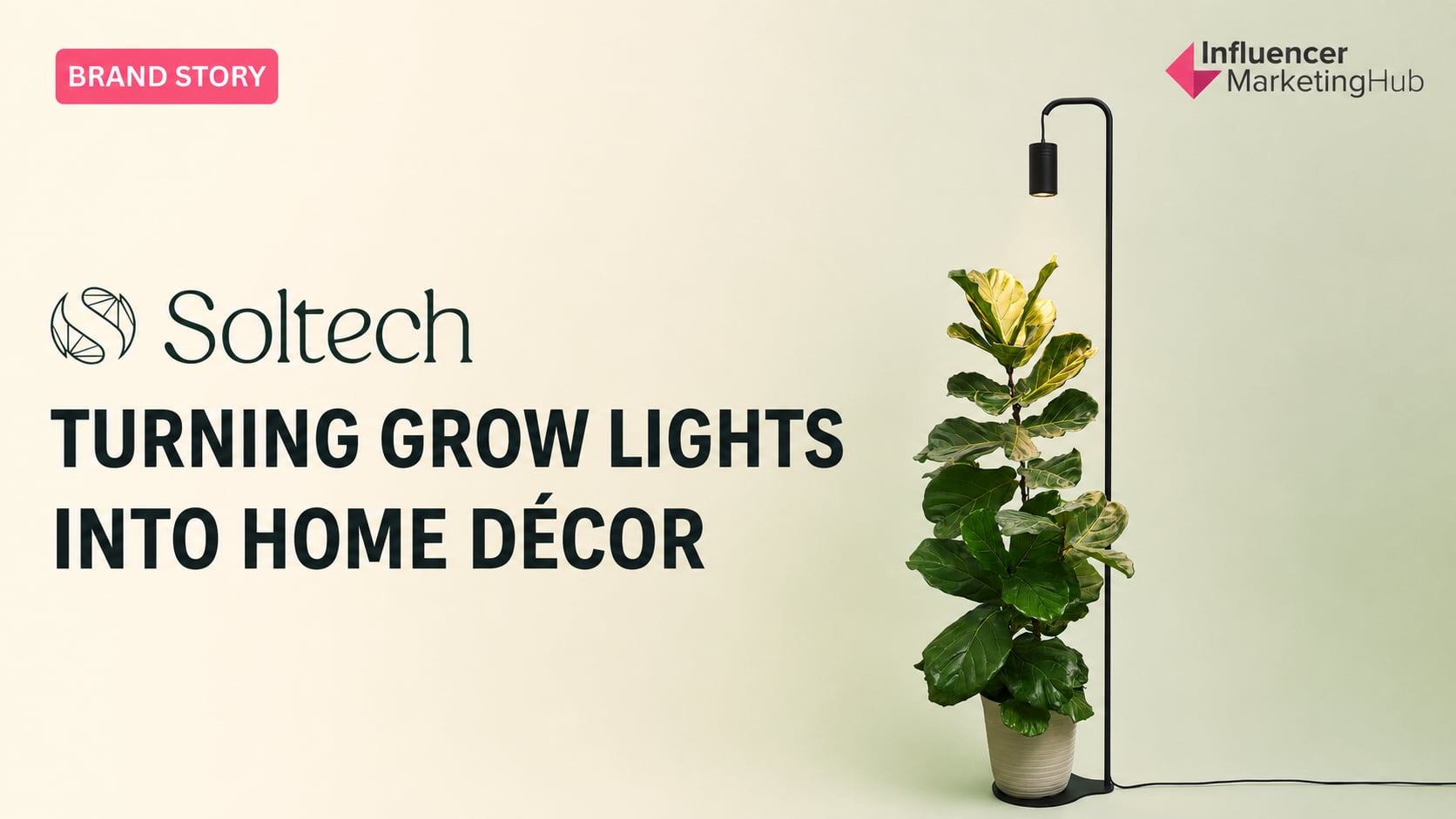
Soltech’s strategy, developed in early 2025, hinged on authenticity and seamless integration. Instead of merely paying creators for sponsored posts, Soltech aimed for genuine collaboration, positioning their new line of sleek, minimalist grow lights—which featured full-spectrum white light and elegant fixture designs—as essential yet beautiful elements of a well-curated home. The core message was simple: grow lights could enhance, not detract from, interior design.
The campaign focused on several key objectives:
- Aesthetic Repositioning: To demonstrate how Soltech lights could blend harmoniously with various home décor styles, from bohemian to minimalist.
- Educational Content: To subtly educate consumers on the benefits of supplemental lighting without making the products seem overly technical or intimidating.
- Community Building: To foster a sense of shared passion among plant enthusiasts and encourage user-generated content (UGC).
- Direct-to-Consumer Sales Growth: To translate increased brand awareness and positive perception into tangible sales.
The company meticulously selected a diverse group of 50 plant creators across different tiers, prioritizing those whose aesthetic aligned with Soltech’s new brand vision and who had a proven track record of authentic engagement. Agreements stipulated that creators would integrate the lights into their personal plant displays, sharing "before and after" scenarios, daily plant care routines, and interior design tips, thereby showcasing the product’s functionality and form factor in real-world settings.
Campaign Execution and Phased Rollout
The campaign officially launched in Q3 2025, commencing with a "soft launch" involving a smaller cohort of micro-influencers. This initial phase allowed Soltech to test messaging, evaluate content performance, and fine-tune their approach based on early feedback. Creators shared unboxing videos, "grow light tours" of their homes, and time-lapse footage demonstrating the positive impact on their plants. The visual emphasis was always on how the lights enhanced the overall ambiance of the space, rather than just serving a utilitarian purpose.
By Q4 2025, the campaign expanded to include macro-influencers, generating a broader reach. These creators often hosted Q&A sessions, live plant care workshops featuring Soltech lights, and curated "plant corner makeovers" that prominently featured the products. Soltech also initiated a hashtag campaign, #SoltechStyle and #GrowWithGrace, encouraging followers to share their own beautifully lit plant displays. This generated a wealth of user-generated content, further amplifying the campaign’s reach and validating the aesthetic appeal of the products.
A crucial element of the rollout was Soltech’s commitment to providing comprehensive product information and support to both creators and their audiences. Each influencer was equipped with detailed FAQs and direct access to Soltech’s product specialists, ensuring that any technical questions could be accurately and promptly addressed, reinforcing the brand’s credibility.
Quantifying Success: Metrics and Market Impact
The results of Soltech’s influencer marketing campaign were significant and multifaceted. By the end of Q1 2026, Soltech reported a 280% increase in direct-to-consumer sales for their redesigned grow light lines compared to the previous year. Website traffic saw a 350% surge, with an average session duration increasing by 45%, indicating deeper engagement.
Key performance indicators from the influencer collaborations included:
- Engagement Rate: An average engagement rate of 7.2% across all influencer posts, significantly higher than the industry average of 3-5% for sponsored content.
- Reach and Impressions: Over 75 million impressions generated across Instagram, TikTok, and YouTube within the first six months.
- Brand Sentiment: A qualitative analysis of social media mentions showed a dramatic shift in brand perception. Terms like "stylish," "elegant," "discreet," and "beautiful" became frequently associated with Soltech products, replacing previous associations with "functional" or "industrial."
- Search Term Evolution: Google Trends data revealed a 180% increase in searches for phrases like "aesthetic grow light," "designer plant light," and "integrated grow light solutions," demonstrating a clear shift in consumer demand towards visually appealing options. Soltech became the top-ranked brand for these emerging search terms.
- User-Generated Content: The #SoltechStyle hashtag garnered over 50,000 unique posts from consumers, showcasing their own creative uses of the lights and forming a vibrant online community.
Furthermore, Soltech observed a notable increase in customer lifetime value (CLTV) among customers acquired through influencer channels, suggesting that these customers were not just making a one-time purchase but were integrating Soltech into their long-term plant care and home décor strategies.
Voices from the Campaign: Soltech and Creators Speak
"We knew we had a superior product, but we also recognized that the aesthetic barrier was holding us back from a broader market," stated Emily Chen, Soltech’s Chief Marketing Officer, in a recent interview. "Our collaboration with plant creators wasn’t just about reach; it was about trust and authenticity. They allowed us to tell a story: that you don’t have to choose between thriving plants and a beautiful home. The creators integrated our lights so seamlessly that they became part of the aspirational lifestyle our customers were already seeking."
One of the prominent plant creators involved in the campaign, ‘The Urban Botanist’ (known as @urbanbotanist_official on Instagram), commented, "When Soltech approached me, I was initially skeptical, having seen many clunky grow lights. But their new designs genuinely impressed me. It felt natural to incorporate them into my content because they truly elevated my plant displays. My audience responded incredibly well because they saw how these lights could solve a real problem—keeping plants healthy—without sacrificing their home’s aesthetic."
Dr. Liam O’Connell, a marketing analyst specializing in consumer trends, provided an external perspective: "Soltech’s campaign is a textbook example of successful product repositioning through niche influencer marketing. They understood that in today’s market, consumers buy into a lifestyle as much as they buy a product. By partnering with creators who embodied that lifestyle, Soltech didn’t just sell grow lights; they sold a vision of elegant, thriving indoor spaces. This approach bypasses traditional advertising fatigue and leverages genuine advocacy, which is invaluable."
Broader Implications for Niche Marketing and Home Aesthetics
Soltech’s success has several far-reaching implications. Firstly, it underscores the immense power of niche influencer marketing for specialized products. Rather than aiming for broad, generalized appeal, identifying and collaborating with authentic voices within a specific community can yield significantly higher engagement and conversion rates, proving more cost-effective and impactful than traditional mass marketing. It highlights the importance of understanding the micro-cultures that exist within larger consumer segments.
Secondly, the campaign demonstrates a significant shift in consumer expectations regarding functional home products. There’s a growing demand for items that are not only effective but also aesthetically pleasing and seamlessly integrated into interior design. This trend, often referred to as "design-led functionality," suggests that manufacturers across various industries may need to invest more heavily in product design and holistic brand experiences. Grow lights are no longer just for greenhouses; they are becoming pieces of sculptural art that nurture life.
Finally, Soltech’s strategy reinforces the continued growth and professionalization of the creator economy. As brands become more sophisticated in their influencer collaborations, creators are evolving into genuine brand partners, offering invaluable insights into their audiences and co-creating content that resonates deeply. This symbiotic relationship pushes the boundaries of marketing, creating more authentic and engaging consumer experiences.
The Future of Functional Design and Influencer Collaboration
Looking ahead, Soltech plans to expand its product lines, incorporating smart home technology and even more customizable design options, further solidifying its position at the intersection of horticulture and home décor. The company also intends to deepen its relationships with plant creators, exploring new content formats and collaborative product development opportunities.
The case of Soltech and its plant creators serves as a compelling narrative of how innovative marketing, combined with thoughtful product design, can transform a functional item into a coveted lifestyle accessory. It illustrates a future where every product, no matter how specialized, has the potential to be reimagined and integrated into the fabric of modern living through the power of authentic influence. The humble grow light, once relegated to basements and greenhouses, has truly found its place in the sun—and in the living room.

