
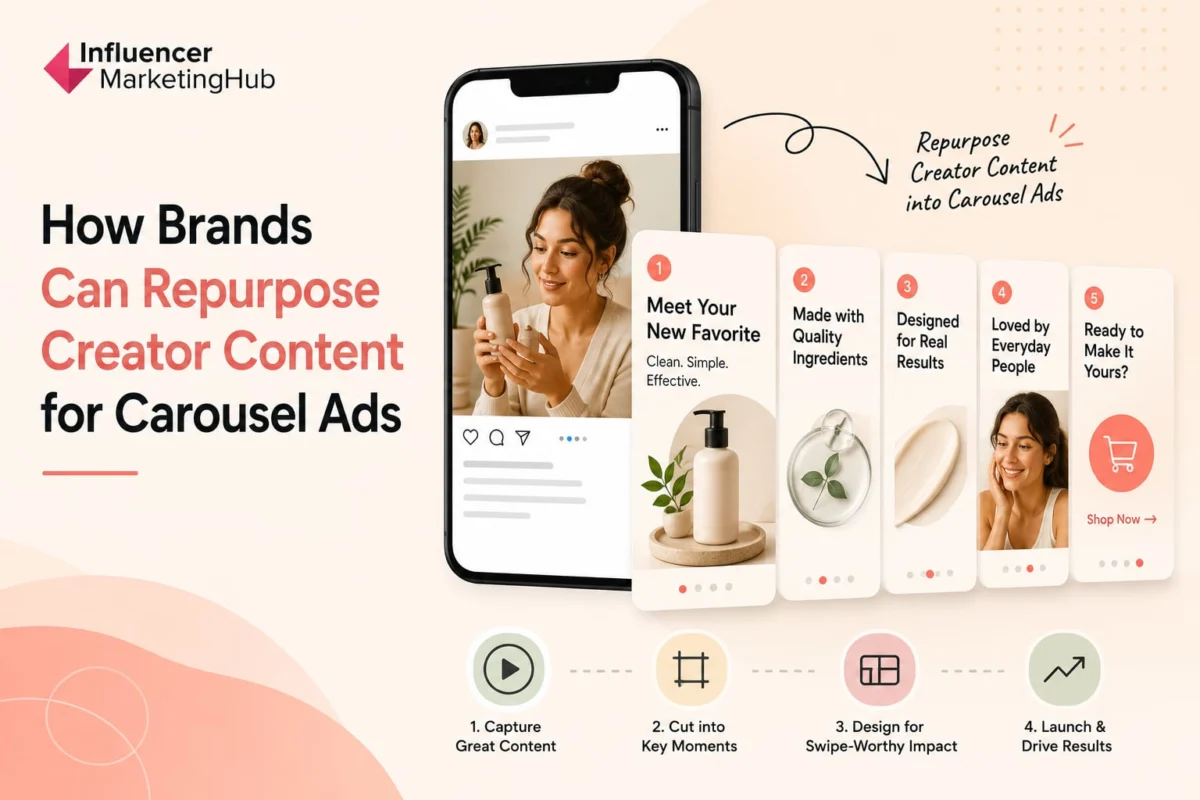
In an increasingly fragmented digital advertising landscape, brands are strategically pivoting towards more authentic and engaging content formats, with the repurposing of creator-generated content for carousel advertisements emerging as a powerful and cost-effective methodology. This approach leverages the inherent trust and engagement built by individual creators to enhance brand messaging, drive higher conversion rates, and optimize advertising spend across major platforms. The integration of authentic, influencer-generated content (IGC) into structured ad campaigns represents a significant evolution in digital marketing, moving beyond traditional, highly produced brand assets to embrace content that resonates more deeply with target audiences.
The Strategic Imperative: Why Repurpose Creator Content?
The shift towards repurposing creator content is not merely a trend but a strategic imperative driven by fundamental changes in consumer behavior and advertising effectiveness. Traditional advertising models often struggle with ad fatigue and a lack of authenticity, prompting brands to seek more organic and credible avenues for communication.
- Authenticity and Trust: A cornerstone of modern marketing is trust. Consumers are increasingly skeptical of direct brand messaging, often perceiving it as biased. Influencer marketing, by contrast, thrives on the perceived authenticity of creators. Studies consistently show that consumers trust recommendations from influencers almost as much as those from friends and family. Repurposing this content for carousel ads allows brands to imbue their paid media with this hard-won credibility. Data from various marketing intelligence firms indicates that content featuring real people, particularly those with established credibility, significantly outperforms generic stock imagery or overly polished brand commercials in terms of engagement and memorability. For instance, a 2023 survey revealed that over 60% of consumers are more likely to consider a product after seeing it used by an influencer they follow, underscoring the intrinsic value of IGC.
- Enhanced Engagement and Storytelling: Carousel ads, by their very nature, are designed for storytelling. They allow brands to showcase multiple product features, present a sequential narrative, or display various aspects of a service within a single ad unit. When populated with diverse creator content—ranging from unboxing videos and product demonstrations to lifestyle shots and testimonials—carousels become highly interactive mini-campaigns. This multi-panel format encourages users to swipe, spending more time engaging with the ad, which platforms often interpret as a signal of high-quality content, potentially improving ad relevance scores and reducing cost-per-click. This format is particularly effective on platforms like Instagram and Facebook, where visual storytelling is paramount.
- Cost-Efficiency and Scalability: Producing high-quality advertising assets can be resource-intensive, requiring significant investment in videography, photography, and creative direction. By licensing and repurposing content already created by influencers, brands can drastically reduce production costs. Influencers, especially those with established followings and content production capabilities, often deliver professional-grade content as part of their standard collaboration agreements. This existing library of assets can then be strategically deployed across multiple ad campaigns, extending the lifecycle and return on investment of initial influencer partnerships. Furthermore, the sheer volume of content available from a robust influencer program offers unparalleled scalability for ad campaigns, allowing brands to continuously refresh creatives without incurring new production overheads.
- Improved Performance Marketing Metrics: The authentic nature of IGC often translates directly into superior performance marketing outcomes. Carousel ads featuring creator content frequently exhibit higher click-through rates (CTRs) and conversion rates compared to ads utilizing traditional brand-produced imagery. This is partly due to the content’s organic feel and partly because it often addresses common consumer questions or showcases product benefits in a relatable context. By presenting a mini-narrative or multiple product benefits within a single ad unit, carousels effectively guide the consumer through a consideration funnel, leading to more informed and higher-intent clicks.
Mechanics of Repurposing: A Comprehensive Framework
Effectively repurposing creator content for carousel ads requires a structured approach, encompassing content identification, legal clearance, strategic adaptation, and performance optimization.
-
Content Identification and Curation:
- Defining Success Metrics: Brands must first define what constitutes "good" content for repurposing. This goes beyond aesthetic appeal to include content that aligns with campaign objectives (e.g., brand awareness, lead generation, direct sales), resonates with target demographics, and showcases the product or service effectively. Content demonstrating high organic engagement (likes, comments, shares) on the creator’s own channels is often a strong indicator of its potential effectiveness in paid ads.
- Diversity in Format and Style: A robust content library should include a variety of formats: high-resolution images, short video clips, Boomerangs, user-generated testimonials, and product-in-use scenarios. Different visual styles can appeal to different audience segments or serve distinct purposes within a carousel sequence.
- Leveraging Technology: Advanced influencer marketing platforms and content management systems can aid significantly in tracking, organizing, and tagging creator content. These tools allow brands to easily search for specific types of content, monitor performance metrics from organic posts, and manage usage rights efficiently.
-
Legal and Rights Management:
- Explicit Usage Rights: This is perhaps the most critical step. Brands must secure clear, written agreements with creators granting specific rights to repurpose their content for paid advertising. This should detail the platforms, duration of use, types of ads (e.g., carousel, single image, video), and any associated compensation beyond the initial collaboration fee. Ambiguity in contracts can lead to legal disputes and costly retractions of ad campaigns. Many brands now include explicit clauses for paid media usage in their standard influencer agreements.
- Transparency and Disclosure: Even when repurposed, the original context of the content (i.e., that it was created by an influencer) should be maintained where appropriate, often through disclosure tags (e.g., #ad, #sponsored) if the content itself implies an endorsement. While paid ads are inherently commercial, maintaining transparency fosters trust.
-
Adaptation for Carousel Format:
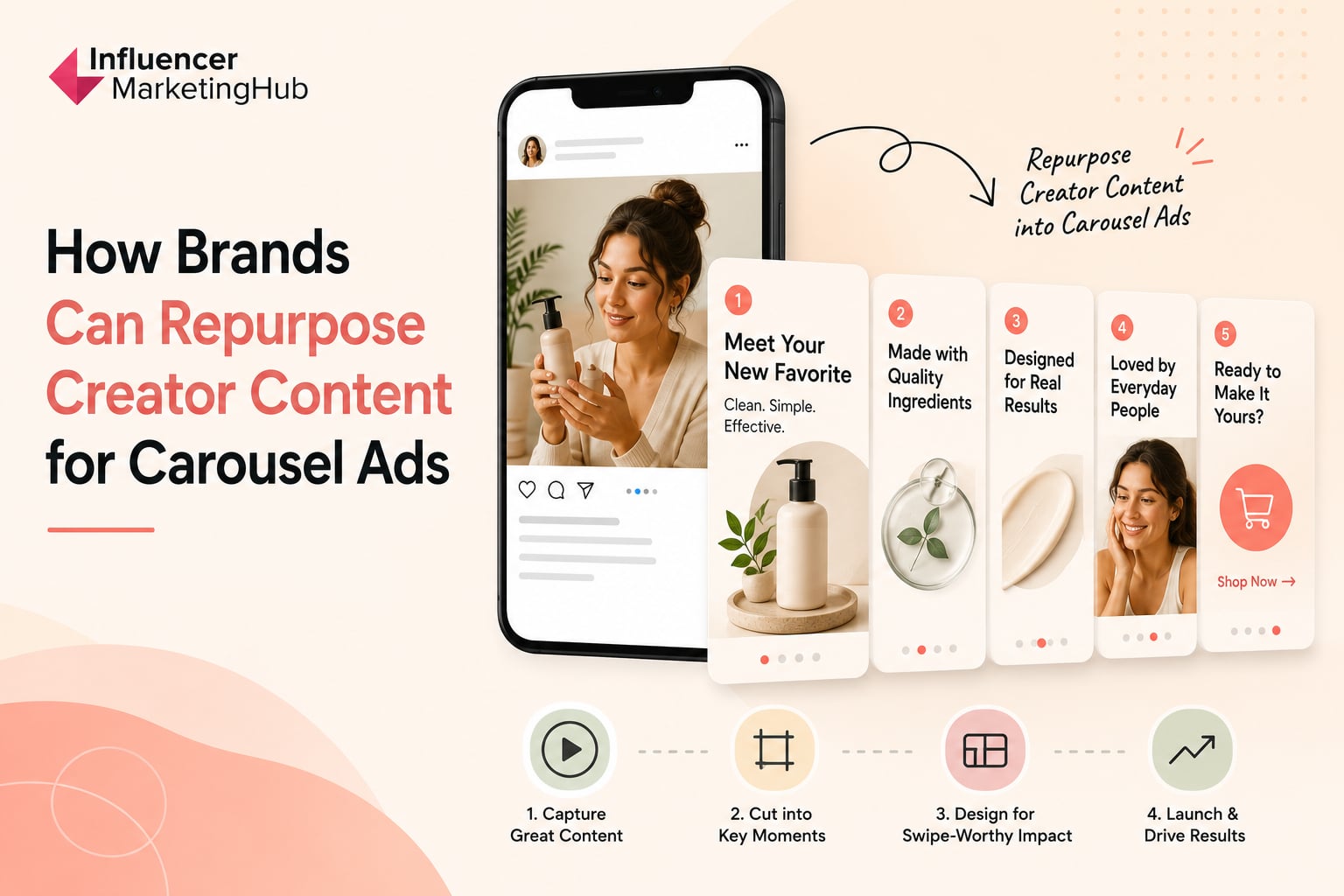
- Sequencing and Narrative Flow: The power of a carousel ad lies in its ability to tell a story across multiple frames. Brands should strategically sequence content to create a compelling narrative. This could involve an introductory frame, followed by product features, a use-case scenario, a testimonial, and finally, a strong call-to-action. For example, a beauty brand might start with an influencer’s "before" look, show the product in use, present the "after" result, and then display a close-up of the product packaging.
- Text Overlays and Calls-to-Action (CTAs): While the visual content is paramount, concise and impactful text overlays can enhance clarity and drive action. Each card in the carousel can have its own headline and description, allowing for progressive disclosure of information. A clear, singular CTA (e.g., "Shop Now," "Learn More," "Discover the Collection") should be integrated, often on the final card, to guide the user to the desired action.
- Platform-Specific Optimization: Each platform has nuances. Instagram carousels are highly visual; Facebook allows for more text; TikTok emphasizes short, dynamic video clips; and Pinterest carousels are excellent for showcasing multiple product variations or DIY steps. Adapting content dimensions, video lengths, and textual density for each platform is crucial for maximizing impact.
-
Ad Campaign Structure and Optimization:
- A/B Testing: Continuously test different combinations of creator content within carousels, varying the sequence, CTAs, and accompanying ad copy. A/B testing helps identify which content resonates most effectively with specific audience segments.
- Audience Targeting: Repurposed creator content often performs best when targeted at audiences similar to the creator’s organic followers or lookalike audiences based on past purchasers. Leveraging demographic, interest, and behavioral targeting capabilities of ad platforms ensures the content reaches the most receptive eyes.
- Performance Monitoring and Iteration: Closely monitor key performance indicators (KPIs) such as CTR, conversion rates, cost per acquisition (CPA), and return on ad spend (ROAS). Use these insights to refine content selection, optimize sequencing, and continuously improve campaign effectiveness.
Supporting Data and Industry Trends
The growth of influencer marketing provides a fertile ground for content repurposing. The global influencer marketing market size was estimated at over $16 billion in 2022 and is projected to exceed $24 billion by 2024, indicating a substantial investment by brands in creator partnerships. This massive influx of creator-generated content represents a goldmine for advertisers.
Moreover, carousel ads themselves have demonstrated superior performance metrics. Studies by various ad platforms and marketing analytics firms have shown that carousel ads can achieve up to 10 times higher click-through rates compared to single-image ads. When these carousels are populated with authentic IGC, the engagement metrics often climb even higher, capitalizing on both the format’s interactivity and the content’s inherent trustworthiness. For instance, a major e-commerce brand observed a 35% increase in conversion rates on specific product lines when using carousels featuring user-generated product reviews and demonstrations compared to standard product photography.
The rise of the "creator economy" further solidifies this strategy. As more individuals become content creators, the volume and diversity of available content expand exponentially. Brands that establish strong relationships and clear content usage agreements with a diverse roster of creators will possess a significant competitive advantage in terms of agile, authentic, and cost-effective advertising.

Challenges and Considerations
While the benefits are substantial, brands must navigate certain challenges when repurposing creator content.
- Maintaining Brand Cohesion and Quality Control: Not all creator content, even if engaging, will align perfectly with a brand’s aesthetic or messaging guidelines. Brands must implement stringent quality control processes to ensure repurposed content upholds brand standards and resonates harmoniously with the overall marketing narrative. Over-editing creator content, however, can strip away its authenticity, so a delicate balance is required.
- Content Overload and Fatigue: A common pitfall is to continuously use the same high-performing creator content, leading to ad fatigue among audiences. Brands need a strategy for regularly refreshing their repurposed content, either by commissioning new creator collaborations or by continuously sifting through existing content for fresh angles and applications.
- Measurement and Attribution Complexity: While general performance metrics are available, accurately attributing the specific impact of individual pieces of creator content within a carousel can be complex. Advanced attribution models and robust tracking mechanisms are necessary to understand which creative elements are driving the most significant returns.
- Platform-Specific Content Guidelines: Each advertising platform has its own set of content policies and guidelines. Brands must ensure that all repurposed content, even if organically successful, complies with these rules to avoid ad rejections or account suspensions.
The Future Outlook: Evolving Landscape
The future of repurposing creator content for carousel ads is poised for continued growth and innovation. Emerging trends include:
- AI-Powered Content Optimization: Artificial intelligence will play an increasingly significant role in identifying the most effective creator content for specific audience segments, optimizing sequencing within carousels, and even generating personalized ad copy based on content analysis.
- Diversification of Platforms and Formats: As new social media platforms emerge and existing ones evolve, brands will need to adapt their repurposing strategies to leverage platform-specific strengths, such as short-form vertical video carousels or interactive AR-enabled content.
- Micro and Nano-Influencer Integration: The value of micro and nano-influencers, with their highly engaged niche audiences and often more raw, authentic content, is becoming increasingly recognized. Repurposing content from these smaller creators can provide a continuous stream of fresh, relatable assets at a potentially lower cost.
- Increased Automation in Rights Management: As the volume of creator collaborations grows, automated solutions for managing content rights, licensing, and creator payments will become essential for efficient scaling.
In conclusion, the strategic repurposing of creator-generated content for carousel ads represents a sophisticated and highly effective approach in contemporary digital marketing. By harnessing the authenticity, engagement, and diverse perspectives offered by influencers, brands can create advertising experiences that not only capture attention but also build trust and drive measurable business outcomes. This methodology, when executed with careful planning, legal diligence, and continuous optimization, positions brands at the forefront of an evolving advertising paradigm, where genuine connection trumps overt commercialism.

