
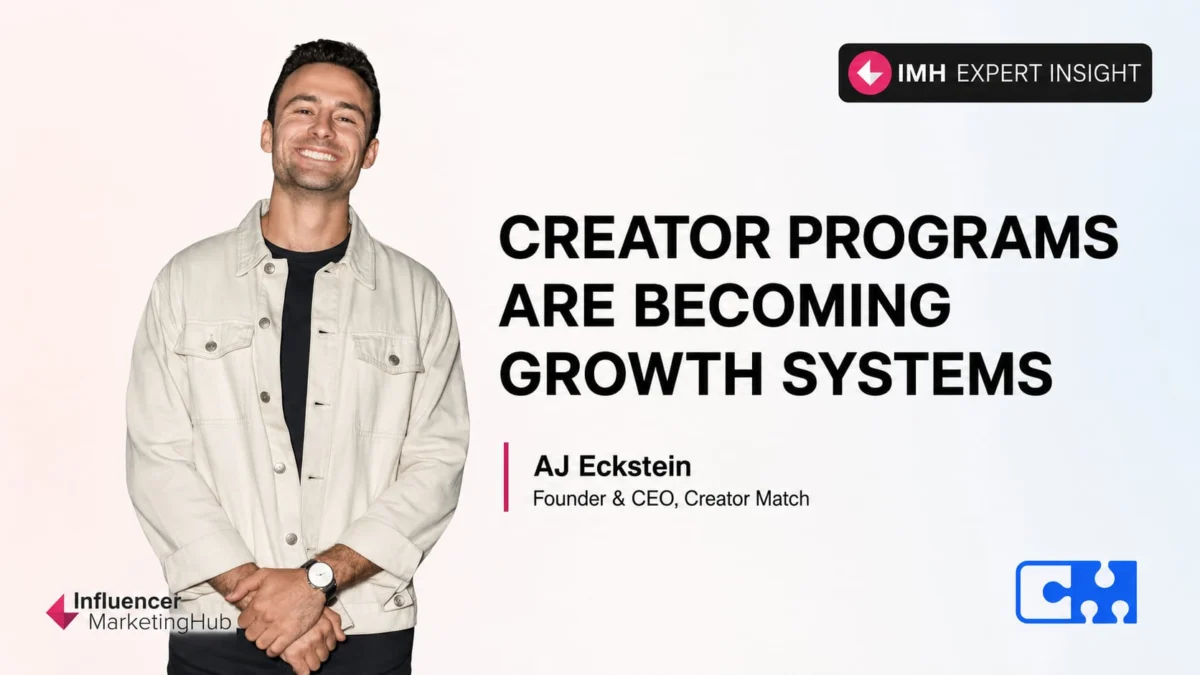
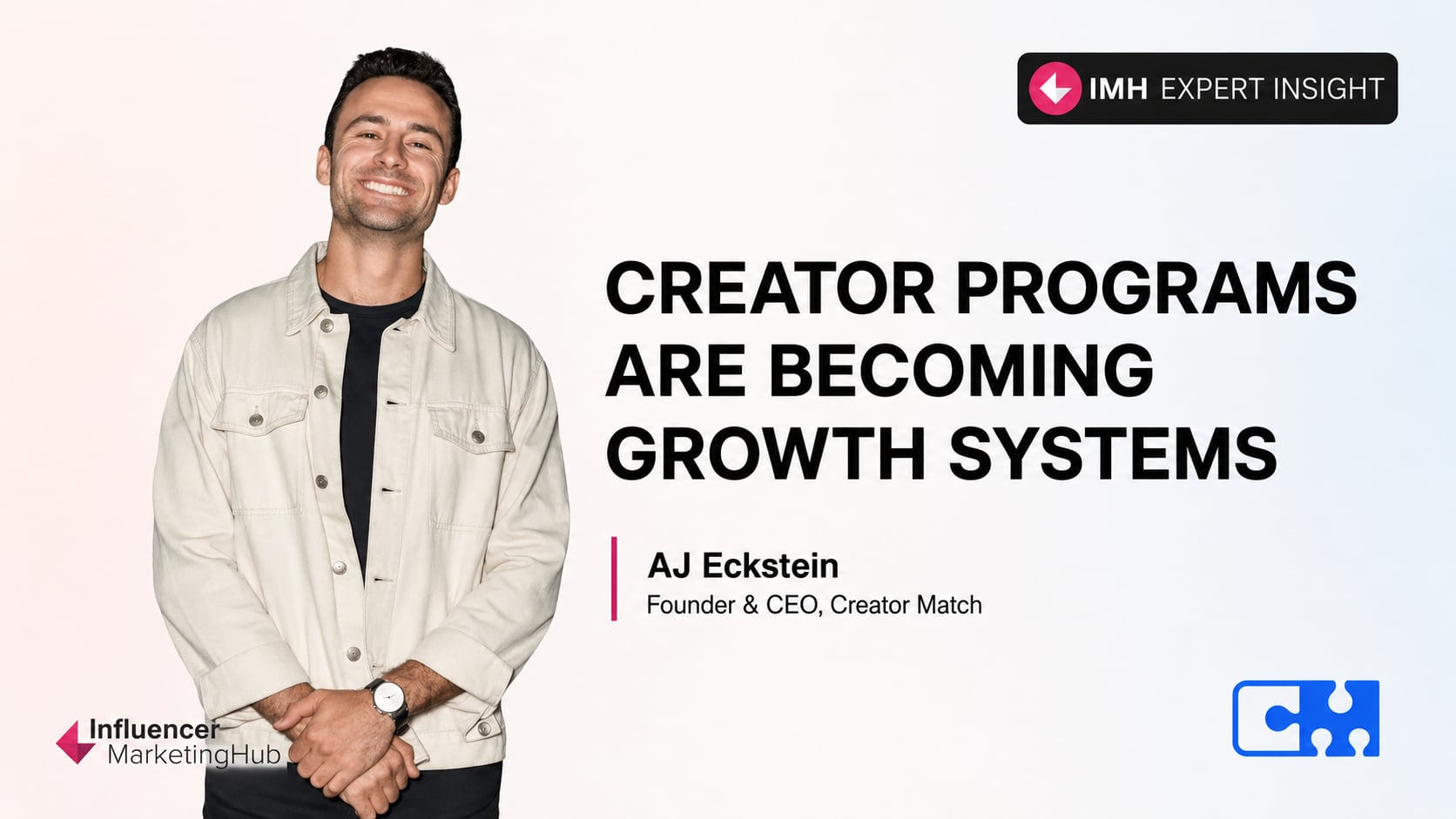
The landscape of brand-consumer interaction is undergoing a profound transformation, with creator programs evolving from supplementary marketing tactics into indispensable, holistic growth systems for businesses. This strategic shift reflects a deeper understanding of the creator economy’s potential, moving beyond transactional campaign-based engagements to integrate creators across various business functions, including product development, customer service, sales, and long-term brand strategy. The modern creator program is no longer solely about reach or impressions; it is about cultivating authentic relationships, fostering innovation, and driving sustainable growth in an increasingly fragmented digital world.
The Evolution of Creator Engagement: From Ad-Hoc to Strategic Integration
The journey of creator engagement with brands began modestly in the early 2010s, primarily characterized by ad-hoc influencer marketing campaigns. Brands typically collaborated with celebrities or prominent online personalities for one-off promotions, focusing on broad reach and brand visibility. These early interactions were largely transactional, with creators acting as paid spokespeople for specific products or services. The metrics of success were often confined to vanity metrics such as follower counts, likes, and comments, with less emphasis on conversion or deeper brand affinity.
As the digital ecosystem matured in the mid-2010s, the rise of platforms like Instagram and YouTube democratized content creation, giving birth to a new class of "micro-influencers" and "nano-influencers." These creators, despite smaller followings, often boasted highly engaged niche communities. Brands began to recognize the value of authenticity and relatability, shifting towards more targeted campaigns that leveraged these smaller creators for more credible endorsements. This era saw the emergence of basic brand ambassador programs, where creators might receive free products or small commissions in exchange for ongoing promotion. However, even these programs largely remained within the marketing department’s purview, focused on content generation and distribution rather than broader business objectives.
The late 2010s marked a critical inflection point. As consumers grew more discerning and ad-fatigued, the demand for genuine content and transparent brand interactions intensified. This period witnessed a significant pivot towards co-creation and longer-term partnerships. Brands started involving creators in content strategy, seeking their unique perspectives and creative input. Affiliate marketing models became more sophisticated, directly linking creator influence to sales performance. This laid the groundwork for the more integrated approach seen today, where the lines between marketing, product, and community engagement began to blur. By the early 2020s, the concept of a "creator economy" had firmly taken root, signifying a substantial economic sector built around independent content creators and their direct monetization channels, estimated to be worth over $100 billion and projected to grow significantly by 2027. This economic force compelled businesses to view creators not just as marketing channels, but as integral partners capable of driving multi-faceted business growth.
Beyond Marketing: Pillars of a Holistic Growth System
Today, leading businesses are embedding creator programs deep within their organizational structures, transforming them into comprehensive growth systems that touch almost every aspect of operations. This strategic evolution is driven by the recognition that creators offer unique value propositions extending far beyond traditional promotional activities.
Product Development and Innovation
Creators, by virtue of their direct and intimate connection with specific audiences, possess invaluable insights into market trends, consumer preferences, and unmet needs. Modern creator programs actively leverage this intelligence in the product development lifecycle. Brands are now engaging creators in beta testing new products, gathering candid feedback, and even co-creating features or entire product lines. For instance, a beauty brand might consult a collective of makeup artists and skincare enthusiasts during the formulation stage of a new product, ensuring it meets the practical demands and aesthetic preferences of their shared audience. A gaming company might involve prominent streamers in early access programs, using their gameplay and community discussions to refine game mechanics and user experience before a public launch. This collaborative approach significantly reduces product development risks, accelerates time-to-market, and ensures that offerings resonate authentically with target consumers.
Community Building and Engagement
In an era where brand loyalty is increasingly fragile, creators serve as powerful conduits for cultivating and nurturing vibrant brand communities. They act as trusted intermediaries, fostering dialogue and connection between the brand and its customers. Creator programs now often task creators with moderating online forums, hosting Q&A sessions, or organizing virtual and in-person events that bring brand enthusiasts together. This direct engagement builds a sense of belonging and shared identity around the brand. For example, a fitness apparel brand might partner with fitness influencers to host workout challenges, share motivational content, and create a supportive community space where members can share their progress and connect. These communities, nurtured by authentic creator interactions, become powerful engines for customer retention, organic advocacy, and valuable feedback loops. Data from a 2025 industry report indicated that brands with active creator-led communities reported a 20% higher customer retention rate compared to those without.
Sales and Revenue Generation
While affiliate marketing has long been a component of creator partnerships, contemporary creator growth systems optimize this for direct revenue generation. This goes beyond simple discount codes to include sophisticated attribution models, creator-specific product lines, and direct commerce integrations. Brands are empowering creators to become direct sales channels, often providing them with tools to manage orders, offer personalized recommendations, and even handle customer inquiries related to their promoted products. Livestream shopping, a booming trend particularly in Asian markets and rapidly gaining traction globally, exemplifies this, allowing creators to demonstrate products and drive immediate purchases during live broadcasts. Furthermore, some brands are developing "creator stores" or "creator marketplaces" within their own e-commerce platforms, where creators curate and sell products, often earning a higher commission or even a share of the profits. This transforms creators into entrepreneurial partners, aligning their financial success directly with the brand’s sales performance.
Brand Advocacy and Storytelling
The most enduring impact of creator programs as growth systems lies in their capacity to cultivate genuine brand advocacy and compelling storytelling. Unlike traditional advertising, creator-generated content often feels more authentic, relatable, and trustworthy. When creators genuinely love a product or service, their endorsement transcends a mere advertisement and becomes a personal recommendation. This authentic storytelling builds deep emotional connections with audiences, fostering long-term brand loyalty. Brands are now providing creators with resources, creative freedom, and ongoing support to craft narratives that resonate with their unique styles and audiences, rather than dictating rigid scripts. This approach ensures that brand messages are conveyed through diverse, credible voices, significantly enhancing brand perception and trust. A 2024 survey revealed that 71% of consumers trust product recommendations from creators more than traditional advertisements.
Talent Acquisition and Employer Branding
An often-overlooked aspect of modern creator programs is their utility in talent acquisition and employer branding. Creators who genuinely resonate with a company’s culture and mission can serve as powerful advocates for its employer brand. By showcasing behind-the-scenes content, sharing their positive experiences, or even participating in recruitment campaigns, creators can attract top talent who are already aligned with the company’s values. This is particularly effective for tech companies or creative industries looking to appeal to a specific demographic of professionals. A creator-led campaign highlighting work-life balance, innovative projects, or inclusive company culture can be far more persuasive than traditional corporate recruitment ads, tapping into the creator’s ability to build trust and aspiration.
Key Drivers of This Transformation
Several interconnected factors are propelling the evolution of creator programs into full growth systems:
- Consumer Demand for Authenticity: Modern consumers are increasingly wary of traditional advertising and seek genuine, unfiltered perspectives. Creators, with their relatable personalities and perceived independence, offer a trusted source of information and recommendations.
- Fragmented Media Landscape and Ad Fatigue: The proliferation of digital platforms has fragmented consumer attention, making it challenging for brands to cut through the noise with conventional advertising. Creators offer a direct channel to engaged audiences within specific niches.
- Data-Driven Decision Making: Advanced analytics and attribution tools now allow brands to precisely measure the holistic impact of creator collaborations, extending beyond marketing metrics to sales, customer lifetime value, and even product sentiment. This data validates the investment in comprehensive creator programs.
- Technological Advancements: The development of sophisticated creator management platforms, AI-powered matching tools, and enhanced e-commerce integrations has made it easier for brands to scale and manage complex creator networks.
- Professionalization of the Creator Role: Creators are increasingly viewing their work as a full-fledged profession, demanding fair compensation, creative freedom, and long-term partnership opportunities. Brands that offer these comprehensive programs are better positioned to attract and retain top-tier talent.
Strategic Implementation: Building a Robust Creator Growth System
Implementing a successful creator growth system requires a strategic, long-term approach, moving beyond campaign-centric thinking.
- Define Holistic Objectives: Brands must articulate clear objectives that span marketing, sales, product, and community engagement. This involves identifying specific KPIs for each area, such as new product ideas generated, customer retention rates, or sales driven through creator channels.
- Strategic Creator Selection: The focus shifts from follower count to alignment of values, audience demographics, and creative style. Brands seek creators who genuinely embody their brand ethos and can authentically connect with target consumers across multiple touchpoints.
- Establish Clear Communication and Compensation: Transparency in communication and fair, often performance-based, compensation models are crucial for building trust and fostering long-term partnerships. This may include retainers, commissions, equity opportunities, or direct involvement in revenue sharing from co-created products.
- Invest in Infrastructure: This includes dedicated teams, robust creator management platforms, and tools for analytics and attribution that can track performance across diverse objectives.
- Foster Creative Freedom and Collaboration: While brands set strategic guidelines, empowering creators with creative autonomy ensures that content remains authentic and resonates with their unique audience. This also encourages innovative approaches to content and engagement.
- Measure Holistic Impact: Beyond traditional marketing metrics, brands must track product feedback loops, community engagement levels, customer sentiment, and overall brand equity shifts attributable to creator programs.
Challenges and Future Outlook
Despite the immense potential, the transition to creator growth systems presents its own set of challenges. Scaling programs effectively while maintaining authenticity can be complex. Brands must navigate the delicate balance between providing creative freedom and ensuring brand consistency. The rapid evolution of platform algorithms and content formats also demands constant adaptation. Furthermore, legal and ethical considerations surrounding disclosures, data privacy, and intellectual property require careful management.
Looking ahead, the integration of artificial intelligence will likely play an even more significant role in optimizing creator programs. AI could enhance creator discovery, personalize content recommendations, automate aspects of campaign management, and provide deeper insights into audience engagement. The metaverse and Web3 technologies may also open new frontiers for creator-led commerce and community building, offering immersive experiences and novel monetization opportunities. As the creator economy continues its meteoric rise, projected to reach well over $500 billion by the end of the decade, the imperative for businesses to adopt these sophisticated, holistic creator growth systems will only intensify. Those that embrace this paradigm shift will not only enhance their marketing efforts but also secure a significant competitive advantage in innovation, customer loyalty, and sustainable revenue generation for years to come. The future of business growth is undeniably intertwined with the power of the individual creator.

