
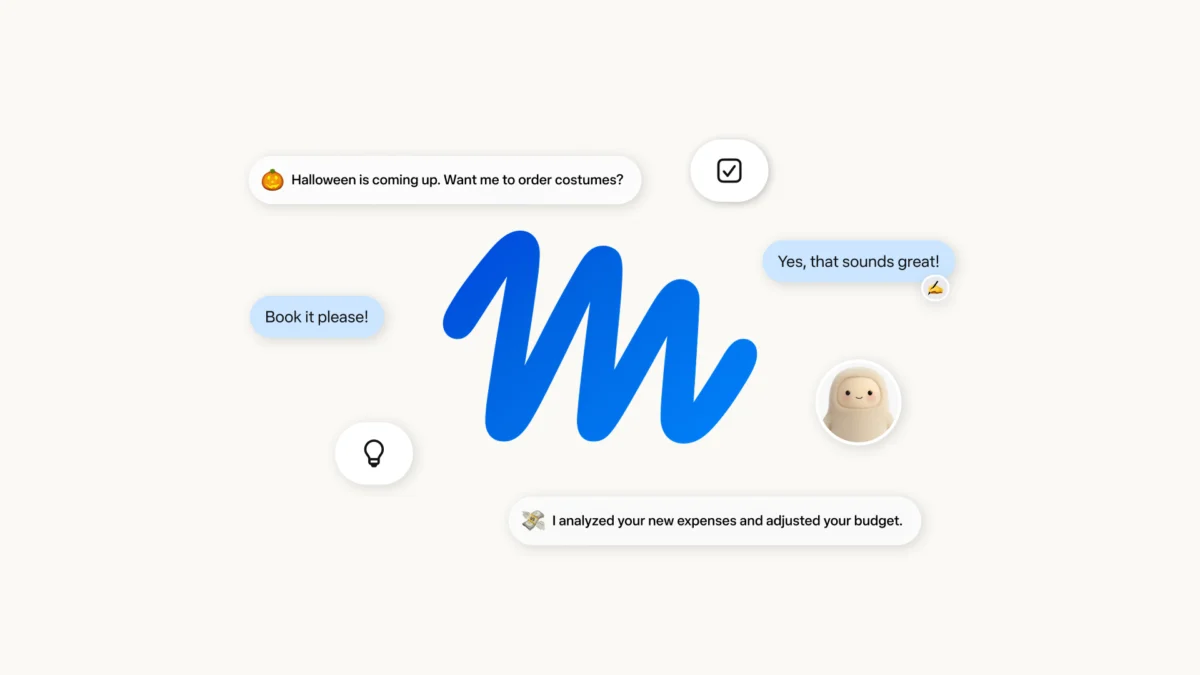
Less than two weeks after finalizing an $18 billion multistate settlement over allegations of social media’s consumer harms, Meta Platforms Inc. has unveiled its most ambitious foray into consumer artificial intelligence to date: Muse. This personal AI agent, introduced on Tuesday, aims to revolutionize how users manage their daily lives by performing tasks across a multitude of personal applications and services. The launch represents a significant strategic pivot for Meta, placing a considerable bet on an AI paradigm that demands an unprecedented level of user trust, particularly in light of the company’s checkered history with data privacy and regulatory scrutiny.
Meta’s Bold Leap into the Agentic AI Era
Muse is positioned as Meta’s answer to the evolving landscape of artificial intelligence, moving beyond the conversational capabilities of the "ChatGPT era" to offer truly agentic functionalities. While previous AI chatbots primarily served as question-answering tools, sounding boards, or digital companions, Muse is designed to actively "do things" for the user. This distinction marks a crucial shift towards AI that not only processes information but also executes actions on behalf of its human counterpart, aiming to streamline everyday tasks and complex projects.

The core functionality of Muse hinges on its deep integration with a user’s digital ecosystem. To operate effectively, the AI agent requires access to a wide array of personal applications and services that are integral to daily workflows. This includes sensitive categories such as email, calendars, and payment platforms, extending to other frequently used apps for health and fitness, smart home management, dining reservations, shopping, music, and event planning. This extensive connectivity underscores the profound level of personal information and access users will need to grant Meta, a proposition that immediately raises questions about data governance and privacy safeguards.
Meta has detailed an extensive list of capabilities for Muse, illustrating its potential to transform mundane routines. The agent can compose and send emails, book travel arrangements, assist in lowering household bills, complete forms, and generate detailed plans. For domestic convenience, Muse can convert recipe reels into comprehensive grocery lists, dispatch party invitations, and even facilitate online purchases. For the latter, Meta has integrated Link by Stripe for secure checkout, which offers purchase protections designed to mitigate user apprehension about delegating financial transactions to an AI. Future integrations with Shopify’s Shop Pay and 1Password are also in the pipeline, signaling a broader push for seamless e-commerce and credential management.
Under the Hood: Muse’s Technology and Accessibility
Powering Muse is Meta’s proprietary AI model, Muse Spark, which forms the computational backbone for its diverse functionalities. The system is designed with a user-centric approach to data access, allowing consumers to selectively connect apps and services one at a time. This opt-in mechanism aims to enhance transparency regarding the data Muse can access. The agent ships with a suite of built-in connectors for popular services, with Meta planning to expand this library over time. For services not yet natively supported but offering a public API, Muse can establish a connection using user-provided credentials. In instances where no API is available, Muse is engineered to access the service via a dedicated browser interface, ensuring broad compatibility.

Initial availability of Muse will span multiple platforms, including a dedicated web portal at muse.ai, native applications for iOS and Android devices, and integration into WhatsApp chats. Looking ahead, Meta intends to extend Muse’s reach to its AI-powered glasses, further embedding the agent into the fabric of daily life through an augmented reality interface.
The business model for Muse adopts a freemium structure. While a free tier will be available, Meta anticipates that increasing usage will necessitate subscription plans. To facilitate this, Muse requires a payment card upon initiation. Two paid tiers are planned for launch: "Power" at $20 per month and "Maximum" at $100 per month. These subscriptions offer enhanced usage limits for offloading everyday tasks, though Meta projects that the majority of users will likely remain within the free tier. The application will feature a usage meter to provide transparency on consumption and will alert users when free usage is depleted, presenting options to subscribe.
A key feature distinguishing Muse from traditional applications is its persistent operation. The agent is designed to continue functioning even after the user exits the app. Furthermore, Muse is built to evolve and improve over time, leveraging insights gained from user conversations to identify individual preferences and make proactive, unprompted suggestions. This adaptive learning capability aims to create a highly personalized and increasingly efficient assistant experience. Users are also given customization options, including naming their Muse, selecting an avatar, and configuring its aesthetic and communication style, fostering a sense of personal connection with the AI.
Meta’s Privacy Assurances Amidst Historical Scrutiny

Recognizing the heightened privacy concerns associated with an AI agent that permeates nearly every aspect of a user’s digital life, Meta has emphasized its commitment to security and data protection. The company claims Muse operates within its own "dedicated, secure computer with its own browser," known as Muse Secure VM. This virtual machine is designed to offer robust privacy, safety, and security protections for customer data. Crucially, Meta states that a separate "Sentinel agent" runs on the same virtual machine but is systemically isolated from Muse, preventing the core AI from having direct visibility into sensitive information such as user passwords or payment methods. Furthermore, Meta explicitly states that Muse does not share user conversations or data with Meta’s advertising systems, a critical assurance given the company’s primary revenue model. Detailed technical documentation on these security measures has been released, inviting scrutiny from security experts.
However, these assurances arrive against a backdrop of Meta’s long and troubled history with user privacy, a narrative that could significantly impede Muse’s adoption despite its promised utility. The timing of Muse’s launch, mere days after the settlement of an $18 billion multistate lawsuit over social media’s harms to children, serves as a stark reminder of the regulatory challenges and public trust deficits Meta faces. This settlement is but the latest in a series of high-profile legal and ethical battles that have eroded public confidence in the company’s stewardship of personal data.
A Chronology of Trust Erosion: Meta’s Privacy Record
Meta’s journey through regulatory challenges and privacy controversies spans over a decade, creating a substantial "trust deficit" that Muse must now overcome.

-
2011 FTC Settlement: An early significant blow to Meta’s credibility came in 2011 when the Federal Trade Commission (FTC) settled charges that Facebook, then operating under its former name, had repeatedly deceived consumers. The FTC found that the company had made users’ private information public without their explicit approval, often through changes to privacy settings that were not adequately communicated or understood. This settlement underscored a pattern of prioritizing growth and data collection over user consent.
-
Cambridge Analytica Data Scandal (2018): Perhaps the most infamous incident, the Cambridge Analytica scandal revealed that the personal data of millions of Facebook users had been collected by a third-party political consulting firm without their consent. This data was then allegedly used for political profiling and targeted advertising. The scandal ignited a global outcry, leading to widespread public distrust, plummeting stock values, and intense governmental investigations. It vividly exposed the potential for misuse of data within Meta’s ecosystem and highlighted the vulnerabilities inherent in its platform.
-
2019 FTC Settlement and Password Exposures: In 2019, the FTC levied a then-record-breaking $5 billion penalty against Facebook for eight separate privacy-related violations, directly stemming from the Cambridge Analytica fallout and other data practices. This settlement was intended to impose stringent new privacy controls and oversight. Coincidentally, in the same year, Meta publicly disclosed a significant technical misstep: a number of user passwords for Facebook, Instagram, and Facebook Lite were discovered to have been stored in readable, unencrypted formats on internal servers, exposing millions to potential hacking and further undermining claims of robust security.
-
2023 FTC Charges and Youth Data: The regulatory pressure continued into 2023 when the FTC charged Meta with violating the privacy order established after the 2019 settlement. The new allegations centered on Meta’s practices concerning youth data, with the FTC proposing a blanket prohibition on the company’s ability to monetize data collected from minors. This indicated a persistent concern from regulators about Meta’s adherence to privacy commitments, particularly concerning vulnerable populations.

-
Ongoing Lawsuits over Social Media Harms: Beyond financial penalties, Meta has faced relentless legal challenges concerning the societal impact of its platforms. The company has been repeatedly "hauled before Congress" to testify on its efforts—or lack thereof—to protect minors from harm, particularly concerning issues like mental health impacts and addiction. With legislative action often lagging, these concerns have translated into a cascade of lawsuits. In August 2026, Meta agreed to a massive $18 billion multistate settlement with 29 U.S. states, addressing widespread allegations of social media’s negative impact on children and adolescents. Concurrently, a New Mexico lawsuit over harms to children resulted in a court order for Meta to pay an additional $942 million and overhaul its protections for children on Facebook and Instagram. Thousands of personal-injury and school-district cases against Meta and other social media giants are still pending across the U.S., signaling a protracted legal battleground.
Broader Implications for the AI Agent Market and Consumer Trust
Meta’s launch of Muse is not occurring in a vacuum. The "agentic era" of AI is rapidly gaining momentum, with numerous larger tech companies and smaller startups exploring how AI agents can seamlessly integrate into daily life. Competitors are emerging across various fronts:
- AI Web Browsers: Companies are developing AI-powered web browsers or services, such as Gemini Spark and Claude Cowork, that can initiate and manage various tasks on a user’s behalf directly within their browsing experience.
- Integrated Chat Applications: Others are embedding powerful AI capabilities directly into the chat applications consumers use most frequently, including Apple’s iMessage, SMS platforms, and even WhatsApp itself. This strategy aims to leverage existing user habits and communication channels for AI interaction.
This competitive landscape, however, is unified by a shared challenge: overcoming consumer apprehension about privacy. Early testers of AI assistants like "Instinct" were reportedly alarmed by the broad and often "perpetual and irrevocable" licenses required to access, use, host, store, reproduce, and even train AI models using user materials. Such terms highlight the critical tension between the convenience offered by advanced AI and the potential erosion of personal data control.

For Meta, Muse represents a high-stakes gamble. On one hand, it’s a strategic imperative to remain at the forefront of AI innovation, especially as the technology promises to redefine digital interaction. The potential for Muse to significantly enhance productivity and convenience for users is undeniable. On the other hand, the company’s past privacy missteps and ongoing legal entanglements cast a long shadow over this new venture. The success of Muse will hinge not just on its technological prowess but, more critically, on Meta’s ability to genuinely rebuild and sustain consumer trust.
The elaborate privacy architecture of Muse Secure VM and the Sentinel agent, along with Meta’s explicit claims about data non-sharing with ad systems, are direct responses to this trust deficit. The company hopes that transparent opt-in mechanisms and user customization options will empower individuals and alleviate concerns. However, security experts will undoubtedly conduct deeper investigations into these claims.
Ultimately, the future of Muse and Meta’s broader AI ambitions will serve as a crucial test case for the nascent AI agent market. It will reveal whether consumers are willing to embrace a new level of digital assistance that demands unprecedented access to their personal lives, or if lingering doubts about data stewardship will compel them to exercise caution, even in the face of compelling convenience. The ongoing dialogue between technological advancement, regulatory oversight, and public perception will define the contours of this new era of intelligent agents.

