
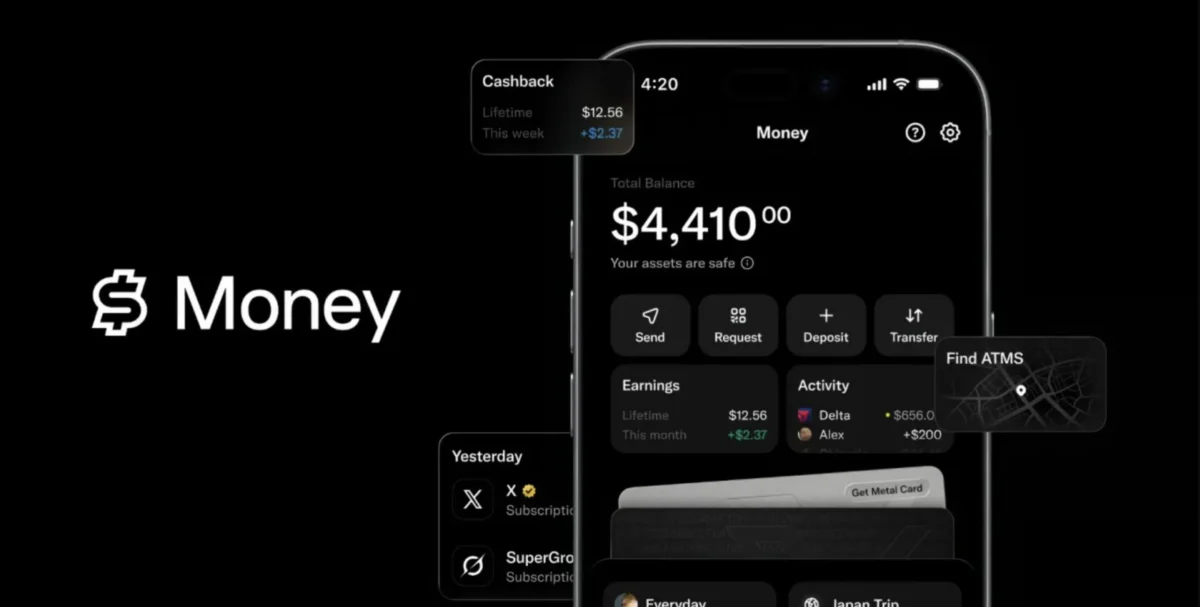
San Francisco, CA – In a significant strategic maneuver to further integrate its social platform with a broader financial ecosystem, Elon Musk’s social network X announced Wednesday that all U.S. creator payouts would henceforth be processed exclusively through X Money, the company’s nascent payments service. This mandatory shift, effective immediately, encompasses earnings from both X’s Original Content Rewards Program and creator subscriptions, signaling a pivotal step in the platform’s ambitious journey to transform into an "everything app."
The announcement, disseminated via the official @XCreators account on the platform, highlighted the primary benefit for creators: instant access to their funds. Unlike the previous system, which involved bi-weekly payouts with a minimum threshold of $30, X Money promises to eliminate waiting periods and minimum payout requirements. Creators will now reportedly have access to their earned revenue the moment it is disbursed, a feature designed to enhance liquidity and appeal to content creators seeking immediate compensation for their work.
This move, however, is not without its implications. The wording of X’s announcement strongly suggests that U.S. creators will no longer have alternative options for receiving payments. Previously, payouts were facilitated by Stripe, a widely used third-party payment processor known for its robust infrastructure and widespread adoption across the digital economy. A representative for X confirmed that the change is indeed mandatory for creators based in the United States, while those outside the U.S. will continue to utilize Stripe for their earnings. This forced migration represents a bold play by X to consolidate its financial operations and push adoption of its proprietary payment solution.
The Evolution of Creator Monetization on X
The transition to X Money for U.S. creator payouts is the latest in a series of significant changes to X’s creator monetization programs, reflecting a broader strategic realignment under Elon Musk’s leadership. Since acquiring Twitter and subsequently rebranding it to X, Musk has consistently articulated a vision of transforming the platform into an "everything app," akin to China’s WeChat, which seamlessly integrates social networking, messaging, payments, and various other services into a single interface. X Money is a cornerstone of this ambitious strategy.
The platform initially launched its Creator Revenue Sharing Program (CRSP), designed to reward creators by sharing a portion of the ad revenue generated from replies to their posts. This program, while innovative in its premise, faced scrutiny regarding its incentive structure and the quality of content it sometimes inadvertently promoted. Concerns were raised that it might encourage engagement farming or content less focused on originality, as revenue was tied to ad impressions on replies, rather than the intrinsic value of the original content itself.
In response to these challenges and in line with a renewed emphasis on fostering high-quality, original content, X announced the retirement of the CRSP. The program stopped accepting new members last month and is slated to officially cease operations on September 7. Creators previously enrolled in the CRSP are being transitioned to the new Original Content Rewards Program (OCRP). As its name implies, the OCRP places a heavier emphasis on rewarding creators for producing unique and valuable content, aiming to cultivate a more engaging and high-quality content ecosystem on the platform. The shift to X Money for payouts is directly integrated with these new and existing creator programs, cementing X Money’s role as the exclusive financial conduit for creators.
X Money: A Cornerstone of the "Everything App" Vision
X Money, which began supporting creator payouts earlier this month, is more than just a payment processor; it is designed to be a comprehensive digital banking service, albeit one operating in partnership with established financial institutions. While X Money itself is not a bank, it holds user accounts at the FDIC-insured Cross River Bank, providing users with the assurance of deposit insurance up to the standard limits. This partnership is crucial for building trust and ensuring regulatory compliance in the highly scrutinized financial sector.
The features offered by X Money extend beyond mere payouts. The service includes a branded bank card with a competitive 3% cash back on eligible purchases, instant payment capabilities for various transactions, and free ATM withdrawals. These features position X Money to compete with challenger banks and other fintech solutions, aiming to capture a significant share of users’ daily financial activities. The integration of creator payouts into this broader financial service loop is a calculated move to drive adoption and retention of X Money among a key demographic: content creators who rely on timely and efficient access to their earnings.
Further incentivizing the use of X Money, X announced that creator payouts would count toward users’ direct deposit requirements to qualify for boosted Annual Percentage Yield (APY) rates on their X Money accounts. Currently, the service’s website indicates that X Premium subscribers can receive a boosted 6% APY, significantly higher than the standard 4% rate available to non-Premium users. This tiered APY structure is a clear strategy to encourage not only the use of X Money for receiving income but also to incentivize subscriptions to X Premium, creating a synergistic ecosystem where different services reinforce each other.
Operational Details and Tax Implications
For U.S. creators, the shift to X Money also brings specific operational and tax considerations. X confirmed that it will issue a 1099-NEC form for individuals receiving creator payouts, a standard tax document used to report non-employee compensation. For Limited Liability Companies (LLCs) operating on the platform, X will collect the organization’s W-9 information to ensure accurate reporting of income to the Internal Revenue Service (IRS). This compliance with U.S. tax regulations is a critical aspect of operating a legitimate payment service and underscores X’s commitment to establishing X Money as a fully functional and compliant financial tool.
The requirement for creators to provide accurate tax information further solidifies the professionalization of content creation on X, aligning it with other major platforms that mandate similar disclosures for monetization. This structured approach to financial reporting is essential for both the platform and its creators, ensuring transparency and adherence to legal obligations.
Implications for Creators and the Platform
The mandatory adoption of X Money for U.S. creators presents a mixed bag of opportunities and challenges. On one hand, the promise of instant payments and the elimination of minimum payout thresholds are undeniably attractive. For many creators, especially smaller ones or those in urgent need of funds, immediate access to earnings can be a significant advantage, improving their financial flexibility and reducing the friction often associated with platform monetization. The integration with a comprehensive financial service offering, including a bank card and high APY, could also appeal to creators looking for a streamlined financial experience.
On the other hand, the compulsory nature of the switch raises questions about creator autonomy and data privacy. Forcing creators to use a specific payment service, particularly one integrated with a social media platform, might lead to concerns about data consolidation and the potential for increased surveillance of financial activities. While X Money partners with an FDIC-insured bank, the direct link between social media activity and financial transactions could be a point of apprehension for some users who prefer to keep these aspects of their digital lives separate.
The decision to entirely cut ties with Stripe for U.S. creators also carries weight. Stripe is a trusted and widely used payment processor, and its removal as an option might be viewed by some as an unnecessary restriction. However, from X’s perspective, reducing reliance on third-party services like Stripe offers several strategic benefits, including potential cost savings on transaction fees and greater control over the end-to-end user experience. It also allows X to capture a larger share of the financial value chain generated by its platform.
Competitive Landscape and Future Outlook
X’s foray into integrated financial services for creators places it in a unique position within the competitive landscape of social media monetization. While platforms like YouTube, TikTok, and Instagram offer various creator monetization tools, none have yet integrated a full-fledged financial services suite to the extent X is attempting with X Money. Patreon, a dedicated creator platform, focuses on subscriptions but typically relies on third-party processors for payouts.
By offering features like a bank card, cash back, and high APY, X is not just competing with other social media platforms for creators; it’s also venturing into the territory of fintech companies and traditional banks. This ambitious strategy reflects Elon Musk’s long-standing interest in payments, dating back to his early involvement with PayPal. The vision is to create a closed-loop ecosystem where users can consume content, interact socially, send messages, and manage their finances all within the same application.
The success of X Money and its mandatory adoption for U.S. creators will depend heavily on several factors: the reliability and security of the service, its user-friendliness, and its ability to truly deliver on the promised benefits of instant payments and attractive financial incentives. Furthermore, X will need to navigate the complex regulatory landscape surrounding financial services, ensuring compliance across various jurisdictions as it potentially expands X Money’s offerings and geographical reach.
The move is a clear indicator of X’s commitment to its "everything app" strategy, leveraging its massive user base to drive adoption of its financial products. If successful, it could fundamentally alter how creators manage their earnings and interact with digital platforms, potentially setting a new standard for integrated social and financial services. However, the compulsory nature of the shift for U.S. creators also represents a significant gamble, testing the willingness of its content creators to embrace X’s integrated vision wholeheartedly, even if it means sacrificing prior choices in payment methods. The coming months will reveal whether this bold step solidifies X’s position as a financial powerhouse or creates new friction points with its vital creator community.

