
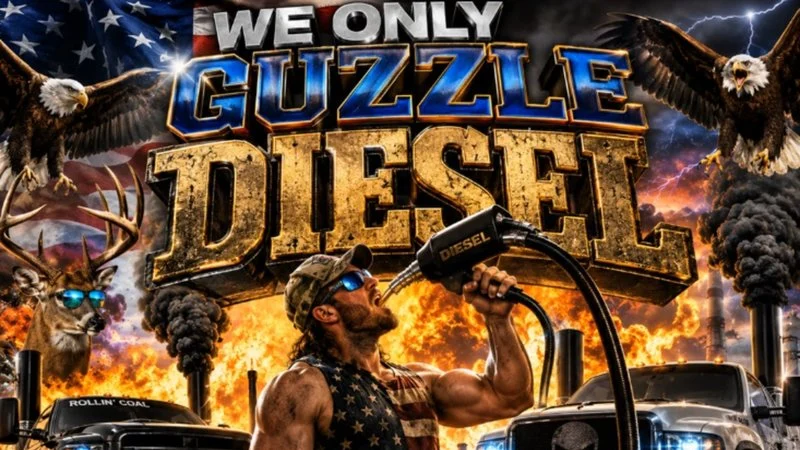
The Genesis of We Only Guzzle Diesel
The track "We Only Guzzle Diesel" was first introduced to the public on July 13, 2026, when it was uploaded to the YouTube channel of Red White and Country. The artist profile is part of a growing wave of AI-generated personas that utilize advanced large language models and neural audio synthesis to replicate specific musical genres—in this case, the rugged, "outlaw" aesthetic of modern country music. The song’s lyrics lean heavily into tropes of manual labor, rural grit, and a disdain for modern digital distractions.
The specific verse that ignited the viral trend occurs in the bridge of the song, where the AI-generated vocalist delivers a stern rebuke of the younger generation’s work ethic: "What you know about hard work? Nothing. Watching Netflix and Tiki Takis, ’cause ain’t no one coming to save you, boy." The term "Tiki Takis" is a deliberate or perhaps algorithmic corruption of "TikTok," serving as a linguistic marker for the disconnect between the traditional values the song purports to uphold and the digital platforms where the song eventually found its greatest success.
Within the first two months of its release, the original YouTube video garnered over 53,000 views, a modest start that belied the massive cultural impact it would have once it migrated to short-form video platforms.
Chronology of Viral Dissemination
The transition from a niche AI experiment to a global meme began in earnest in late August 2026. On August 27, a TikTok user under the handle @ilythedudesalt posted a video featuring a sped-up and looped version of the "Netflix and Tiki Takis" line. This modification is a common tactic in meme creation, as increasing the tempo often lends a surreal or humorous quality to the audio. The video, which utilized the punchline to mock sedentary lifestyles, quickly gained traction, accumulating more than 635,000 views within a fortnight.
By August 28, the trend had evolved. A TikToker known as @soap_2654 published a video featuring animated characters performing synchronized dances to the high-tempo remix. This iteration of the meme shifted the focus from the lyrics’ original "tough love" message to a form of ironic celebration. The video reached 1.3 million views in less than two weeks, signaling that the audio had reached critical mass.
In early September, the meme moved into the physical world. On September 2, 2026, a video posted by @ilikeuncrider showed an individual ostensibly singing the song loudly on a public subway, appearing to be unaware that their headphones were disconnected. This "speaker prank" format, which relies on public embarrassment and social awkwardness, pushed the view count to 2.8 million in just six days. By this point, "Watching Netflix and Tiki Takis" had moved beyond a simple audio clip and into a multifaceted cultural phenomenon.
Technical and Aesthetic Evolution: Phonk and Brainrot
As the meme matured, it began to intersect with other established internet subcultures. On September 3, the creator @mf.music7 released a "phonk" remix of the song. Phonk, a subgenre of electronic music characterized by cowbell melodies and heavy bass, has become the de facto sound of "sigma" and "drift" culture on social media. By blending the AI country vocals with phonk production, creators created a jarring stylistic juxtaposition that appealed to the "brainrot" aesthetic—a term used to describe hyper-stimulating, nonsensical, and rapidly consumed digital content.
This was followed on September 7 by an "Accuracy Reenactment" video from @idksterlingfn, which garnered over 560,000 views in 24 hours. These reenactments typically involve creators meticulously mimicking the movements or scenarios depicted in viral audios, further cementing the song’s status as a foundational element of the 2026 digital zeitgeist.
Linguistic Analysis of Tiki Takis
The term "Tiki Takis" has garnered significant interest from digital linguists and cultural observers. While it is likely a hallucination or a creative choice by the AI music generator, the term has taken on a life of its own. It functions as an "eggcorn"—a word or phrase that results from a mishearing or misinterpretation of another, which nonetheless creates a new, plausible meaning.
In the context of the meme, "Tiki Takis" has become a catch-all term for the endless scrolling of short-form video content. It also references "Takis," a popular brand of rolled corn tortilla chips frequently associated with "gamer" culture and teenage snacking. By combining the name of the platform (TikTok) with a staple snack of its primary demographic, the AI accidentally created a potent symbol of modern domestic leisure. This linguistic quirk has been cited by analysts as a primary reason for the song’s stickiness; it is simultaneously familiar and absurd.
The Rise of AI-Generated Country Music
The success of "Watching Netflix and Tiki Takis" is symptomatic of a broader shift in the music industry. In 2026, the barriers to entry for music production have been virtually eliminated by AI tools capable of generating studio-quality tracks from simple text prompts. Red White and Country is one of several "AI artists" that have successfully tapped into the country music market by identifying and replicating the genre’s most popular themes: patriotism, manual labor, and traditionalism.
Industry analysts suggest that these AI tracks often perform well because they are "purer" distillations of genre tropes than human-made music. Because the AI is trained on thousands of existing songs, it identifies the most common lyrical and melodic patterns, resulting in music that feels instantly familiar to listeners. However, the viral success of "We Only Guzzle Diesel" also points to a cynical or ironic engagement from the audience. Many users share the song not because they enjoy the music, but because they find the AI’s attempt at "authenticity" to be humorous or uncanny.
Societal Implications and Digital Consumption
The "Watching Netflix and Tiki Takis" meme reflects a deeper societal tension regarding the nature of work and leisure in the mid-2020s. The song’s lyrics—mocking those who stay home and consume media instead of engaging in "hard work"—resonate in an era where remote work, automation, and the gig economy have fundamentally altered traditional career paths.
Critics of the trend argue that the meme promotes a "grind culture" mentality that is increasingly at odds with the economic realities of the younger generation. Conversely, the fact that the song is being used primarily for humorous, low-effort video content suggests that the audience has reclaimed the insult. By dancing to a song that tells them they are lazy, Gen Alpha and Gen Z creators are engaging in a form of self-deprecating irony that has become a hallmark of 21st-century humor.
Furthermore, the "brainrot" categorization of this content indicates a growing awareness of the addictive nature of digital platforms. The phrase "Watching Netflix and Tiki Takis" serves as a shorthand for the feedback loops of modern entertainment, where the consumption of content becomes an end in itself.
Broader Impact on Content Creation
The trajectory of this meme provides a roadmap for future viral events. It demonstrates that the lifespan of a meme is no longer dependent on a single platform or a single version of a song. Instead, a successful meme must be "remixable." The transition from the original country track to sped-up versions, phonk remixes, and public pranks shows that the most successful digital assets are those that can be adapted to fit different subcultures and formats.
For marketers and content creators, the "Netflix and Tiki Takis" phenomenon underscores the importance of "unintentional" branding. The AI did not set out to create a catchphrase, yet it produced one of the most recognizable lines of the year. This suggests that in the age of AI, the most valuable cultural exports may be those that emerge from the glitches and idiosyncrasies of algorithmic generation.
As of late 2026, search interest for "Tiki Takis" and "Red White and Country" remains high, with the song continuing to appear in diverse contexts across the internet. Whether the track will endure as a classic of the AI era or fade into the background noise of digital history remains to be seen, but its impact on the current cultural landscape is undeniable. It stands as a testament to the power of the algorithm to not only reflect our culture but to actively shape the language and humor we use to describe our lives.

