
The digital landscape of 2026 has been marked by the rapid ascent of a specific auditory phenomenon known as the I Can’t Do Nathan meme, a trend that originated from the competitive and often volatile environment of Fortnite gaming sessions. This meme, which stems from a linguistic misunderstanding during a high-stakes gaming match, has transcended its original context to become a multifaceted tool for social media expression, ranging from absurdist humor to relationship commentary. The phrase "I can’t do Nathan" is a phonetic misinterpretation of a frustrated young player stating he "can’t do nothing" in response to perceived unfair advantages held by his opponent. What began as a singular moment of gameplay frustration has, through the mechanics of algorithmic virality and creative remixing, evolved into a cornerstone of contemporary internet vernacular.
The Genesis of a Linguistic Phenomenon
The origin of the meme can be traced back to August 18, 2026, when the YouTuber known as Blitzerz uploaded a video titled "He started crying because he sucks at Fortnite… | 2v2 Trolling." Blitzerz has built a significant following by engaging in "trolling" content, a genre of entertainment where creators intentionally provoke or frustrate other players to elicit emotional reactions for the amusement of an audience. In this specific instance, the video reached a critical point at the 12:38 mark. During a 2v2 match, Blitzerz began mocking a younger opponent for his performance.
The child, clearly exasperated by the skill gap and the mechanics of the game, retorted with a defense common in the gaming community: "You’re playing on a controller with one million trillion aim assist, I can’t do nothing." However, due to the child’s specific vocal inflection, the compression of the audio through the game’s voice chat, and the speed of the delivery, the word "nothing" was rendered phonetically as "Nathan." Seizing on this ambiguity, Blitzerz immediately pivoted the mockery toward the name, asking, "You can’t do Nathan? Who’s Nathan?" This redirection caused another player in the session to break into laughter, solidifying the comedic timing of the exchange. Within a month, the original YouTube upload garnered over 187,000 views, providing the foundational material for a wider social media breakout.
Chronology of Viral Expansion
The transition from a niche YouTube clip to a global meme occurred in late August 2026, driven primarily by TikTok’s audio-sharing ecosystem. On August 25, a creator under the handle @therealzengu posted a transformative version of the clip. This iteration removed the original visual context, replacing it with different Fortnite footage, and crucially added a "puking" sound effect immediately following the laughter of the third player. This auditory addition introduced a layer of surrealism and exaggerated physical reaction that resonated with TikTok’s younger demographic. This specific video amassed more than 5.5 million views in just fourteen days, establishing the "puking version" as the primary audio template for subsequent creators.
By August 28, the meme had successfully migrated to Instagram. User eternalrll utilized the modified audio over footage of Rocket League, a different competitive title, demonstrating the meme’s versatility outside of the Fortnite community. This post gained 135,000 likes in two weeks, signaling that the "Nathan" audio had become a recognizable shorthand for general frustration or incompetence in any competitive setting.
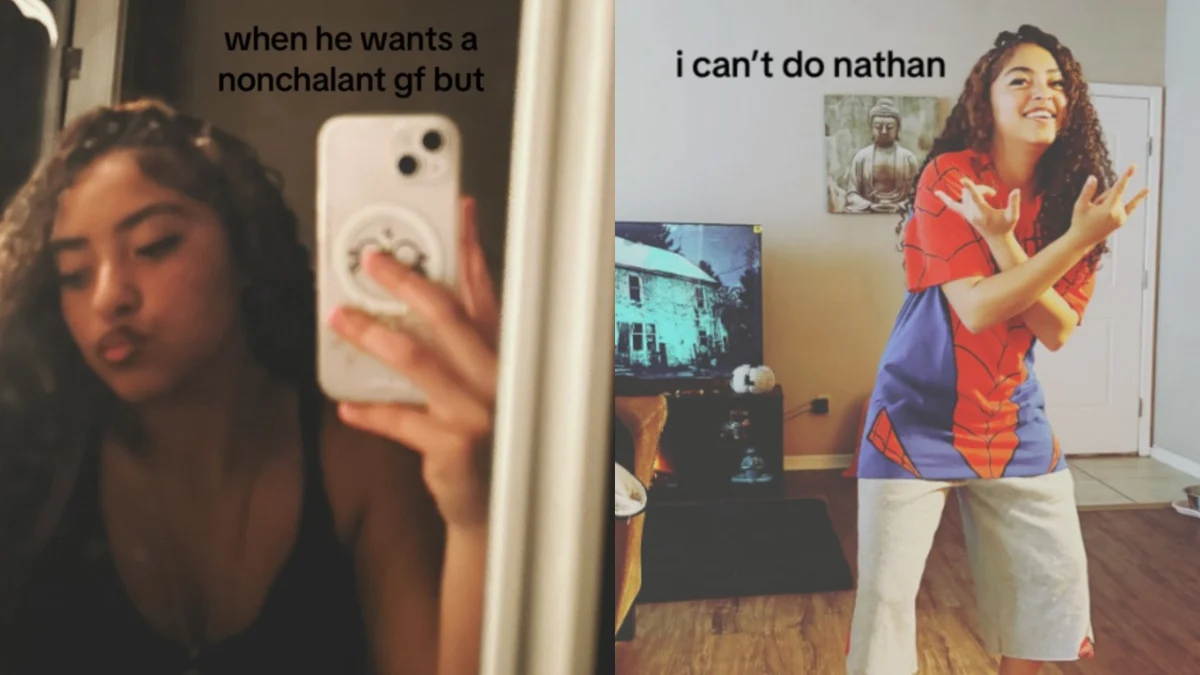
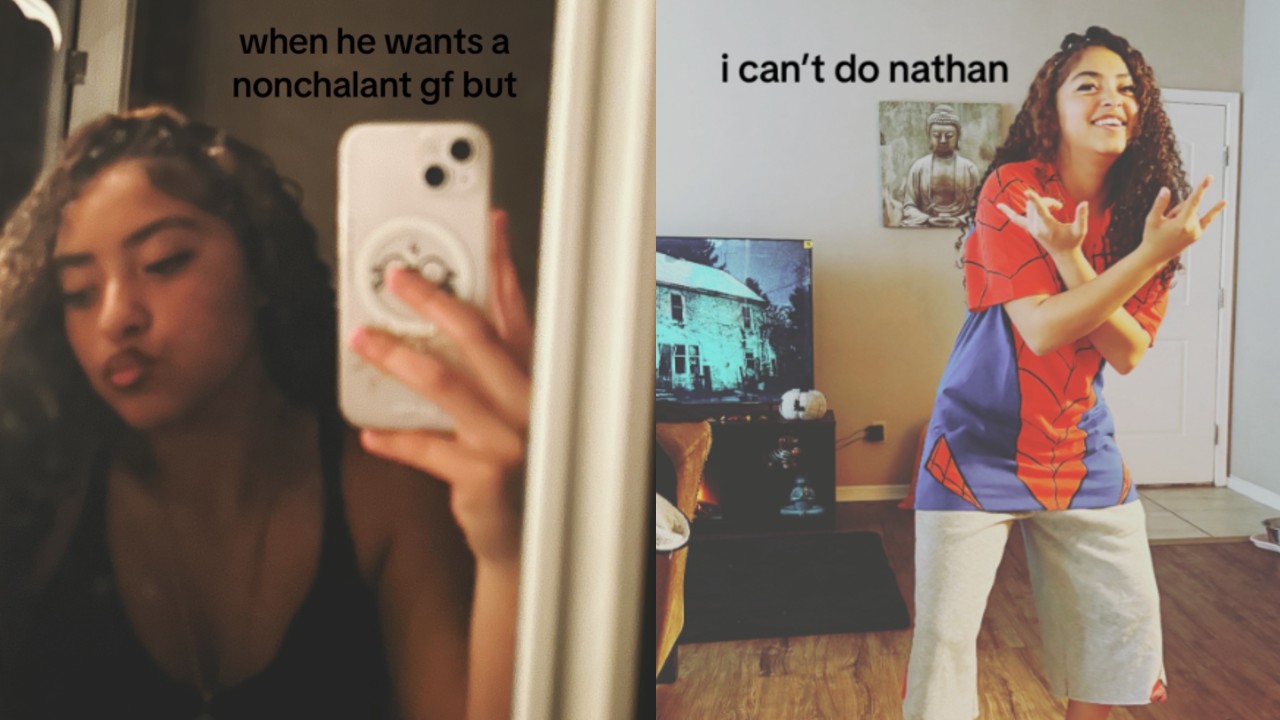
The first week of September 2026 saw the meme enter its "creative reimagining" phase. On September 2, TikToker @therealpoocher published an original animation based on the audio clip. Animation is often a sign of a meme’s maturity, as it requires significantly more labor than a simple re-upload or edit. This animation earned over 127,000 views in under a week. Shortly thereafter, on September 5, the meme crossed over into lifestyle and relationship content. TikToker @.name00123 posted a slideshow of images with the caption, "When he wants a nonchalant gf but I can’t do Nathan." This usage replaced the literal meaning of the word "nothing" with "Nathan" in a romantic context, indicating that the phrase had successfully entered the slang lexicon. By September 6, the phrase was being used as a standalone text-based joke on X (formerly Twitter), where user @LiterallyMeGuy received over 7,300 likes for simply posting the four-word phrase.
Technical and Cultural Context: The Aim Assist Debate
To understand why the "I Can’t Do Nathan" clip resonated so deeply with the gaming community, one must look at the long-standing controversy surrounding "aim assist" in first-person and third-person shooters. Fortnite, like many modern cross-platform games, allows players on consoles (using controllers) to compete against players on PCs (using mice and keyboards). Because a mouse offers more precision than a thumbstick, developers implement "aim assist"—a software feature that subtly pulls the player’s crosshairs toward an enemy to level the playing field.
The child’s hyperbolic claim of "one million trillion aim assist" touches on a perennial nerve in gaming culture. PC players often view aim assist as an "aimbot" or a form of sanctioned cheating, while controller players argue it is a necessary tool for parity. The child’s outburst was a visceral expression of a frustration shared by millions of players who feel that software, rather than skill, determines the outcome of their matches. The meme, therefore, functions not just as a joke about a mispronounced word, but as a satirical commentary on the state of competitive gaming balance in 2026.
Linguistic Analysis of the "Nathan" Mondegreens
Linguistically, "I Can’t Do Nathan" is classified as a mondegreen—a word or phrase that results from a mishearing of another. In this case, the shift from "nothing" to "Nathan" is a result of several factors:
- The Glottal Stop: Many English dialects, particularly among younger speakers in certain North American and British regions, replace the "th" or "t" sounds with a glottal stop or a softer dental sound.
- Audio Compression: Voice-over-IP (VoIP) systems used in gaming often compress audio to save bandwidth, which can clip the frequencies required to distinguish between "o-th" and "a-th" sounds.
- The "Nonchalant" Trend: The eventual pivot of the meme into the "nonchalant girlfriend" trend shows how internet users enjoy the cognitive dissonance of using a proper noun (Nathan) in place of a pronoun (nothing). It creates a "coded" language that rewards those who are "in" on the joke, a hallmark of Gen Z and Gen Alpha digital communication.
Statistical Impact and Audience Engagement
The metrics surrounding the "I Can’t Do Nathan" meme suggest a high level of engagement across multiple platforms. On TikTok, the hashtag #icantdonathan and its variants have accumulated tens of millions of views. Data analysis of search interest indicates a sharp spike starting August 20, 2026, peaking in early September.
The engagement is not merely passive; it is highly participatory. The "puking sound" edit created by @therealzengu became a "sound template," a specific type of digital asset that users "stitch" or "duet" to create their own content. This participatory nature is what allowed the meme to survive the initial news cycle of the original YouTube video. By the time the meme reached X and Instagram, it had been stripped of its original context, becoming an abstract symbol of "giving up" or "being unable to cope."
Broader Implications for Gaming and Social Media
The "I Can’t Do Nathan" phenomenon highlights the increasing influence of "trolling" creators like Blitzerz. While the ethics of recording and mocking children for content are often debated, the financial and social incentives remain high. These interactions provide a raw, unscripted form of entertainment that serves as the "raw material" for the broader internet meme economy.
Furthermore, the meme illustrates the speed at which digital culture can synthesize a new vocabulary. Within less than three weeks, "Nathan" became a functional synonym for "nothing" or "anything" in specific online circles. This rapid linguistic evolution demonstrates the power of short-form video platforms to act as accelerators for cultural change.
As of mid-September 2026, the meme continues to propagate through various subcultures. While its origin is firmly rooted in the mechanics of Fortnite and the frustrations of a young gamer, its current form is a testament to the unpredictable and often surreal nature of internet fame. Whether "Nathan" will remain a permanent fixture of gaming slang or fade as a seasonal trend remains to be seen, but its impact on the digital landscape of late 2026 is undeniable. The meme stands as a quintessential example of how a moment of genuine human emotion, however small, can be captured, edited, and redistributed to provide a shared language for millions of people across the globe.

