
The modern technology landscape is increasingly defined by a profound disconnect between what consumers claim to want and how they actually interact with digital products. While corporate boardrooms often rely on high-level assumptions and internal "hunches" to drive product roadmaps, a growing body of evidence suggests that these methods frequently fail to capture the multi-layered reality of human behavior. To bridge this gap, industry leaders are turning to advanced frameworks such as the "Four Levels of Customer Understanding," a model pioneered by researcher Hannah Shamji that emphasizes the necessity of looking beneath the surface of user feedback to identify the hidden motivations and root causes that dictate market success.
The fundamental challenge facing user experience (UX) professionals today is the inherent unreliability of self-reported data. In practice, what people say, think, feel, and do are often distinct and occasionally contradictory phenomena. Traditional market research, which relies heavily on surveys and direct questioning, often falls victim to "social desirability bias" and a lack of self-awareness among participants. As the industry moves toward a more mature, evidence-based approach, the shift from "validating" preconceived ideas to "diagnosing" actual behavior has become a cornerstone of sustainable product development.
The Fallacy of Direct Questioning in User Research
For decades, the standard operating procedure for product development involved asking users "burning questions" about their preferences and future intentions. However, prominent design strategists, including Erika Hall, have argued that direct questioning is perhaps the least effective way to obtain actionable insights. This perspective is rooted in the psychological reality that humans are often unaware of their true motivations. When asked why they use a specific feature or why they canceled a subscription, users frequently retroactively construct a logical narrative that may not align with their actual subconscious triggers.
Research indicates that users tend to exaggerate their needs, focusing on "edge cases" or unrealistic scenarios rather than their daily routines. For example, a consumer might insist that a product comparison table is a mandatory requirement for an e-commerce site, yet heat-map data might show they never interact with such a feature, instead relying on visual cues or brand familiarity. This discrepancy highlights the danger of taking user feedback at face value. When companies build based solely on verbalized requests, they risk bloating their products with "zombie features" that satisfy stated desires but fail to solve actual problems.
Linguistic Ambiguity and the Variable Interpretation of Probability
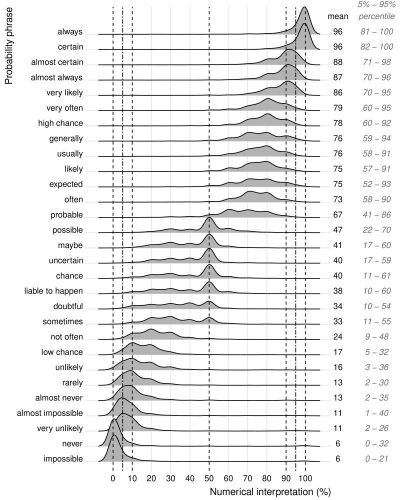
The complexity of understanding the user is further compounded by the inherent imprecision of language. A significant study on Dutch verbal probability terms, cited by UX analysts such as Thomas D’hooge, reveals a startling lack of consensus on what common words actually mean in a numerical context. The study demonstrated that while extreme terms like "always" or "never" have high agreement, phrases such as "possible," "likely," "uncertain," or "maybe" lead to a massive spread of interpretations among different individuals.
In a professional setting, if a user says it is "likely" they would use a new feature, a product manager might interpret that as a 70% probability of adoption, while the user might have meant closer to 30%. This linguistic "noise" makes qualitative feedback notoriously difficult to quantify. Consequently, relying on the nuances of user vocabulary without triangulating that data against observed behavior can lead to catastrophic errors in market forecasting and resource allocation.
The Four Levels of Understanding: A Structural Framework
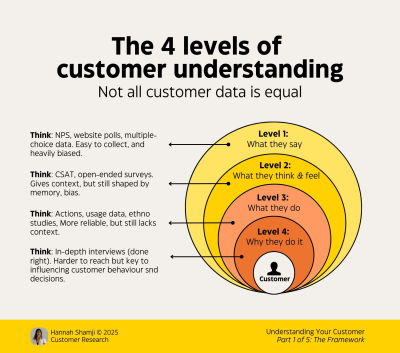
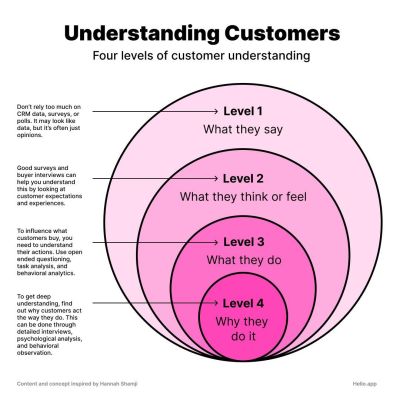
To navigate this "messy and noisy" reality, the Shamji framework proposes a nested approach to research that moves from the superficial to the foundational.
- What They Say: This is the outermost layer, consisting of verbal feedback, survey responses, and customer support tickets. While accessible, it is the most prone to bias and inaccuracy.
- What They Think or Feel: This level explores the cognitive and emotional state of the user. It requires deeper interviewing techniques to uncover the internal monologues that precede an action.
- What They Do: This is the behavioral layer. It involves observing actual interactions—where a user clicks, where they hesitate, and where they abandon a task. This data is significantly more reliable than the first two levels because it is objective.
- Why They Do It: The innermost core represents the "Jobs to be Done" or the underlying human needs. Understanding this level allows a company to innovate rather than just iterate.
By triangulating across these four levels, researchers can reconcile conflicting data. For instance, a user might say they find a checkout process "easy" (Level 1) while their behavior shows they repeatedly hover over a specific form field in confusion (Level 3). The "Why" (Level 4) might reveal a lack of trust in the payment security, an emotion that was not verbalized but was expressed through hesitant movement.
From Sympathy to Compassion: The Role of Emotional Intelligence
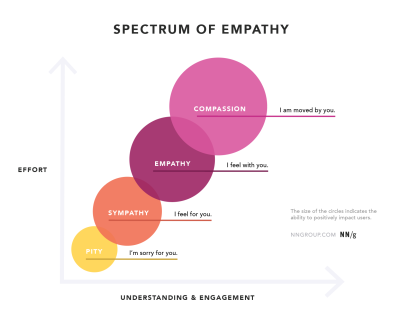
Capturing the emotional nuance of a user’s journey is a critical, yet difficult, task. Sarah Gibbons of the Nielsen Norman Group has articulated a "Spectrum of Empathy" that challenges designers to move beyond mere sympathy toward empathy and, ultimately, compassion. While sympathy involves acknowledging a user’s struggle, compassion involves a proactive commitment to solving the problem.
Historically, UX researchers utilized the "speak-aloud protocol," where users narrate their thoughts while completing a task. Recent analysis suggests this can be disruptive, as the cognitive load of speaking often obscures the very emotions researchers are trying to capture. Modern methodologies now favor silent observation followed by retrospective interviewing. By watching for subtle physical cues—such as a raised eyebrow, a sigh, or the frantic "rage-clicking" of a mouse—researchers can identify friction points that the user might have suppressed or forgotten by the time they are asked to provide feedback.
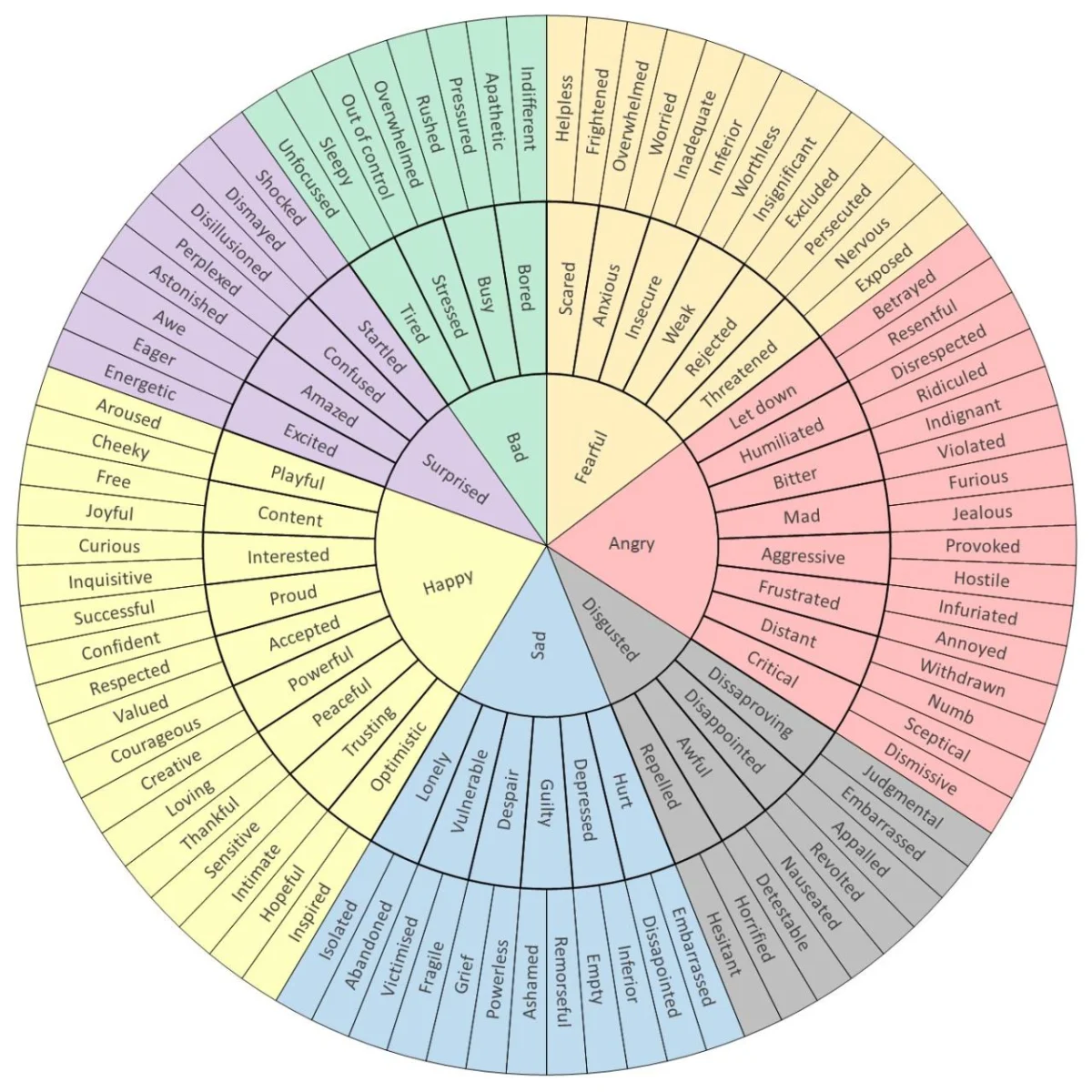
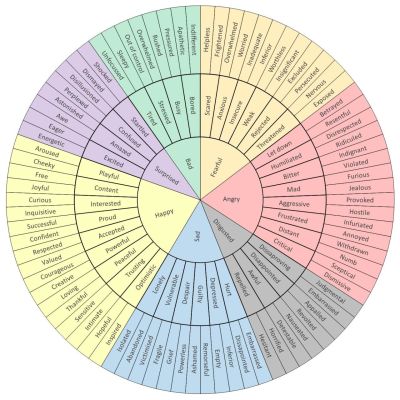
Tools like the "Emotion Wheel" by Geoffrey Roberts are increasingly being used in the field to help users and stakeholders articulate their sentiments more precisely. Moving beyond binary descriptors like "good" or "bad" allows teams to identify specific feelings like "frustration," "insecurity," or "delight," which can then be mapped to specific touchpoints in the user journey.
The Case Against "Validation" Culture
A significant cultural shift is currently underway regarding how companies approach user testing. For years, the term "validation" has dominated the industry, implying that the goal of research is to confirm that a design or business idea is correct. However, critics like Nikki Anderson argue that the word "validate" is inherently biased, as it encourages teams to seek out data that supports their existing assumptions while ignoring "disconfirming" evidence.
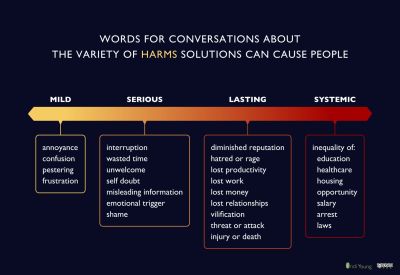
The emerging standard is to replace "validation" with "diagnosis" or "investigation." This objective approach treats a product as a hypothesis to be tested rather than a solution to be proved. By adopting a diagnostic mindset, companies are better equipped to identify potential harms, risks, and systemic issues before they reach the market. This shift is not merely semantic; it changes the incentive structure of research teams from "getting a green light" to "finding the truth."
Practical Implementation: Democratizing User Struggles
Uncovering deep user needs does not necessarily require the multi-million dollar budgets of Silicon Valley giants. Instead, it requires the creation of internal systems that make user struggles visible to the entire organization. Industry experts suggest several low-cost, high-impact strategies:
- Behavioral Observation: Monitoring non-linear actions, such as users scrolling back and forth or hovering without clicking, to identify "silent" confusion.
- Internal Newsletters: Monthly updates that share short video clips of real users struggling with the interface, which can rally engineering and marketing teams around specific pain points.
- Mirroring Techniques: In interviews, repeating a user’s words back to them to encourage deeper explanation and to uncover the context that a first-pass answer might miss.
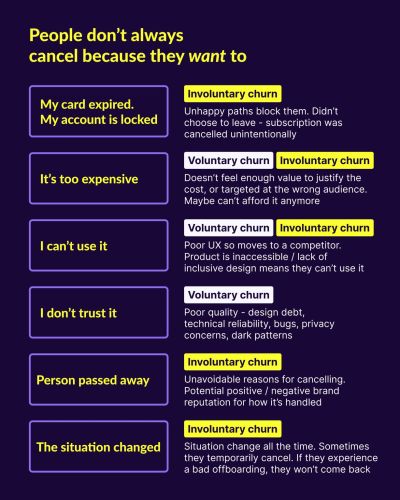
- Mixed-Method Research: Combining quantitative metrics (like churn rates) with qualitative insights to understand the "What" and the "Why" simultaneously.
Broader Economic and Strategic Implications
The shift toward a deeper understanding of user behavior has significant implications for the global tech economy. As the cost of acquiring customers continues to rise, the ability to retain them through superior user experience has become a primary competitive advantage. Companies that fail to look beyond the "obvious reasons" for user behavior often find themselves trapped in a cycle of "feature creep," where they add more complexity to a product without actually increasing its value.
Furthermore, the move away from superficial metrics like the Net Promoter Score (NPS) in B2B sectors suggests a growing demand for more rigorous, behavior-based KPIs. When organizations prioritize actual user success over self-reported satisfaction, they build more resilient products that are less susceptible to market fluctuations.
Ultimately, the goal of modern UX research is to build a sincere and trustworthy relationship with the consumer. By acknowledging that what people say is only the first layer of a complex reality, companies can move toward a more sophisticated model of product development—one that values observation over assumption and diagnosis over validation. In an era of infinite choice, the companies that truly understand the "messy and noisy" reality of their users are the ones that will define the future of the digital experience.

