
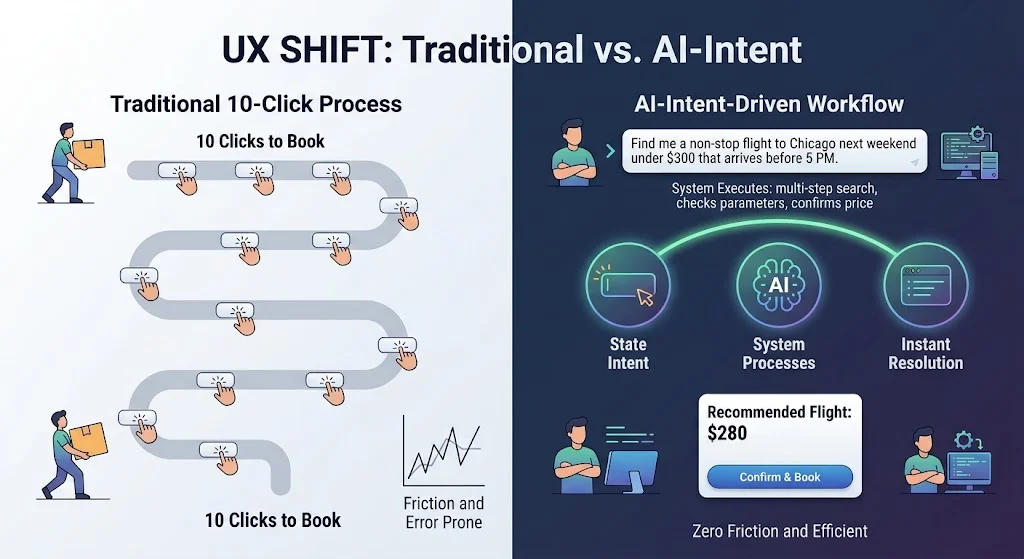
The digital landscape is currently undergoing its most significant architectural shift since the introduction of the commercial graphical user interface in the early 1980s. For over four decades, the primary method of human-computer interaction has been defined by the WIMP paradigm—Windows, Icons, Menus, and Pointers. This model, pioneered by the Xerox Star and cemented into the public consciousness by the 1984 Apple Macintosh, required users to navigate complex visual hierarchies to achieve specific goals. However, the emergence of high-reasoning large language models and autonomous agents is now facilitating a transition toward "Intent-Driven Design," a philosophy where the interface recedes into the background, replaced by systems that interpret human goals and execute them autonomously.
This evolution represents a move away from managing software toward achieving outcomes. In the traditional web environment, a simple task like booking a cross-country flight involves a "10-click process" characterized by manual data entry, filter toggling, and the management of multiple browser tabs. Under the new paradigm of intent-driven design, the computer ceases to be a passive container of data and instead becomes an active orchestrator. By shifting the burden of execution from the user to the machine, the industry is moving toward what design theorist Golden Krishna described as the "Best Interface is No Interface."

The Chronological Evolution of Human-Computer Interaction
The journey toward invisible interfaces has moved through several distinct eras, each marked by a reduction in the friction between human thought and digital execution.
In the 1970s and early 1980s, the Command Line Interface (CLI) reigned. Interaction was text-based and required users to memorize specific syntaxes. The barrier to entry was high, limiting computing to specialists. The 1981 release of the Xerox Star and the subsequent 1984 Macintosh introduced the Graphical User Interface (GUI), which democratized computing through visual metaphors. Users no longer needed to remember commands; they simply had to recognize icons and buttons.
The mid-2000s saw the rise of the Touch Interface, popularized by the iPhone in 2007. This removed the abstraction of the mouse, allowing users to manipulate digital objects directly. Despite this leap, the fundamental reliance on menus and forms remained. The current era, beginning roughly in 2022 with the mainstreaming of Generative AI, marks the start of the Intent Era. In this phase, the primary input is natural language or contextual awareness, and the output is a completed task rather than a list of options.
Case Studies in Intent-Based Platforms
Several modern platforms illustrate how the removal of traditional UI elements can enhance utility and speed. These tools move beyond the "point-and-click" model to provide synthesized results based on high-level goals.
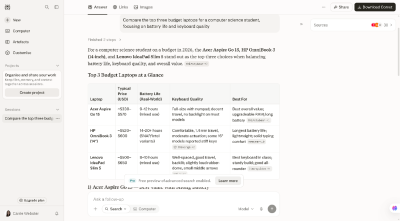
Perplexity AI serves as a primary example of search evolution. Traditional search engines like Google function as directories, providing a list of links that the user must then manually investigate. Data from digital marketing analysts suggests that the average research task requires a user to open between five and seven tabs to cross-reference information. Perplexity bypasses this by synthesizing information from multiple sources into a single, cohesive answer, effectively eliminating the need for the user to navigate the underlying web interfaces.
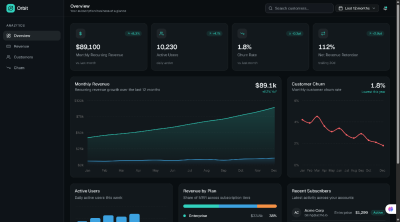
In the realm of software development and design, Vercel’s v0 platform demonstrates the transition to "Generative UI." Historically, creating a web interface required manual manipulation of design tools like Figma or the writing of extensive CSS code. V0 allows users to describe a desired interface in natural language. The system then generates the functional code and layout dynamically. This shifts the designer’s role from a manual laborer of pixels to a curator of intent.
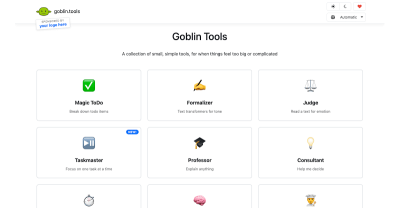
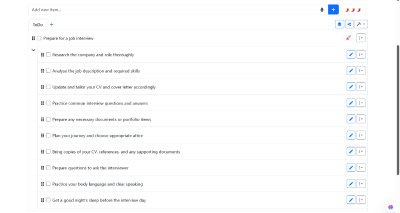
Furthermore, Goblin.tools provides a specialized look at how intent-driven design can assist with cognitive load. Designed primarily for neurodivergent users, the platform takes a single, overwhelming goal—such as "prepare for a job interview"—and uses AI to decompose it into a granular, manageable checklist. This removes the "blank page" friction inherent in traditional productivity apps that require users to build their own organizational structures.
The Three Pillars of Intent-Driven Design
The transition to invisible interfaces is built upon three technical and philosophical pillars that differ fundamentally from traditional UX approaches.
-
High-Level Goal Capture: Instead of tracking micro-actions like clicks and hovers, intent-driven systems focus on capturing high-level human objectives. This is often achieved through natural language processing or by leveraging environmental metadata. For instance, a system might use a device’s location, time of day, and past behavior to anticipate that a user needs a ride-share to the airport without the user ever opening an app.
-
Generative User Interfaces: Traditional interfaces are static; every user sees the same navigation bar and layout. Generative UI, as analyzed by the Nielsen Norman Group, allows the interface to be rendered on the fly based on the specific context of the user’s request. If a user asks to "analyze this quarterly budget," the interface might temporarily generate a complex data visualization widget that disappears once the task is complete.
-
Autonomous Execution by Agents: In the GUI era, the human was the operator and the computer was the tool. In the Intent era, the computer acts as an agent. This involves the system taking multi-step actions—such as searching, comparing, and purchasing—in the background. This shift necessitates a change in how designers handle errors. Rather than focusing on "confirmation modals" that interrupt the flow, designers are prioritizing "frictionless reversibility," such as robust undo features and transparent audit logs.
Supporting Data and Industry Analysis
Market research indicates a growing demand for efficiency over engagement. According to a 2023 report by Gartner, 40% of enterprise applications will include embedded conversational AI by 2026, up from less than 5% in 2020. This shift is driven by the realization that "time spent in app"—a long-standing metric for success—often correlates with user frustration rather than satisfaction.
The Nielsen Norman Group’s recent studies on AI as a new UX paradigm suggest that for the first time in 60 years, the fundamental interaction model is changing. Their research highlights that "outcome-specification" is replacing "command-based interaction." This transition is expected to increase productivity for high-complexity tasks by as much as 66%, as users are freed from the mechanical "grunt work" of software navigation.
Expert Perspectives and Ethical Considerations
While the move toward invisible interfaces promises efficiency, it has prompted reactions from human-computer interaction (HCI) experts regarding the "Black Box" problem. When an AI agent executes tasks based on inferred intent, the user may lose sight of how decisions are being made.
The Google PAIR (People + AI Research) Guidebook emphasizes the need for "interpretability." Experts argue that if a system makes a decision for a user—such as selecting a flight—it must be able to explain its reasoning (e.g., "I chose this flight because it was the only non-stop option under your $300 limit"). Without this transparency, trust in autonomous systems remains low.
Ethical frameworks from the Center for Humane Technology also warn against "manipulative defaults." In an interface-free world, the software’s "choice" becomes the user’s reality. If an intent-driven travel agent is programmed to prioritize certain airlines over others without the user’s knowledge, the removal of the interface becomes a tool for hidden bias rather than user empowerment.
Broader Impact on the Design Profession
The shift toward intent-driven design necessitates a radical re-evaluation of the UX designer’s role. For decades, designers have been measured by their ability to create aesthetic, usable visual components. In the future, the primary skill set will shift toward "Intent Mapping" and "Ethical Oversight."
Designers will spend less time drawing buttons and more time defining the logic of how a system should respond to various human goals. This includes designing the "ambient feedback" that lets a user know a task is being handled in the background and creating the "guardrails" that prevent autonomous agents from taking high-stakes actions—such as financial transactions—without explicit, meaningful consent.
Conclusion and Future Outlook
The ultimate goal of modern web design is no longer to build "prettier" interfaces, but to render the interface itself obsolete. As digital tools become more adept at understanding human context and intent, the "labyrinth of menus" that has defined the last 40 years of computing will likely be viewed as a historical necessity rather than a design ideal.
Success in this new era will be measured by "Time Well Spent"—a concept popularized by the Center for Humane Technology. The most successful digital products of the next decade will likely be those that the user interacts with the least, solving problems and executing tasks with a level of seamlessness that allows technology to finally disappear into the fabric of daily life. The "Death of the Button" is not an end to design, but the beginning of a more human-centered, outcome-oriented relationship with the digital world.

