
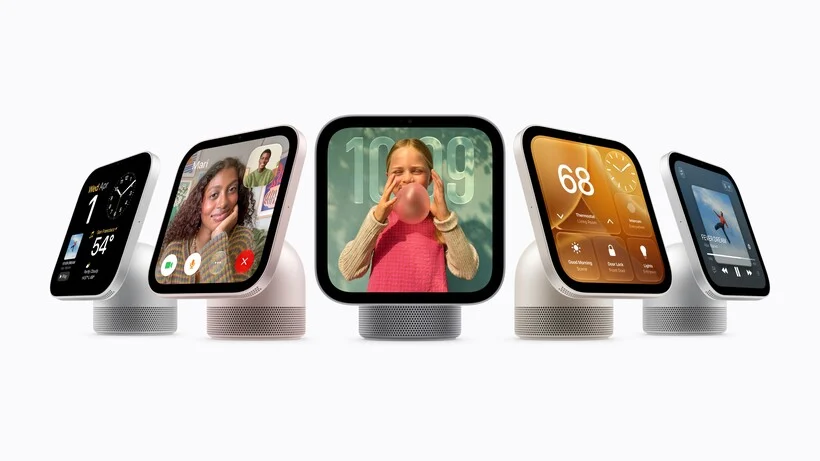
Apple’s highly anticipated entry into the smart display market, HomeView, has prompted swift action from leading smart home manufacturers. SwitchBot and Nanoleaf have collaboratively released an in-depth guide detailing how a wide array of their popular products can be seamlessly controlled via Apple’s new device. This joint publication underscores the growing interoperability within the smart home ecosystem, particularly with the advent of the Matter standard, and signals a significant step towards a more unified user experience.
The guide, published shortly after HomeView’s official announcement on October 13th, addresses the practical integration of SwitchBot’s extensive product line, including automated curtains, smart locks, robot vacuums, and various home automation accessories, alongside Nanoleaf’s signature smart lighting solutions. This proactive approach by both companies aims to demystify the setup process for consumers and highlight the potential of HomeView as a central control hub.
HomeView, priced at £299 in the UK and $299 in the US, features a 7-inch touchscreen and crucially serves as both a Matter controller and a Thread Border Router. These functionalities are pivotal in enabling third-party devices, such as those from SwitchBot and Nanoleaf, to communicate and be managed within Apple’s HomeKit framework through the new display. The guide meticulously lists compatible devices, offering users clarity on which of their existing or potential smart home investments will work harmoniously with HomeView.
The Scope of Integration: A Detailed Look
The bulk of the compatibility information within the joint guide focuses on SwitchBot’s diverse portfolio. This includes their advanced Curtain 3 and Blind Tilt systems, designed to automate window coverings, as well as the Lock Vision Series of smart locks, offering enhanced security and convenience. Furthermore, SwitchBot’s range of sensors, meters, smart plugs, and switches, along with their air-care products and a selection of their robot vacuums, are all detailed for HomeView integration. Nanoleaf contributes its range of aesthetically pleasing and customizable smart lighting panels and bulbs to this expanding list of compatible devices.
A key feature highlighted in the guide is the ability for users to create and execute sophisticated "Apple Home scenes" that combine actions from both SwitchBot and Nanoleaf products. For instance, a pre-programmed "Good Morning" scene could be configured to simultaneously draw open SwitchBot curtains and adjust Nanoleaf lights to a desired brightness and color temperature, all initiated with a single touch on the HomeView screen or a simple voice command to Siri. Similarly, "Movie Night" or "Good Night" routines can be similarly orchestrated, showcasing the power of unified control for ambiance and convenience.
This cross-brand routine capability is not entirely new to the smart home landscape. Amazon’s Echo Show and Google’s Nest Hub devices have offered similar functionalities for years. However, HomeView’s native support for Matter signifies a significant advancement, allowing it to extend its control far beyond Apple’s own "Home Collection" accessories, which were developed in collaboration with brands like LG and Schneider Electric. The Matter standard, designed to simplify device compatibility and ensure interoperability across different manufacturers and platforms, is a cornerstone of this broader integration.
Connection Requirements and Setup Nuances
The joint guide delves into the technical aspects of connecting SwitchBot and Nanoleaf devices to HomeView, acknowledging that the setup process can vary depending on the underlying connectivity technology. Products that utilize Matter over Wi-Fi or are already HomeKit-certified generally offer a more straightforward integration.
However, the guide also addresses a specific requirement for certain SwitchBot accessories. Many of these devices rely on Bluetooth for their primary communication. To bridge this gap and enable them to appear and be controlled within Apple Home via HomeView, a compatible SwitchBot Matter Hub is necessary. This introduces an additional cost for users who may not already possess this intermediary device, a detail crucial for potential buyers to consider. The guide clearly delineates which products necessitate this extra hardware, preventing potential frustration during the setup phase.
To further enhance user experience and simplify the process of planning a smart home setup, the guide categorizes compatible products by room. This includes sections dedicated to the bathroom, bedroom, entryway, home office, kitchen, laundry area, and living room. This room-by-room breakdown allows consumers to easily identify which devices are suitable for specific spaces within their homes, facilitating a more organized and efficient smart home implementation.
HomeView’s Market Positioning and Availability
HomeView’s pricing at £299 for both its tabletop and wall-mounted variants in the UK positions it as a premium smart display. Notably, Apple has stated that it will not be selling HomeView in the European Union at this time, citing the current unavailability of Siri AI functionalities in that region. This decision highlights Apple’s phased approach to product launches and regulatory compliance.
The release of the comprehensive compatibility guide ahead of HomeView’s UK launch on November 13th is a strategic move. It empowers consumers to assess their existing smart home inventory and plan their purchases accordingly, ensuring a smooth transition to the new Apple ecosystem. By clearly outlining connection requirements, including the potential need for a Matter Hub, SwitchBot and Nanoleaf are demonstrating a commitment to transparency and user satisfaction.
The Broader Implications for the Smart Home Market
The collaborative effort between SwitchBot and Nanoleaf, and their proactive engagement with Apple’s HomeView, signifies a maturing smart home market. The widespread adoption of the Matter standard is increasingly breaking down historical barriers to interoperability, allowing consumers to mix and match devices from various brands without being locked into a single ecosystem.
This trend towards open standards and cross-platform compatibility benefits consumers by offering greater choice, flexibility, and potentially lower costs as competition intensifies. For manufacturers, it opens up new avenues for market penetration and fosters innovation by encouraging them to focus on product quality and user experience rather than proprietary ecosystem lock-in.
The successful integration of a diverse range of third-party devices with HomeView will likely set a precedent for future smart display launches and reinforce the value proposition of Matter. As more manufacturers align their product roadmaps with these interoperability standards, the smart home experience is poised to become more intuitive, accessible, and powerful for a wider audience.
Historical Context and the Evolution of Smart Displays
The smart display category has evolved significantly since its inception. Early iterations, such as Amazon’s Echo Show and Google’s Nest Hub, primarily served as visual interfaces for their respective voice assistants, offering features like recipe display, video calls, and smart home control within their own ecosystems.
Apple’s entry into this market with HomeView, particularly with its robust Matter and Thread capabilities, signals a strategic shift. It positions HomeView not just as a display for Apple services but as a central hub designed to unify the broader smart home landscape. The inclusion of Matter controller functionality means HomeView can directly manage and communicate with Matter-certified devices, simplifying network complexity and enhancing local control capabilities. Thread, a low-power, low-data-rate wireless mesh networking protocol, is also crucial for the reliable and efficient operation of many smart home devices, especially those requiring constant connectivity like sensors and locks.
The announcement of HomeView and the subsequent detailed compatibility guides from companies like SwitchBot and Nanoleaf can be viewed within the broader context of Apple’s strategy to expand its influence in the home environment. While Apple has historically focused on its premium product lines, the HomeKit ecosystem has been a gradual but steady push into the connected home. HomeView represents a more direct and visually engaging approach to this strategy, aiming to compete with established players by offering a refined user experience and a commitment to interoperability through standards like Matter.
Future Outlook and Consumer Impact
The continued development and release of such comprehensive guides are vital for the widespread adoption of new smart home platforms. As consumers become more aware of the possibilities of a truly integrated smart home, the clarity provided by these resources will be instrumental in driving purchasing decisions. The success of HomeView will likely hinge on its ability to deliver on its promise of seamless integration across a wide variety of devices, and the efforts of companies like SwitchBot and Nanoleaf to ensure their products are readily compatible are a strong indicator of a positive future for the platform.
The collaboration between SwitchBot and Nanoleaf also highlights a growing trend of brands working together to enhance the user experience. Instead of competing solely on individual product features, these companies are recognizing the value of a cohesive ecosystem. This cooperative spirit, coupled with the underlying technological advancements of standards like Matter, bodes well for a future where smart homes are not only more capable but also significantly easier to set up and manage for the average consumer. The coming months will undoubtedly reveal more about HomeView’s performance and its impact on the broader smart home market as users begin to integrate it into their daily lives.

