
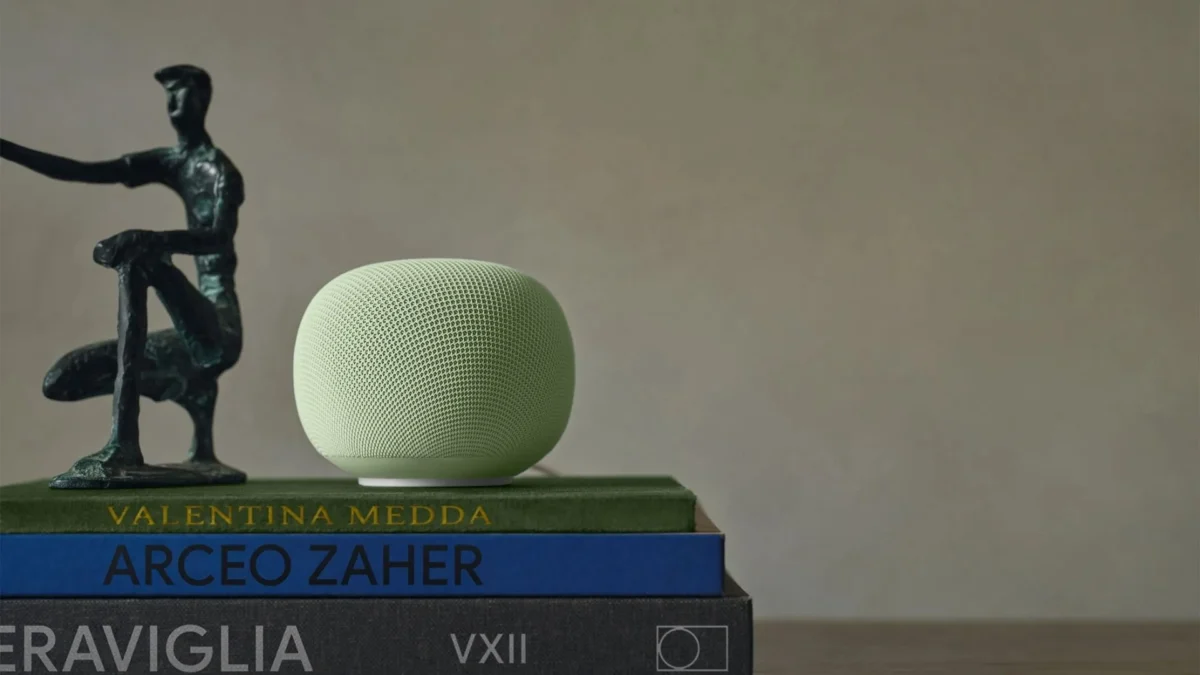
Google’s much-anticipated return to the standalone smart speaker market with its new Home Speaker has been significantly hampered by a persistent setup failure issue affecting a notable number of early adopters. This setback comes just weeks after the device’s launch, a period that was already shadowed by initial reports of sluggish and unresponsive performance. The setup problem, which causes the initial configuration process to stall before completion, has left new owners frustrated and seeking workarounds, with many resorting to factory resets that have proven largely ineffective. The recurring technical glitches raise concerns about the maturity of Google’s latest smart home offering and echo a broader trend of early-stage issues with recent Google hardware releases.
The introduction of the Google Home Speaker marked a significant moment for the tech giant, aiming to re-establish its presence in a segment of the smart home market where it had been conspicuously absent for nearly six years. The previous iteration of a standalone Google smart speaker, the Nest Audio, was released in 2020, but the company’s focus had largely shifted towards smart displays and integration within other devices. This long hiatus left Google’s home audio lineup appearing comparatively thin against competitors like Amazon’s Echo devices and Apple’s HomePod. The Home Speaker was positioned as a direct contender, promising a refined audio experience and enhanced smart home control, all within a sleek, minimalist design. However, the early days of its availability have been anything but smooth.
Reports of the setup failures began to surface across online forums and social media platforms shortly after the device became widely available. Reddit, in particular, became a hub for affected users to share their experiences and seek solutions. Threads on subreddits like r/googlehome detailed instances where the setup process would freeze at a critical juncture, leaving the speaker in an unresponsive state. Many users described following the on-screen instructions through the Google Home app, only to encounter a persistent error message or simply a frozen progress bar. The common recourse of performing a factory reset, which typically involves holding down a button on the device to return it to its original settings, has, in many cases, failed to resolve the underlying issue. This has led to a situation where some users are unable to even begin utilizing the core functionalities of their newly purchased smart speaker.
This setup problem is not an isolated incident but appears to be part of a larger pattern of early-stage technical difficulties that have plagued several of Google’s recent smart home hardware launches. The company has a history of releasing devices that require subsequent software updates to iron out initial bugs and optimize performance. While this is not uncommon in the fast-paced world of consumer electronics, the frequency and nature of these issues with Google’s offerings have drawn attention. For consumers investing in new smart home technology, the expectation is a seamless and reliable experience from the outset, especially after a considerable waiting period for a product category.
Google Acknowledges Issue, Promises Swift Resolution
In response to the widespread reports, Google has officially acknowledged the setup failure issue affecting its new Home Speaker. A spokesperson for the company confirmed that a software update is in development and will address the problem. For users eager to get their devices up and running immediately, Google has provided a simple, albeit temporary, solution: unplugging the speaker and then plugging it back in. This power-cycling maneuver, according to Google, should trigger the update and resolve the setup glitch for most affected units.
The company indicated that the software update is designed to roll out automatically to all devices, with the expectation that every unit will receive the fix within a 24-hour period. This approach suggests that the issue is software-related and not a hardware defect, which would typically require a more extensive recall or replacement program. The 24-hour window provides a clear timeframe for affected customers, offering a degree of reassurance that their investment will soon be functional. However, the need for such an immediate, user-initiated workaround for a fundamental setup process highlights the imperfect nature of the device’s initial release.
The timeline of events leading up to and following the Home Speaker’s launch can be traced as follows:
- Pre-Launch Anticipation: Google’s prolonged absence from the standalone smart speaker market created significant anticipation for any new entry. The Home Speaker was positioned as a significant re-entry, aiming to recapture market share and showcase advancements in voice assistant technology and audio quality.
- Weeks Before Launch: Initial reviews and early access programs, while not widely publicized, may have hinted at performance nuances. However, the scale of the setup issue only became apparent with the broader consumer release.
- Launch Day and Immediate Aftermath: The Google Home Speaker officially went on sale. Almost immediately, users began reporting not only slow and unresponsive performance in everyday tasks but also the critical setup failure.
- Emergence of Setup Glitch: Within the first few weeks of general availability, user reports on platforms like Reddit and tech forums detailed the specific nature of the setup failure, where the process would stall midway.
- User Workarounds and Frustration: Affected users attempted factory resets and other troubleshooting steps, with limited success, leading to growing frustration.
- Google’s Confirmation and Solution: Google acknowledged the issue and announced a forthcoming software update, advising users to power cycle their devices as an immediate fix. The company committed to a 24-hour rollout window for the automatic update.
Performance Concerns Preceded Setup Issues
It is important to note that the setup failures did not emerge in a vacuum. Even before the widespread reports of configuration problems, the Google Home Speaker had already garnered criticism for its performance in various everyday scenarios. Users noted instances where the device was slow to respond to voice commands, took an extended time to execute requests, or sometimes failed to respond altogether. These performance hiccups, even if minor for some, added to a growing perception that the device might not be as polished as anticipated.
The slow and unresponsive performance has been a recurring theme in early user feedback. For a device whose primary function is to provide instant access to information and control smart home devices via voice, such delays can significantly detract from the user experience. This suggests that the underlying software architecture or the integration with Google’s broader AI services might still be undergoing optimization. The problem of lag and unresponsiveness in smart home devices is not unique to Google, but given the company’s extensive experience in AI and software, consumers often have higher expectations for its hardware.
Alternatives Emerge Amidst Technical Hurdles
The troubled debut of the Google Home Speaker has prompted some consumers to reconsider their purchase decisions. For those seeking a reliable smart speaker experience, the persistent early-stage issues have made the prospect of dealing with potential glitches unappealing. This has led to several observable trends in consumer behavior:
- Continued Reliance on Older Models: Some buyers have opted to stick with the six-year-old Nest Audio, which, despite its age, offers a more established and reportedly stable performance profile. The familiarity and proven reliability of older devices can outweigh the allure of newer, yet unproven, technology.
- Gravitation Towards Smart Displays: A significant number of users have shifted their attention to devices with integrated screens, such as the Pixel Tablet when used in speaker mode. The added visual feedback provided by a screen can enhance daily interactions, offering a more intuitive user experience compared to screen-free devices. This preference highlights a potential market segment that values a richer, multi-modal interface for smart home control and information access.
- Exploring Competitor Offerings: While not explicitly detailed in user reports, the ongoing issues with Google’s flagship speaker may also lead some consumers to explore offerings from competitors like Amazon and Apple, who have established track records of delivering more consistent performance in their smart speaker lines.
Despite these challenges, the Google Home Speaker remains available for purchase at retailers worldwide, with a price point of approximately £99 or $99. The company’s swift acknowledgment and commitment to a software fix are crucial steps in rebuilding consumer confidence. However, the long-term success of the Home Speaker will likely depend on its ability to deliver a consistently reliable and responsive performance once these initial hurdles are overcome.
Broader Implications for Google’s Smart Home Ecosystem
The recurring glitches with the Google Home Speaker, and indeed with several other recent Google smart home hardware releases, raise broader questions about the company’s product development and quality assurance processes. While iterative software updates are a standard practice, the consistent need for early patches on multiple new devices suggests a potential strain on the resources or methodologies employed in bringing these products to market.
For Google, a company deeply invested in its AI and smart home ecosystem, maintaining a reputation for reliable hardware is paramount. Consumers integrate these devices into the very fabric of their homes, relying on them for everything from controlling lights and thermostats to playing music and managing daily schedules. Any perceived unreliability can erode trust and lead consumers to seek alternatives, potentially impacting the adoption rate of Google’s broader suite of smart home services.
The long-term implications of these early stumbles could include:
- Customer Loyalty: Repeated negative experiences with new hardware could lead to a decline in customer loyalty, with consumers becoming hesitant to invest in future Google smart home products.
- Market Share: In a highly competitive market, any perceived weakness can be exploited by rivals. If Google’s devices are consistently seen as less reliable, competitors could gain a significant advantage in market share.
- Ecosystem Growth: The success of Google’s smart home ecosystem relies on the seamless integration and performance of its various devices. If individual devices fail to perform as expected, it can hinder the overall growth and adoption of the ecosystem.
The current situation with the Google Home Speaker serves as a critical juncture for the company. While the acknowledgment of the issue and the promise of a swift fix are positive signs, the execution of this solution and the long-term reliability of the device will be closely watched by consumers and industry observers alike. The coming weeks and months will be crucial in determining whether the Google Home Speaker can overcome its rocky start and establish itself as a credible contender in the competitive smart speaker market. The ability of Google to learn from these early challenges and implement more robust quality control measures in future product launches will be equally important for the sustained health of its ambitious smart home ambitions.

