
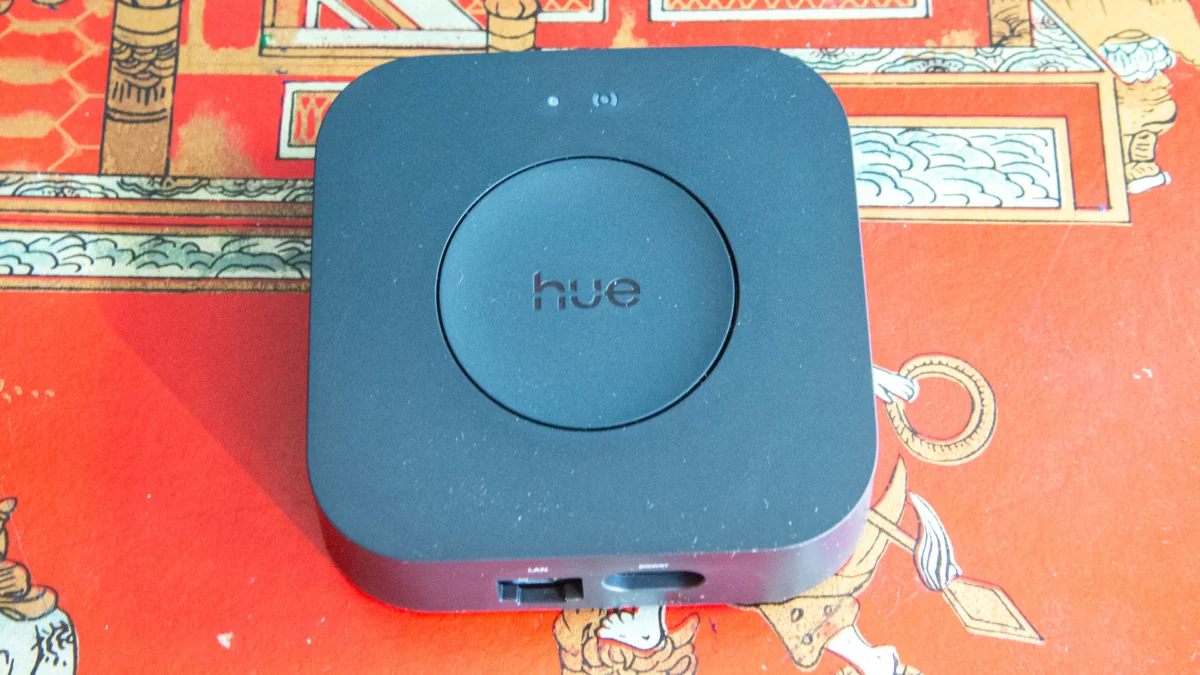
A recent software update, identified as version 2071353020, has inadvertently rendered a number of Philips Hue Bridge Pro devices inoperable, a situation the company has now pledged to rectify by offering free replacements to all affected users, irrespective of their warranty status. The update, which rolled out to Bridge Pro units in late June, was intended to introduce minor operational enhancements rather than any significant new features, according to Philips Hue. However, instead of delivering these promised improvements, a subset of the devices became entirely unresponsive, sparking a wave of user complaints across various regions shortly after the update’s wider distribution.
The Philips Hue Bridge Pro serves as the central nervous system of the brand’s smart lighting ecosystem. It is responsible for orchestrating the communication and control of all connected Hue lights, sensors, and automation routines within a household. Consequently, a single malfunctioning update on this critical hub has the potential to disrupt an entire smart home setup, leaving users without control over their lighting and automated functions. The gravity of this failure underscores the importance of robust firmware development and testing for smart home infrastructure.
Unraveling the Glitch: A Specific Scenario
According to a statement provided to Ars Technica, Philips Hue elaborated on the specific circumstances that led to the issue. The bug, it appears, was not a widespread failure affecting all Bridge Pro devices but was confined to a particular user behavior. The problem was triggered in devices where owners had previously disabled automatic updates and consequently remained on an older firmware version for an extended period. These users then attempted to manually install the problematic update more than ten days after it had initially been downloaded onto their Bridge. This delay, exceeding the typical installation window, appears to have created a conflict that resulted in the device becoming "bricked" or permanently unusable.
This nuanced explanation suggests that the update itself was not inherently malicious but that its interaction with outdated firmware, coupled with a delayed manual installation, created a critical vulnerability. The company indicated that fewer than 100 Bridge Pro units worldwide were affected by this specific glitch. While this represents a relatively small fraction of the total user base, for each affected owner, it meant the sudden and unexpected loss of their smart home’s core controller, leading to significant inconvenience and a loss of functionality.
A Timeline of Disruption and Resolution
The events unfolded in a discernible sequence:
- Late June: Philips Hue releases software update 2071353020 to its Bridge Pro devices. This update was characterized by Philips Hue as containing minor operational improvements.
- Days Following Release: Reports begin to surface from users experiencing unresponsive Bridge Pro devices. These initial reports emerge across multiple regions, indicating a systemic issue rather than isolated incidents.
- Within Weeks: The problem gains wider public attention as more users encounter the "bricked" devices and share their experiences on online forums and social media platforms. The critical role of the Bridge Pro in controlling entire smart home setups becomes evident.
- Company Acknowledgment and Investigation: Philips Hue acknowledges the issue and begins investigating the root cause, working to identify the specific conditions that led to the failures.
- Official Explanation and Scope: Philips Hue provides a statement to media outlets, clarifying that the bug was linked to a specific scenario involving users who had disabled automatic updates and subsequently performed a delayed manual installation of the new firmware. The company estimates that fewer than 100 units were affected globally.
- Unconditional Replacement Policy: In a decisive move to address user concerns and maintain customer trust, Philips Hue announces that all affected Bridge Pro devices will be replaced free of charge, regardless of their warranty status.
- Ongoing Processing and Support: Philips Hue continues to process replacement requests as new reports of affected devices come in, working to resolve the issue for all impacted customers.
Supporting Data and Context
The Philips Hue Bridge Pro is a key component in a sophisticated smart home system. Its function is to create a robust local network for Hue devices, ensuring stable connectivity and rapid response times, particularly important for complex automations and scenarios. Unlike some smart home hubs that rely heavily on cloud connectivity, the Bridge Pro’s local processing power offers a degree of resilience. However, this incident highlights that even localized systems are susceptible to firmware-related failures.
The smart home market has seen significant growth over the past decade, with companies like Philips Hue leading the charge in making intelligent lighting accessible to consumers. Market research reports from firms like Statista project continued expansion in the smart home sector, with revenue in the smart lighting segment alone expected to reach billions of dollars globally. This growth underscores the increasing reliance consumers place on these systems for convenience, security, and energy efficiency. Therefore, a failure in a core component like the Bridge Pro, even if affecting a small percentage of users, can have a disproportionate impact on brand reputation and consumer confidence.
Official Responses and User Reactions
Philips Hue’s commitment to replacing every affected Bridge Pro unit free of charge, irrespective of warranty, has been a significant factor in mitigating the negative impact of this incident. This proactive and consumer-friendly approach has been met with widespread approval within owner communities. On platforms like Reddit, where many smart home enthusiasts gather to share information and experiences, numerous threads have lauded Philips Hue’s response. Users have specifically pointed to this policy as an example of a manufacturer demonstrating strong product support and a willingness to stand behind its hardware without imposing additional costs on the customer. Such positive reinforcement is crucial for maintaining brand loyalty in a competitive market.
While the replacement hardware is provided at no cost, the process of reconfiguring a smart home setup after receiving a new Bridge Pro is not without its challenges. Affected owners will need to re-establish all their custom light settings, create new scenes, and re-program their automation routines. This can be a time-consuming and potentially frustrating process, even when the core hardware is replaced freely. However, the consensus among users appears to be that this inconvenience is a manageable trade-off for the company’s commitment to a no-cost resolution for the faulty hardware.
Broader Implications and Future Considerations
This incident, while affecting a limited number of users, carries broader implications for the smart home industry and consumer trust. It underscores the critical importance of rigorous quality assurance and testing protocols for firmware updates, especially for devices that act as central control hubs. The scenario involving delayed manual updates also highlights the need for clearer communication from manufacturers regarding update management and potential risks associated with prolonged periods on older firmware.
For Philips Hue, the swift and generous response has likely helped to contain reputational damage. By prioritizing customer satisfaction and offering an unconditional replacement, the company has demonstrated a commitment to rectifying its errors. Moving forward, it will be important for Philips Hue to continue to monitor its systems and communicate any potential vulnerabilities or recommended update practices to its user base.
The company’s recommendation for owners who have delayed updates and suspect their Bridge Pro might be vulnerable to contact them before attempting a manual update is a prudent one. This offers a potential avenue for intervention and support, allowing Philips Hue to guide users through the process or perhaps offer proactive solutions. While a specific rollout timeline for the replacement units has not yet been detailed, the company’s ongoing efforts to process affected cases suggest a commitment to resolving the issue comprehensively.
In conclusion, the Philips Hue Bridge Pro firmware update incident serves as a stark reminder of the complexities involved in maintaining reliable smart home ecosystems. While the company’s decisive action to provide free replacements has earned praise, it also emphasizes the ongoing need for robust firmware development, clear communication with consumers, and a strong commitment to customer support in the rapidly evolving world of connected homes. The incident, though contained, offers valuable lessons for both manufacturers and consumers navigating the intricacies of smart technology.

