
The current landscape of artificial intelligence (AI) adoption in the corporate sector increasingly mirrors the tumultuous period of digital transformation observed a decade ago, raising concerns among industry experts that organizations are repeating historical mistakes. As companies rush to integrate generative AI and automated systems into their workflows, a growing body of evidence suggests that many are treating this shift as a purely technological upgrade rather than a fundamental cultural and structural evolution. This oversight, reminiscent of the challenges documented in the 2014 publication Digital Adaptation by Paul Boag, threatens to undermine the potential productivity gains that AI promises.
The Historical Context: Lessons from 2014
In 2014, the primary challenge for organizations was adapting to a "digital-first" world. During this era, IT departments were tasked with the large-scale rollout of Content Management Systems (CMS), Customer Relationship Management (CRM) platforms, and internal intranets. However, these implementations frequently failed to achieve their intended goals because they focused on the tools rather than the people using them.
Historical data from the mid-2010s indicates that a significant percentage of digital transformation projects failed to meet their ROI targets, often due to poor user adoption and a lack of alignment with existing business processes. Experts now point to striking similarities between that era and the current AI boom. Just as organizations in 2014 prioritized the procurement of software over the training of staff, 2024’s corporate leadership is often seen purchasing enterprise licenses for tools like Microsoft Copilot or Google Gemini without a comprehensive strategy for human integration.
Chronology of the Shift: From Digital to Artificial Intelligence
The timeline of this organizational evolution can be divided into several distinct phases:
- The Digital Infrastructure Phase (2010–2015): Organizations focused on migrating from analog to digital systems. The emphasis was on "going paperless" and establishing a web presence. This period saw the rise of the Chief Digital Officer (CDO) role.
- The Cloud and Mobile Integration Phase (2016–2021): Companies moved toward decentralized work environments, accelerated by the global pandemic. Technology became ubiquitous, yet the "human-centric" design of internal tools remained secondary.
- The Generative AI Explosion (2022–Present): Following the public release of advanced Large Language Models (LLMs), organizations entered a "gold rush" phase. The focus shifted from data storage to data synthesis and automated content generation.
Throughout these phases, the recurring theme has been the "tip of the iceberg" phenomenon: management sees the technology (the visible tip) but ignores the massive cultural and procedural changes required beneath the surface.
The Human Element: Motivation and the Fear of Displacement
A central barrier to AI adoption is the psychological state of the workforce. Unlike previous technological shifts, AI carries a perceived threat of total job displacement. According to the 2024 Work Trend Index by Microsoft and LinkedIn, approximately 45% of employees express concern that AI will replace their jobs, yet 75% are already using it to manage their workloads.
From a journalistic perspective, the discrepancy lies in the incentive structure. For senior management, AI represents a tool for increased productivity and cost reduction. However, for the average employee, increased productivity often translates to a higher volume of work within the same 9-to-5 timeframe without a corresponding increase in compensation or career security.
To mitigate this, analysts suggest that organizations must pivot their messaging. Instead of focusing on "doing more with less," successful firms are framing AI as a tool to eliminate the "drudgery" of work—the repetitive, administrative tasks that contribute to burnout. Furthermore, providing tangible incentives, such as reduced working hours or specialized career advancement paths for AI-proficient staff, is becoming a recognized best practice.
The Need for Specialized Training and Procedural Knowledge
Generic, organization-wide training sessions are increasingly viewed as insufficient for the complexities of AI. Adopting AI requires the rebuilding of "procedural knowledge"—the ingrained habits and workflows that employees have developed over decades.
Current industry analysis suggests that the most effective training is role-specific. For example, a User Experience (UX) team requires vastly different AI competencies compared to a legal or accounting department. While a UX designer might use AI for synthesizing research data or generating personas, a legal professional requires tools focused on document discovery and compliance.
Moreover, the "top-down" approach to training is being challenged by the "enthusiast-led" model. In this framework, organizations identify "AI champions"—individuals who are already experimenting with the technology—and provide them with the platform to share their findings with peers. Social proof, the phenomenon where individuals follow the lead of their colleagues, has proven to be a more effective driver of adoption than executive mandates.
The Perils of Rigid Governance and the Rise of "Shadow AI"
A significant risk in the current AI rollout is the implementation of overly restrictive governance policies. When IT departments lock down AI tools or subject every new application to "glacial" approval processes, they inadvertently encourage the growth of "Shadow AI."
Shadow AI occurs when employees use personal accounts on tools like ChatGPT or Claude to perform company work because the official corporate tools are either too limited or too difficult to access. This creates a massive security vulnerability, as proprietary company data is processed on external servers without oversight.

Comparative Risks of AI Governance:
| Governance Style | Impact on Innovation | Security Risk | Employee Sentiment |
|---|---|---|---|
| Strict/Locked Down | Low (Stifled) | High (Shadow AI) | Frustrated/Apathetic |
| Laissez-faire | High (Uncontrolled) | High (Data Leaks) | Confused |
| Principle-Based | Moderate/High | Low/Managed | Empowered/Trusted |
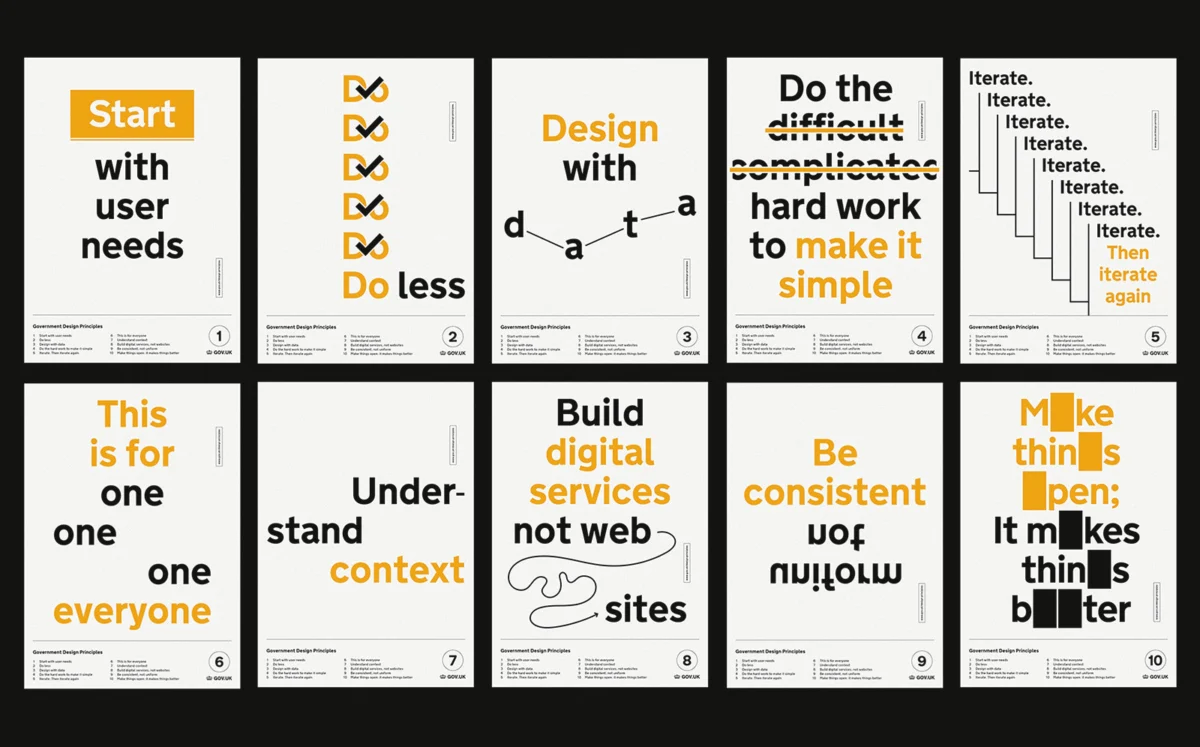
Experts recommend a "Principle-Based" approach, similar to the UK Government’s design principles. This involves creating a short, clear set of rules that fit on a single page, focusing on data privacy and ethical use, while trusting employees to apply common sense in their specific roles.
Establishing a "Safe to Fail" Culture
For AI adoption to succeed, management must foster an environment where experimentation does not carry the threat of punishment. In many corporate cultures, mistakes are equated with incompetence. However, because AI is a probabilistic rather than deterministic technology, errors are an inherent part of the learning curve.
Inferred reactions from middle management suggest a "double bind" scenario: they are told to innovate with AI but are still held to rigid Key Performance Indicators (KPIs) that do not account for the time needed to learn and iterate. A fact-based analysis of successful transformations shows that organizations that temporarily adjust performance metrics during the adoption phase see higher long-term retention and better integration of new technologies.
Broader Impact and Implications for the Future
The failure to properly manage the human side of AI adoption has implications beyond individual company performance. On a macroeconomic scale, the "productivity gap"—the difference between the potential of new technology and the actual output—can lead to economic stagnation despite technological advancement.
Furthermore, the "digital divide" is evolving into an "AI divide." Organizations that successfully navigate the cultural shift will likely see a widening lead over competitors who remain bogged down in bureaucracy and employee resistance. The lessons from 2014 are clear: technology is only as effective as the culture it inhabits.
In conclusion, the path to successful AI integration is not paved with more software licenses, but with a renewed focus on organizational psychology, role-specific support, and a shift from a culture of control to a culture of empowerment. As the AI era progresses, the organizations that thrive will be those that treat their staff as partners in innovation rather than mere operators of new machinery. The historical precedent of digital transformation serves as both a warning and a roadmap for the challenges ahead.

