
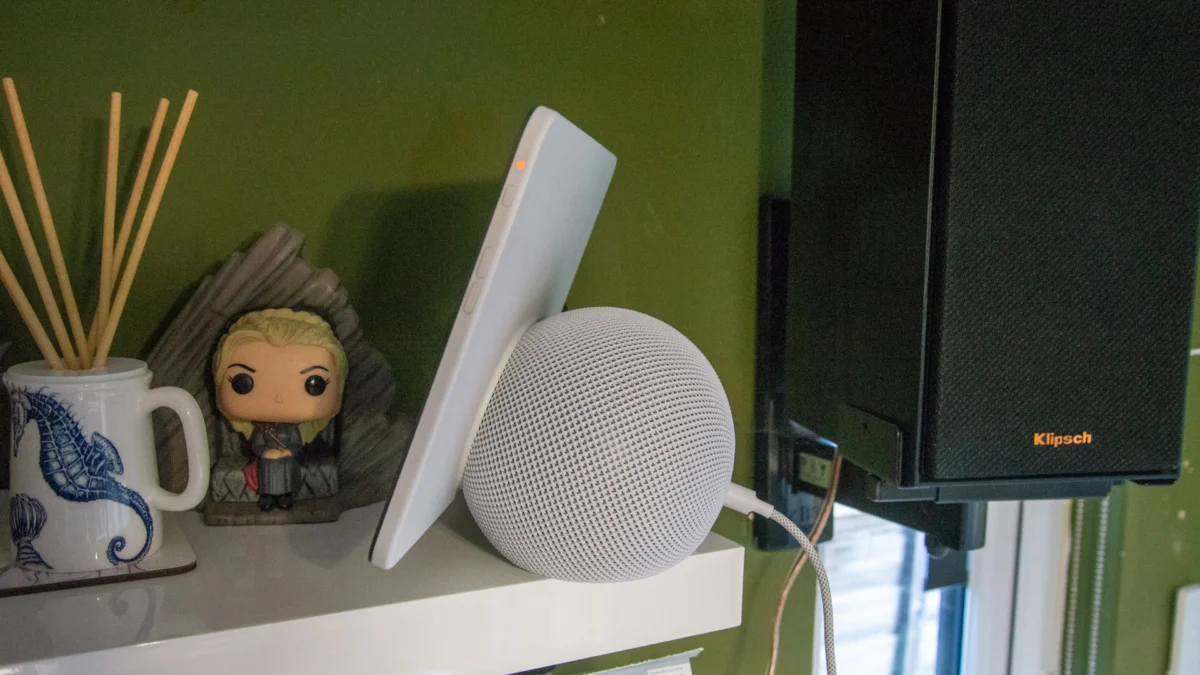
A significant leak from a known prototype collector, Kosutami, has shed new light on Apple’s long-rumored HomePad, suggesting a device poised to redefine the smart home experience by integrating a MagSafe-style magnetic wall-mounting system and doorbell functionality. This revelation indicates Apple’s intention to position the HomePad not as a portable gadget, but as a seamlessly integrated, permanently installed fixture within the home, a stark departure from the design philosophy of competitors like Amazon’s Echo Show and Google’s Nest Hub, which primarily occupy flat surfaces. The leak also strongly suggests a profound reliance on Apple Intelligence, Apple’s burgeoning on-device AI framework, as the primary interaction layer, potentially sidelining traditional touch-and-app interfaces.
The purported inclusion of a MagSafe-style magnetic wall-mounting system is a critical differentiator, signaling Apple’s commitment to a more permanent and aesthetically integrated smart home presence. This feature would allow the HomePad to snap securely onto walls, offering a level of installation flexibility previously unseen in Apple’s smart home offerings. This design choice underscores a strategic shift, envisioning the HomePad as a central, unobtrusive component of a connected living space, akin to a thermostat or a dedicated smart display panel, rather than a device that needs to be manually placed or relocated. In contrast, current market leaders like the Amazon Echo Show series and the Google Nest Hub line, while offering advanced functionality, lack a native, hardware-integrated wall-mounting solution. Users typically rely on third-party stands or aftermarket mounts, often compromising on aesthetics or stability. The HomePad’s proposed magnetic system, drawing inspiration from the successful MagSafe technology employed in iPhones, promises a clean, secure, and user-friendly installation.
Furthermore, the leaked details point towards a compelling integration with doorbell functionality. While the exact implementation remains unclear, this suggests the HomePad could serve as a central hub for smart home security, potentially displaying live feeds from a connected doorbell camera, enabling two-way audio communication with visitors, and offering remote monitoring capabilities. This convergence of a smart display with doorbell management could streamline home security interactions, consolidating alerts and controls within a single, accessible device. Such a feature would position the HomePad as a more comprehensive smart home controller, extending its utility beyond entertainment and information to encompass crucial security functions.
Kosutami, who claims to have personally examined the prototype, has provided insights into the device’s core operational paradigm. The HomePad is described as heavily reliant on Apple Intelligence, a framework that Apple has been progressively rolling out across its ecosystem, including the iPhone, iPad, and Mac. This suggests that the device’s primary mode of interaction will be through sophisticated, on-device AI processing, enabling natural language understanding, proactive suggestions, and personalized experiences without constant cloud connectivity. This approach aligns with Apple’s broader strategy of prioritizing user privacy and enhancing performance by processing data locally. The implication is a more intuitive and context-aware user experience, where the HomePad anticipates user needs and responds intelligently, moving beyond the reactive command-and-control model common in current smart speakers and displays.
The reported specifications of the HomePad include a 7-inch square display and a front-facing camera. This form factor appears to be a deliberate extension of Apple’s established visual design language, reminiscent of the iPad mini. Such a display size and configuration would be well-suited for a variety of tasks, including displaying glanceable information such as weather forecasts, calendar appointments, and news headlines. The front-facing camera opens up possibilities for video calls, making the HomePad a potentially valuable communication tool, particularly when positioned in high-traffic areas like the kitchen or a central hallway. The combination of a visual interface and advanced AI capabilities would enable users to manage their smart home devices, control media playback, access information, and connect with others through a rich, interactive experience.
Background Context: The Long Road to HomePad
The development of a dedicated smart home display from Apple has been a subject of speculation for several years, with rumors and patent filings hinting at such a product. Apple’s entry into the smart home market has been more measured compared to its competitors, initially focusing on the HomePod smart speaker and later expanding its HomeKit framework. The HomePod, while lauded for its audio quality, struggled to gain significant market share against the more affordable and feature-rich offerings from Amazon and Google. The HomePad, as described in this latest leak, represents a potential strategic pivot, aiming to capture a more substantial segment of the smart home market by offering a device that combines a visually appealing display, advanced AI, and unique installation flexibility.
Internal delays have reportedly plagued the HomePad project, with sources suggesting these were not primarily due to hardware development challenges but rather to the maturation of Apple Intelligence. The company’s commitment to delivering a robust and seamless AI experience seems to be the critical factor influencing the device’s timeline. This emphasis on AI underscores Apple’s vision for a truly intelligent home environment, where devices learn from user behavior and proactively assist them. The successful integration of Apple Intelligence into a permanently installed device like the HomePad would be a significant technical achievement and a testament to the company’s long-term AI strategy.
Chronology of Rumored Release Dates
The release timeline for the HomePad has reportedly experienced multiple postponements. Initially rumored for an early 2025 launch, the target date has reportedly slipped to early 2026, and more recently, to autumn 2026. This latter timeframe, typically spanning September through December, is Apple’s busiest period for product launches, often coinciding with the unveiling of new iPhone models.
This projected autumn 2026 release would place the HomePad amidst a densely packed product announcement schedule. It is anticipated to launch alongside the iPhone 18 Pro in September, and potentially alongside redesigned MacBook Pro models later in the quarter. Such a concentrated release strategy would allow Apple to generate significant buzz across multiple product categories, maximizing media attention and consumer interest. The company’s tendency to bundle major announcements within a single quarter suggests a deliberate effort to create a concentrated impact on the market.
Supporting Data and Market Context
The smart display market, while dominated by Amazon and Google, is a growing segment of the broader smart home industry. According to various market research reports, the global smart display market is projected to continue its upward trajectory, driven by increasing consumer adoption of smart home technologies and the demand for integrated entertainment and information solutions. For instance, Statista data has indicated a steady increase in the installed base of smart speakers and displays worldwide.
Apple’s entry into this space, with a device emphasizing unique installation and AI integration, could disrupt the existing market dynamics. The company’s strong brand loyalty and its established ecosystem of products and services provide a solid foundation for the HomePad’s success. However, it will need to offer compelling features and a competitive price point to effectively challenge the incumbents. The success of the HomePad will likely hinge on its ability to deliver a truly differentiated user experience that leverages Apple Intelligence in a way that competitors cannot easily replicate.
Product Naming: A Placeholder in the Rumor Mill
Kosutami also noted that "HomePad" is currently being used as an internal codename and that the final commercial name for the product remains uncertain. This is a common practice in product development, and Apple is known for its strategic naming conventions. The final product name will undoubtedly play a crucial role in its market reception and brand identity.
Broader Impact and Implications
The HomePad, if it launches as rumored, could have several significant implications for the smart home market and Apple’s ecosystem.
- Enhanced Smart Home Integration: The combination of a permanent installation design and potential doorbell integration would solidify Apple’s position as a provider of comprehensive smart home solutions. It could encourage greater adoption of HomeKit-enabled accessories and create a more cohesive smart home experience for Apple users.
- AI as a Differentiator: The strong emphasis on Apple Intelligence suggests a future where AI is not just an add-on feature but the core of how we interact with our homes. This could push the entire industry towards more intelligent and proactive devices.
- Competition Intensification: Apple’s entry with a distinct feature set will undoubtedly intensify competition with Amazon and Google, potentially leading to further innovation and more compelling offerings from all players.
- Privacy and Security: Apple’s focus on on-device processing for Apple Intelligence aligns with its strong stance on user privacy. This could be a significant selling point for consumers increasingly concerned about data security in their homes.
- User Experience Evolution: The move away from a purely touch-and-app interface towards an AI-driven interaction model could fundamentally change how users manage their connected environments, making them more intuitive and less demanding.
While the exact launch date and final specifications of the HomePad remain subject to confirmation, the latest leaks paint a compelling picture of a device that could redefine the smart home hub. With its unique magnetic wall-mounting system, integrated doorbell functionality, and deep reliance on Apple Intelligence, the HomePad appears poised to offer a seamless, intelligent, and permanently installed smart home experience, further solidifying Apple’s presence in this rapidly evolving market. The coming months, and particularly the autumn of 2026, will be crucial in determining whether these rumors translate into a groundbreaking new product for Apple.

