
International merchants eyeing the lucrative U.S. market often default to Amazon as their primary launchpad. However, a growing number of brands are finding success through alternative channels, particularly their own branded e-commerce sites and the rapidly expanding TikTok Shop. This strategic shift, underscored by the remarkable trajectory of a U.S. haircare brand, highlights the evolving landscape of online retail and the potent impact of creator-driven marketing.
The haircare brand in question, which entered the U.S. market in 2021, initially pursued a multi-channel strategy that included Instagram, Shopify, and later, TikTok Shop. With an average basket value of $59, the company invested heavily for two years in product seeding with micro-influencers, paid advertising, and affiliate marketing. Despite these efforts, tangible growth remained elusive, a common challenge for many new entrants navigating the competitive digital space. Industry analysts note that while influencer marketing has been a cornerstone of e-commerce growth, achieving critical mass and measurable ROI often requires a nuanced approach that goes beyond broad-stroke campaigns. Data from influencer marketing platforms suggests that while celebrity endorsements can offer reach, smaller, niche creators often foster higher engagement and conversion rates within specific demographics.
The turning point for this brand arrived unexpectedly when a single product video went viral on TikTok. This singular event triggered a dramatic sales surge, increasing by an astonishing 50-fold. The accelerated growth propelled the brand’s annual revenue past the $1 million mark, subsequently attracting the attention of major distributors eager to capitalize on its newfound momentum. This success story, while appearing as an overnight triumph, was in reality the culmination of two years of persistent experimentation and strategic groundwork.
The Anatomy of a Viral Success
The journey from obscurity to significant market traction was not a matter of luck but a testament to perseverance, strategic infrastructure, and a well-cultivated network of creators. While the unpredictable nature of TikTok’s algorithm makes planning for viral content an impossibility, the brand had meticulously built a foundation capable of capitalizing on such an event. This involved establishing a robust e-commerce infrastructure designed for seamless conversion and fostering relationships with dozens of micro-creators who consistently produced content. When the viral video struck, the necessary components were already in place to capture the surge in demand.
Experts in digital marketing emphasize that the viral phenomenon, while powerful, is rarely the sole driver of sustained success. "A viral moment can be a fantastic catalyst, but without the underlying operational efficiency to handle increased traffic, process orders, and maintain customer satisfaction, that surge can quickly dissipate," stated Sarah Chen, a leading e-commerce strategist. "This haircare brand’s experience demonstrates the importance of having a scalable backend and a responsive marketing apparatus ready to amplify any positive traction."
Leveraging Localized Creator Networks
A particularly innovative tactic employed by the brand, and one that is often overlooked by marketers, was the deliberate matching of creators to specific language communities within the U.S. Recognizing the nation’s linguistic diversity, the company proactively partnered with Spanish-speaking creators to engage Hispanic audiences and, similarly, collaborated with Russian- and Ukrainian-speaking creators to connect with those respective communities.
This strategy aligns perfectly with the way TikTok’s algorithm operates. The platform is adept at segmenting and serving content to distinct linguistic and cultural groups, creating highly targeted micro-communities. By tailoring creator outreach to these specific demographics, the brand effectively bypassed the noise of broader campaigns and spoke directly to consumer segments in their native languages, fostering a deeper sense of connection and trust.

The Power of Niche Creators and Visual Appeal
The brand’s decision to focus on smaller, niche creators rather than larger celebrities proved to be a strategic advantage. Niche creators are generally more accessible, offer greater flexibility in content creation, and their recommendations often carry more weight with their followers. Their endorsements are perceived not as paid advertisements, but as genuine advice from a trusted friend, a specialist, or in this case, credible hair-care experts and estheticians. This approach allowed the brand to test various creator styles and messaging simultaneously, identifying what resonated most effectively with different audience segments.
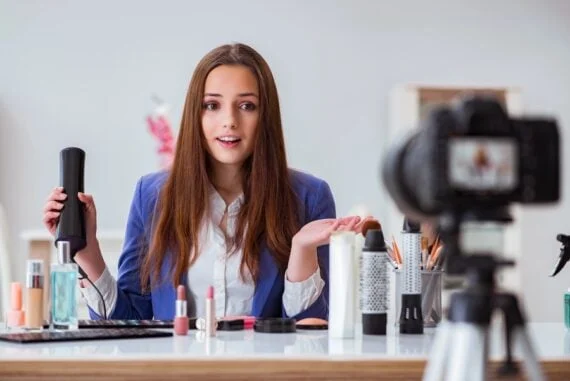
The beauty and personal care sector, where this brand operates, is a natural fit for platforms like TikTok. Consumers in this category are actively seeking visible results demonstrated on real individuals. The visual nature of TikTok, coupled with its ability to showcase product efficacy in action, makes it an ideal environment for beauty brands. Industry data indicates that beauty and personal care consistently ranks as TikTok Shop’s largest and fastest-growing category, with a significant portion of sales driven by user-generated content and creator recommendations.
A Dual-Purpose Platform: Sales and Demand Generation
TikTok serves a dual purpose in the modern e-commerce ecosystem: it functions as a direct sales channel through features like TikTok Shop, and simultaneously acts as a powerful demand generator for both on-platform and off-platform sales. While live shopping events can directly spur immediate sales within the app, other forms of content can effectively drive consumers to branded e-commerce websites or even physical retail locations.
The "halo effect" of TikTok content is a well-documented phenomenon. A case in point, as observed by industry analysts, is when hundreds of thousands of TikTok views can translate into thousands of additional branded searches on Amazon. Consumers encounter a product in their feed, are intrigued by its presentation or the demonstrated results, and then independently search for it on major marketplaces. This interconnectedness suggests that these channels are not mutually exclusive but rather complementary, feeding into each other in ways that many merchants may underestimate.
Defining the Optimal Channel Strategy
While the success of TikTok is undeniable, it does not diminish the continued relevance of Amazon, particularly for consumable goods or products that consumers actively search for based on specific needs. The "best" channel for a U.S. market launch ultimately hinges on how consumers discover a product.
For products that can demonstrably showcase a visible result on camera at an accessible price point, TikTok presents a compelling avenue. Conversely, products that rely on technical expertise or require in-depth explanation might find a more receptive audience on Amazon, where search intent is typically higher for problem-solving solutions. However, the most potent strategy often lies in the synergistic integration of both platforms.
The haircare brand’s journey exemplifies this synergy. After two years of diligent, albeit unglamorous, testing and refinement of its multi-channel approach, the brand experienced a dramatic acceleration in growth, effectively achieving an "overnight success" on TikTok. This success was built on a foundation of consistent effort, a willingness to adapt, and a strategic understanding of how different platforms can serve distinct but interconnected roles in the customer acquisition and sales funnel. The average $59 price point for their products also positions them well for impulse buys driven by engaging video content, a hallmark of TikTok’s consumer behavior.
The implications of this trend extend beyond individual brand successes. As more international brands explore these alternative channels, it signals a maturing e-commerce landscape where platform diversification is becoming paramount. Companies that can effectively leverage creator networks, understand algorithmic nuances, and build robust conversion pathways will be best positioned to thrive in the increasingly competitive global marketplace. The continued rise of TikTok Shop, alongside the established power of branded e-commerce and traditional marketplaces like Amazon, suggests a future where a multi-pronged, adaptable approach will be the key to unlocking significant growth and market penetration. The ability to identify and capitalize on emerging trends, coupled with the operational agility to scale rapidly, will be the defining characteristics of successful direct-to-consumer brands in the years to come.

