
The integration of gamified elements into digital products has undergone a radical transformation over the last decade, shifting from experimental features to core drivers of user retention. Among these elements, the "streak"—defined as the number of consecutive days a user completes a specific activity—has emerged as one of the most potent tools in the arsenal of product designers. When the language-learning platform Duolingo introduced iOS widgets specifically designed to display a user’s current streak, the company reported a staggering 60% surge in user commitment. This statistic underscores a broader industry trend where behavioral psychology and user experience (UX) design converge to influence human habits at scale.
To understand the efficacy of these systems, one must look beyond the surface-level metrics. Streaks are not merely records of activity; they are sophisticated psychological constructs that leverage human instincts regarding progress, identity, and the fear of loss. As technology companies increasingly compete for the "attention economy," the design of effective, ethical, and resilient streak systems has become a critical discipline for developers and product managers alike.
The Psychological Foundations of Consistency
The power of a streak system is rooted in three primary psychological principles: loss aversion, the Fogg Behavior Model, and the Zeigarnik effect. These frameworks explain why users often feel an intense, almost visceral dedication to protecting a digital number that represents their daily effort.
The Power of Loss Aversion
Loss aversion is perhaps the most significant driver behind long-term streak maintenance. First identified by cognitive psychologists Daniel Kahneman and Amos Tversky in 1979, the principle suggests that the pain of losing something is psychologically twice as powerful as the joy of gaining something of equal value. In the context of a digital streak, the initial motivation is often achievement-oriented—the pleasure of learning a new skill or closing a fitness ring.
However, as the streak grows, the motivation shifts from "gain" to "protection." A user with a 365-day streak is no longer motivated solely by the daily task; they are motivated by the overwhelming desire to avoid the "pain" of seeing that 365 reset to zero. At this stage, the streak becomes a part of the user’s identity, and the effort invested over the past year acts as a psychological anchor that prevents them from churning.
The Fogg Behavior Model: B=MAP
While loss aversion maintains long streaks, the Fogg Behavior Model, developed by Dr. B.J. Fogg at Stanford University, explains how streaks are initiated and sustained in their early stages. The model posits that behavior (B) occurs when three elements—Motivation (M), Ability (A), and a Prompt (P)—converge simultaneously.
- Motivation: This is often the most volatile element. A user may be highly motivated to exercise on Monday but lack willpower by Thursday.
- Ability: To compensate for fluctuating motivation, successful streak systems make the required action as easy as possible. Apple Fitness, for example, allows users to maintain a "Stand" streak by simply standing for one minute during an hour. By lowering the barrier to entry, designers ensure that the task remains achievable even on a user’s lowest-motivation days.
- Prompt: Humans are naturally forgetful. Digital prompts, such as push notifications or app badges, serve as the final trigger. Research indicates that even minor prompts can have outsized effects; Duolingo’s use of a simple red notification badge on the app icon resulted in a 6% increase in daily active users (DAUs).
The Zeigarnik Effect and Cognitive Tension
The Zeigarnik effect describes the psychological phenomenon where people remember uncompleted or interrupted tasks better than completed ones. This creates a state of "cognitive tension" that can only be resolved by finishing the task. A streak system utilizes this by framing each day as an "incomplete" unit of a larger, ongoing project. When a user sees a progress bar at 80% or a streak that has not yet been "ticked" for the day, the brain maintains that task in its active memory, creating a persistent mental nudge to return to the app and resolve the tension.

A Chronology of Gamification and the Rise of the Streak
The evolution of streaks as a dominant UX pattern can be traced through several key milestones in the history of mobile applications:
- 2009-2012: The Early Gamification Era. Apps like Foursquare introduced "badges" and "mayorships," focusing on social status. Meanwhile, early fitness trackers began experimenting with daily step goals.
- 2013-2015: The Habit-Loop Integration. Duolingo and Snapchat popularized the concept of daily streaks. Snapchat’s "Snapstreaks" became a cultural phenomenon among teenagers, demonstrating that streaks could drive social engagement as effectively as personal achievement.
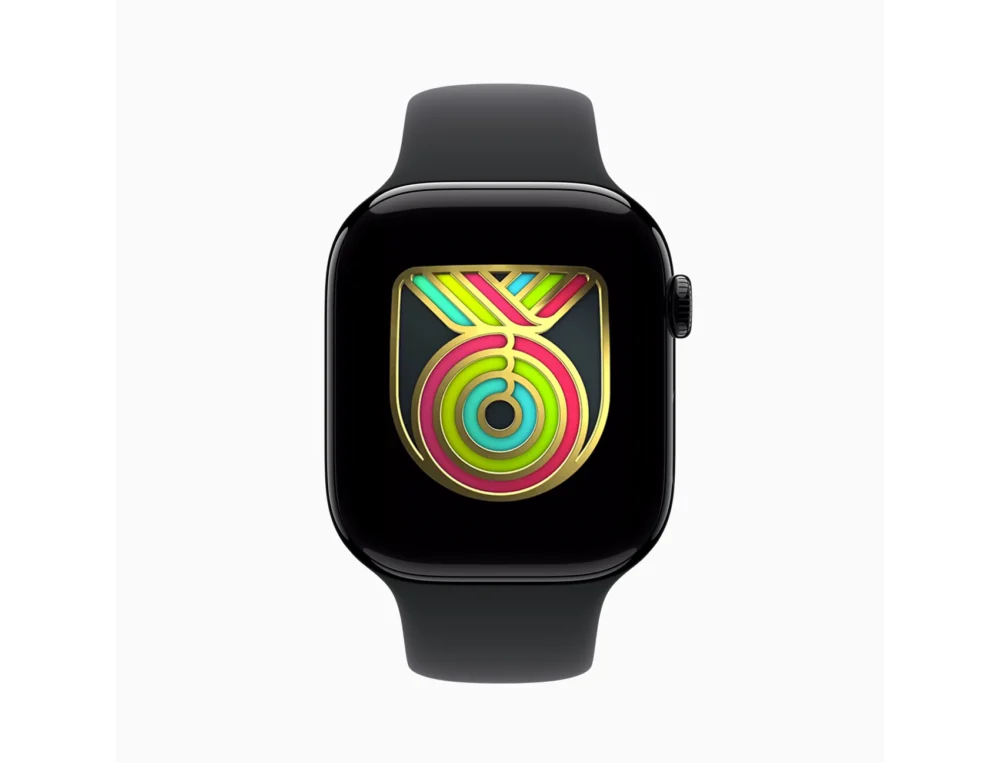
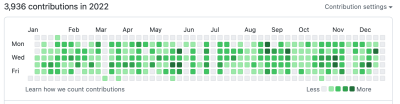
- 2016-2020: The Quantified Self Movement. Apple Watch’s "Activity Rings" and GitHub’s "Contribution Graph" turned professional and physical activity into visual data. During this period, streaks shifted from being "fun features" to essential retention mechanics for SaaS and health platforms.
- 2021-Present: The Ethical Pivot. Following criticism regarding "dark patterns" and digital addiction, major platforms began introducing "grace periods" and "streak freezes," acknowledging that rigid systems can lead to user burnout.
Design Principles for Ethical and Effective Systems
While streaks are powerful, there is a fine line between fostering a healthy habit and creating a compulsive obsession. Industry experts suggest that the most successful systems are those that prioritize the user’s long-term well-being over short-term engagement metrics.
Reducing Friction through Micro-Actions
The first rule of effective streak design is to minimize the "Ability" threshold. If a meditation app requires a 30-minute session to maintain a streak, users will likely fail during busy periods. However, if the requirement is reduced to a 30-second breathing exercise, the user can maintain their habit loop even under stress. These "micro-actions" allow the psychological momentum of the streak to remain intact without becoming a source of life stress.
Visual Feedback and Milestone Celebration
Visual representation is essential for making an abstract concept like "consistency" feel tangible. Successful apps use checkmarks, progress rings, and heat maps to provide immediate feedback. Furthermore, celebrating milestones (e.g., 7 days, 30 days, 100 days) is crucial for reigniting user interest. These celebrations often include high-quality animations, haptic feedback, or shareable social cards, which transform a private achievement into a public milestone.
The Necessity of Grace Mechanisms
Life is unpredictable, and rigid systems that punish users for a single missed day can be counterproductive. When a long-running streak is lost due to an emergency or a technical failure, the resulting "demoralization effect" often leads the user to abandon the app entirely. To mitigate this, ethical designers implement "Grace Mechanisms," such as:
- Streak Freezes: Allowing users to "purchase" or earn the right to miss a day without penalty.
- Grace Windows: Providing a two-to-three-hour buffer after midnight to account for late-night activity.
- Repair Options: Offering a way to restore a broken streak by completing extra tasks the following day.
Technical Architecture and Implementation Challenges
Building a resilient streak system requires solving complex engineering problems, particularly regarding time and data integrity.
The Timezone Dilemma
One of the most significant challenges in streak calculation is defining what constitutes a "day." If a server uses Coordinated Universal Time (UTC) to reset streaks, a user in California might find their streak resetting at 4:00 PM local time, while a user in London experiences the reset at midnight. This creates an inconsistent and unfair user experience.
The industry standard for addressing this is to track activity based on the user’s local timezone. Developers must capture the user’s offset during onboarding and validate activity against that specific context. However, this becomes complicated when users travel across timezones. The most robust systems recalculate the "current day" dynamically based on the user’s device location while maintaining a single source of truth on the server to prevent local clock manipulation.
Server-Side Validation and Anti-Cheating
To maintain the value of a streak, the system must be secure. Client-side tracking is susceptible to "clock-skewing" (where a user manually changes their phone’s date to trick the app). Therefore, all streak increments must be validated on the server. A typical logical flow involves the client sending an activity event, the server checking if the event occurred within the valid window (the current day or the immediate next day), and then updating the current_streak and longest_streak values in a relational database.
Impact and Implications for the Future of Tech
The proliferation of streak systems has profound implications for the future of digital interaction. As these systems become more sophisticated, they are moving beyond education and fitness into productivity, mental health, and even corporate environment-social-governance (ESG) tracking.
However, the "dark side" of these patterns remains a topic of intense debate among digital wellness advocates. Critics argue that streaks can lead to "compulsion loops," where users perform tasks not for personal growth, but out of a fear of losing a digital status symbol. This has led to a call for "Mindful UX," where apps proactively suggest breaks or allow users to "pause" streaks for vacations or mental health days without penalty.
In conclusion, the digital streak is a masterpiece of behavioral engineering. By aligning with the fundamental ways the human brain processes loss, effort, and completion, streaks have transformed the way millions of people engage with technology. For designers and developers, the challenge lies in harnessing this power to build systems that encourage genuine self-improvement rather than mere platform dependency. As the industry moves forward, the success of a streak system will likely be measured not just by daily active users, but by the long-term positive habits it helps to instill.

