
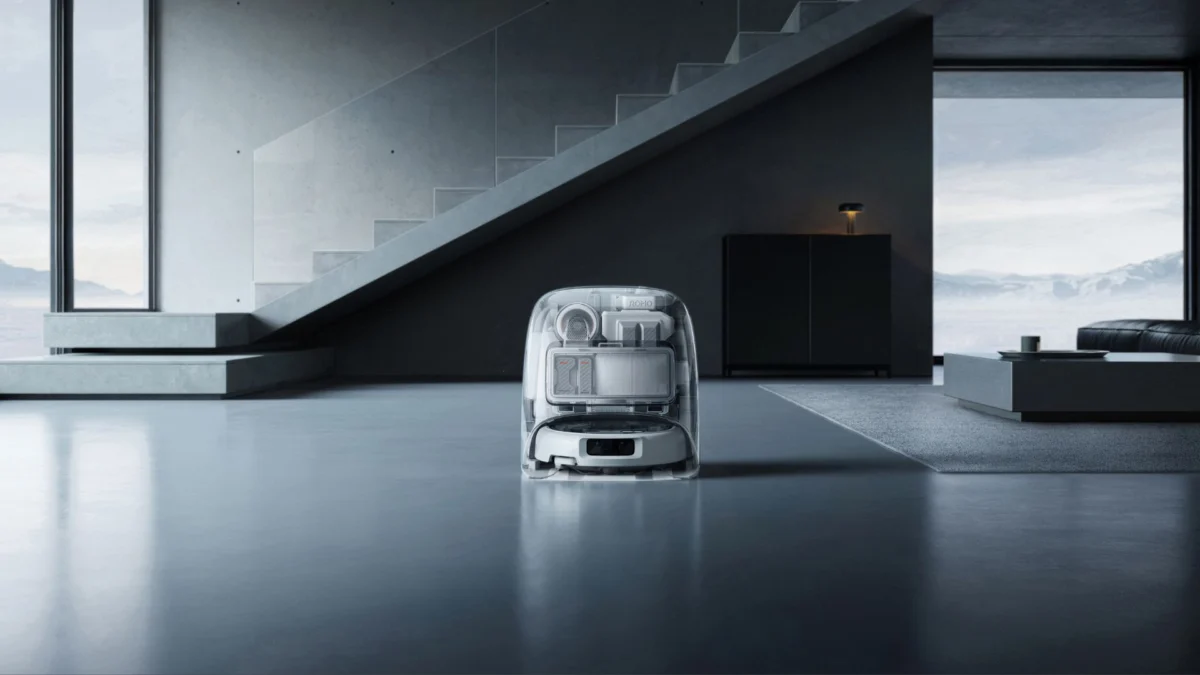
Berlin – At the annual IFA consumer electronics trade show in Berlin, DJI, a company renowned for its aerial drones and imaging technology, has unveiled its latest generation of robotic vacuums, the ROMO 2 series. The new lineup, comprising the ROMO P2 and ROMO A2 models, prominently features an enhanced Local Data Mode, a privacy-centric initiative designed to keep sensitive in-home video and audio data localized, a significant move in addressing growing consumer concerns over data security and smart home device privacy. The unveiling marks DJI’s continued expansion into the smart home appliance market, building upon the foundation laid by its initial ROMO series launched in 2025.
The ROMO 2 range inherits the distinctive translucent design language that characterized its predecessor, a visual cue that has become a signature for DJI’s foray into the robotic cleaning sector. However, the aesthetic appeal is matched by substantial technological advancements. While the new models continue to leverage DJI’s deep expertise in drone-based navigation and obstacle avoidance systems, the company emphasizes that the perception system powering the ROMO 2 has undergone a comprehensive overhaul. This recalibration, according to DJI, results in "millimeter-level awareness of floor-level obstacles," enabling the vacuums to meticulously identify and react to a wider array of challenging objects. This includes notoriously difficult items such as loose cables, reflective glass surfaces, and mirrors. The system’s ability to differentiate and adapt its cleaning approach based on these perceptions signifies a leap in intelligent robotic cleaning, moving beyond rudimentary bump-and-go navigation. Furthermore, an integrated LED illumination system is incorporated to bolster the robot’s visual acuity in dimly lit environments, ensuring that dust and obstructions are detected and addressed even in darker corners of the home.
Enhanced Cleaning Capabilities Drive Performance
Beyond the sophisticated navigation and perception systems, DJI has equipped the ROMO 2 with a suite of formidable cleaning hardware. A standout feature is the LiDAR-guided mopping arm, engineered to extend and maneuver with precision, allowing it to reach effectively beneath furniture such as sofas and cabinets. This arm boasts a 123-degree swing radius, significantly expanding the unit’s cleaning coverage and ensuring that hard-to-reach areas are not overlooked.
The suction power has also been dramatically upgraded, with the ROMO 2 capable of generating an impressive 36,000 Pascals (Pa) of suction. This formidable power is complemented by an integrated pressure plate designed to create a superior seal against various floor surfaces, maximizing debris collection efficiency. In a nod to the versatility demanded by modern households, the ROMO 2 incorporates advanced mechanical leg technology. These legs enable the robot to surmount obstacles and ledges up to 8.5 centimeters in height, facilitating seamless transitions between different floor levels and overcoming common household impediments like rug edges or thresholds. However, it is the integration of robust data privacy features that is poised to differentiate the ROMO 2 models in a competitive market, potentially appealing to a segment of consumers acutely aware of the implications of connected home devices.
Local Data Mode: Prioritizing User Privacy
DJI has announced its intention to roll out the Local Data Mode for the ROMO 2 series in the fourth quarter of 2026. This feature, which has previously been implemented in DJI’s aerial drone products, is fundamentally designed to sever the connection between the DJI Home app and external servers when activated. The core promise of this mode is to ensure that any photos or videos captured by the robot vacuum remain within the user’s home network and are not transmitted to remote servers. This is particularly relevant given the sensitive nature of the environments these devices operate in, navigating private living spaces such as bedrooms and living rooms.
In addition to restricting data transmission, users will have the option to disable the robot’s integrated cameras and microphone entirely, offering a granular level of control over its sensory capabilities. DJI has also stated its commitment to transparency regarding personal data, affirming that any data shared with the company can be subject to user deletion requests. This proactive stance on data privacy comes at a time when smart home devices, including robotic vacuums equipped with cameras and sensors, are facing increased scrutiny from regulators and consumers alike regarding their data handling practices. While the specific impact of these new privacy measures on ongoing regulatory discussions, particularly in markets like the United States where DJI has faced broader scrutiny, remains to be seen, the move signifies a clear effort by the company to preemptively address these concerns.
IFA 2026: A Platform for Innovation and Consumer Focus
The IFA (Internationale Funkausstellung) in Berlin is one of the world’s oldest and most significant technology trade shows, serving as a crucial platform for manufacturers to unveil their latest innovations to a global audience of industry professionals, media, and consumers. For 2026, the event has been characterized by a strong emphasis on sustainability, artificial intelligence, and, notably, enhanced data privacy solutions across a spectrum of consumer electronics. DJI’s decision to launch the ROMO 2 at IFA underscores the event’s importance in shaping market perceptions and setting industry trends. The trade show provides an ideal backdrop for DJI to demonstrate its commitment to technological advancement while simultaneously addressing the evolving demands of privacy-conscious consumers. The presence of numerous competitors showcasing their own smart home solutions also creates a competitive environment that often spurs further innovation and price adjustments, benefiting end-users.
Background and Chronology of DJI’s Robotic Vacuum Endeavors
DJI’s initial foray into the robotic vacuum market with the first-generation ROMO series in 2025 marked a strategic diversification for the company. Leveraging its established expertise in computer vision, sensor fusion, and sophisticated mapping algorithms developed for its drone products, DJI aimed to carve out a niche in the increasingly competitive smart home appliance sector. The first ROMO models were met with positive reception for their design and advanced navigation capabilities, setting the stage for iterative improvements.
The ROMO 2 series represents the next evolutionary step. The announcement at IFA 2026 follows a period of intensive research and development, focusing on enhancing core cleaning performance and, critically, bolstering user privacy. The timeline for the introduction of the Local Data Mode in Q4 2026 suggests a phased rollout, allowing DJI to refine the feature based on initial user feedback and further integrate it into the ROMO 2’s operational framework. This measured approach to feature deployment is common in the tech industry, particularly for complex software-driven functionalities.
Supporting Data and Technical Specifications
The technical specifications of the ROMO 2 series underscore DJI’s commitment to high-performance cleaning. The 36,000 Pa suction power places the ROMO 2 at the upper echelon of current robotic vacuum cleaner capabilities, comparable to leading models from established brands in terms of raw power. For context, typical high-end robot vacuums offer suction power ranging from 2,000 Pa to over 6,000 Pa, with some premium models reaching up to 10,000 Pa. The 8.5cm obstacle climbing capability is also a significant advancement, allowing the robot to navigate over common household thresholds and rugs that might impede less capable models. The LiDAR navigation system, a technology also employed in autonomous vehicles and advanced robotics, provides precise mapping and real-time environmental awareness, contributing to efficient path planning and obstacle avoidance. The 123-degree swing of the mopping arm, combined with its LiDAR guidance, indicates a sophisticated approach to edge cleaning and coverage, aiming to minimize missed spots.
Official Statements and Market Reactions (Inferred)
While direct quotes from DJI spokespersons were not provided in the initial release, the company’s emphasis on the Local Data Mode speaks volumes about its strategic direction. The decision to bring a feature pioneered in its drone division to its consumer robotics line signals a deliberate effort to align its product offerings with evolving consumer priorities. Inferred reactions from industry analysts and privacy advocates are likely to be cautiously optimistic. Many will view the Local Data Mode as a positive step towards greater consumer control over personal data generated by smart home devices. However, the effectiveness of such modes often depends on their implementation and the transparency of the underlying data handling practices. The fact that this feature is scheduled for a Q4 2026 release suggests that DJI is keen on ensuring its robustness before widespread adoption. Competitors in the robotic vacuum market are also likely to be monitoring this development closely, potentially spurring similar privacy-focused innovations across the industry.
Broader Implications and Future Outlook
The introduction of the ROMO 2 series, particularly its robust privacy features, has several significant implications for the smart home market and consumer electronics industry at large. Firstly, it elevates the conversation around data privacy from a niche concern to a mainstream selling point for advanced consumer devices. As consumers become more educated about the potential risks associated with connected devices, manufacturers that can offer tangible solutions for data security and user control are likely to gain a competitive advantage. DJI’s move could set a precedent for other manufacturers to follow suit, potentially leading to a broader industry-wide shift towards more privacy-centric product design.
Secondly, the successful integration of advanced drone technology into home appliances like robotic vacuums demonstrates DJI’s strategic vision of leveraging its core competencies across diverse product categories. This cross-pollination of technology can lead to significant performance improvements and novel features that consumers might not expect from traditional appliance manufacturers.
The pricing of the ROMO 2 models – €1,299 for the ROMO P2 with a translucent base station and €1,199 for the ROMO A2 with a white base station – positions them firmly in the premium segment of the robotic vacuum market. This pricing strategy, coupled with advanced features and a focus on privacy, suggests DJI is targeting discerning consumers who prioritize performance, cutting-edge technology, and data security. Both models are slated for availability through DJI’s official channels and select retailers starting in September.
In conclusion, the DJI ROMO 2 series represents a significant step forward in the evolution of robotic cleaning technology. While its enhanced cleaning hardware and sophisticated navigation systems promise a superior user experience, it is the proactive approach to data privacy, embodied by the Local Data Mode, that may prove to be its most impactful feature. In an era where data is increasingly valuable and privacy concerns are paramount, DJI’s commitment to keeping sensitive in-home data localized could resonate strongly with consumers, potentially redefining expectations for smart home devices and their relationship with user privacy. The long-term success of these privacy measures will depend on their continued effectiveness and transparency, but the initial announcement at IFA 2026 signals a clear direction for DJI and potentially for the broader smart home industry.

