
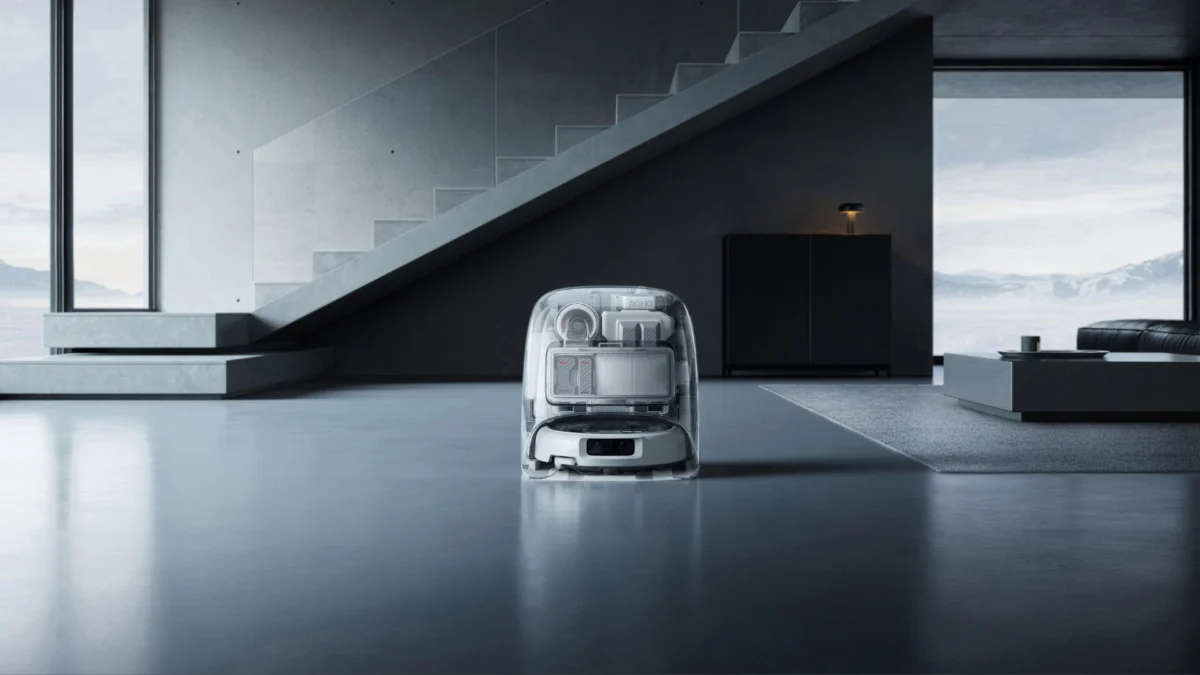
Berlin, Germany – DJI, a company renowned for its sophisticated drone technology, has significantly advanced its foray into the smart home appliance market with the unveiling of its latest robot vacuum cleaner series, the ROMO 2, at IFA 2026. This new generation of automated cleaning devices not only boasts substantial upgrades in cleaning performance and obstacle detection but also introduces a pioneering "Local Data Mode," directly addressing growing consumer concerns about data privacy in connected homes. The ROMO 2 lineup, comprising the ROMO P2 and ROMO A2 models, continues the distinctive translucent design aesthetic first introduced with their predecessor, the original ROMO, which debuted in 2025.
The technological underpinnings of the ROMO 2 series draw heavily from DJI’s extensive experience in aerial robotics, particularly in navigation and advanced obstacle avoidance. However, DJI emphasized that the perception systems powering these new vacuums have undergone a complete redesign from the ground up. This overhaul, according to the company, results in an unprecedented "millimeter-level awareness of floor-level obstacles." This enhanced perception capability allows the ROMO 2 to identify and react to minute objects such as trailing cables, delicate glass surfaces, and reflective mirrors with remarkable precision. The vacuum’s intelligent algorithms dynamically adjust suction power and cleaning strategies in real-time to navigate these challenging items without disruption. Furthermore, an integrated LED illumination system has been incorporated to assist the robot in detecting dirt and obstacles in dimly lit or dark environments, ensuring comprehensive cleaning regardless of ambient light conditions.
Enhancing Cleaning Prowess: A Deeper Dive into ROMO 2’s Hardware
Beyond its sophisticated sensing capabilities, the ROMO 2 series is engineered to deliver a superior cleaning experience. The integration of a LiDAR-guided mopping arm represents a significant leap forward. This articulated arm is designed to extend its reach beneath low-lying furniture such as sofas and cabinets, employing a wide 123-degree swing arc to maximize coverage and ensure no area is left untouched. This feature is particularly valuable for thorough deep cleaning, addressing dust and debris that often accumulate in hard-to-reach spots.
The suction power of the ROMO 2 is also a key highlight, generating an impressive 36,000 Pa. This formidable suction is complemented by a pressure plate mechanism engineered to create a robust seal against various floor surfaces, thereby maximizing the efficiency of dirt and debris collection. In a nod to the evolving capabilities of premium robot vacuums, the ROMO 2 models are equipped with mechanical legs that enable them to surmount obstacles such as ledges and thresholds up to an impressive 8.5 centimeters in height. This allows for seamless transitions between different flooring types and the ability to navigate over minor household impediments, further enhancing the autonomous cleaning experience.
Local Data Mode: A Paradigm Shift in Home Robotics Privacy
While the hardware advancements are noteworthy, the most compelling feature of the ROMO 2 series, and indeed a significant development in the smart home sector, is the forthcoming "Local Data Mode." This feature, slated for introduction in the fourth quarter of 2026, is an extension of DJI’s commitment to user privacy, a principle first demonstrated in its drone products.
The Local Data Mode is designed to fundamentally alter how the ROMO 2 interacts with cloud-based services. When activated, it effectively severs the connection between the DJI Home app and external servers. This means that any video or photographic data captured by the robot vacuum’s onboard cameras remains strictly within the user’s home network and is not transmitted to DJI’s servers or any third-party cloud storage. This granular control over data transmission directly addresses a primary concern for many consumers regarding the widespread deployment of camera-equipped devices within their private living spaces.
Users will also have the option to disable the robot’s cameras and microphones entirely, offering an additional layer of privacy assurance. DJI has also stated its commitment to user data management, affirming that any personal data voluntarily shared with the company can be subject to deletion requests. This proactive approach to data privacy is particularly salient for a device that navigates bedrooms, living rooms, and other highly personal areas of a home on a daily basis.
Context and Implications: DJI’s Privacy Stance Amidst Scrutiny
The introduction of the Local Data Mode arrives at a time when DJI, like many technology companies operating in the smart home and consumer electronics space, faces increased scrutiny regarding its data collection and privacy practices. In the United States, for instance, DJI has been subject to ongoing discussions and reviews concerning the security of its products and the management of user data. While the direct impact of these new privacy measures on existing regulatory landscapes remains to be seen, the move signifies DJI’s responsiveness to market demands and its strategic positioning to alleviate potential privacy-related concerns.
This focus on local data processing is not merely a technical feature but a philosophical stance that acknowledges the evolving expectations of consumers. As smart home devices become more integrated into daily life, the perceived risk associated with data breaches and unauthorized access to personal information escalates. By offering a robust Local Data Mode, DJI is empowering users with greater autonomy over their digital footprint, potentially setting a new benchmark for privacy-conscious design in the consumer robotics industry.
Pricing and Availability: European Market Leads the Way
DJI has initially confirmed pricing and availability for the ROMO 2 series in the European market. The ROMO P2, featuring the signature translucent design and base station, will be priced starting at €1,299. The ROMO A2, offering a similar feature set but with a white base station, will be available from €1,199. Both models are scheduled to be open for pre-orders starting in September through DJI’s official online store and select authorized retailers across Europe. Further announcements regarding pricing and availability in other global markets are anticipated in the coming months.
A Step Forward in Smart Home Autonomy
The ROMO 2 series represents a significant evolutionary step for DJI in the robot vacuum market. While the enhanced cleaning capabilities, including the advanced obstacle detection, LiDAR-guided mopping, and impressive suction power, position these devices as strong contenders in the premium segment, it is the integrated Local Data Mode that truly distinguishes them. For consumers who are increasingly mindful of the privacy implications of connected devices, the ability to keep sensitive home footage localized offers a compelling reason to consider DJI’s latest offering. As the smart home ecosystem continues to expand, features that prioritize user control and data security will undoubtedly play a pivotal role in shaping consumer purchasing decisions. The ROMO 2’s commitment to keeping data at home may prove to be as powerful a selling point as its 36,000 Pa suction, signaling a potential shift in how consumers perceive and adopt home automation technology.

