
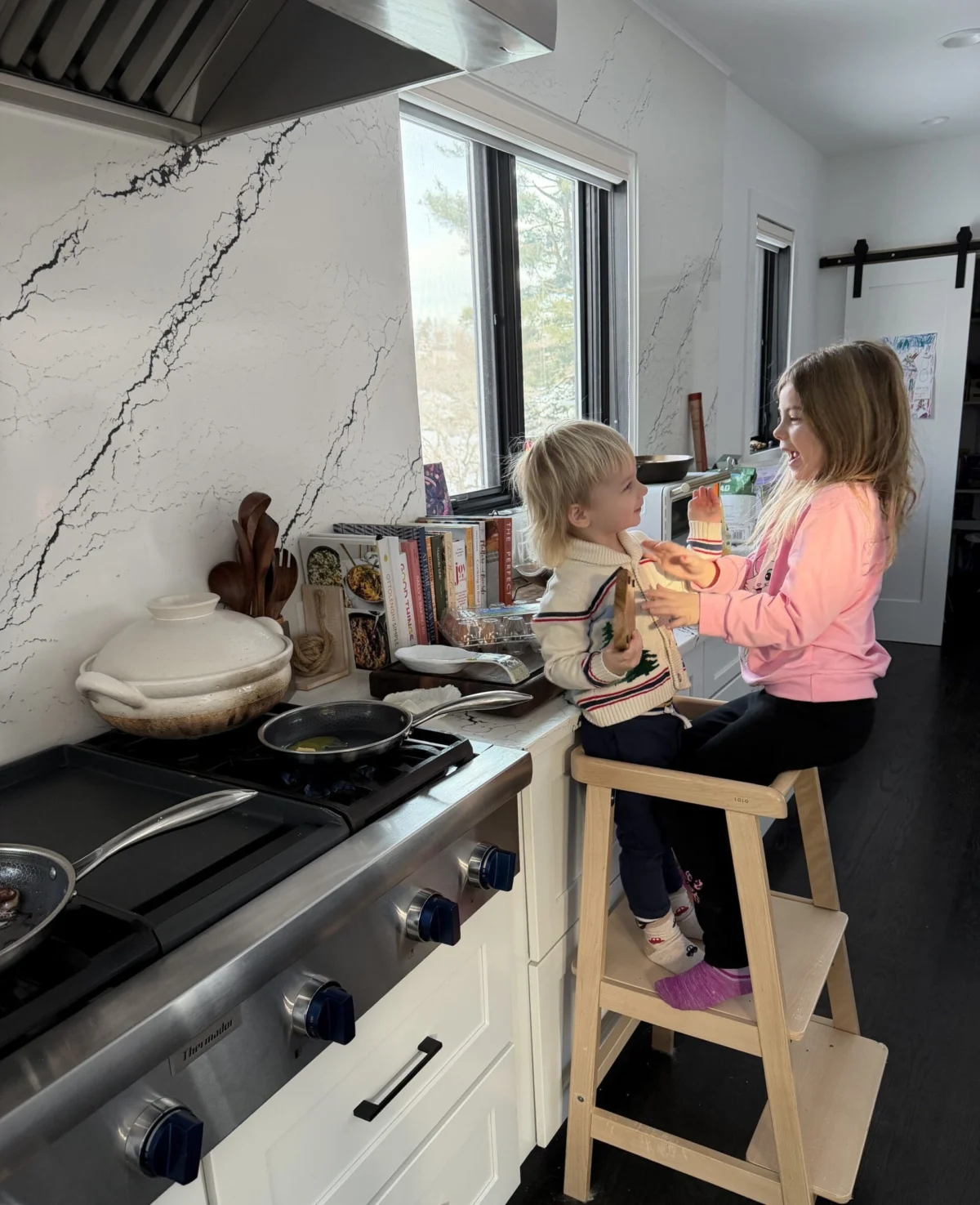
The seemingly mundane act of involving children in kitchen activities, often perceived by busy parents as an additional source of mess and inefficiency, is increasingly being recognized by child development experts and educational psychologists as a profoundly beneficial practice. Far from being a mere domestic chore, cooking with children serves as a dynamic crucible for fostering crucial life skills, enhancing cognitive development, improving dietary habits, and significantly strengthening family bonds. This shift in perspective highlights the kitchen not just as a place for meal preparation but as a vibrant, interactive learning environment essential for holistic child rearing in the 21st century.
The Evolving Landscape of Childhood Development and Family Dynamics
In an era characterized by accelerated lifestyles, pervasive digital distractions, and a growing disconnect from the origins of food, the traditional family kitchen faces new challenges and opportunities. Modern parenting often contends with limited time, rising concerns about childhood obesity, and a societal emphasis on academic achievement that sometimes overshadows the importance of practical life skills. Against this backdrop, the intentional integration of children into culinary processes emerges as a timely and effective strategy to address several contemporary issues simultaneously.
For many families, the kitchen has historically been a central gathering place, a hub of activity where traditions are passed down and connections are forged. However, as convenience foods and pre-prepared meals become more prevalent, the frequency and depth of children’s engagement in the cooking process have arguably diminished. Re-emphasizing this involvement is not merely a nostalgic endeavor but a strategic investment in children’s future well-being and the resilience of the family unit. Educational research consistently points to the efficacy of experiential learning, where children acquire knowledge and skills through direct, hands-on participation rather than passive observation. Cooking provides an unparalleled platform for this type of learning, offering tangible outcomes and immediate feedback that reinforce lessons learned.
Fostering Family Connection and Communication Through Shared Culinary Experiences
One of the most immediate and profound benefits of cooking with children is its capacity to create organic, pressure-free opportunities for quality family time and communication. Unlike structured activities or direct interrogations about their day, the shared task of preparing a meal allows conversations to unfold naturally. As children and parents work side-by-side—a child on a step stool measuring flour, another stirring ingredients—dialogue flows effortlessly. Discussions may range from the day’s events at school to imaginative ideas, or humorous anecdotes involving family pets. This unforced interaction fosters an environment of openness and trust, where children feel comfortable expressing themselves without the perceived pressure of a formal agenda.
Child psychologists frequently highlight the importance of unstructured play and shared activities in strengthening parent-child bonds. The kitchen, when approached with a relaxed attitude, embodies this principle. The focus shifts from achieving culinary perfection to the joy of the collaborative process itself. This relaxation, for both parent and child, often paves the way for spontaneous moments of laughter, song, or even dancing, transforming a utilitarian task into a cherished memory. The collaborative nature of cooking teaches teamwork, patience, and mutual respect, foundational elements for robust family dynamics.
Enhancing Nutritional Habits and Dietary Awareness from an Early Age
A significant challenge for many parents is encouraging children to adopt healthy eating habits and overcome picky eating. Educational initiatives and public health campaigns frequently underscore the growing concern over childhood nutrition and the rise in diet-related health issues. Integrating children into the food preparation process offers a remarkably effective solution to this widespread problem. When children actively participate in making a meal, they develop a sense of ownership and investment in the outcome, making them considerably more inclined to taste and enjoy what they have helped create.
Nutritionists and dietary experts advocate for early exposure to a variety of ingredients and a hands-on understanding of where food comes from and how it’s prepared. Tasks as simple as stirring a soup, sprinkling cheese, or carefully pouring pasta into a pot empower children. This direct involvement demystifies food and transforms unfamiliar ingredients, such as vegetables, from potential adversaries into components of a dish they personally contributed to. Numerous studies have indicated that children who are involved in food preparation are more likely to consume fruits and vegetables and exhibit a broader palate. This early engagement cultivates a healthier relationship with food, promoting adventurous eating and informed dietary choices that can last a lifetime.
Cultivating Essential Life Skills and Cognitive Development
Beyond the immediate benefits of family bonding and healthier eating, cooking with children is a potent educational tool, subtly imparting a wide array of vital life skills and stimulating cognitive development. The kitchen acts as a practical laboratory where children unconsciously absorb lessons in various academic and practical domains.
- Mathematics: Measuring ingredients (cups, spoons, fractions), counting items, understanding proportions, and estimating quantities all provide real-world applications of mathematical concepts.
- Literacy: Following recipes requires reading comprehension, sequencing, and understanding instructions. Older children can learn to interpret cooking terms and adapt recipes.
- Science: Observing ingredients change form (melting, boiling, baking), understanding chemical reactions (baking soda and acid), and learning about heat transfer are foundational scientific principles in action.
- Fine Motor Skills: Tasks like stirring, pouring, kneading, chopping (with age-appropriate tools), and cracking eggs refine hand-eye coordination and dexterity.
- Problem-Solving and Critical Thinking: Adjusting ingredients, troubleshooting minor mishaps (e.g., too much liquid), and understanding cause and effect (e.g., overcooking) develop practical problem-solving abilities.
- Executive Function: Following a multi-step recipe, managing time, and organizing tasks contribute to the development of executive function skills, crucial for planning and self-regulation.
Investing in appropriate tools, such as kid-safe knives, sturdy mixing bowls, and reliable step stools, significantly enhances safety and manageability, allowing children to contribute effectively without undue risk. Educators widely agree that experiential learning, especially in practical contexts like cooking, leads to deeper understanding and longer retention of skills compared to rote memorization.
Promoting Patience and Mindful Engagement in a Fast-Paced World
In an age defined by speed and instant gratification, cooking with children offers a valuable counter-narrative, inherently slowing down the pace and fostering mindfulness. For adults accustomed to efficiency, the deliberate and often slow movements of a child spooning ingredients or carefully stirring can be a test of patience. However, this enforced deceleration is precisely where some of the greatest benefits lie.
For parents, particularly those in high-pressure professions like media or demanding corporate roles, the kitchen can become a sanctuary where the demands of the outside world recede. When focused on a toddler’s methodical spooning of tomato sauce or celebrating a child’s careful stirring, the mind shifts away from work emails or upcoming deadlines. This present-moment engagement reduces parental stress and allows for genuine connection. For children, it teaches the value of patience, the importance of process over speed, and the satisfaction of seeing a task through to completion, however long it takes. This mindful engagement is a powerful antidote to the constant stimulation and rapid-fire consumption of digital media, cultivating focus and sustained attention.
Building Confidence and a Sense of Important Contribution
A fundamental aspect of healthy child development is the cultivation of self-efficacy and a sense of belonging. Giving children genuine responsibilities, rather than merely "pretend" tasks, is paramount for building robust self-esteem and confidence. When a child slices fruit for a salad or enthusiastically squeezes tomatoes for a sauce, they are not merely playing; they are actively contributing to a real, tangible outcome that benefits the entire family.
Developmental psychologists emphasize that allowing children to "own" their tasks completely, even if the results are not perfectly aligned with adult standards, is crucial. A slightly overcooked scrambled egg made by a beaming child is often more valuable than a flawlessly prepared dish by an adult, precisely because of the pride and confidence it instills. This sense of being an important, capable contributor validates a child’s efforts and fosters a proactive attitude towards responsibility. The kitchen, with its clear tasks and immediate, edible results, provides an ideal environment for children to experience the satisfaction of meaningful contribution, laying the groundwork for greater autonomy and self-reliance in other areas of their lives.
Broader Impact and Implications for Society
The widespread adoption of child-inclusive cooking practices could have significant broader implications. On a societal level, it could contribute to combating the decline in practical life skills among younger generations, fostering greater independence and resilience. It could also play a role in addressing public health challenges related to diet, by cultivating a more informed and engaged approach to food from an early age. Furthermore, by strengthening family units through shared experiences and improved communication, such practices reinforce the foundational structures of community.
The investment in time and effort required to involve children in the kitchen yields multifaceted returns, far surpassing the immediate goal of a prepared meal. It is an investment in their cognitive, emotional, and social development, in their future health, and in the enduring strength of family bonds.
Practical Recommendations for Parents
For parents looking to integrate children more effectively into the kitchen, several practical considerations can facilitate a positive experience:
- Start Small: Begin with simple, age-appropriate tasks like washing vegetables, stirring, or measuring non-liquid ingredients.
- Prioritize Safety: Equip the kitchen with child-safe tools, ensure close supervision around heat and sharp objects, and teach fundamental safety rules.
- Embrace the Mess: Accept that cooking with kids will be messier and take longer. View it as part of the learning process rather than an inconvenience.
- Focus on the Process: Shift the emphasis from a perfect end product to the joy of collaboration and learning.
- Allow for Ownership: Let children take genuine responsibility for specific tasks, even if the execution isn’t flawless. Their pride in creation is paramount.
- Make it Fun: Incorporate music, stories, or playful elements to keep children engaged and enthusiastic.
Ultimately, the kitchen, when approached as a collaborative space, transforms from a utilitarian area into a dynamic learning ground where invaluable life lessons are learned, skills are honed, and cherished memories are forged. The seemingly chaotic act of cooking with children is, in fact, a deliberate and deeply rewarding pathway to holistic development and stronger, more connected families.

