
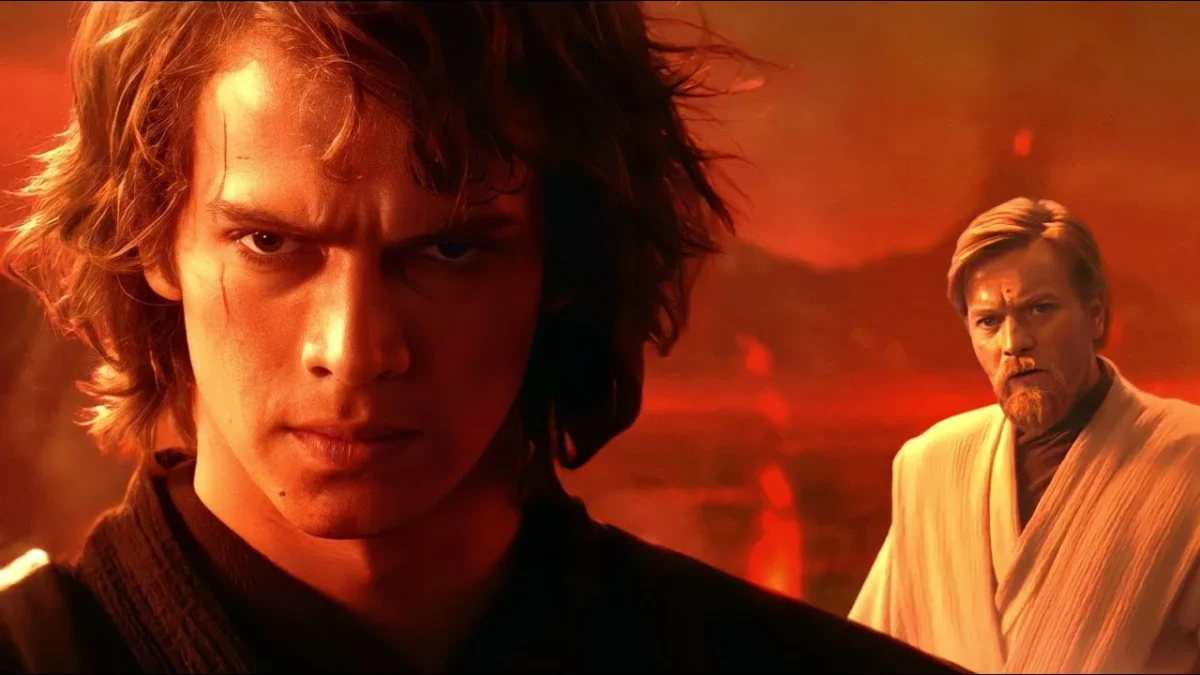
The Convergence of Prequel Nostalgia and Modern Discontent
The rise of Anakin Skywalker as a central figure in Gen Z’s digital iconography is not an isolated event but the culmination of a decade-long rehabilitation of the Star Wars prequel trilogy. Originally dismissed by critics upon their release between 1999 and 2005, the prequels found a second life through "Prequel Memes," a subculture that initially focused on linguistic irony and slapstick humor. However, by 2026, the tone of these memes shifted from lighthearted mockery to a more visceral, "dark" aesthetic known as the "rage" edit.
Cultural analysts point to the character of Anakin Skywalker in Star Wars: Episode III – Revenge of the Sith as the perfect vessel for modern youthful angst. Anakin’s narrative—a gifted individual who feels stifled by an aging, bureaucratic Jedi Council and eventually turns to radicalism—parallels the sentiments of many young men in the 2020s who report feeling economically marginalized and socially misunderstood. The "Gen Z Male Rage" meme format typically features high-contrast, over-saturated clips of Anakin’s most emotionally volatile moments, set to aggressive phonk or industrial synth-wave music.
Chronology of the Anakin Skywalker Meme Evolution
To understand the current dominance of these memes, it is necessary to trace their development through several distinct phases of internet culture.
- The Irony Era (2016–2019): Following the creation of the r/PrequelMemes subreddit, the focus was primarily on "low-effort" humor involving lines like "Hello there" or "I don’t like sand." Anakin was a figure of fun rather than a figure of identification.
- The Rehabilitation Era (2020–2022): With the release of The Clone Wars final season and Hayden Christensen’s return to the franchise in Obi-Wan Kenobi, the audience began to view Anakin’s fall as a nuanced tragedy rather than a poorly written plot point.
- The "Literally Me" Shift (2023–2024): Anakin began to be grouped with other cinematic "anti-heroes" such as Patrick Bateman (American Psycho) and Driver (Drive). This "Literally Me" phenomenon saw young men projecting their own identities onto characters who are isolated or driven by internal fury.
- The Political Integration (2025–2026): The memes transitioned into the political sphere. Anakin’s dialogue about "bringing peace, freedom, justice, and security to my new empire" began appearing in clips discussing real-world populist movements, anti-establishment protests, and debates regarding the "death of the American Dream."
Statistical Data and Digital Footprint
Data harvested from major social media platforms indicates that the "Anakin Rage" trend reached a statistical peak in November 2026. On TikTok and its various competitors, videos tagged with #AnakinSkywalker and #GenZMaleRage saw an increase in engagement of 340% between September and November.
According to digital trend monitoring firms, the primary demographic driving this content consists of males aged 18 to 27. Metadata analysis suggests that these memes are most frequently shared in regions experiencing high rates of youth unemployment or political volatility. In the United States, engagement with "political prequel memes" spiked during the 2024 and 2026 election cycles, suggesting that the Star Wars mythos has become a primary lens through which young voters process complex geopolitical and domestic issues.
| Platform | Tag/Keyword | View Growth (Q3-Q4 2026) | Primary Demographic |
|---|---|---|---|
| TikTok | #AnakinRage | 412% | 16-24 Male |
| YouTube | "Anakin Male Loneliness" | 215% | 18-30 Male |
| X (Twitter) | "The Council Held Him Back" | 180% | 20-35 All |
The Psychological and Sociological Underpinnings
The fascination with Anakin’s "rage" is often attributed to a psychological concept known as "disenfranchised grief." Many Gen Z creators argue that the world they inherited—marked by climate instability, soaring housing costs, and a fragmented social fabric—does not match the "Chosen One" narrative they were promised in childhood.
In this context, the Jedi Council serves as a metaphor for the "Gerontocracy" or the "Establishment." When Anakin complains to Obi-Wan Kenobi that the Council is "holding him back," it resonates with a generation that feels barred from traditional milestones of success. The "rage" in the memes is not necessarily a call to violence, but a visual manifestation of the frustration of feeling stagnant in a rapidly changing world.
Sociologists have noted that these memes often skirt the line between artistic expression and radicalization. By identifying with a character who eventually destroys the system (the Jedi Order) but becomes a villain in the process, users are exploring the darker impulses of political and social frustration.
Reactions from Media Critics and the Star Wars Community
The Star Wars fan community remains divided on the "Gen Z Male Rage" appropriation of the character. Some older fans, often dubbed "Millennial Prequelists," argue that the memes strip Anakin of his nuance, ignoring the fact that his fall was a cautionary tale of manipulation by a dictator.
"The irony is that Anakin was being groomed by Palpatine, the ultimate representative of the corrupt establishment," noted film critic Elena Vance in a recent editorial. "By using Anakin to represent anti-establishment rage, these meme creators are often missing the irony that Anakin became the very boot he sought to escape. However, the power of the image often outweighs the logic of the narrative."
Conversely, many younger creators defend the trend as a legitimate form of "digital folk art." In interviews with prominent meme-page administrators, the sentiment is that Star Wars provides a universal vocabulary that transcends traditional language. "Everyone knows what Anakin’s face looks like when he’s standing on Mustafar," said one creator. "You don’t need to explain the feeling of being betrayed by someone you trusted. The image does the work for you."
Broader Implications for Political Discourse
The weaponization of Anakin Skywalker memes in political discourse signals a shift in how political messaging will function in the future. As Gen Z and the emerging Gen Alpha move into the electorate, traditional campaign advertisements are being replaced by "vibe-based" memetic content.
Political analysts observe that these memes are effective because they bypass the rational brain and appeal directly to emotion. When a political candidate is edited to look like a Jedi or a Sith, or when a policy is framed through the lens of the "Galactic Republic," it simplifies complex issues into a recognizable struggle between "us" and "them."
Furthermore, the "Anakin Rage" phenomenon highlights a growing gender divide in digital consumption. While young women have gravitated toward different archetypes and "core" aesthetics, the intense, aggressive visual style of the Anakin memes suggests a burgeoning subculture of masculine discontent that political parties are increasingly eager to tap into or, in some cases, suppress.
Conclusion: The Future of the "Chosen One" Archetype
As we move toward 2027, the Anakin Skywalker Gen Z Male Rage memes show no signs of diminishing. They have become a permanent fixture of the "Manosphere" and broader political internet. The phenomenon serves as a potent reminder that popular culture is never static; the villains of the past can become the heroes—or at least the relatable avatars—of a frustrated future.
The enduring legacy of Anakin Skywalker in the 2020s is not found in the official Disney+ canon, but in the thousands of fan-made edits that populate the feeds of young men globally. Whether this rage will eventually find a constructive outlet or continue to simmer in the digital underground remains a subject of intense observation for sociologists, politicians, and cultural historians alike. For now, the image of the hooded, yellow-eyed Skywalker remains the defining symbol of a generation that feels it has been denied its place at the table and is increasingly willing to "bring balance" through whatever means necessary.

