
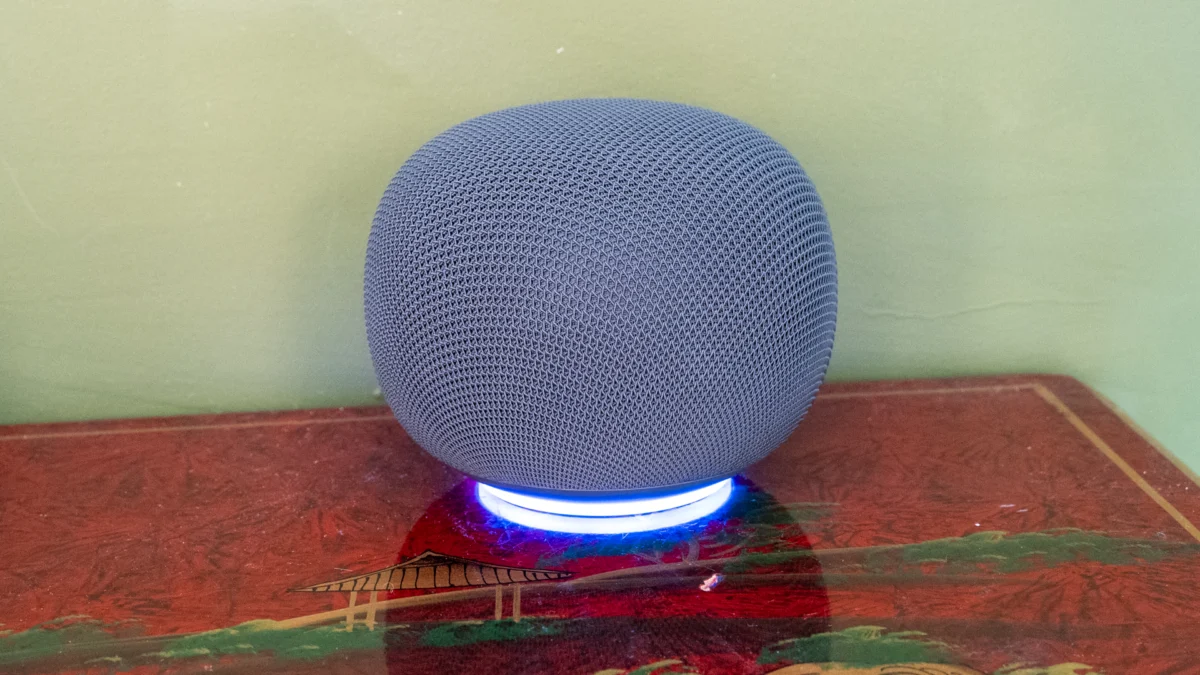
Google has enabled Google Home to work with third-party AI agents including Anthropic’s Claude and the open-source OpenClaw, marking a significant expansion of its smart home ecosystem and positioning it as a leader in open AI integration within the sector. This development, powered by the Model Context Protocol (MCP) technology, allows a wide array of AI systems to seamlessly interact with devices and historical event data stored within the Google Home environment. The implications are far-reaching, promising enhanced personalization, advanced automation, and potentially more robust security features for users.
The integration opens the door for AI agents such as Anthropic’s Claude, the open-source entities OpenClaw and Hermes, and Google’s own Antigravity coding platform to directly influence and manage smart home functionalities. This extends beyond the current capabilities of Gemini for Home, enabling voice-controlled thermostat adjustments, the creation of highly customized automation routines, and sophisticated security summaries derived from camera feeds. A particularly noteworthy aspect of this rollout is the ability for these compatible agents to construct personalized dashboards for users. This represents a fundamental shift from relying solely on the standardized Google Home application interface, offering users a bespoke control experience tailored to their individual needs and preferences.
Early Access and Phased Rollout: A Strategic Launch
The feature commenced its rollout on Wednesday, September 16th. However, Google has initially limited this early access to Google Home Premium Advanced subscribers exclusively within the United States. This phased approach is characteristic of major technology releases, allowing for iterative testing and refinement before a broader public launch. The company has explicitly flagged this release as "early access," acknowledging the potential for bugs and incomplete functionality. To facilitate rapid problem-solving and gather crucial user feedback, Google is directing developers and early adopters to its dedicated smart home feedback channel for reporting any issues encountered during this testing phase.
This strategic move places Google Home in a pioneering position within the dominant smart home platforms. By opening its ecosystem to AI agents developed externally, Google Home has surged ahead of competitors like Apple Home and Amazon Alexa, which have historically maintained more closed systems. This initiative signals Google’s commitment to fostering an open and collaborative smart home environment, a stark contrast to the more proprietary approaches seen from its rivals.
A Legacy of Third-Party Innovation and Growing Demand
The concept of integrating third-party AI into smart home management is not entirely novel. For several years, the open-source platform Home Assistant has been a frontrunner in this space, offering robust support for AI agents like Claude and OpenClaw. This has been facilitated by an extensive library of community-developed setup guides, empowering technically inclined users to build sophisticated custom automations.
Hardware manufacturers have also recognized this trend and have begun to offer solutions that facilitate third-party AI integration. Universal hubs from companies like Homey and specialized hubs, such as the OpenClaw-compatible hub from SwitchBot, have provided privacy-conscious households with alternative pathways to leverage advanced AI control beyond the native offerings of major platforms. These existing solutions demonstrate a clear market demand for greater flexibility and control over smart home devices through sophisticated AI.
The Model Context Protocol: The Technical Backbone
The technological foundation for this groundbreaking integration is the Model Context Protocol (MCP). This same framework was previously leveraged by Google to enable AI systems to integrate with its popular Google Workspace applications, such as Gmail and Google Calendar. MCP acts as a standardized interface, allowing different AI models and platforms to communicate and exchange information securely and efficiently with the Google Home ecosystem.
Essentially, MCP provides a common language and set of rules that govern how third-party AI agents can access and interact with the data and functionalities available within Google Home. This includes everything from device status (e.g., lights on/off, thermostat temperature) to historical event logs (e.g., when a door was opened, motion detected). By utilizing MCP, Google is creating a scalable and extensible platform that can accommodate a growing number of AI models and services without requiring extensive custom development for each integration. This protocol is designed to handle complex queries and context-aware responses, enabling AI agents to understand the user’s intent and execute actions on their behalf with a high degree of accuracy.
Enhanced Capabilities and User Experiences
The integration of third-party AI agents promises to unlock a new level of functionality and personalization for Google Home users. Consider the possibilities:
- Advanced Automation: Users could potentially instruct an AI agent like Claude to create complex automations based on nuanced conditions. For instance, an agent could be tasked with adjusting the home’s climate based on real-time weather forecasts, occupancy sensors, and even the user’s stated preferences for different times of day or activities. This goes beyond simple "if this, then that" rules, allowing for more adaptive and intelligent home management.
- Personalized Dashboards: The ability for compatible agents to create custom user interfaces is a game-changer. Instead of a one-size-fits-all app layout, users could have dashboards that prioritize the devices and information most relevant to them. A user interested in home security might have their dashboard dominated by camera feeds and sensor status, while a user focused on energy efficiency might see real-time energy consumption data and thermostat controls front and center. These dashboards could be dynamically generated by the AI agent based on user interaction and learned behavior.
- Context-Aware Security: Imagine a security summary provided by an AI agent that goes beyond simply listing events. An agent could potentially analyze camera footage to identify specific individuals, categorize types of motion (e.g., pet vs. human), and provide a narrative summary of events, highlighting any anomalies or potential security breaches. This could significantly reduce the time and effort required for users to review security footage.
- Voice Control Sophistication: Third-party AI agents are known for their advanced natural language processing capabilities. This integration means users could potentially interact with their Google Home devices using more complex and conversational commands. Instead of rigid phrasing, users might be able to say things like, "Hey Claude, I’m feeling a bit chilly and the sun is setting, can you make it a little warmer in the living room and dim the lights to a cozy setting?" The AI would then interpret this and execute the appropriate actions across multiple devices.
Navigating the Risks: Security and Privacy Concerns
While the benefits are substantial, the integration of third-party AI also introduces new security considerations. The article highlights the potential for "prompt injection attacks," also referred to as "smart home promptware." This type of attack involves embedding malicious instructions within seemingly innocuous data, such as emails or calendar entries. If an AI agent processes this compromised data, it could inadvertently execute harmful commands, potentially leading to unauthorized access or control of connected devices.
Google has a history of addressing such vulnerabilities. The company reportedly encountered similar security weaknesses in the early iterations of Gemini for Home and implemented swift patches. However, the expansion of third-party AI access amplifies the attack surface. It will be crucial for Google to maintain a robust security posture, continuously monitor for emerging threats, and provide clear guidance to users on best practices for securing their smart home environments. The reliance on third-party AI agents also raises questions about data privacy, as these agents will have access to potentially sensitive information about a user’s home and routines. Transparency from both Google and the third-party AI providers regarding data handling practices will be paramount.
A Competitive Landscape and Future Outlook
Google’s proactive embrace of third-party AI integration positions it as a forward-thinking leader in the smart home arena. By opening its platform, Google is not only enhancing its own product offerings but also stimulating innovation across the broader AI and smart home industries. This approach could foster a more dynamic and competitive market, driving further advancements in AI capabilities and user-centric smart home solutions.
The long-term implications of this move are significant. As more developers create MCP-compatible AI agents, the Google Home ecosystem will become increasingly versatile and powerful. Users will benefit from a wider choice of AI assistants, each potentially specializing in different areas, from home automation and energy management to security and entertainment. This could democratize access to advanced AI control, making sophisticated smart home experiences more accessible to a wider audience.
Google has not yet disclosed a specific timeline for expanding third-party AI access beyond its initial Premium Advanced subscriber base in the United States. However, the current early access program is a critical step in validating the technology and refining the user experience. The success of this rollout will likely dictate the pace and scope of future expansions, potentially leading to a global and more widely available integration of diverse AI capabilities within the Google Home platform. The company’s commitment to gathering feedback through its developer channels suggests a user-centric approach to development, aiming to build a robust and reliable smart home ecosystem that leverages the collective intelligence of both Google and its partners.

