
The digital marketing landscape is undergoing a significant transformation, compelling businesses to diversify their strategies beyond traditional organic search. With fluctuations in search engine visibility, social media platforms have emerged as crucial avenues for brand building and revenue generation. Recognizing this shift, Google has introduced a groundbreaking feature within its Search Console, enabling businesses to track the organic search performance of their social media profiles directly. This innovative addition, now fully rolled out, allows account holders to monitor YouTube, TikTok, X (formerly Twitter), and Instagram professional accounts, marking a pivotal moment in integrated digital analytics.
The necessity for such a tool stems from the inherent limitations of platform-specific analytics. While prominent social media giants offer robust dashboards detailing follower growth, engagement metrics, and content performance within their own ecosystems, they have historically failed to provide a holistic view of how content performs in broader organic search. This disconnect left marketers with incomplete data, making it challenging to understand the true reach and impact of their social media efforts beyond direct platform interactions. The absence of insights into organic search visibility meant businesses were operating with a blind spot, unable to quantify how their social content contributed to broader discoverability and traffic generation.
This new functionality within Google Search Console, a cornerstone tool for website owners and SEO professionals, redefines the concept of a "property." Previously confined to websites, the platform now extends its analytical capabilities to social media profiles, categorizing them as "platform properties." This semantic shift signifies Google’s acknowledgment of social media as integral components of a brand’s online presence, deserving of the same rigorous performance analysis as a dedicated website.
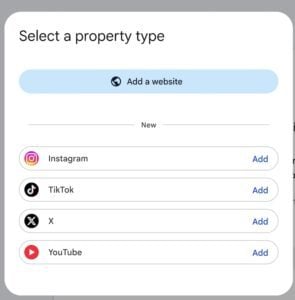
The rollout of this feature, described as having a "slow rollout," has now reached all eligible account holders. The process of integrating social media profiles is straightforward. Users are prompted to click "Add property" within the top-left drop-down menu of their Search Console account. Following this, they will navigate through authentication steps to verify ownership of their social media profiles. Once successfully added, data typically begins to populate within 36 hours, providing near real-time insights into organic search performance.
Deep Dive into Social Media Performance Metrics
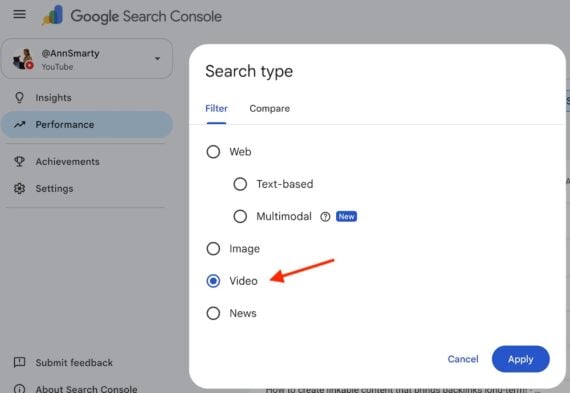
The newly introduced dashboard for social media profiles within Search Console is designed for clarity and actionable insights, offering two primary sections: "Insights" and "Performance." While the "Insights" tab provides a general overview, the "Performance" section is where the granular data resides, offering a breakdown of search metrics. This includes visibility across various search types: text or multimodal web search, image search, video search, and news. Crucially, it also encompasses visibility within Google Discover, a personalized content aggregation service that can drive significant traffic.
The inclusion of the "Video" search type is particularly noteworthy. YouTube content, a dominant force in online video, frequently achieves high rankings in Google Search results. Moreover, YouTube videos are increasingly being integrated into AI Overviews, AI Mode, and Google’s Gemini AI chatbot, amplifying their discoverability. Previously, tracking the organic search performance of individual YouTube videos was a laborious and often manual process, requiring extensive cross-referencing and data aggregation. This new feature streamlines that process, offering a direct view of which videos are appearing in Google Search results and how much traffic they are generating.
Unlocking Video SEO Potential
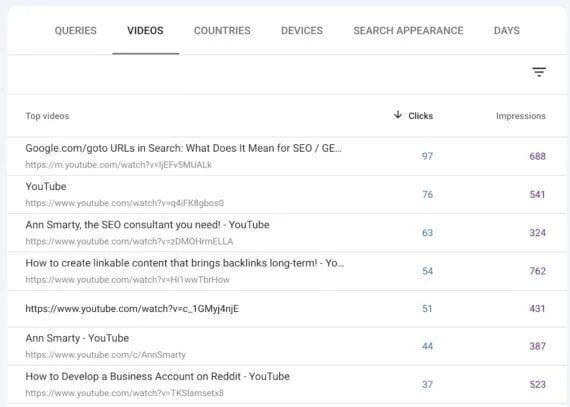
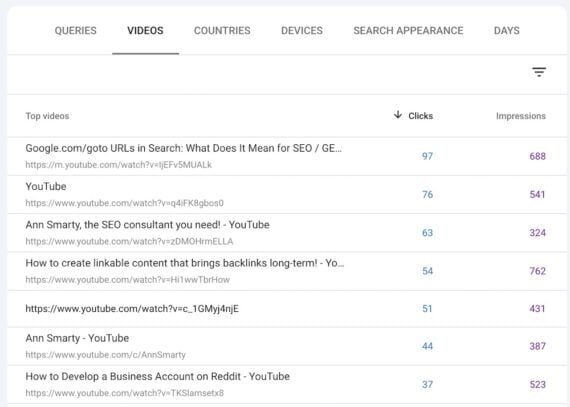
For content creators and e-commerce businesses leveraging video, the ability to monitor video performance in organic search is a game-changer. After adding a YouTube channel as a "platform property," users can navigate to the "Performance" dashboard. Here, selecting the "Videos" search type will reveal a list of YouTube videos that are ranking in Google Search. This list is accompanied by metrics such as clicks and impressions, allowing creators to identify their most successful video content in terms of search discoverability.
A significant enhancement is the ability to click on individual video links within this report. Doing so reveals the specific search queries for which each video is ranking. This granular data is invaluable for optimizing future video content. For instance, marketers can identify queries that are driving a substantial number of views but yielding few clicks, coupled with an average search position below the coveted top four. This pattern suggests an opportunity to improve click-through rates by incorporating these high-traffic, low-conversion queries directly into the video title. Furthermore, by analyzing the top-ranking queries for a given video, creators can refine their video titles and descriptions to further enhance their ranking potential and capture more organic traffic.
Expanding Search Console’s Reach to Visual Platforms
The impact of this update extends to visually-driven platforms like Instagram. E-commerce businesses that prominently feature product photography on their Instagram profiles can now monitor the "Multimodal search" performance filter. This filter provides crucial insights into whether their product images are appearing in Google’s Image Search results, a vital channel for product discovery and driving purchase intent. By understanding how their visual content performs in image-based searches, businesses can refine their photography, alt-text, and image optimization strategies to maximize their visibility.
While the new social media metrics do not currently include a dedicated "Branded search" filter, a common feature for website properties, this limitation can be overcome through manual filtering. Users can manually input their brand name and variations thereof into the query filters to ascertain how their social media profiles and individual posts are ranking for branded searches. This manual approach, while requiring an extra step, still provides essential data for managing brand reputation and understanding direct brand-related search interest.
The Future of Cross-Channel Marketing Integration
The introduction of social media properties into Google Search Console heralds a new era of integrated cross-channel marketing analysis. It empowers businesses to implement more sophisticated strategies where different content formats and platforms work in synergy. For example, a merchant can now publish an in-depth article on a specific topic, create a complementary video explaining the concept on YouTube, and share visually appealing product images related to the topic on Instagram.
With this new functionality, marketers can precisely annotate their Search Console data by noting the exact date each piece of content—the article, the video, the Instagram post—went live. Subsequently, they can meticulously track the organic search performance of each asset. This allows for a data-driven understanding of how different content types contribute to overall search visibility and traffic, enabling a more strategic allocation of resources and content creation efforts.
Moreover, the insights gleaned from the performance of YouTube videos are likely to uncover new target keywords that businesses might not have otherwise considered. Queries that rank for video content can reveal emerging trends and consumer interests, providing valuable intelligence for broader SEO strategies, content ideation, and product development. This expansion of Search Console’s analytical scope underscores Google’s commitment to providing a more unified and comprehensive view of a brand’s digital footprint, bridging the gap between social engagement and organic search discoverability. The implications are far-reaching, enabling businesses to build more resilient and effective digital marketing strategies in an increasingly complex online environment.
Supporting Data and Context
The shift towards social media as a primary marketing channel is not merely anecdotal. Data consistently demonstrates the growing influence of social platforms. A 2023 report by Statista indicated that global social media users surpassed 4.9 billion, a figure projected to grow further. Within this vast user base, video content consumption, particularly on platforms like YouTube and TikTok, has exploded. YouTube alone reports billions of hours of video watched daily. Similarly, TikTok has rapidly ascended, with its short-form video format captivating a significant demographic.
The integration of social media into Search Console is also a response to broader trends in how users discover information. Google’s own data suggests that a significant percentage of users, particularly younger demographics, use social media platforms as search engines for product research and information discovery. This trend has been amplified by the rise of AI-powered search experiences, where rich media content, including videos and images from social platforms, is increasingly being surfaced.
The move by Google is a strategic acknowledgment of these evolving user behaviors and a desire to provide marketers with the tools to adapt. By bringing social media profiles under the Search Console umbrella, Google is reinforcing its position as the central hub for understanding a brand’s online presence, regardless of where that presence manifests. This move is likely to be seen as a positive development by many businesses, offering a much-needed bridge between their social media activities and their overall SEO performance.
Official Reactions and Expert Analysis
While Google has not issued extensive public statements regarding the specific motivations behind this feature, the rollout itself speaks volumes. Industry analysts widely interpret this move as Google’s effort to maintain its relevance in an ecosystem where social media platforms are increasingly acting as gatekeepers of information and consumer attention.
"This is a significant development for digital marketers," commented [Hypothetical SEO Analyst Name], a Senior Analyst at [Hypothetical Digital Marketing Firm]. "For years, we’ve struggled to connect the dots between our social media efforts and their impact on organic search. The ability to see how our TikTok videos or Instagram posts are performing in Google Search, beyond just platform analytics, provides an unprecedented level of insight. It allows us to optimize our content more effectively and demonstrate the ROI of our social media investments in a tangible way."
The timing of this feature’s full release is also noteworthy, coming as businesses grapple with the evolving algorithms of search engines and the growing prominence of AI in search results. The ability to track video performance, in particular, is crucial given the increasing presence of video content in AI Overviews and Gemini.
"The inclusion of video search metrics is a game-changer for YouTube creators and brands," added [Hypothetical Content Strategist Name], a Content Strategist specializing in video marketing. "We can now pinpoint exactly which videos are resonating with search audiences and understand the search queries driving that engagement. This data is invaluable for refining our content strategy, identifying underserved niches, and ultimately, driving more qualified traffic to our channels and websites."
Broader Impact and Future Implications
The implications of this new Search Console functionality are far-reaching. For small businesses and individual creators, it democratizes access to sophisticated analytics that were previously only available to large enterprises with extensive analytics teams. The ability to understand organic search performance across multiple platforms empowers them to compete more effectively in the digital space.
For e-commerce businesses, the ability to track image search performance on platforms like Instagram could lead to a surge in visually optimized product listings, driving more direct sales from search. For content publishers, it offers a clearer picture of how their social media promotion efforts translate into broader discoverability.
Looking ahead, it is plausible that Google will continue to expand the types of social media properties supported and the depth of analytics provided. The current limitations, such as the absence of a dedicated branded search filter for social properties, may be addressed in future updates. Furthermore, this development could spur other search engines and analytics platforms to offer similar integrated cross-platform performance tracking, fostering a more holistic approach to digital marketing analytics across the board.
Ultimately, Google Search Console’s expansion into social media analytics represents a significant step towards a more unified and data-driven approach to digital marketing, empowering businesses to navigate the complex online landscape with greater clarity and strategic precision.

