
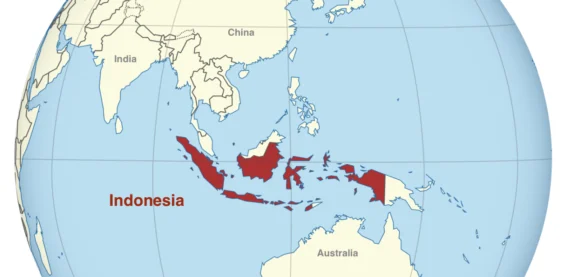
The United Nations projects Indonesia to be the fourth most populous nation in 2026, boasting a burgeoning population of 288 million residents, positioning it behind global giants India (1.46 billion), China (1.41 billion), and the United States (345 million). This demographic landscape, coupled with a significant digital footprint, presents a compelling, yet complex, opportunity for e-commerce expansion. While the archipelago nation exhibits a robust internet penetration rate, its current retail sales figures, when compared to its population size and global peers, suggest a substantial untapped potential for online commerce. This dichotomy forms the crux of Indonesia’s evolving e-commerce narrative, highlighting a market ripe for strategic investment and nuanced market entry.
Understanding the scale of consumer spending within a nation is crucial for assessing its economic vitality and market potential. Direct, apples-to-apples comparisons of retail sales across different countries are often complicated by variations in data collection methodologies and the composition of reported figures. However, the World Bank’s "Household Final Consumption Expenditure" metric offers a standardized proxy. This metric, representing the market value of all goods and services purchased by households, provides a valuable, albeit broad, snapshot. For the most recently compiled data from 2024, the United States led the pack with an impressive $19.8 trillion in household consumption. China followed with $7.48 trillion, while India registered $2.4 trillion. In stark contrast, Indonesia’s household final consumption expenditure stood at $773.6 billion. This figure, while substantial in absolute terms, underscores the significant disparity between Indonesia’s demographic weight and its current consumer spending power on a national level.
Parallel to the overall retail landscape, the online retail sector presents a similarly intricate picture. Comparable data for online-only retail sales is often less standardized and relies heavily on individual country government reporting. A key indicator of e-commerce readiness is internet user penetration. According to DataReportal’s comprehensive "Digital 2026 Global Overview Report," China reported 1.3 billion internet users in 2025, achieving a penetration rate of 92%. India followed with 1.0 billion users, representing 68% of its population. The United States maintained a high penetration of 94%, with 323.9 million users. Indonesia, with 230.4 million internet users, achieved an 80% penetration rate. This data clearly illustrates that while Indonesia’s internet user base is significant and its penetration rate is relatively high, the current retail sales figures suggest a considerable gap between digital access and online spending. This gap, however, is not necessarily a reflection of limitations but rather a strong indicator of substantial, yet to be fully realized, growth potential within the Indonesian e-commerce market.
The Evolving Indonesian E-commerce Landscape
The Indonesian e-commerce market is characterized by its unique dynamics, influenced by a vast archipelago, diverse cultural landscapes, and a rapidly digitizing population. Foreign brands venturing into this market often adopt a phased approach, initially leveraging the reach of established online marketplaces before exploring more complex distribution networks and establishing their own branded e-commerce presences. This strategy is often dictated by the inherent challenges of navigating Indonesia’s geography, which can lead to logistical complexities, and the country’s specific regulatory environment, which, similar to other emerging markets like India, imposes certain restrictions on foreign enterprise operations.
A defining feature of the Indonesian online consumer journey is the dominance of local marketplaces. These platforms have become the primary channels through which a significant portion of online transactions are conducted. Asialink, an Australia-based consultancy, has identified Shopee Indonesia, Tokopedia, and Lazada as the dominant players, collectively capturing an estimated 76% of online sales. Notably, Shopee and Lazada also engage in direct-to-consumer retail, further solidifying their positions as comprehensive e-commerce ecosystems. The presence of global brands such as L’Oréal Paris, Nivea, Garnier, Maybelline, Adidas, Puma, Samsung, Xiaomi, Philips, Tefal, Nestlé, and Kellogg’s on these Indonesian marketplaces signifies their recognition of the market’s vast consumer base and the effectiveness of these platforms in reaching them.
Beyond traditional e-commerce marketplaces, social commerce has emerged as a powerful complementary channel. Platforms such as WhatsApp, Instagram, Facebook, and TikTok Shop are increasingly being utilized for product discovery, direct engagement, and transaction completion. This trend reflects the ingrained social nature of Indonesian consumer behavior and the seamless integration of digital tools into daily communication and commerce. The Greater Jakarta metropolitan area, with its staggering 32 million residents, stands out as the most populous urban center, representing a concentrated hub of consumer activity and a primary target for e-commerce strategies.
Strategic Pathways for Market Entry
For foreign brands seeking to establish a foothold in the Indonesian e-commerce sector, several strategic pathways exist, each with its own set of regulatory and operational considerations. These options include cross-border e-commerce, participation in local marketplaces, and the establishment of partnerships with local distributors. Regardless of the chosen route, navigating Indonesia’s compliance landscape is paramount.

The most direct and independent control for a foreign brand operating within Indonesia is through the establishment of a Perseroan Terbatas Penanaman Modal Asing (PT PMA) company. This corporate structure is the sole entity that grants a foreign brand full, autonomous control over its business operations. To establish a PT PMA, foreign entities must meet specific requirements, including the presence of two shareholders, one of whom must be foreign, and a minimum capital investment of $150,000, among other stipulated regulations. The establishment of a PT PMA also facilitates the acquisition of a Business Identification Number (NIB, or Nomor Induk Berusaha), a mandatory prerequisite for operating any e-commerce business within the country.
A common and effective approach for foreign e-commerce brands in Indonesia is the adoption of an omnichannel strategy. This involves leveraging local distributors to secure broad market access and establish a physical presence, while simultaneously utilizing marketplaces and social commerce channels to capture high-volume demand and engage with a wider online audience. The development of a branded website, in conjunction with physical retail outlets, can significantly enhance brand equity and provide invaluable access to customer data. However, these initiatives often entail higher compliance burdens and increased market entry costs. Collaborating with local importers can streamline the complex customs clearance processes, mitigating potential delays and ensuring a smoother flow of goods.
Within the Indonesian business ecosystem, the term "distributor" typically refers to entities that purchase sector-specific inventory at wholesale prices and subsequently resell it to retailers or end consumers. Prominent examples of such distributors include DKSH Indonesia and Enseval, companies with established networks and expertise in navigating the local market.
Distinct from distributors are "e-commerce enablers." These specialized service providers focus on managing a brand’s official store presence on marketplaces, overseeing marketing campaigns, and handling fulfillment operations. Jet Commerce and SCI Group are notable examples of e-commerce enablers that offer comprehensive support to foreign brands looking to optimize their online sales strategies.
A critical legal requirement for all e-commerce activities in Indonesia is the mandatory use of Bahasa Indonesia in product descriptions. This linguistic imperative underscores the importance of localization for effective consumer engagement. Furthermore, foreign brands must adhere to a minimum wholesale value of $100 per unit for goods entering the country. This regulation effectively renders low-cost, cross-border e-commerce models impractical for many product categories, necessitating a more integrated and locally compliant approach to market entry.
Future Outlook and Implications
The confluence of a large, youthful, and increasingly connected population, coupled with a relatively nascent retail sales landscape, positions Indonesia as a prime market for e-commerce expansion. As internet penetration continues to rise and digital literacy improves, consumer spending online is expected to accelerate significantly. This growth trajectory will likely be driven by a deepening penetration of smartphones, improved digital payment infrastructure, and ongoing innovations in logistics and last-mile delivery across the vast archipelago.
The Indonesian government’s commitment to fostering digital economic growth, evidenced by initiatives aimed at supporting small and medium-sized enterprises and promoting digital infrastructure development, further bolsters the optimistic outlook for the e-commerce sector. As foreign investment continues to flow into the market, competition is expected to intensify, leading to greater innovation, improved consumer experiences, and potentially more competitive pricing.
However, challenges remain. Addressing the logistical complexities inherent in an archipelagic nation, ensuring robust consumer protection, and navigating the evolving regulatory framework will be critical for sustained growth. Brands that can effectively tailor their strategies to the unique cultural nuances and consumer preferences of Indonesia, while also demonstrating a commitment to local compliance and partnership, are best positioned to capitalize on the immense opportunities that this dynamic market presents. The Indonesian e-commerce landscape is not merely a market for transactions; it is a rapidly evolving ecosystem that demands strategic foresight, cultural adaptability, and a long-term vision for success. The coming years will undoubtedly witness Indonesia solidifying its position as a formidable force in the global digital economy.

