
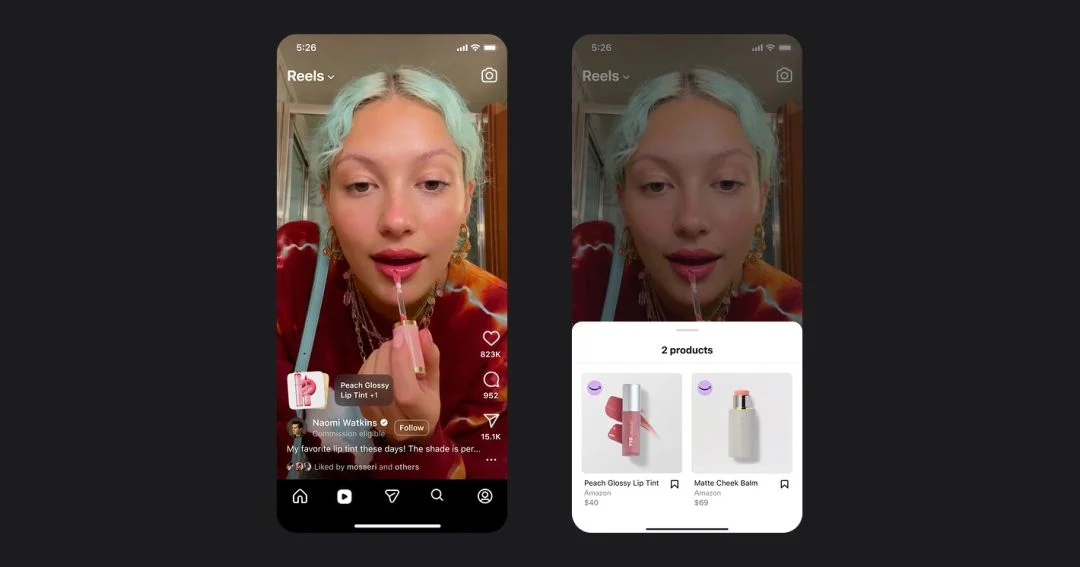
Instagram, the prominent visual-first social media platform owned by Meta, announced on Monday a significant expansion of its monetization tools for creators, introducing a direct integration that allows them to embed Amazon affiliate links within Reels and standard feed posts. This new functionality marks a pivotal moment for social commerce, enabling creators to earn commissions by recommending products seamlessly within their content. Creators now have the capacity to tag up to 30 products in a single Reel and up to 20 products in a feed post, facilitating multiple earning opportunities from a single piece of engaging content.
Historically, creators on Instagram have utilized various indirect methods to share Amazon affiliate links, primarily through clickable links in their stories, direct messages (DMs), or the single link available in their profile bios. While these methods have proven effective to varying degrees, the new integration brings product links directly into the core content experience. The strategic importance of this shift is underscored by internal data shared by Meta, which indicated to TechCrunch that product links embedded directly within creators’ Reels and posts generate approximately twice as many clicks compared to links placed in their bios. This statistic highlights a significant improvement in user engagement and conversion potential, pointing towards a more frictionless shopping journey for consumers and enhanced earning potential for creators.
Streamlined Monetization and Enhanced Creator Tools
The essence of this new feature lies in its ability to streamline the affiliate marketing process for creators while simultaneously expanding their avenues for monetization. By permitting the direct embedding of multiple product links, Instagram is not only diversifying earning opportunities but also granting creators greater flexibility in how they curate and share product recommendations. This enhancement is particularly critical as Instagram continues to vie for the attention and content of top creators in an intensely competitive social media landscape, where rivals like TikTok and YouTube are aggressively investing in their own creator monetization ecosystems.
A key aspect of this integration that stands to benefit creators significantly is its cost-free nature. Instagram has confirmed that adding products and affiliate links incurs no charges for creators, nor does the platform take a commission on purchases made through these links or levy any transaction fees. This commitment to allowing creators to retain the full affiliate commission, which continues to be paid out by Amazon, positions Instagram as a highly attractive platform for those looking to leverage their influence for commercial gain.
The technical implementation for eligible creators is designed to be user-friendly and efficient. Creators can now connect their existing Instagram and Amazon Influencer accounts through the Monetization section located within their Professional Dashboard. Once this connection is established, Instagram automatically generates and applies affiliate links whenever creators tag Amazon products in their content. These links are engineered to direct viewers seamlessly to the Amazon Shopping app, ensuring a cohesive and efficient purchasing experience. Furthermore, connected affiliates gain access to image previews for their links, a visual cue that makes it easier for viewers to recognize and identify the recommended products at a glance, thereby enhancing the overall user experience and potentially boosting click-through rates.
A notable improvement in the workflow for creators involves the automatic application of affiliate attribution. In the past, creators were often required to manually input a specific affiliate URL. With the new integration, when creators connect their Amazon Associates account to Instagram, affiliate attribution is automatically applied to any Amazon product they add, even if they simply paste a regular product link. This automation significantly reduces the complexity and potential for error in the linking process, allowing creators to focus more on content creation rather than intricate link management. To further empower creators with transparency and control, Instagram also provides the ability to view each product’s estimated commission rate before it is added to a post or Reel, allowing for informed decisions regarding product recommendations.
The Evolution of Social Commerce and the Creator Economy
This new integration is not an isolated development but rather a significant stride in Instagram’s ongoing efforts to bolster its monetization tools and make affiliate marketing more accessible and lucrative for the vast community of creators on its platform. It reflects a broader trend in the digital economy: the maturation and expansion of the creator economy and the accelerating convergence of social media with e-commerce, commonly referred to as social commerce.
The global creator economy, estimated to be well over $100 billion and projected to grow substantially in the coming years, represents a powerful new segment of economic activity. Millions of individuals worldwide leverage their unique talents, interests, and personalities to build audiences and generate income through various digital channels. Social media platforms like Instagram have been instrumental in fostering this ecosystem, providing the tools and reach for individuals to become influencers, artists, educators, and entrepreneurs. As this economy expands, so does the demand for robust and equitable monetization pathways.
Instagram’s journey in supporting its creators financially has been incremental but consistent. From early ad revenue shares on IGTV to the introduction of badges for live streams, creator subscriptions, and various shopping features that allowed businesses to tag products, the platform has steadily built out its monetization infrastructure. This new Amazon integration represents a deeper dive into affiliate marketing, a sector that has seen tremendous growth. According to industry reports, the affiliate marketing industry is valued at over $17 billion globally and continues to expand as brands increasingly recognize the power of influencer endorsements. For creators, affiliate marketing offers a scalable, performance-based revenue stream that directly rewards their ability to drive sales.
Amazon, with its colossal e-commerce footprint, has long cultivated an extensive Amazon Influencer Program, allowing content creators to earn commissions by recommending products. This Instagram integration deepens Amazon’s reach into a highly engaged visual platform, providing a direct pipeline from inspiration to purchase. It benefits Amazon by tapping into Instagram’s massive user base, estimated at over 2 billion monthly active users globally, and leveraging the platform’s visually driven content format for product discovery and sales.
Competitive Landscape and Meta’s Strategic Imperatives
The timing and nature of this integration are also highly indicative of the fierce competition among social media giants for creator loyalty and market share in the burgeoning social commerce space. Platforms like TikTok, with its rapidly growing TikTok Shop functionality, and YouTube, which has robust shopping features and a long-standing partner program, are aggressively investing in tools that help creators monetize their content. Instagram’s move to simplify and enhance affiliate marketing through Amazon is a direct response to this competitive pressure, aiming to solidify its position as a preferred platform for creators looking to build sustainable careers.
Meta, Instagram’s parent company, has openly articulated its ambitions in e-commerce and the broader metaverse. The company views creators as central to its future growth, recognizing that compelling content drives engagement, and engaged users are more likely to participate in commerce within its ecosystem. By making it easier for creators to earn directly on Instagram, Meta aims to foster a more vibrant and self-sustaining creator community, which in turn fuels content creation, user retention, and ultimately, advertising revenue. The "twice as many clicks" data point cited earlier is a powerful testament to the effectiveness of direct product integration, suggesting that reducing friction in the shopping journey translates directly into increased conversions and a more valuable e-commerce experience for all parties.
Broader Impact and Implications
The implications of this direct Amazon affiliate integration are far-reaching, affecting creators, Instagram, Amazon, and consumers alike.
For Content Creators: This move represents a significant opportunity for increased revenue. The ability to tag multiple products directly within visually engaging Reels and posts means creators can craft more immersive shopping experiences. It simplifies their workflow by automating affiliate attribution and provides greater transparency through commission rate previews. This could also inspire new content strategies, with creators producing more dedicated product reviews, "haul" videos, or lifestyle content explicitly designed to showcase and link to Amazon products, thereby diversifying their content portfolio and income streams.
For Instagram: The integration strengthens Instagram’s appeal as a creator-friendly platform, potentially drawing in new talent and retaining existing creators who might otherwise explore competing platforms. It enhances user engagement by transforming casual browsing into potential shopping experiences, keeping users within the Meta ecosystem for longer periods and through more stages of the consumer journey. By becoming a more robust social commerce hub, Instagram can also attract more brands and advertisers, further solidifying its revenue model.
For Amazon: This partnership provides Amazon with unparalleled access to Instagram’s massive, visually-oriented audience. It streamlines the process for influencers to promote Amazon products, effectively turning millions of Instagram posts and Reels into direct sales channels. This integration has the potential to significantly boost sales volume and broaden the reach of Amazon’s product catalog, especially among demographics highly engaged with social media content.
For Consumers: The integration promises a more seamless and convenient shopping experience. Users can now discover products recommended by their favorite creators and purchase them directly without navigating away from the content or manually searching for links. This reduces friction between discovery and purchase, making the entire process more intuitive and satisfying.
Potential Challenges and Future Outlook: While the benefits are clear, there are also considerations. The increased commercialization of feeds could, if not managed carefully, lead to a perception of content overload or a reduction in authenticity. Platforms and creators will need to continue emphasizing transparency regarding affiliate links, adhering to regulatory guidelines for disclosure. Furthermore, the success of this integration will likely pave the way for Instagram to explore similar direct affiliate partnerships with other major retailers, further cementing its role as a central player in the evolving landscape of social commerce.
In conclusion, Instagram’s direct Amazon affiliate integration for Reels and feed posts is more than just a new feature; it is a strategic maneuver that significantly elevates its position in the creator economy and social commerce arena. By empowering creators with more efficient and lucrative monetization tools, Instagram not only strengthens its own ecosystem but also reshapes how products are discovered and purchased online, marking a pivotal moment in the ongoing evolution of digital retail.

