
The strategic integration of play into children’s learning experiences is increasingly recognized by educational psychologists and child development experts as a cornerstone for fostering intrinsic motivation, enhancing cognitive development, and promoting holistic growth. Moving beyond traditional didactic methods, contemporary pedagogical approaches emphasize leveraging a child’s inherent interests and activities to create meaningful educational opportunities, often without the child consciously perceiving the learning process. This article explores five evidence-backed strategies that parents and educators can employ to seamlessly weave academic and developmental learning into children’s existing passions, transforming everyday interactions into powerful educational moments.
Understanding Play-Based Learning: A Modern Educational Imperative
The concept of play-based learning is not new, with pioneers like Friedrich Froebel and Maria Montessori advocating for hands-on, child-led exploration in the 19th and early 20th centuries. However, modern educational research, particularly in cognitive science and developmental psychology, has provided robust empirical support for these philosophies. Studies consistently demonstrate that children learn most effectively when they are actively engaged, curious, and emotionally invested in an activity. The shift from rote memorization to experiential learning reflects a deeper understanding of how the brain processes and retains information, especially in early childhood and elementary years.
In recent decades, educational frameworks worldwide, including those from organizations like the National Association for the Education of Young Children (NAEYC) and the Organisation for Economic Co-operation and Development (OECD), have underscored the importance of play. The OECD’s 2017 report, "The Future of Education and Skills 2030," for instance, highlights the necessity of developing competencies like critical thinking, creativity, and problem-solving, which are naturally cultivated through playful exploration. The traditional separation between "playtime" and "learning time" is dissolving, giving way to an integrated model where a child’s fascinations—whether with digital games, outdoor adventures, or specific collectibles—become powerful conduits for acquiring knowledge and skills.
The foundational principle is that children are natural learners, driven by curiosity. When learning is disguised as play, it bypasses the resistance often associated with formal instruction, making it more enjoyable and effective. This approach not only boosts academic performance but also cultivates essential socio-emotional skills such as perseverance, collaboration, and self-regulation.
Strategy 1: Bridging Digital Engagement with Traditional Literacy
In an era dominated by digital media, children’s engagement with screens is a significant aspect of their daily lives. Rather than viewing screen time solely as a challenge, experts suggest leveraging it as a gateway to literacy and expanded knowledge. The strategy involves extending children’s enthusiasm for movies, television shows, or video games into related reading and learning experiences.
Supporting Data and Expert Insights:
A 2023 report by Common Sense Media indicated that children aged 8-12 spend an average of nearly five hours a day on screens, while younger children (0-8) spend about 2.5 hours. While concerns about excessive screen time persist, research from institutions like the Joan Ganz Cooney Center at Sesame Workshop has explored the potential for "transmedia learning," where content across different platforms (e.g., TV show, book, app) reinforces educational messages. When a child develops an attachment to characters or universes from a show like Disney’s Cars, Minecraft, Bluey, or Peppa Pig, this pre-existing interest creates a fertile ground for introducing books that delve deeper into those themes.
Educational psychologists emphasize that this approach capitalizes on a child’s existing schema—their mental framework for understanding the world. By connecting new information (from a book) to something familiar and loved (a screen character or game), children can more easily absorb and integrate the knowledge. For a child engrossed in Minecraft, books on architecture, geology, engineering, or even basic coding principles become highly relevant and engaging. Similarly, popular characters like Bluey or Curious George can lead to stories exploring themes of friendship, family dynamics, kindness, or scientific curiosity.
Public libraries play a crucial role in facilitating this strategy. Librarians, trained in children’s literature and development, can provide tailored recommendations that align with a child’s specific screen interests. Initiatives such as the New Worlds Reading Initiative in Florida further exemplify this by offering free, interest-matched books directly to homes, ensuring that every delivery feels personalized and exciting. This model, if replicated more broadly, could significantly enhance literacy rates by tapping into children’s individual passions.
Implications:
This method not only fosters a love for reading but also develops critical media literacy skills, teaching children to seek out related information and understand narratives across different formats. It transforms passive consumption into active exploration, building a bridge between entertainment and educational content that children traverse willingly and often unknowingly.
Strategy 2: The Protégé Effect – Empowering Children as Educators
A powerful pedagogical strategy, known as the "protégé effect," posits that when individuals are tasked with teaching others, they themselves experience a deeper level of learning and retention. This phenomenon has significant implications for child development and education. By encouraging children to explain their passions to an adult, parents and educators can trigger this effect, transforming casual conversations into profound learning experiences.
Supporting Data and Expert Insights:
The protégé effect is well-documented in educational psychology. A study published in the Journal of Experimental Psychology: General found that students who anticipated teaching material to others processed the information more deeply, organized it more effectively, and recalled it more accurately than those who prepared for a test. This is because the act of preparing to teach necessitates a more comprehensive understanding of the subject matter; one must not only know the facts but also be able to explain them clearly, anticipate questions, and provide examples.
For children, this process translates into enhanced metacognition—the ability to think about one’s own thinking. When a child is asked to explain the differences between an Allosaurus and a T. rex, or the rules of an offside call in soccer, they are compelled to articulate their knowledge, identify gaps in their understanding, and refine their explanations. This active retrieval and reorganization of information strengthens neural pathways and deepens memory encoding. Furthermore, the sense of responsibility and authority that comes with being "the teacher" acts as a powerful motivator, boosting self-esteem and engagement.
Experts like Dr. Peter C. Brown, co-author of Make It Stick: The Science of Successful Learning, advocate for retrieval practice and elaboration, both of which are central to the protégé effect. Asking "how" and "why" questions encourages children to elaborate on their understanding, moving beyond surface-level recall.
Implications:
Beyond academic gains, this strategy nurtures communication skills, critical thinking, and confidence. It shifts the dynamic from passive reception of information to active construction of knowledge, empowering children to take ownership of their learning journey. It also provides parents with valuable insights into their child’s understanding and areas where further exploration might be beneficial.
Strategy 3: Cultivating Curiosity Through Inquiry-Based Exploration
Children are inherently curious beings, constantly asking "why" and "how." Every question, from the mundane to the profound, represents a prime opportunity for inquiry-based learning. This strategy encourages adults to wonder alongside children, transforming spontaneous questions into collaborative investigations and mini-lessons.
Supporting Data and Expert Insights:
Inquiry-based learning is a pedagogical approach that emphasizes asking questions, investigating ideas, and constructing new knowledge through active exploration. Rooted in the constructivist theories of Jean Piaget and Lev Vygotsky, it posits that children build knowledge by interacting with their environment and making sense of their experiences. Vygotsky’s concept of the "Zone of Proximal Development" (ZPD) is particularly relevant, suggesting that children learn best when guided by a more knowledgeable other (parent or teacher) through tasks slightly beyond their current independent capabilities.
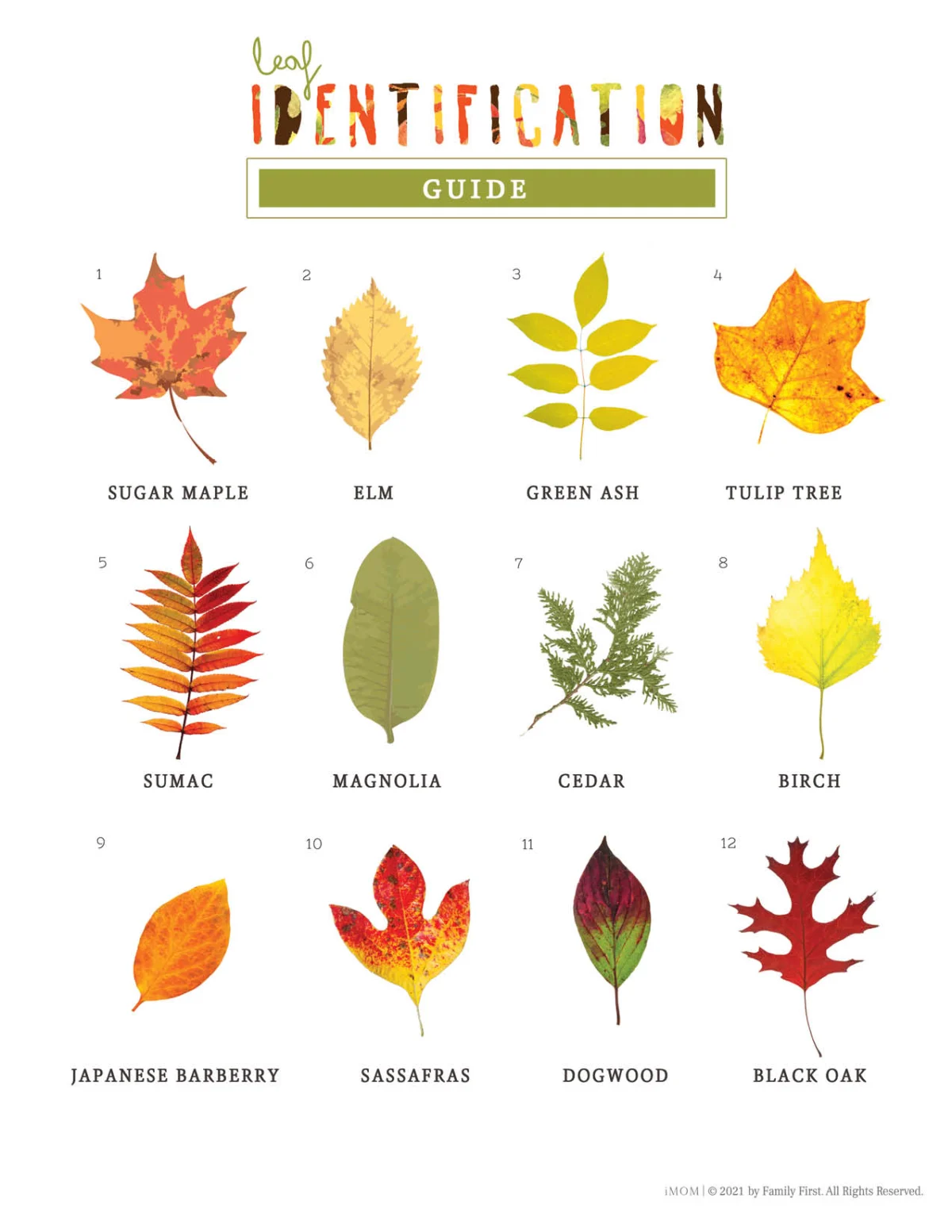
When a child asks about their tummy growling, it’s not merely a physiological observation; it’s an entry point into biology, nutrition, and the human body. Utilizing kid-friendly apps, books, or online resources to explore digestion together turns a simple question into a scientific discovery. Similarly, a question about which Pokémon card is stronger becomes an impromptu math lesson, involving addition, comparison of values, and strategic thinking. Identifying a leaf on a walk transforms into a botany lesson, using identification guides or nature apps.

Dr. Kathy Hirsh-Pasek, a professor of psychology and an expert in early childhood education, emphasizes the importance of "serve and return" interactions—responding to a child’s cues and questions to build conversational and cognitive skills. Asking follow-up questions like "Where else have you seen something like this?" or "Why do you think it works that way?" stimulates critical thinking and encourages children to make connections between different concepts, fostering a deeper understanding of the world around them.
Implications:
This approach cultivates a lifelong love of learning by validating children’s curiosity and demonstrating that knowledge acquisition is an exciting, collaborative adventure. It hones problem-solving skills, observational abilities, and the capacity for scientific reasoning, preparing children to become independent thinkers and investigators.
Strategy 4: Transforming Play into Project-Based Learning Initiatives
The transition from casual play to structured projects represents a significant leap in cognitive and practical skill development. When children are encouraged to channel their passions into hands-on projects, they engage in a rich form of learning that integrates multiple disciplines, fosters creativity, and builds resilience. This strategy moves beyond theoretical understanding to practical application, allowing children to test ideas, iterate, and learn from both successes and failures.
Supporting Data and Expert Insights:
Project-Based Learning (PBL) is a dynamic classroom approach in which students actively explore real-world problems and challenges and acquire a deeper knowledge through active exploration. While often associated with formal education, its principles are highly applicable in home environments. Research on PBL, particularly from institutions like the Buck Institute for Education (BIE), highlights its effectiveness in developing 21st-century skills such as critical thinking, collaboration, communication, and creativity.
When a child’s fascination with LEGO castles evolves into creating a "tour guide" video, they are not only engaging in construction but also developing narrative skills, public speaking, digital literacy, and potentially even rudimentary scripting and editing. A child’s interest in pretend cooking can lead to following real recipes from a simple cookbook, teaching them about measurements (math), ingredients (science), following instructions, and patience. A gamer designing a board game based on their favorite video game is implicitly learning about rule-setting, balance, strategy, graphic design, and even basic economics (if they consider trading or resources).
These projects are intrinsically motivating because they stem from the child’s own interests. They provide opportunities for children to apply knowledge in tangible ways, learn from mistakes (a critical aspect of growth often termed "productive struggle"), and experience the satisfaction of creating something meaningful. The iterative process of designing, building, testing, and refining teaches perseverance and problem-solving in a context that feels like play.
Implications:
PBL in a playful context nurtures innovation and an entrepreneurial mindset. It encourages children to see themselves as creators and problem-solvers, equipping them with practical skills and a resilient attitude towards challenges. This approach transforms abstract concepts into concrete experiences, solidifying learning in a way that traditional methods often cannot.
Strategy 5: Expanding Literacy Horizons with Diverse Media Formats
For many children, the traditional printed book can be a barrier to literacy, particularly for reluctant readers or those with different learning styles. This strategy advocates for embracing a broader definition of "reading" and "storytelling" by incorporating diverse media formats such as comic books, graphic novels, audiobooks, and podcasts. These alternatives can be powerful tools for fostering literacy skills and a love for narratives.
Supporting Data and Expert Insights:
Research consistently demonstrates the value of varied media in literacy development. A study published in the Journal of Research in Reading indicated that graphic novels can significantly aid vocabulary acquisition and comprehension, especially for struggling readers, by pairing visual cues with text. The images provide context and support, making complex narratives more accessible and engaging. The sequential art format also helps develop inferential thinking and visual literacy.
Audiobooks and podcasts are equally impactful. A 2024 report by the National Literacy Trust in the UK found that audiobooks spark interest in reading for nearly 40% of children who listen to them. For children with dyslexia or those who find decoding text challenging, audiobooks remove the barrier of print, allowing them to access rich narratives, develop listening comprehension, expand vocabulary, and experience the joy of stories. Listening to stories also enhances auditory processing skills, attention span, and imaginative capacity. Podcasts, often designed for specific age groups, can introduce children to a wide range of topics, from science and history to mystery and adventure, in an engaging, conversational format. Series like The Unexplained Disappearance of Mars Patel offer compelling narratives that can captivate young listeners.
Programs like the New Worlds Reading Initiative, which offer interest-based books in various formats including graphic novels, exemplify how institutional support can make these resources readily available. The key is to meet children where they are, offering them pathways to literacy that resonate with their preferences and learning styles.
Implications:
By diversifying the forms of "books" available, educators and parents can significantly increase a child’s engagement with literacy. This inclusive approach ensures that all children, regardless of their reading proficiency or preferences, have opportunities to develop strong literacy skills, broaden their knowledge, and cultivate a lifelong appreciation for storytelling. It recognizes that literacy is not confined to print but encompasses the ability to understand and interpret information across multiple media.
Broader Implications for Child Development and Educational Outcomes
The systematic application of play-based learning strategies extends far beyond immediate academic gains. It lays a robust foundation for holistic child development, fostering a range of skills and dispositions crucial for success in the 21st century. By integrating learning into children’s existing passions, these approaches cultivate intrinsic motivation, making learning a joyful and self-driven process rather than an imposed task.
Children who learn through play develop superior problem-solving abilities, as they are constantly faced with challenges within their chosen activities and must devise creative solutions. Their critical thinking skills are sharpened as they analyze information, make decisions, and evaluate outcomes, whether in a game of Pokémon or a LEGO build. The collaborative nature of many play activities, particularly when a child teaches an adult or works on a project, enhances communication, negotiation, and teamwork skills.
Furthermore, these strategies significantly impact socio-emotional development. The experience of mastering a skill or completing a project through self-directed play boosts self-esteem and confidence. Learning from mistakes in a low-stakes play environment builds resilience and a growth mindset, teaching children that setbacks are opportunities for learning rather than failures. The validation of their interests by adults strengthens the parent-child bond and creates a supportive learning ecosystem.
From an academic perspective, the multi-modal engagement fostered by these strategies leads to deeper comprehension and retention across subjects. Whether it’s math through gaming, science through nature walks, or literacy through audiobooks, children are exposed to concepts in diverse contexts, reinforcing their understanding and making knowledge more transferable.
Conclusion: A Holistic Approach to Nurturing Lifelong Learners
In conclusion, the deliberate integration of play into children’s learning journeys represents a powerful and effective pedagogical paradigm. By extending screen time into story time, empowering children as teachers, transforming everyday questions into inquiries, channeling playtime into projects, and embracing diverse literacy formats, parents and educators can create rich, engaging, and intrinsically motivating learning environments.
These strategies, backed by extensive research in child development and educational psychology, move beyond traditional methods to foster a love of learning that is self-sustaining. They equip children with not only academic knowledge but also crucial 21st-century skills: critical thinking, creativity, communication, collaboration, and resilience. Ultimately, by recognizing and valuing children’s passions as powerful educational assets, we can nurture a generation of curious, confident, and lifelong learners, prepared to navigate and shape an ever-evolving world.

