
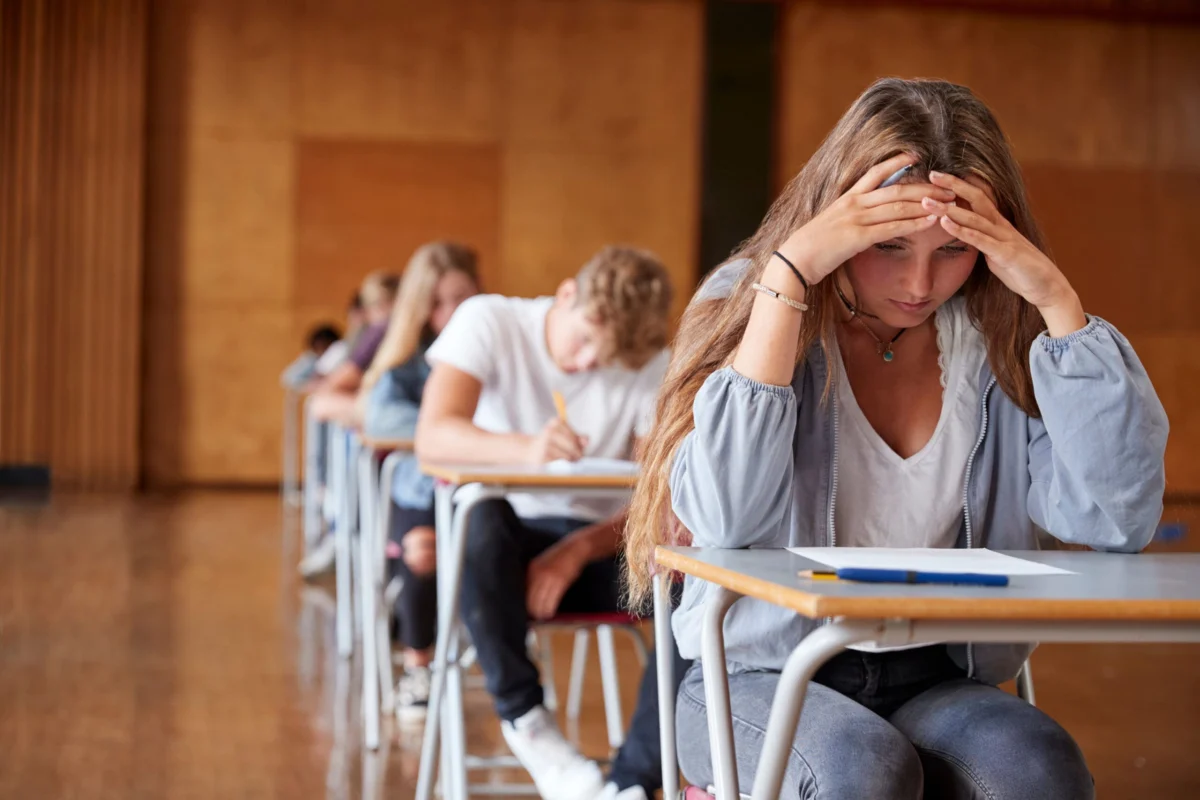
The contemporary educational environment, coupled with pervasive societal pressures, has led to a significant increase in school-related anxiety among adolescents, a phenomenon impacting their academic performance, social development, and overall well-being. A recent parental account highlights the intensity of this struggle, describing a teen’s outburst: "Stop asking me about school! I’m so stressed, and you’re making it worse." This candid expression underscores a widespread challenge for families and educational institutions alike, where understanding the nuanced forms of teen anxiety is paramount to providing effective support. While individual responses to stress vary widely, identifying the specific type of anxiety—academic, social, or performance-related—is the first critical step toward implementing targeted coping mechanisms and interventions.
The Alarming Rise of Teen Anxiety: Background and Context
The past decade has witnessed a concerning upward trend in mental health challenges among adolescents, with anxiety disorders being particularly prevalent. Data from the Centers for Disease Control and Prevention (CDC) indicates a substantial increase in reported anxiety and depression symptoms among U.S. high school students. This rise is not isolated to academic settings but is deeply intertwined with broader societal shifts, including the omnipresence of social media, heightened academic competition, economic uncertainties, and, more recently, the lingering effects of the global pandemic. The Pew Research Center’s findings are particularly illuminating, revealing that 68% of teens report feeling significant pressure to achieve good grades, a figure that has steadily climbed. This pressure is not merely self-imposed; it often stems from parental expectations, peer comparison, and the highly competitive landscape of college admissions and future career prospects, fostering what some experts term a "toxic achievement culture."
Recognizing the Signs: Identifying School-Related Stress in Adolescents
Identifying school-related stress in teenagers requires vigilant observation of behavioral, emotional, and physical indicators. These signs often represent deviations from a teen’s typical disposition and habits. Behaviorally, a stressed teen might exhibit increased irritability, withdrawal from social activities or family interactions, changes in sleep patterns (either insomnia or excessive sleeping), or a sudden decline in academic engagement. Procrastination, once a minor habit, might become severe, leading to missed deadlines and a cycle of anxiety. Emotionally, signs include persistent worry, sadness, feelings of helplessness, or an inability to relax. They might express feeling "stressed" or "overwhelmed" directly, but often, anxiety manifests as defiance, apathy, or what might be misinterpreted as laziness. Physically, stress can present as frequent headaches, stomachaches, fatigue, changes in appetite, or even panic attacks, especially before significant events like tests or presentations. Recognizing these diverse manifestations is crucial for parents and educators to move beyond superficial interpretations and address the underlying anxiety. Early recognition allows for timely intervention, guiding adolescents toward appropriate coping skills and, when necessary, professional assistance.
Type 1: Academic Stress – The Pursuit of Perfection
Academic stress is perhaps the most commonly acknowledged form of school-related anxiety, driven by the relentless pursuit of high grades, fear of failure, and the pressure to excel in a competitive educational system. This manifests in various ways, from perfectionism—where a teen spends excessive time on assignments, fearing any mistake—to procrastination, which can be a coping mechanism to avoid confronting challenging tasks. The physical symptoms, such as headaches or stomach upset before exams, are physiological responses to this intense mental pressure. The pressure to keep up with peers, parental expectations, and the overarching school culture, which often prioritizes metrics of success over holistic development, contribute significantly to this burden.
Supporting Academic Stress:
Addressing academic stress requires a multi-faceted approach centered on reframing success, fostering resilience, and equipping teens with practical organizational skills.
- Focus on Effort Over Outcomes: Instead of solely emphasizing grades, parents and educators should commend the effort, dedication, and learning process. Phrases like, "You put in the time and studied well," validate their hard work irrespective of the final score. This shifts the focus from an external, often uncontrollable, outcome to internal, controllable actions.
- Reality-Check Fears: Engage teens in conversations about their anxieties. Asking "What’s the worst that could happen?" and collaboratively brainstorming solutions helps demystify fears and demonstrate that even negative outcomes are manageable. This cognitive behavioral technique, widely used by therapists, can significantly reduce anticipatory anxiety.
- Encourage a Relaxed Mindset: Remind teens of their capabilities. Simple affirmations such as, "You know more than you think. Start with what you know and go from there," can alleviate pressure and promote a more confident approach during exams or presentations.
- Practical Coping Skills:
- Break Down Tasks: Large assignments can be overwhelming. Helping teens break them into smaller, manageable steps makes the workload seem less daunting and fosters a sense of progress.
- Model Resilience: Parents demonstrating their own ability to cope with setbacks and challenges provides a powerful example. Discussing failures as learning opportunities normalizes imperfection.
- Prioritization and Time Management: Teaching effective study habits, including creating schedules and prioritizing tasks, empowers teens to manage their academic responsibilities more efficiently, reducing last-minute stress. Tools like planners, digital calendars, or even simple to-do lists can be invaluable.
- Strategic Breaks and Self-Care: Encourage regular breaks during study sessions and emphasize the importance of sleep, nutrition, and physical activity as foundations for academic performance and stress reduction.
Type 2: Social Anxiety – Navigating the Peer Landscape
Social anxiety in the school context revolves around the intense fear of being judged, rejected, or embarrassed by peers. This often manifests as avoidance of social gatherings, excessive preoccupation with what others think, or compulsive phone-checking—a digital manifestation of seeking validation or monitoring social standing. For socially anxious teens, the daily effort to appear "normal" or "okay" at school can be emotionally exhausting, leading to profound fatigue and withdrawal once they return home. The adolescent years are critical for identity formation and social development, making social acceptance and peer relationships highly significant. Any perceived threat to these connections can trigger severe anxiety.
Supporting Social Anxiety:
Building social confidence requires a foundation of empathy, validation, and gradual exposure to social situations, coupled with careful management of digital interactions.
- Empathy and Validation: When a teen expresses distress over friendships or social interactions, the first response should be empathy and validation. Phrases like, "It sounds like that conversation really upset you. Do you want to talk about it, or take some space first?" acknowledge their feelings without judgment. Minimizing their experiences with statements like, "You won’t even remember this in a few years," can invalidate their current emotional pain.
- Empowerment Through Choice: Encourage teens to process their social stress by asking empowering questions such as, "What could make things better next time?" or "How would you like to handle it?" This approach fosters autonomy and problem-solving skills, rather than dictating solutions.
- Encourage Low-Stakes Social Risks: Gradually exposing teens to social situations in a controlled manner can build confidence. Suggesting participation in a club related to their interests, initiating a study group, or inviting a friend for a casual outing after school provides opportunities for positive social interaction without overwhelming pressure.
- Managing Online Spaces: The digital realm significantly impacts teen social anxiety. Research, including studies published in journals like ScienceDirect, consistently shows that passive scrolling and online comparison—often fueled by curated, idealized social media feeds—can exacerbate anxiety and negatively affect self-esteem. Encourage teens to critically evaluate their online environment by asking, "Which accounts make you feel worse about yourself? What would happen if you unfollowed them for a week?" This promotes mindful digital consumption and helps them curate a more positive online experience. Discussions about cyberbullying and online safety are also crucial.
Type 3: Performance Anxiety – The Spotlight Effect
Performance anxiety arises when the fear of being judged dominates an activity that requires public display of skill or talent. This can occur across various domains: giving a presentation in class, competing in a sporting event, performing in a school play, or even participating in a debate. Signs can range from a sudden desire to quit activities they once loved, to obsessive practicing, or in severe cases, experiencing panic attacks leading up to or during the performance. The internal pressure to "perform perfectly" can overshadow the joy of participation and the learning process.
Supporting Performance Anxiety:
Easing performance pressure involves balancing realistic encouragement with normalization of nerves and equipping teens with mental and physical coping strategies.
- Balance Encouragement with Reality: Reassurance should be grounded in their preparation, not an unrealistic expectation of perfection. Statements like, "You’ve put in the work. You’re ready. If something unexpected happens, you’ll handle it," are more effective than blanket affirmations like, "You’ll do great," which can inadvertently add pressure. This acknowledges potential challenges while reinforcing their capability.
- Normalize Nerves: It is essential to communicate that experiencing nerves is a common human response, even for professionals. Reminding a teen, "Even professionals get pre-performance jitters," can help them feel less isolated and understand that these feelings are normal, not a sign of weakness or impending failure.
- Effective Coping Skills:
- Visualization: Guide teens to mentally rehearse their performance, envisioning success and calmly navigating any potential challenges. This mental preparation can enhance confidence and reduce anxiety by familiarizing them with the scenario.
- Strategic Practice: Encourage consistent, focused practice, but also emphasize the importance of knowing when to stop. Over-practicing can lead to burnout and increased pressure. The goal is mastery, not exhaustion.
- Breathing Techniques: Simple diaphragmatic breathing exercises can be powerful tools for calming the nervous system. Teaching techniques like box breathing (inhale for four counts, hold for four, exhale for four, hold for four) can provide an immediate way to reduce physiological symptoms of anxiety.
- Mindfulness and Body Scan: Encourage mindfulness exercises where they pay attention to their bodily sensations without judgment. A body scan helps them identify areas of tension and consciously release them.
Institutional Responses and Support Systems
Educational institutions play a pivotal role in creating a supportive environment that mitigates school-related anxiety. Many schools are now implementing comprehensive mental health programs, including on-site counseling services, peer support groups, and mental health literacy curricula. These initiatives aim to normalize discussions around mental well-being, provide accessible resources, and equip students with coping strategies. Some schools are redesigning academic structures to reduce pressure, such as rethinking grading systems or promoting project-based learning over high-stakes exams. Collaborations between school counselors, teachers, and parents are crucial for a holistic approach. Furthermore, government bodies and educational policy makers are increasingly recognizing the need for greater funding and resources allocated to adolescent mental health services within schools, viewing it as an investment in public health and future societal productivity. Parent organizations also contribute by advocating for these changes and providing educational workshops.
When to Seek Professional Intervention
While parental support and school-based strategies are invaluable, there are instances where professional intervention becomes necessary. Parents should seek help if their teen’s anxiety significantly interferes with daily functioning, such as persistent school refusal, inability to participate in social activities, or severe academic decline. Other red flags include chronic physical symptoms (e.g., migraines, digestive issues) without a clear medical cause, the development of other mental health conditions like depression, or, critically, any thoughts of self-harm or suicidal ideation. Knowing how to help a child with anxiety about school includes recognizing the limits of one’s own support and guiding the teen toward qualified mental health professionals. Pediatricians can often provide initial screenings and referrals to child psychologists, therapists specializing in cognitive behavioral therapy (CBT) or dialectical behavior therapy (DBT), or psychiatrists for medication management if appropriate. Early intervention is key to preventing anxiety from escalating into more severe and chronic conditions.
Broader Implications and Future Outlook
The long-term implications of untreated teen anxiety extend far beyond academic performance. Chronic anxiety in adolescence can impact future educational attainment, career choices, and the development of healthy adult relationships. It can also predispose individuals to other mental health disorders later in life. Addressing school-related anxiety requires a concerted, multi-pronged effort involving families, schools, healthcare systems, and broader societal awareness campaigns. Fostering a culture that values well-being alongside academic achievement, promoting emotional intelligence, and ensuring accessible mental health resources are critical steps. As educational systems evolve, integrating mental health support as a core component of student services, rather than an auxiliary offering, will be essential for nurturing resilient, well-adjusted generations capable of navigating the complexities of the modern world.

