
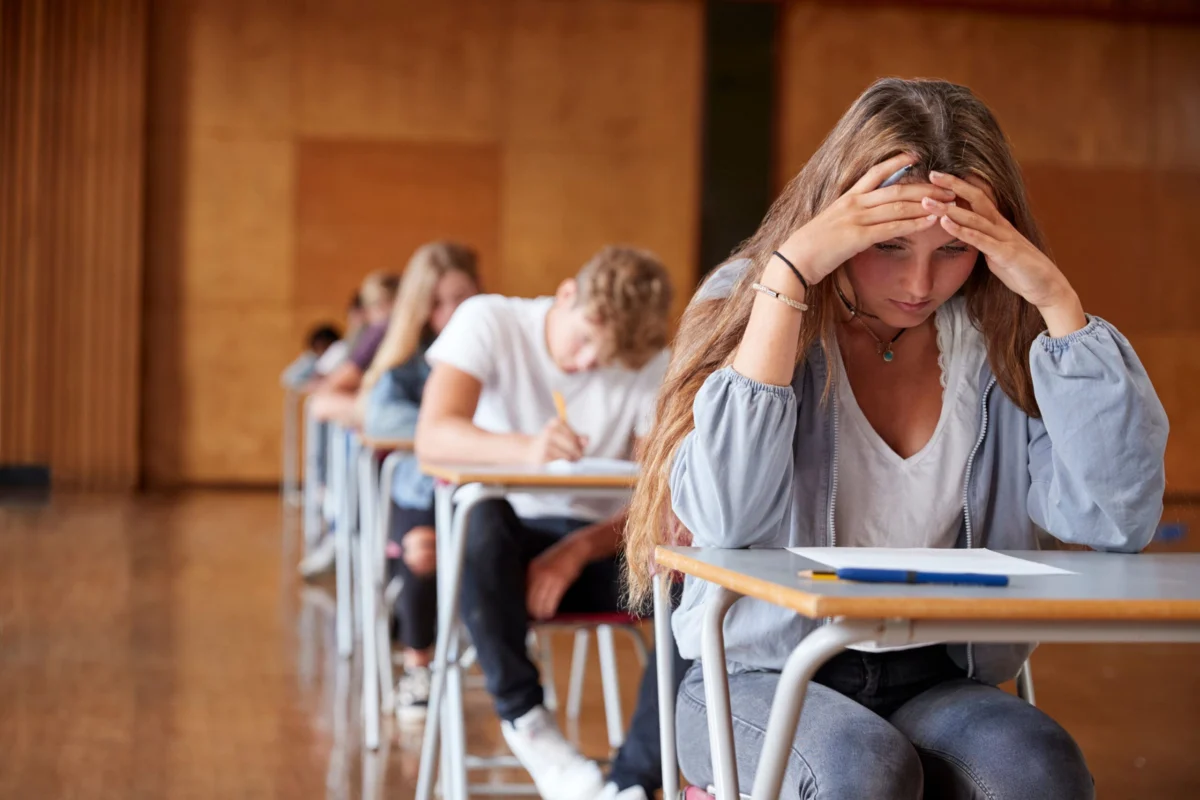
A growing mental health crisis is quietly unfolding within the nation’s classrooms, as an increasing number of adolescents grapple with debilitating school-related anxiety. From the relentless pursuit of academic perfection to the intricate pressures of social hierarchies and the pervasive influence of digital platforms, modern schooling presents a complex landscape that significantly impacts student well-being. This pervasive stress, often manifesting in subtle behavioral shifts or overt emotional outbursts, demands a comprehensive understanding and multi-tiered intervention strategy from parents, educators, and policymakers alike.
The phenomenon of school anxiety among teenagers has reached alarming levels, drawing significant concern from public health officials and educational institutions. Data from the Centers for Disease Control and Prevention (CDC) indicates a concerning trend, with a substantial percentage of adolescents reporting persistent feelings of sadness or hopelessness. While not all sadness translates to anxiety, studies consistently link academic and social pressures to elevated stress levels in school environments. For instance, the Pew Research Center reported that 68 percent of teens feel significant pressure to achieve good grades, a figure that underscores the pervasive academic burden. This pressure often transforms into anxiety when the weight of expectations overshadows the intrinsic motivation to learn and succeed.
The Evolving Landscape of Adolescent Stress: A Recent Chronology
The current state of teen anxiety is not an isolated phenomenon but rather the culmination of several evolving societal and educational shifts. Over the past decade, several key factors have contributed to the amplification of school-related stress:
- Early 2010s: The rise of social media platforms began to profoundly reshape adolescent social dynamics. Initial research emerged linking increased screen time to mental health concerns, though the full scope was still being understood. Academic competition also intensified with rising college application rates.
- Mid-2010s: Greater awareness of mental health issues in schools led to some initial efforts in integrating counseling services, but often without adequate funding or resources to meet demand. Standardized testing continued to be a significant stressor.
- Late 2010s: Reports from organizations like the American Psychological Association (APA) highlighted increasing stress levels among Gen Z, particularly related to academic performance and future uncertainty. The role of cyberbullying and online social pressures became more prominent.
- 2020-2022 (COVID-19 Pandemic Era): The pandemic served as a major accelerant for the teen mental health crisis. Remote learning, social isolation, fear of illness, and disruptions to routine created unprecedented levels of anxiety and depression. Students returned to school with academic gaps and often diminished social skills, exacerbating existing stressors.
- 2023-Present: Post-pandemic, schools and healthcare systems are struggling to cope with the surge in mental health needs. Concerns about academic recovery, social re-integration, and the ongoing influence of digital media remain paramount. Discussions around systemic changes in education—from curriculum design to mental health support infrastructure—have gained urgency.
This timeline illustrates a clear trajectory where multiple stressors have converged, creating a challenging environment for adolescent development and well-being within the educational system.
Understanding the Multifaceted Manifestations of School Anxiety
Identifying school-related anxiety in teenagers requires careful observation, as its symptoms can be varied and often misinterpreted. Beyond direct admissions of feeling "stressed" or "overwhelmed," parents and educators should look for changes in behavior, emotional regulation, and even physical health. These signs can include increased irritability, withdrawal from social activities, sudden declines in academic performance, persistent fatigue, changes in sleep patterns, loss of appetite, frequent headaches or stomachaches, and even defiance or perceived laziness. Recognizing these indicators is the critical first step in addressing the underlying anxiety.
The anxiety teens experience in school settings can broadly be categorized into three principal types, each with distinct triggers and requiring tailored support strategies:
1. Academic Stress: The Burden of Achievement
Academic stress is perhaps the most widely recognized form of school anxiety, fueled by intense pressure to excel. This manifests as perfectionism, leading to excessive study hours and self-criticism, or conversely, as procrastination, a coping mechanism to avoid confronting perceived failure. Physical symptoms like headaches or nausea before tests are common. This pressure is not merely self-imposed; it often stems from high parental expectations, the relentless drive to gain admission to competitive colleges, and a broader "toxic achievement culture" pervasive in many educational environments. The aforementioned Pew Research Center statistic—68 percent of teens feeling significant pressure for good grades—underscores the systemic nature of this issue.
Leading educational psychologists, such as Dr. Eleanor Vance, a specialist in adolescent development, emphasize the importance of shifting focus from outcomes to effort. "When we continually praise ‘smartness’ or solely celebrate high grades, we inadvertently teach children that their worth is tied to their performance," Dr. Vance states. "Instead, acknowledging the hard work, perseverance, and learning process fosters a growth mindset, which is crucial for building resilience against academic setbacks." Strategies to mitigate academic stress include teaching teens to break down large tasks into manageable steps, modeling resilience in the face of challenges, and helping them prioritize commitments. Parents are advised to engage in reality-checking conversations, asking "What’s the worst that could happen?" to help externalize and reduce the power of fears, a technique widely endorsed by cognitive-behavioral therapists.
2. Social Anxiety: Navigating the Peer Landscape
Social anxiety in the school context often revolves around the fear of judgment, rejection, or embarrassment by peers. This can manifest as avoidance of group activities, obsessive worrying about others’ opinions, and constant phone-checking—a digital manifestation of social vigilance. For socially anxious teens, the sheer effort required to maintain an outward appearance of normalcy throughout the school day can be emotionally exhausting, leading to withdrawal or meltdowns once they are in a safe space.
The digital realm has significantly complicated social anxiety. Research published in journals like ScienceDirect indicates that passive scrolling through social media feeds and engaging in online comparison significantly increase anxiety levels in adolescents. The curated, often unrealistic portrayals of peers’ lives on platforms like Instagram and TikTok create a constant sense of inadequacy and fear of missing out (FOMO). Dr. Marcus Chen, a clinical psychologist specializing in adolescent mental health, highlights this issue: "The digital mirror reflects an idealized reality, prompting teens to constantly evaluate their own lives against a false standard. This comparison culture is a potent fuel for social anxiety."
Support strategies for social anxiety focus on empathy and empowerment. Validating a teen’s feelings—"It sounds like that conversation really upset you"—before offering solutions, creates a safe space for processing emotions. Encouraging low-stakes social risks, such as joining a club, initiating a study group, or inviting a friend for a casual outing, can gradually build confidence. Critically, guiding teens to manage their online presence, including curating their social media feeds by unfollowing accounts that trigger negative self-perception, is an essential modern coping skill.
3. Performance Anxiety: The Spotlight Effect
Performance anxiety extends beyond the academic sphere, encompassing any situation where a teen feels they are being evaluated or observed. This can range from giving a presentation in class, competing in a sporting event, performing in a school play, to even participating in a group discussion. Signs often include a sudden desire to quit previously loved activities, obsessive practice leading to burnout, or experiencing panic attacks before a performance. The fear of failure or public humiliation becomes paralyzing.
Educators and coaches often note that while a certain level of pre-performance jitters is normal, debilitating anxiety can hinder a teen’s ability to demonstrate their true capabilities. Supporting teens through performance anxiety involves balancing encouragement with realistic expectations. Statements like, "You’ve put in the work. You’re ready. If something unexpected happens, you’ll handle it," are more reassuring than simple "You’ll do great," which can inadvertently add pressure to be perfect. Normalizing nerves by reminding teens that "even professionals get pre-performance jitters" can also be incredibly helpful.
Effective coping mechanisms include visualization techniques, where teens mentally rehearse successful outcomes, thereby building confidence and reducing the perceived threat of the situation. Strategic practice, which focuses on targeted improvement rather than exhaustive repetition, helps build competence without leading to burnout. Simple breathing techniques, such as diaphragmatic breathing, can also be powerful tools to calm the nervous system in high-stress moments.
When Professional Intervention Becomes Essential
While parental support and school-based strategies are invaluable, there are instances when professional help is critical. Parents and guardians should seek the guidance of mental health professionals if a teen’s anxiety significantly interferes with daily functioning—impacting school attendance, academic performance, social interactions, or family life. Persistent physical symptoms without a clear medical cause, the development of unhealthy coping mechanisms (e.g., substance use, disordered eating), or any thoughts of self-harm or suicide are immediate indicators that professional intervention is required. Recognizing the limits of one’s own support and guiding a teen toward qualified therapists or counselors is a crucial aspect of responsible parenting in the face of severe anxiety. School counselors and administrators often play a vital role in identifying these cases and facilitating referrals to external mental health resources.
Broader Impact and Policy Implications
The pervasive nature of teen school anxiety carries significant broader implications for public health, educational policy, and societal well-being. Unaddressed anxiety in adolescence can lead to chronic mental health issues in adulthood, impacting career success, relationships, and overall quality of life. The academic and social disruptions caused by anxiety can also have long-term economic consequences for individuals and society.
In response to this growing crisis, educational leaders and policymakers are increasingly advocating for systemic changes. These include:
- Increased Funding for School Mental Health: Greater investment in school counselors, psychologists, and social workers to ensure readily accessible support for students.
- Integration of Social-Emotional Learning (SEL): Implementing comprehensive SEL curricula from elementary through high school to teach coping skills, emotional regulation, empathy, and responsible decision-making.
- Curriculum Reform: Re-evaluating the emphasis on high-stakes testing and exploring more holistic assessment methods that reduce undue pressure on students.
- Promoting a Positive School Climate: Initiatives to combat bullying, foster inclusivity, and create supportive environments where students feel safe and valued.
- Parental and Community Engagement: Educating parents and caregivers on how to recognize and respond to anxiety, and fostering partnerships between schools and community mental health organizations.
The challenge of teen school anxiety is complex, requiring a multi-pronged approach that extends beyond individual coping mechanisms to encompass a supportive ecosystem involving families, schools, healthcare providers, and policy reforms. Addressing this crisis is not merely about helping individual students manage stress; it is about cultivating a generation that is resilient, mentally healthy, and equipped to thrive in an ever-evolving world. The collective effort to prioritize adolescent mental well-being within our educational framework will determine the future success and happiness of countless young individuals.

