
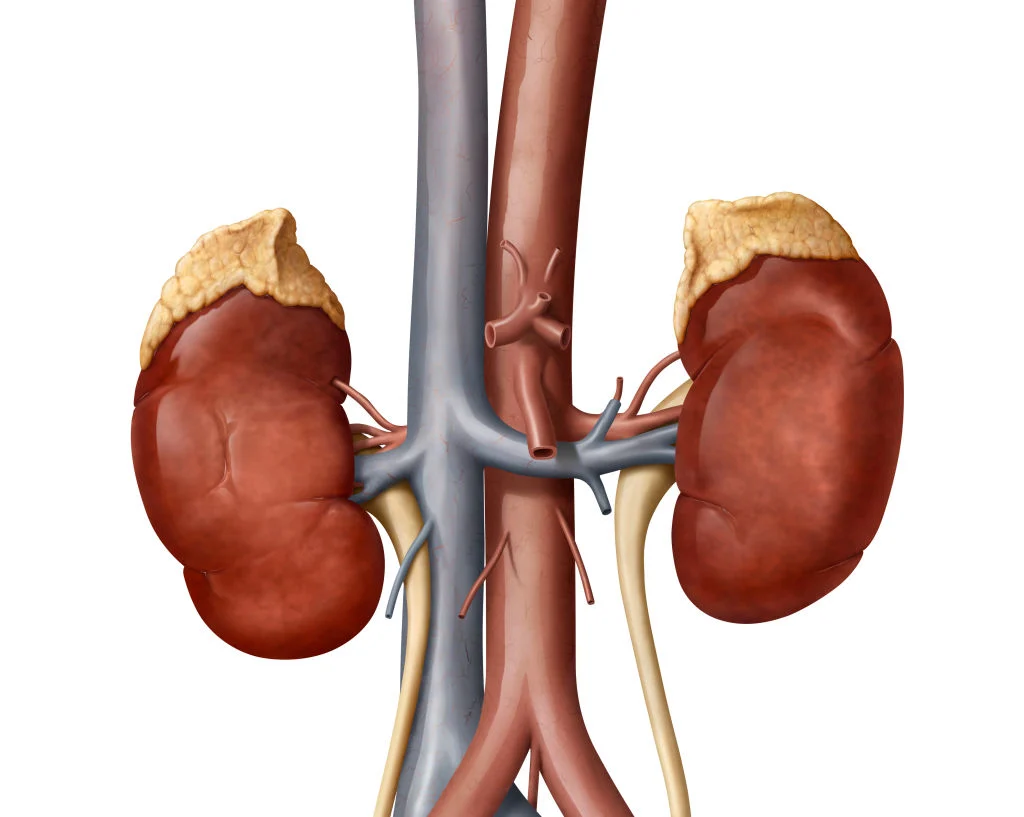
Despite an influx of more than $2.5 billion into kidney-focused value-based care initiatives over the last six years, hospital spending associated with kidney disease remains stubbornly high. This financial paradox suggests that while the volume of investment is significant, the strategic focus of these interventions may be misaligned with the actual drivers of inpatient costs. Current kidney-care strategies have largely bifurcated into two camps: managing chronic kidney disease (CKD) in the outpatient setting to delay failure, or optimizing the delivery of dialysis for those who have already reached end-stage renal disease (ESRD). While both approaches provide undeniable clinical value, they frequently overlook the most critical inflection point for hospital economics: the acute hospitalization that precipitates a transition from chronic management to acute kidney injury (AKI). This specific window of time, often occurring during surgery or intensive care, triggers a cascade of physiological and financial events that dictate inpatient spending for years to come.
The CMS Evaluation: A Case Study in Strategic Misalignment
A significant turning point in the understanding of kidney care economics arrived with the February 2026 Centers for Medicare & Medicaid Services (CMS) evaluation of the Kidney Care Choices (KCC) model. The analysis, conducted by the Lewin Group, provided a comprehensive look at the second year of the model’s implementation. The findings presented a complex picture of success and failure. On one hand, the KCC model achieved several of its primary clinical objectives, including a measurable increase in the adoption of home dialysis and an improvement in the rates of living donor transplants. These are traditionally viewed as the "gold standards" of high-value kidney care.
However, the report also revealed a stark reality for hospital operators and federal taxpayers. Despite these clinical wins, the model failed to reduce hospital spending. In fact, net Medicare expenditures rose by approximately $305 million during the second year of the program. This increase suggests that the intervention, while successfully implemented, did not possess the necessary leverage to curb the most expensive aspects of the disease’s progression. The data indicates that the spike in hospitalization rates—and the associated costs—occurs much earlier in the disease trajectory than the KCC model was designed to target. By the time a patient is managed within a traditional CKD value-based framework, the window to prevent the most costly acute escalations may have already closed.
A Chronology of Kidney Care Policy and Innovation
To understand why current models are struggling to contain costs, it is necessary to examine the evolution of federal kidney care policy over the last decade. The shift toward value-based care in this sector was accelerated by several key milestones:
- 2015: The Launch of ESCOs: The Comprehensive ESRD Care (CEC) Model introduced ESRD Seamless Care Organizations (ESCOs). This was the first major attempt to move away from fee-for-service dialysis toward a model that rewarded care coordination.
- 2019: The Advancing American Kidney Health Executive Order: This landmark policy set ambitious goals to have 80% of new ESRD patients receive home dialysis or transplants by 2030. It also paved the way for the Kidney Care Choices (KCC) model.
- 2021–2022: Implementation of the KCC Model: CMS launched the KCC model to provide financial incentives for nephrology practices to manage CKD Stages 4 and 5, aiming to delay the onset of dialysis and promote transplants.
- 2024–2025: The Rise of Specialized VBC Enablers: Private equity and venture capital flooded the market, funding "nephrology-first" companies designed to manage patient populations under these new CMS risk-sharing agreements.
- January 2026: The TEAM Model Mandate: CMS introduced the Transforming Episode Accountability Model (TEAM), mandating participation for 741 hospitals. This model focuses on the entire episode of care for high-risk surgeries, specifically linking the financial outcomes of acute events to hospital margins.
This timeline illustrates a steady progression toward financial risk-sharing, yet the persistent rise in expenditures highlights a gap in the clinical focus of these policies.
The Pathophysiology of Hospital Economics
The disconnect between investment and results is rooted in the physiological reality of how kidney disease interacts with acute medical stress. Patients with CKD, including those who may not yet be diagnosed, operate with a significantly depleted "renal reserve." The kidneys of these patients are functioning near their maximum capacity just to maintain homeostasis.
When such a patient is admitted to the hospital for a non-kidney issue—such as heart failure, sepsis, or a major surgical procedure—the body undergoes intense physiological stress. This stress impacts blood flow, systemic blood pressure, and the inflammatory response. For a healthy patient, the kidneys can usually compensate. For a CKD patient, this acute stress often results in Acute Kidney Injury (AKI).
The economic consequences of an AKI event are profound. Each episode of AKI further reduces the patient’s renal reserve, lowering the threshold for the next crisis. What starts as a single admission for a cardiac event can quickly devolve into a protracted stay in the Intensive Care Unit (ICU), followed by a transfer to a Skilled Nursing Facility (SNF). These patients face significantly higher readmission rates and a much faster trajectory toward permanent dialysis. The cost of managing these downstream effects—ICU staffing, specialized nursing care, and readmission penalties—dwarfs the cost of the initial outpatient management.
The Financial Shift: From Complication to Liability
For years, hospital financial structures treated kidney injury during a surgical stay as an unfortunate but largely unavoidable complication. Under traditional fee-for-service models, the additional care required to manage a "crashing" kidney—including bedside dialysis or extended monitoring—could sometimes even result in higher billable charges, perversely disincentivizing prevention.
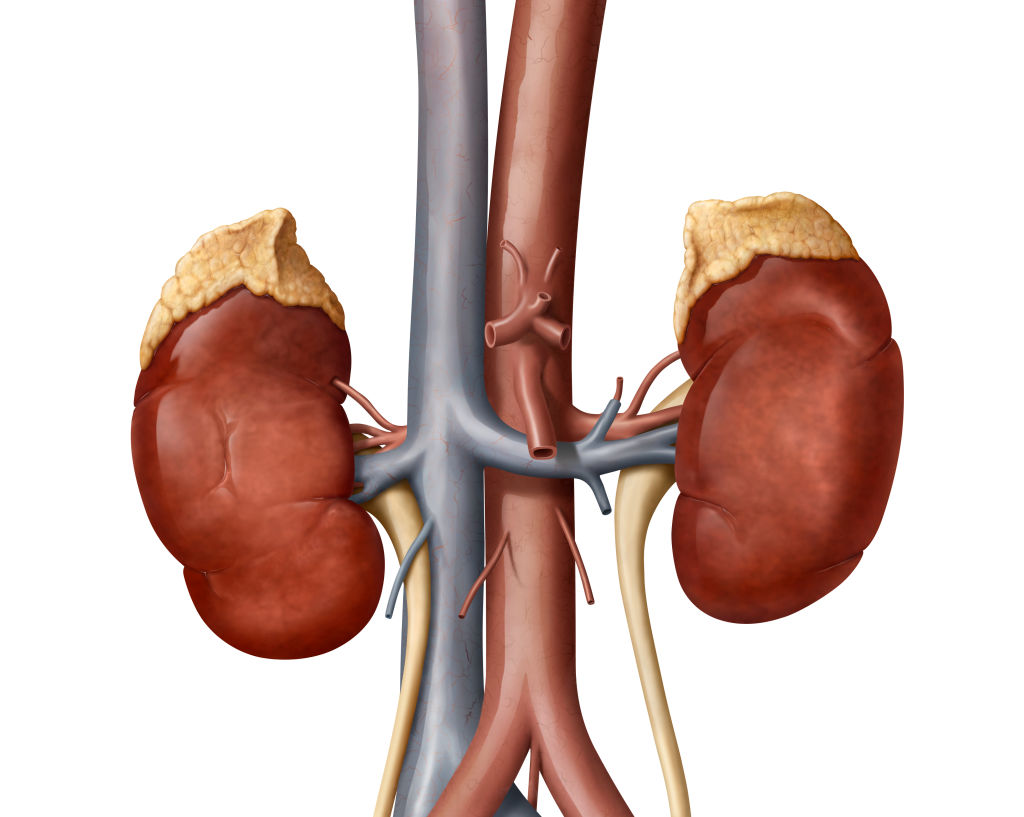
The introduction of the TEAM model in January 2026 has fundamentally altered this dynamic. By mandating participation for 741 hospitals, CMS has effectively restructured the financial accountability for cardiac surgery episodes. Data shows that approximately 30% to 40% of patients undergoing cardiac surgery enter the operating room with pre-existing CKD. In the TEAM model environment, an AKI event is no longer an incidental complication; it is a direct hit to the hospital’s bottom line.
Under TEAM, hospitals are responsible for the total cost of care across the full episode. Every additional day in the ICU, every discharge to a SNF, and every unplanned readmission due to declining renal function reduces the hospital’s margin. Furthermore, the model includes quality performance adjustments that can swing payments by up to 20%. For health system operators, the kidney is no longer just a clinical concern; it is a primary institutional liability.
Supporting Data: The Cost of the "Acute Window"
The financial burden of AKI is well-documented in clinical literature, but its impact on value-based care models is only now being fully quantified. Research suggests that:
- Readmission Risk: Patients who experience AKI during a hospitalization are up to 30% more likely to be readmitted within 30 days compared to those who do not, regardless of their primary diagnosis.
- Length of Stay: The occurrence of AKI can extend a typical hospital stay by 3 to 5 days, with a significant portion of that time spent in high-cost ICU beds.
- Long-term Trajectory: Approximately 10% to 15% of patients who experience a severe AKI event will require dialysis within one year, even if they had relatively stable kidney function prior to the event.
These data points underscore the "leverage" problem identified in the KCC evaluation. Managing a patient in a clinic (Stage 3 CKD) is low-cost but offers lower immediate leverage over total system spend. Intervening in the OR or ICU—where the risk of AKI is highest—is a high-cost environment, but it offers the highest leverage for preventing the most expensive downstream outcomes.
Industry Reactions and the Need for Innovation
The realization that current VBC models are missing the mark has sparked a range of reactions from industry stakeholders. Hospital administrators are increasingly vocal about the need for tools that can provide real-time protection of organ function during acute events. "The challenge we face is that our current protocols are reactive," noted one Chief Medical Officer from a participating TEAM model hospital. "We wait for the creatinine levels to rise before we act, but by then, the damage is done and the financial loss is locked in."
Medical device innovators are also pivoting. While the last decade was defined by digital health platforms for CKD monitoring, the next wave of innovation appears focused on "renal assist" technologies and intra-operative diagnostics. These technologies aim to sustain or enhance kidney function during the "high-stress" window of surgery or sepsis, directly addressing the vulnerability of the renal reserve.
Nephrologists, too, are calling for a shift in how they are integrated into the hospital workflow. Rather than being called in for a consultation after a patient has already entered kidney failure, there is a push for "proactive nephrology" where kidney specialists are part of the surgical planning and ICU management teams for high-risk patients.
Broader Impact and Implications for the Healthcare System
The failure of $2.5 billion in investments to reduce hospital spending serves as a cautionary tale for the broader value-based care movement. It highlights that "value" cannot be achieved simply by changing how we pay for existing care; it requires a fundamental rethinking of when and where that care is delivered.
For the healthcare system at large, the implications are clear. If CMS and private payers continue to move toward mandatory bundled payments and episode-based accountability, hospitals must prioritize the protection of "at-risk" organs during acute events. The economic incentive to intervene in the OR or ICU has never been more precisely aligned with the clinical opportunity to save lives and preserve function.
The real opportunity in kidney care has been "hiding in plain sight" within the walls of the hospital. While outpatient management remains a vital component of long-term health, the battle for hospital solvency and the prevention of the most devastating forms of kidney disease will be won or lost in the acute care setting. As the data from the KCC evaluation and the mandates of the TEAM model converge, the industry is forced to acknowledge that timing is the most critical variable in the equation of value-based care. The shift from chronic management to acute protection represents the next, and perhaps most important, frontier in the fight against kidney disease.

