The rapid advancement of artificial intelligence in software engineering has created a paradox where teams can generate user interfaces faster than ever before, yet the quality and usability of those interfaces are frequently compromised. As senior engineers utilize AI assistants to "build" complex features like checkout flows in a single afternoon, a critical gap is […]
The Evolution of the Web Platform and the Role of the Baseline Initiative in Minimizing JavaScript Dependency Overhead
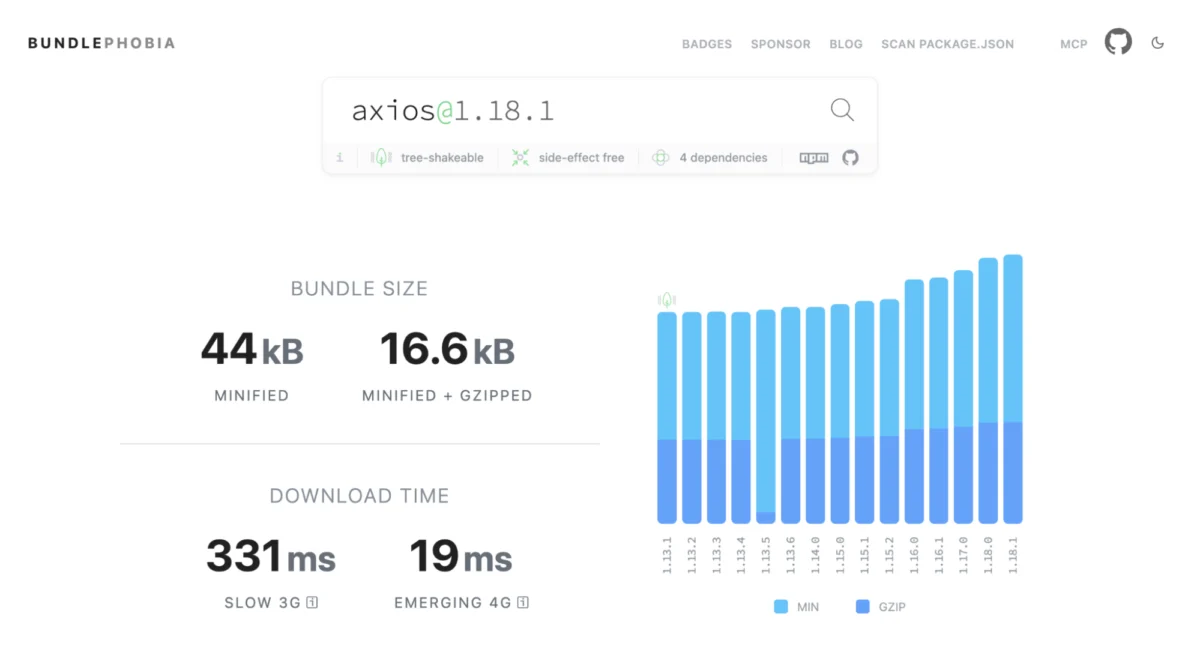
The modern web development landscape is currently undergoing a significant paradigm shift as the gap between native browser capabilities and external library requirements continues to close. For over a decade, developers have relied heavily on the Node Package Manager (npm) ecosystem to fill gaps in the web platform, often resulting in bloated applications that ship […]
EU AI Act Transparency Mandates and the New Global Standard for Artificial Intelligence Content Labeling
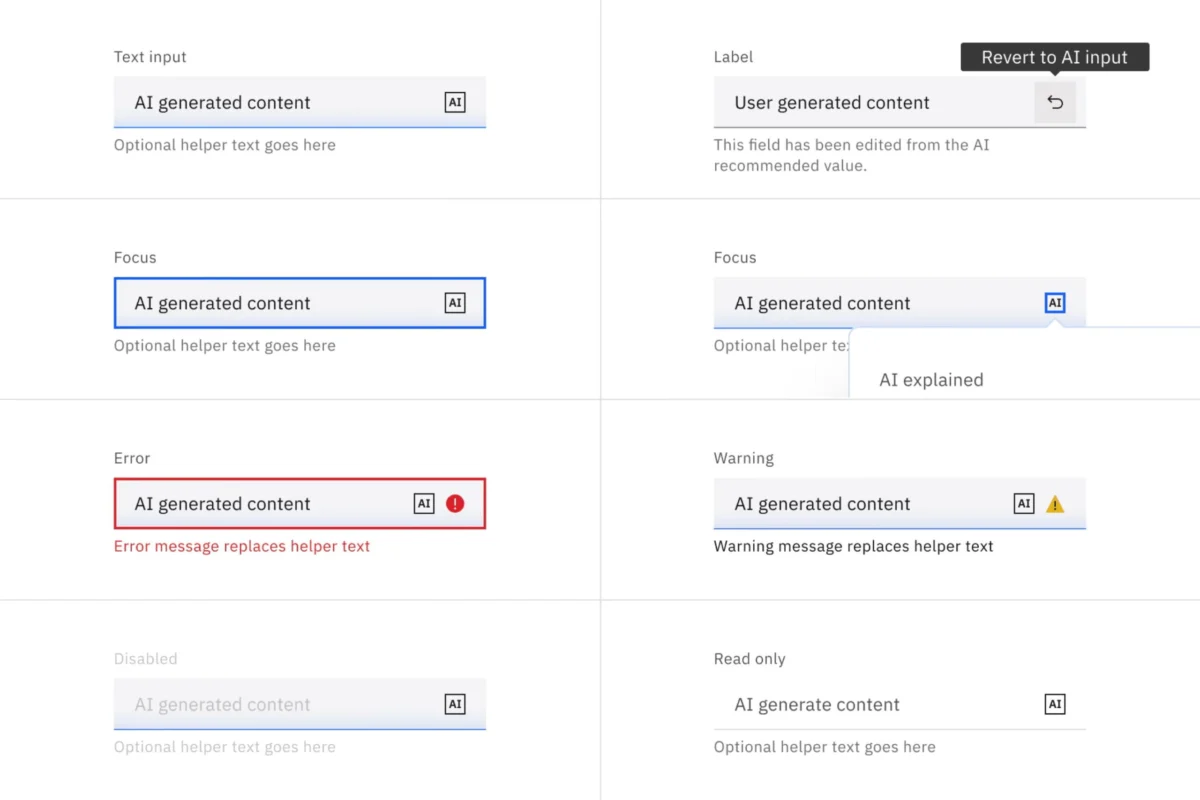
The European Commission has finalized the implementation guidelines for the Artificial Intelligence Act, signaling a definitive end to the era of ambiguous AI disclosures and establishing a rigorous legal framework for how synthetic content must be identified. While initial industry reactions were characterized by concerns over "sweeping measures" and "punitive fines," the finalized guidelines provide […]
Beyond Conversational Interfaces: Designing AI Modality for User Intent and Cognitive Load
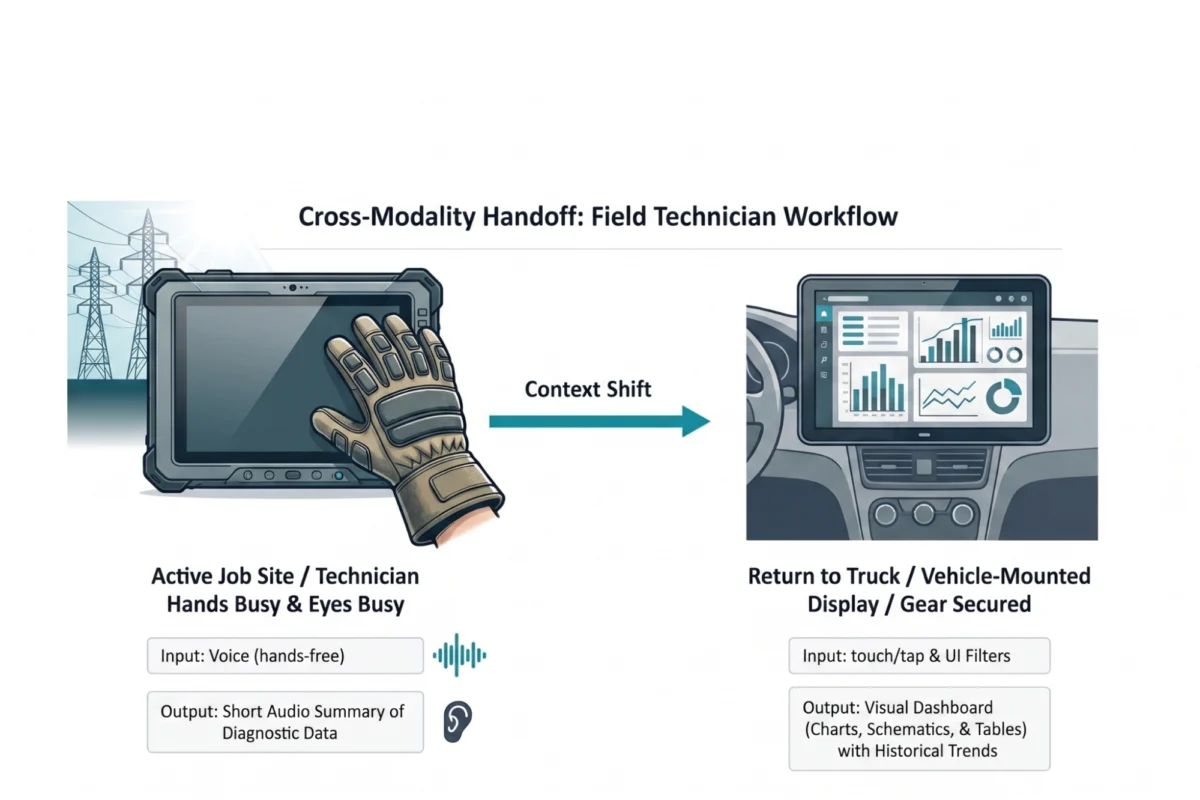
The global technology sector has entered a critical period of "conversational tunnel vision," a design phenomenon where the rapid proliferation of Large Language Models (LLMs) has led to the default adoption of chat-based interfaces for nearly every artificial intelligence capability. While the chat bubble has become the ubiquitous symbol of modern AI, industry analysts and […]
The Evolution of User Experience in the Age of Artificial Intelligence: Prioritizing Seamless Integration Over Tool Proliferation
The modern digital landscape is currently witnessing a significant paradigm shift in how software provides value to the end-user. As the initial excitement surrounding generative artificial intelligence begins to mature into a demand for practical utility, a critical realization has emerged among design experts and software engineers: users do not require more tools to manage; […]
Kirki Redefines WordPress Design Standards Through Infinite Canvas Technology and High Performance Code Architecture
The WordPress ecosystem is currently undergoing a significant paradigm shift as new development tools challenge the long-standing dominance of traditional, grid-restricted page builders. At the forefront of this evolution is Kirki, a freeform visual builder that introduces an infinite canvas environment to the world’s most popular content management system. By moving away from the "boxed" […]
Designing for Distressed Users How UI Trends Impact Mental Health App Retention and Efficacy
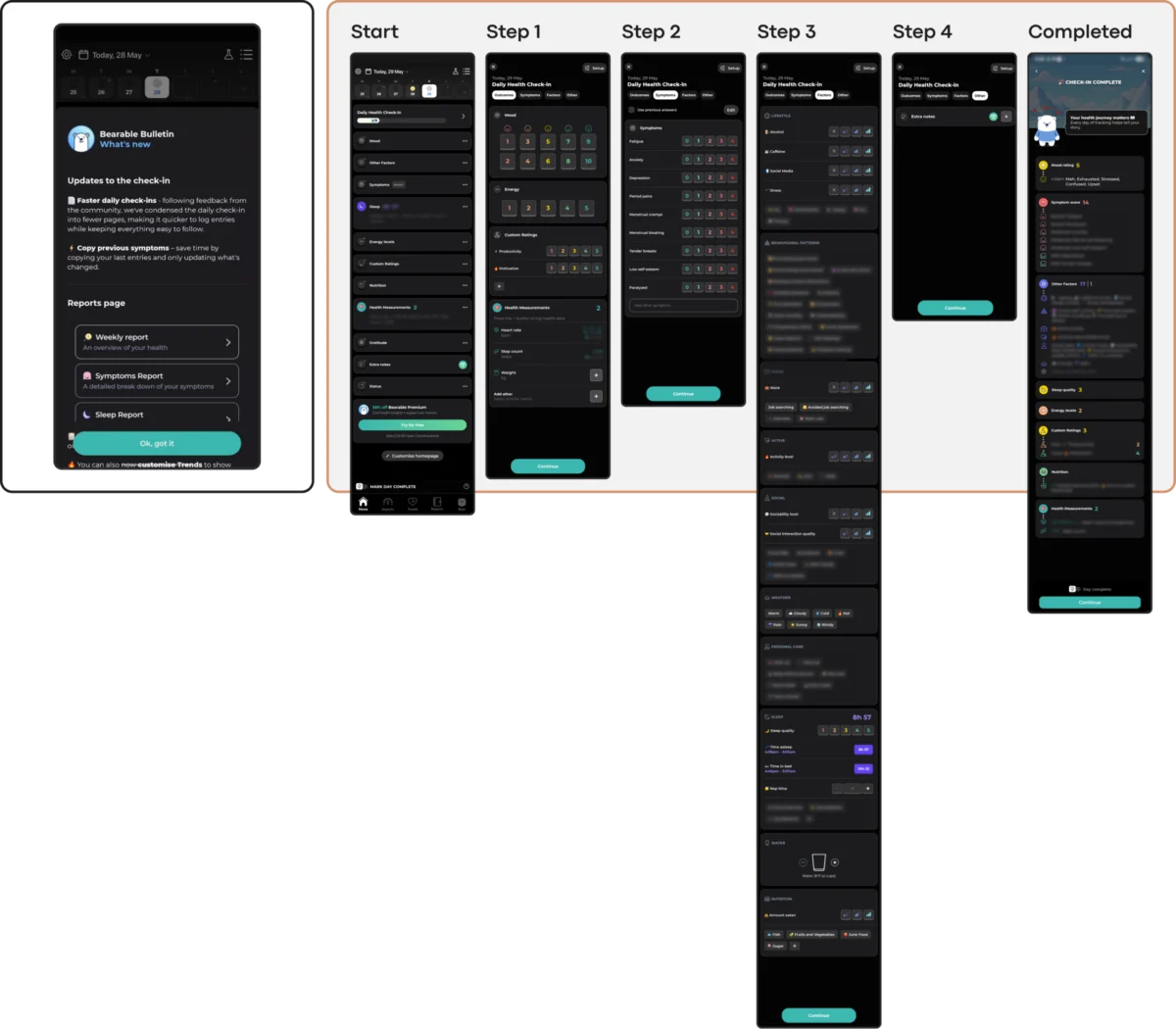
The global digital mental health market has seen an unprecedented surge in development over the last decade, yet the industry faces a persistent and measurable crisis: the vast majority of users abandon these tools almost as quickly as they download them. Research indicates a stark reality for developers and clinicians alike, as data from the […]
Bridging the Gap Between Strategy and Design The Critical Role of the Pre-Concept Phase in Modern Brand Identity Development
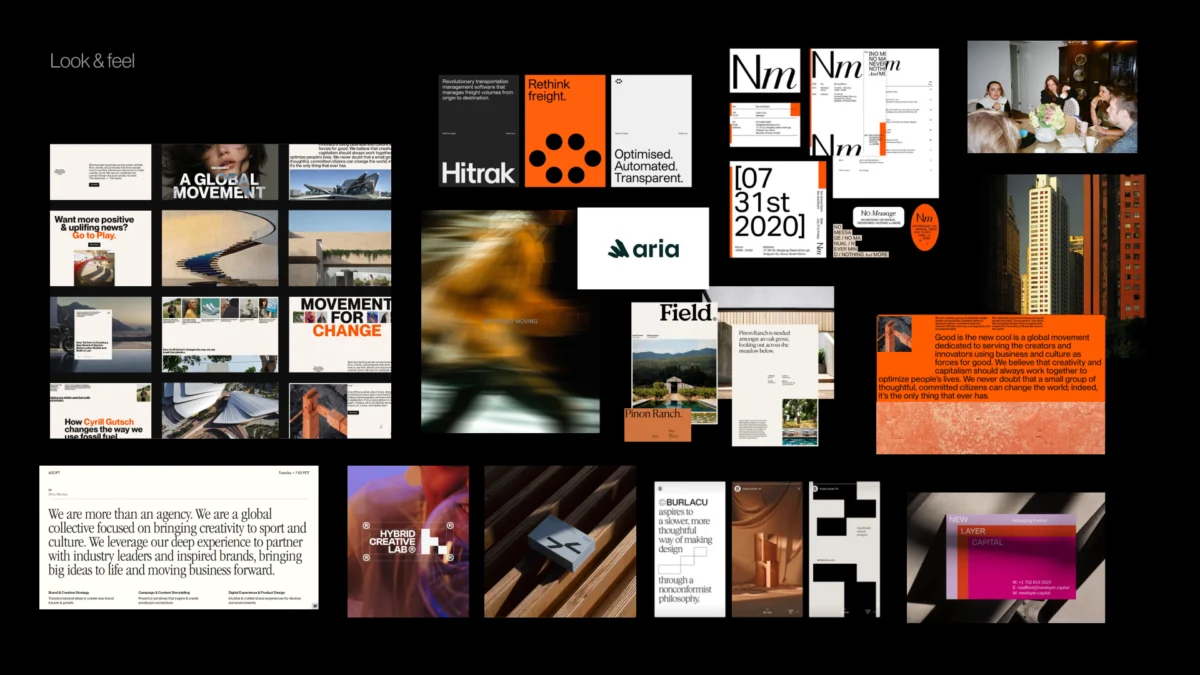
In the contemporary landscape of digital product development and corporate positioning, the failure of a branding project is rarely a result of poor aesthetic execution. Instead, industry analysis indicates that systemic failures typically occur during the transition from abstract strategy to visual manifestation. This critical juncture, often characterized by a reliance on nebulous adjectives such […]
The AI Adoption Paradox Why Enterprise Strategy is Clashing with User Sentiment and Productivity Realities
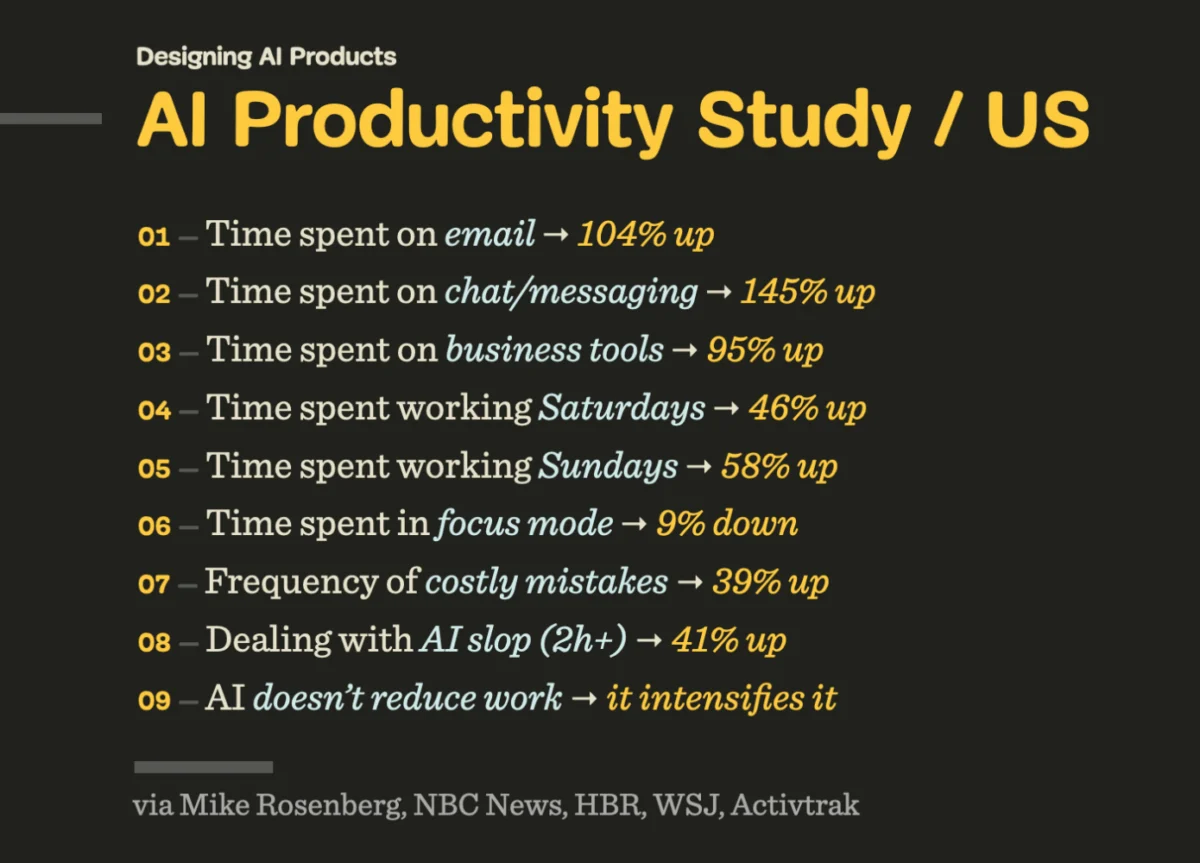
Global enterprise investment in artificial intelligence is projected to reach unprecedented levels, yet a growing adoption gap suggests a fundamental misalignment between corporate strategy and end-user needs. As technology conglomerates and software-as-a-service providers aggressively integrate generative AI into every facet of their product suites, data from market researchers and user experience analysts indicate that the […]
Mastering SVG Animations with SMIL and Timing Charts for Modern Web Development
The landscape of web animation has long been dominated by the tension between CSS transitions and JavaScript libraries. However, as web performance and security become increasingly paramount, developers are revisiting an often-overlooked standard: Synchronized Multimedia Integration Language, or SMIL. While many developers have traditionally relied on JavaScript to handle complex vector movements, SMIL provides a […]