October 21, 2026

Tag: ui

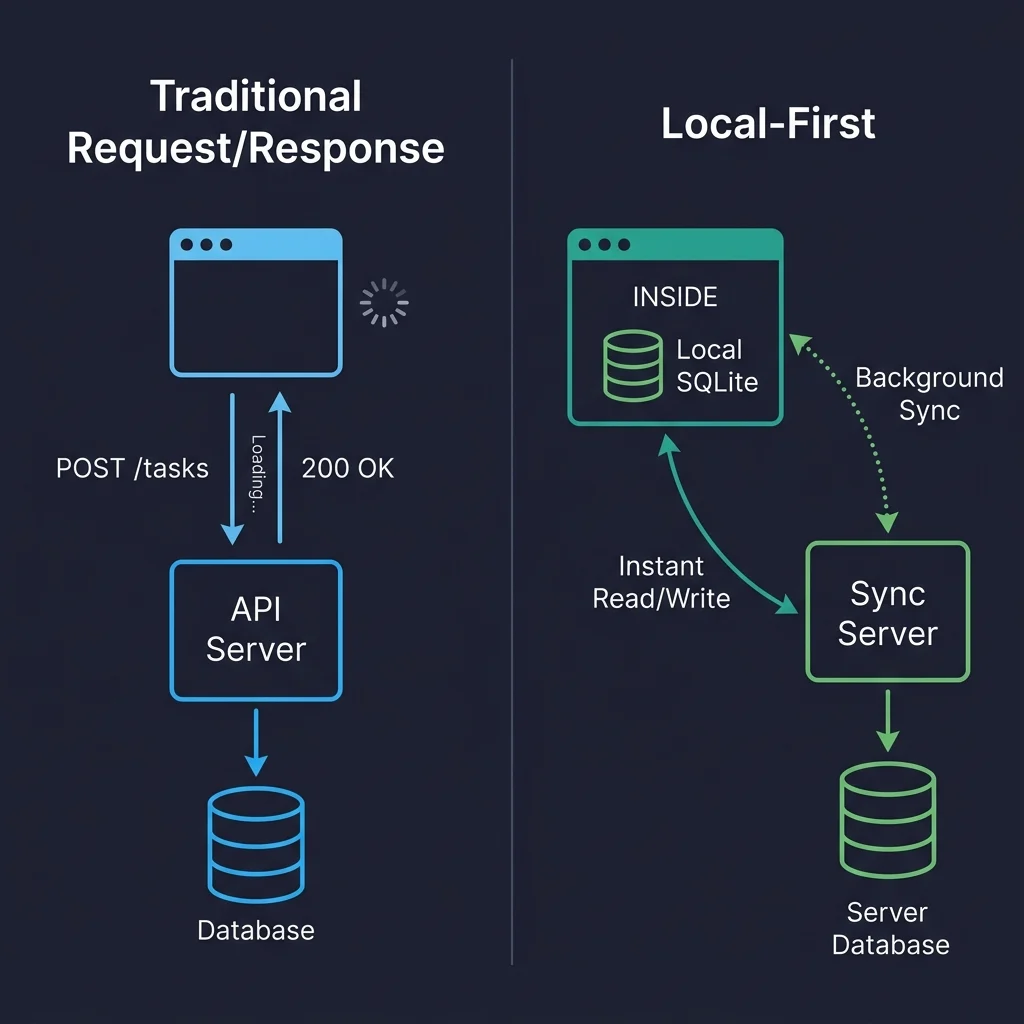
The Evolution of Local-First Web Development: Architecting the Resilient Web in 2026
Web Design & UX/UI

The Evolution of Local-First Web Development: Architecting the Resilient Web in 2026

The landscape of software engineering has undergone a fundamental shift as local-first architecture moves from a niche academic interest to a standard requirement for high-performance web applications. By mid-2026, the transition from traditional request-response models to distributed client-side data systems has redefined user expectations for speed, reliability, and privacy. This evolution follows years of developer […]

Read More
Humanizing Artificial Intelligence Through Character Design The Development of Eney and the Evolving Role of Human Creativity in the Tech Industry
Web Design & UX/UI

Humanizing Artificial Intelligence Through Character Design The Development of Eney and the Evolving Role of Human Creativity in the Tech Industry

The rapid integration of artificial intelligence into the global workforce has sparked a fundamental debate regarding the intersection of automation and human artistry. While the tech industry largely views AI as a catalyst for efficiency, those within creative sectors—including digital art, graphic design, and user experience (UX) architecture—often perceive the technology with a mixture of […]

Read More
Building a Tactile Web Experience Through Intentional Motion and Lottie Architecture
Web Design & UX/UI

Building a Tactile Web Experience Through Intentional Motion and Lottie Architecture

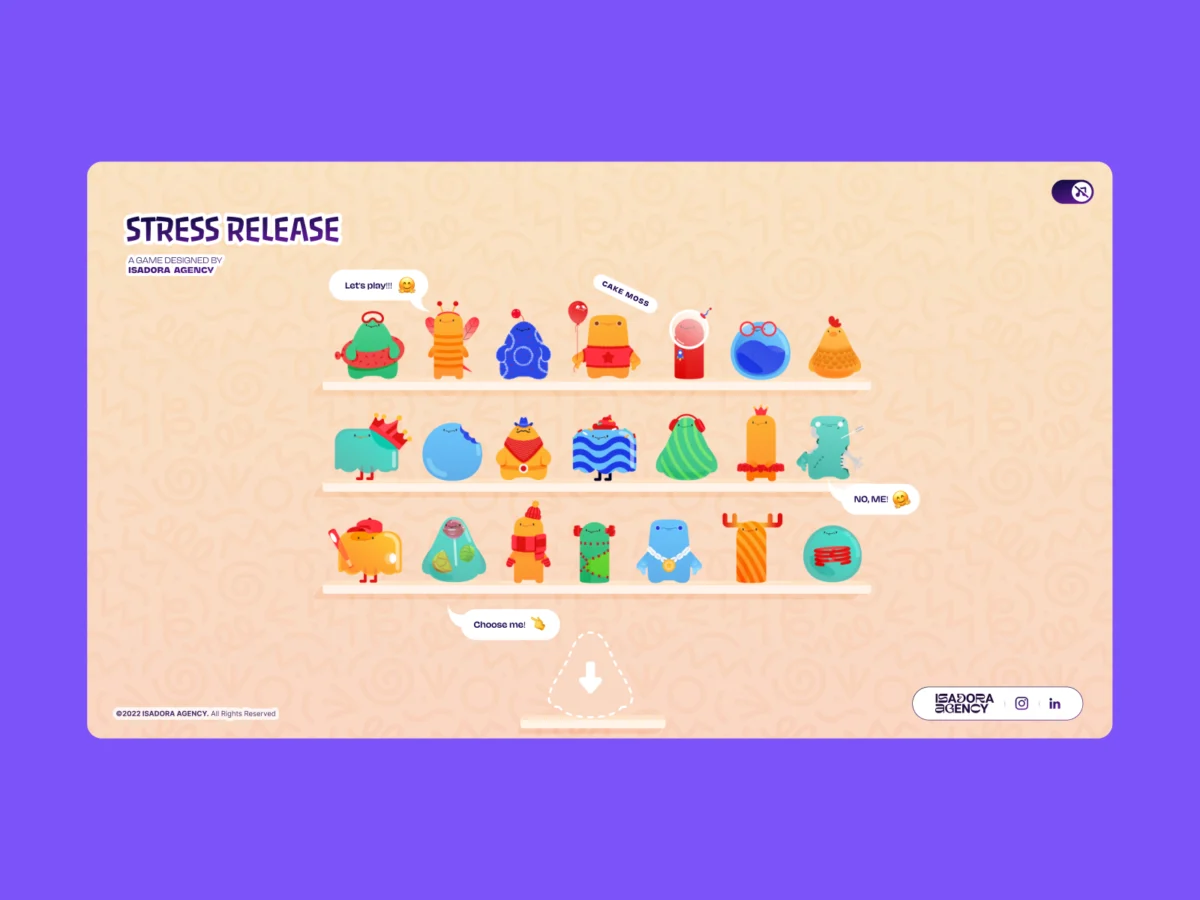
In an era where digital interfaces are increasingly judged by their "feel" and responsiveness, the web development community has reached a critical crossroads between algorithmic simulation and designer-led precision. When Isadora Agency, a prominent digital firm, set out to develop its "Stress Release" project—a digital stress-relief tool designed for burnt-out creative professionals—they faced a fundamental […]

Read More
The Strategic Integration of User Experience Design and Data Visualization to Drive Organizational Decision-Making
Web Design & UX/UI

The Strategic Integration of User Experience Design and Data Visualization to Drive Organizational Decision-Making

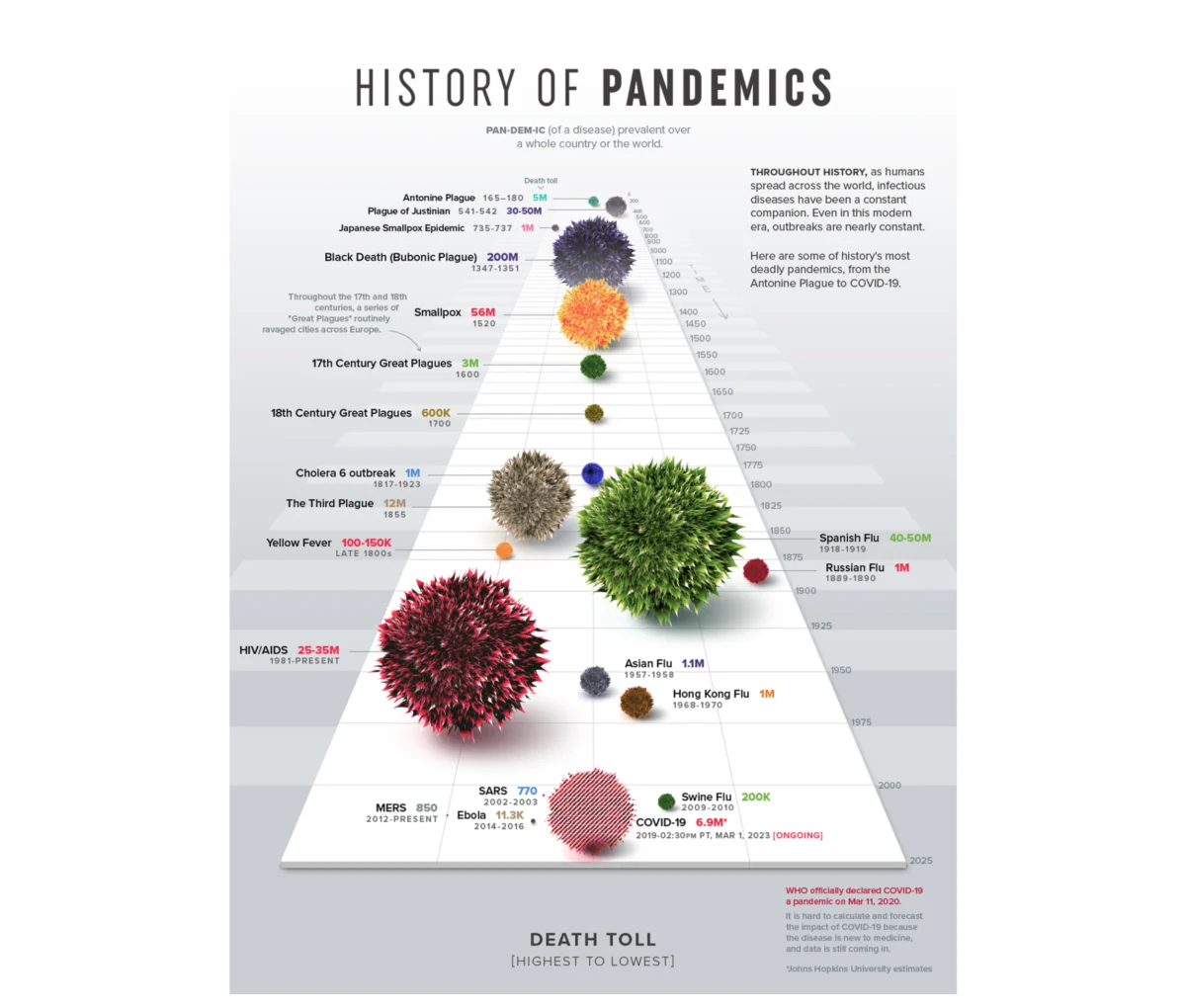
In the modern corporate landscape, the proliferation of data has reached an unprecedented scale, yet the ability to transform that data into actionable intelligence remains a significant hurdle for most organizations. While departments ranging from sales and marketing to product development and operations have access to more granular metrics than ever before, a persistent gap […]

Read More
Designing Transparency: The Shift from Loading Spinners to Agentic AI Explainability
Web Design & UX/UI

Designing Transparency: The Shift from Loading Spinners to Agentic AI Explainability

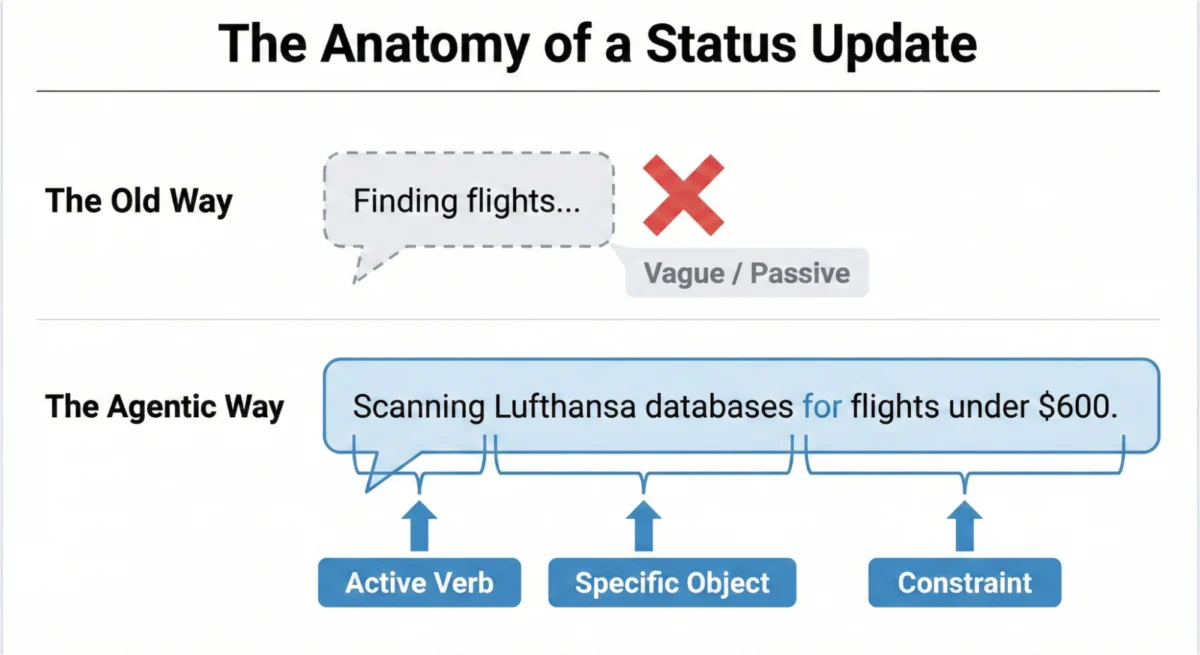
The rapid evolution of artificial intelligence from passive chatbots to autonomous agentic systems is forcing a fundamental rethink of user interface design. For over three decades, the primary visual shorthand for system latency has been the "spinner"—a looping animation indicating that a process is underway. However, as AI agents increasingly take on complex, multi-step tasks […]

Read More
The ROI of Experience Design Why Data-Driven UX Is the Primary Engine of Business Survival in the High-Stakes Digital Economy
Web Design & UX/UI

The ROI of Experience Design Why Data-Driven UX Is the Primary Engine of Business Survival in the High-Stakes Digital Economy

In the current global digital landscape, the distinction between aesthetic design and core business strategy has effectively vanished, as enterprises increasingly recognize that user experience (UX) serves as the primary determinant of financial performance and long-term sustainability. New industry analysis and longitudinal data indicate that the cost of friction-heavy interfaces is no longer measured merely […]

Read More
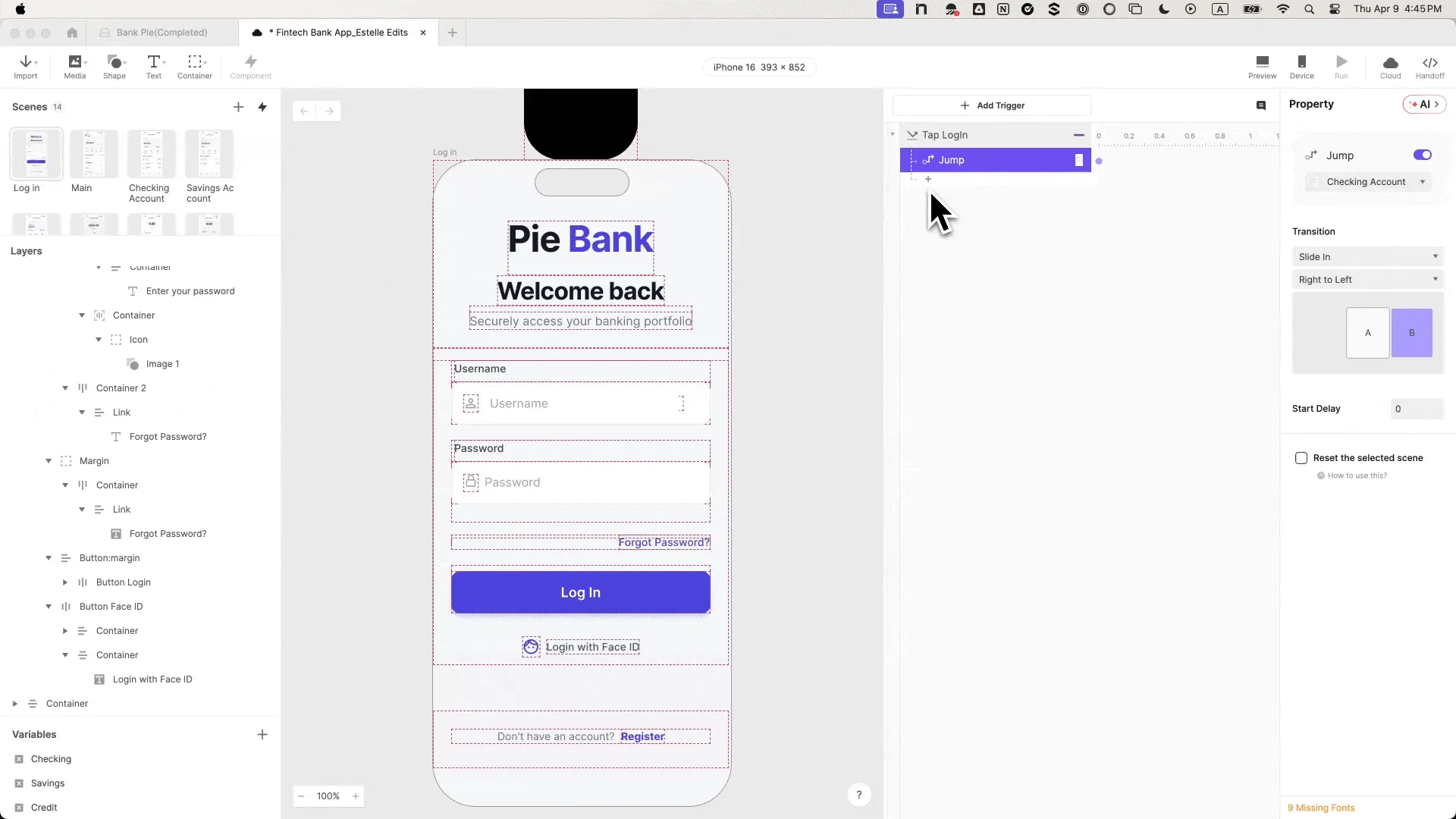
Your Prototype Is Not Being Honest With Your Users (And Here’s How To Fix It) — Smashing Magazine
Web Design & UX/UI

Your Prototype Is Not Being Honest With Your Users (And Here’s How To Fix It) — Smashing Magazine

The Psychology of Fidelity in Financial UX The necessity for high-fidelity prototyping in the financial sector is driven by the unique psychological profile of the FinTech user. Unlike social media or entertainment applications, financial interfaces are scrutinized for accuracy and security. Users are conditioned to look for "red flags," such as balances that do not […]

Read More
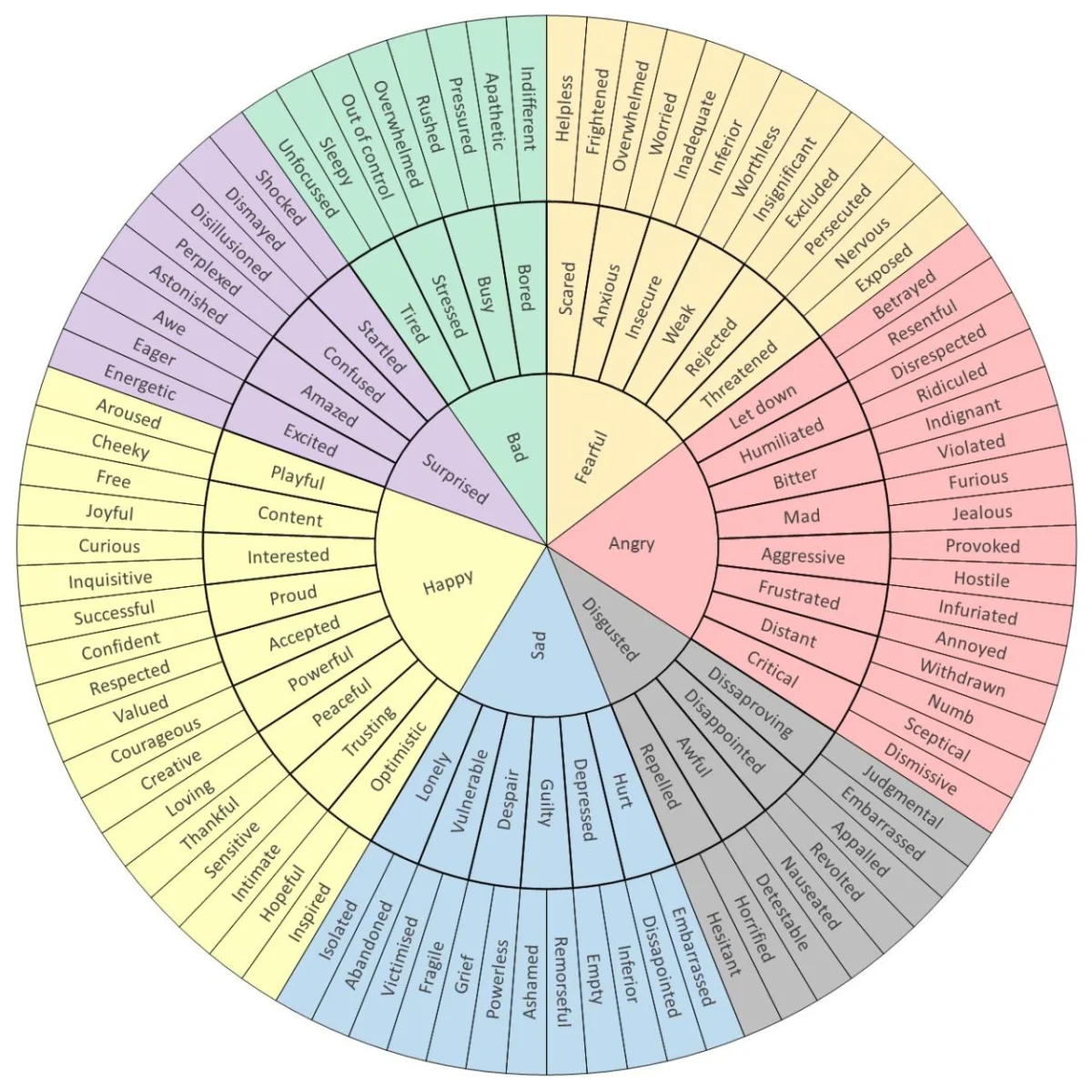
The Four Levels of Customer Understanding Decoding the Gap Between User Words and Actions in UX Design
Web Design & UX/UI

The Four Levels of Customer Understanding Decoding the Gap Between User Words and Actions in UX Design

The modern technology landscape is increasingly defined by a profound disconnect between what consumers claim to want and how they actually interact with digital products. While corporate boardrooms often rely on high-level assumptions and internal "hunches" to drive product roadmaps, a growing body of evidence suggests that these methods frequently fail to capture the multi-layered […]

Read More
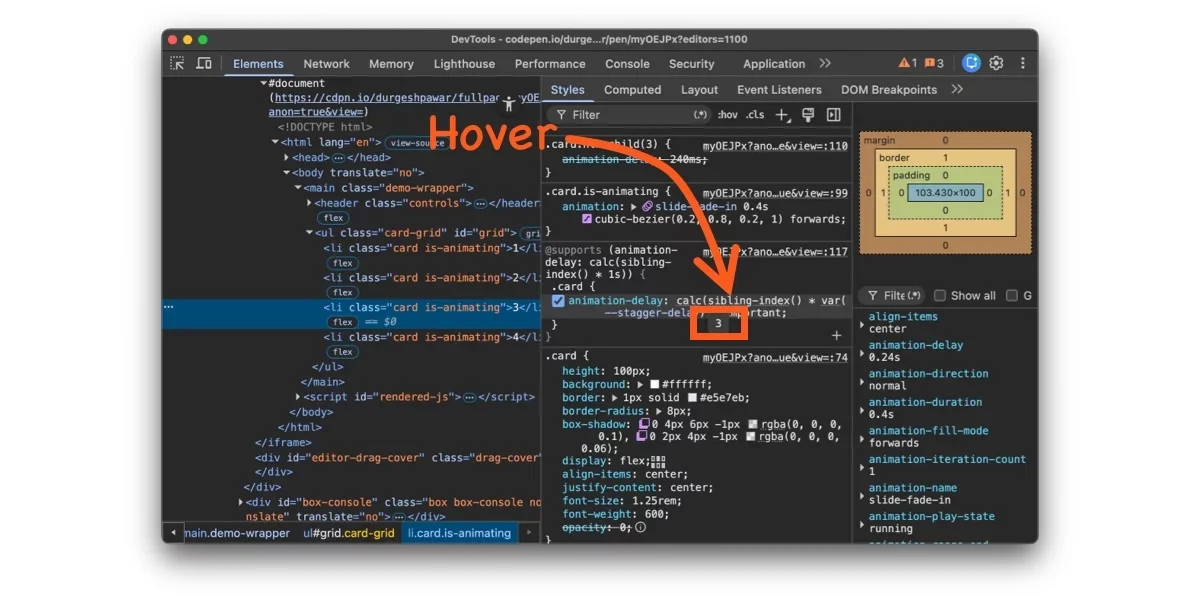
The Evolution of Modern Web Layouts How CSS sibling-index and sibling-count Revolutionize Staggered Animations and Dynamic Design
Web Design & UX/UI

The Evolution of Modern Web Layouts How CSS sibling-index and sibling-count Revolutionize Staggered Animations and Dynamic Design

The World Wide Web Consortium (W3C) and major browser engines have officially introduced a transformative set of CSS functions—sibling-index() and sibling-count()—marking a significant shift in how developers handle mathematical layouts and staggered animations. These functions, part of the CSS Values and Units Module Level 5, allow the browser to expose its inherent knowledge of the […]

Read More
The CSS contrast-color Function and the Future of Web Accessibility Standards
Web Design & UX/UI

The CSS contrast-color Function and the Future of Web Accessibility Standards

The persistent failure of digital platforms to meet basic accessibility requirements has reached a critical juncture in 2025, with data indicating that approximately 70% of websites still fail fundamental Web Content Accessibility Guidelines (WCAG) contrast checks. Despite a half-decade of advancements in design system tooling, the proliferation of accessibility linters, and the development of sophisticated […]

Read More