The emergence of React Server Components (RSC) represented a paradigm shift in web development, promising a seamless blend of server-side performance and client-side interactivity. However, this architectural evolution introduced a novel communication layer known as the Flight protocol, which has recently become the focus of intense security scrutiny. The discovery of CVE-2025-55182, colloquially termed "React2Shell," […]
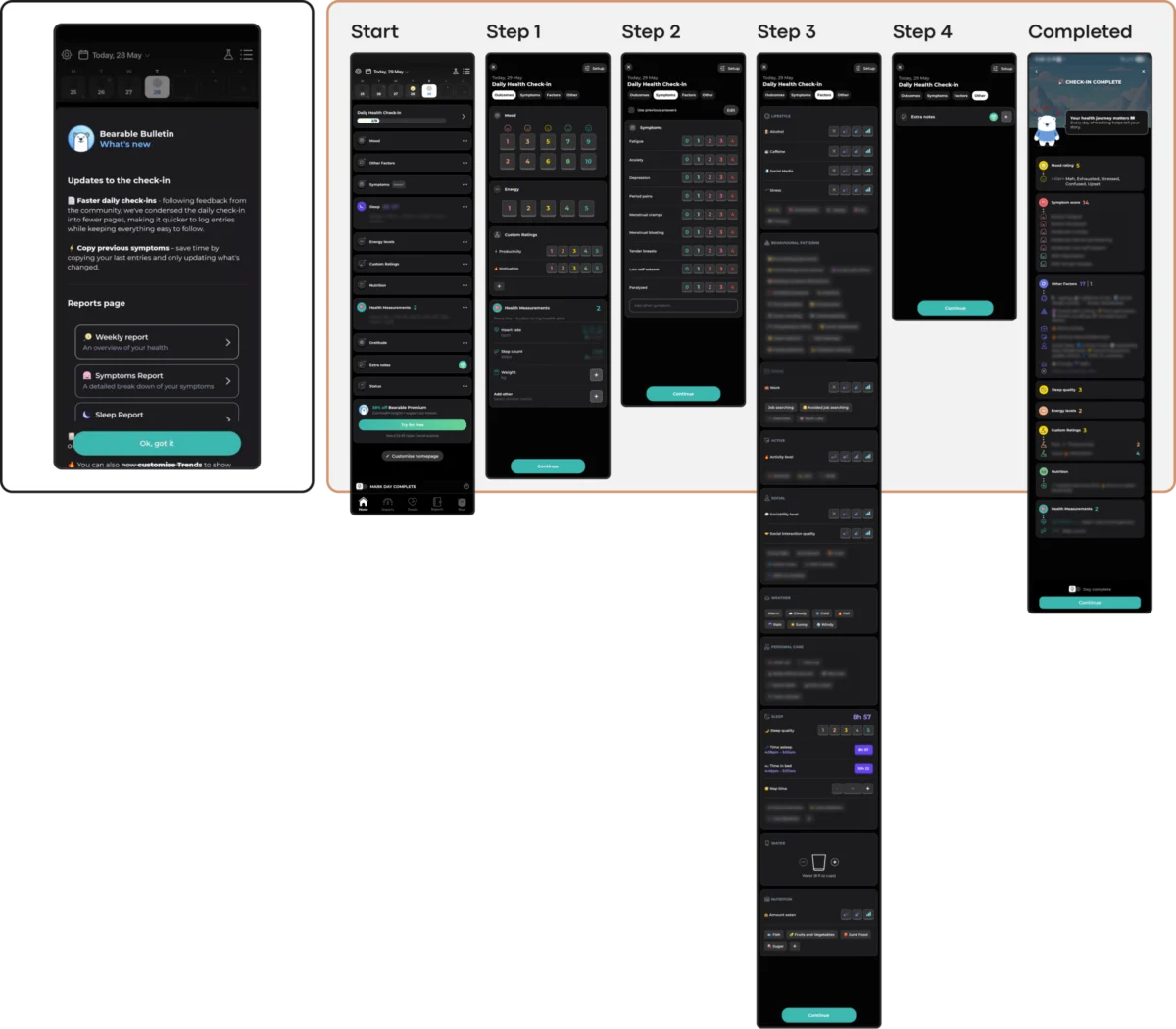
Designing for Distressed Users: The Critical Intersection of UI Trends and Mental Health UX
The global mental health application market is currently grappling with a profound paradox: while the demand for digital therapeutic tools has reached an all-time high, the ability of these platforms to retain users remains at a critical low. Recent industry data reveals a staggering abandonment rate, where approximately 95% of users who download a mental […]
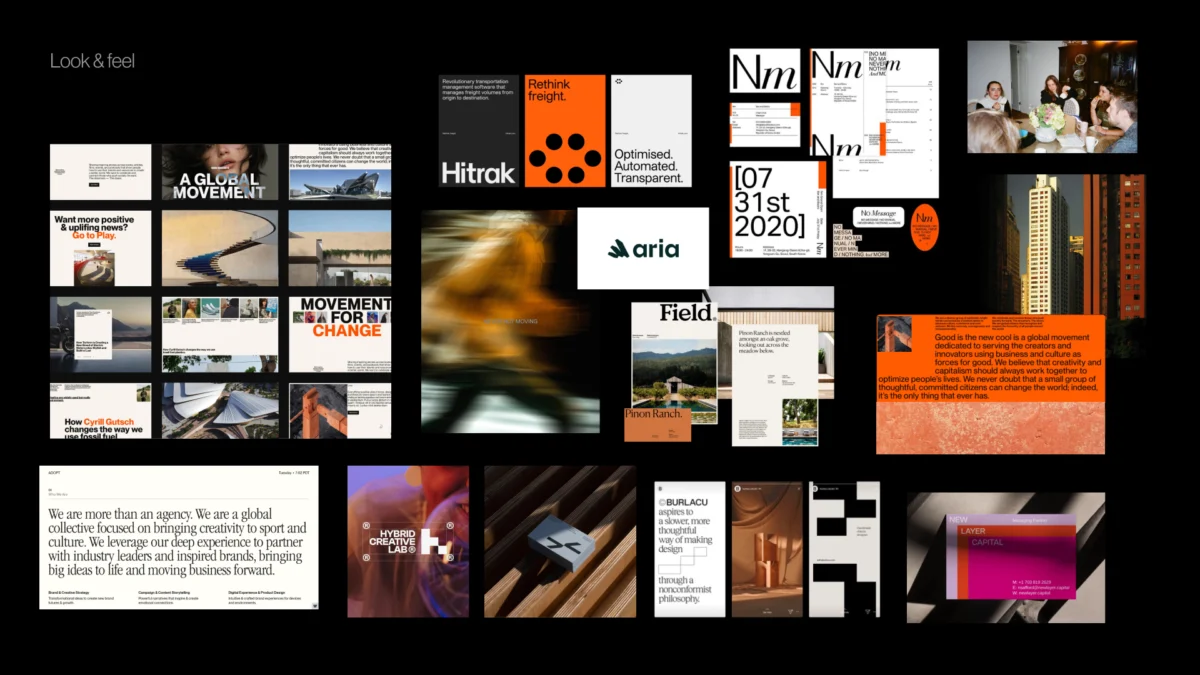
How to Turn Brand Strategy into Visual Direction Through the Pre-Concept Phase
The failure of a branding project is rarely a result of poor technical execution in the final stages; rather, it is almost always rooted in the strategy phase, long before a logo is ever drafted. In the high-stakes environment of corporate identity, terms such as modern, trustworthy, premium, and disruptive are frequently deployed during stakeholder […]
Mastering SVG Animation: The Resurgence and Utility of Synchronized Multimedia Integration Language in Modern Web Development
Synchronized Multimedia Integration Language, commonly known by the acronym SMIL, remains one of the most powerful yet frequently overlooked technologies for web animation, offering a unique capability to animate Scalable Vector Graphics (SVG) directly within HTML image tags without the requirement of external JavaScript. While modern web development often defaults to CSS transitions or robust […]
How UX Leaders Can Secure Investment by Building a Credible and Data-Driven Case for Design ROI
In the current economic climate, characterized by heightened fiscal scrutiny and a shift away from speculative growth, user experience (UX) departments are facing unprecedented pressure to justify their budgets. The era of securing multi-million dollar redesigns based on aesthetic "delight" or trendy interface animations has largely concluded. Today, Chief Financial Officers (CFOs) and executive boards […]
Humanizing Artificial Intelligence Through Design The Evolution of Character Based Assistants and the Role of Human Creativity in the Tech Era
The rapid proliferation of artificial intelligence has fundamentally altered the landscape of digital interaction, moving the technology from the fringes of computer science into the center of daily professional workflows. As the industry grapples with the transition from traditional software to generative AI, a significant shift is occurring in how users interface with these complex […]
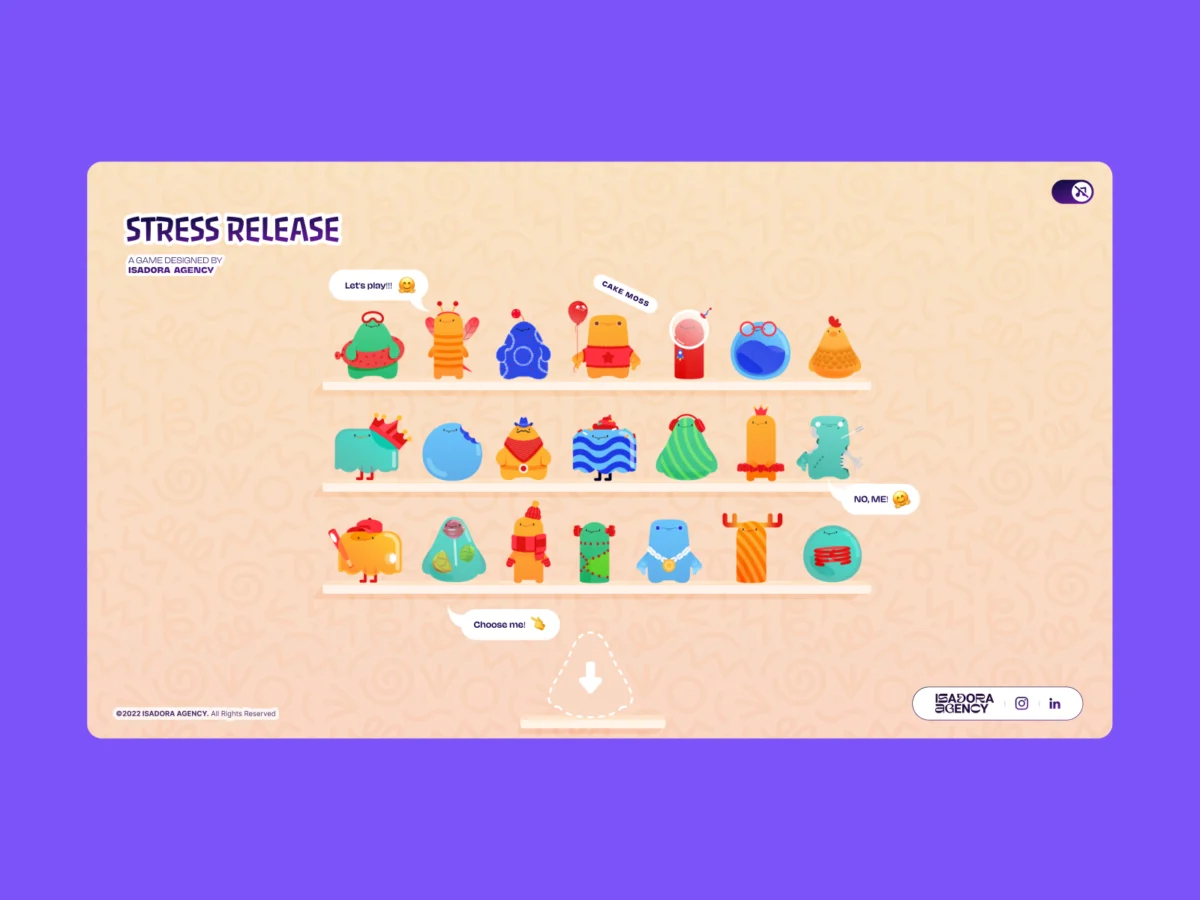
How Building Tactile UX Honors Intentional Design with Lottie Animations
The digital landscape has long equated interactivity with physical simulation, often relying on complex physics engines to mimic reality; however, a recent architectural shift by the development team at Isadora Agency suggests that for high-fidelity art direction, programmatic control over vector animations may offer a superior alternative to traditional physics-based frameworks. When tasked with creating […]
Rethinking Data Visualization: Integrating UX Strategy to Transform Passive Dashboards into Decision Engines
In the contemporary corporate landscape, the proliferation of data has reached an unprecedented scale, yet the ability of organizations to derive actionable insights from this information remains significantly hindered. While tools for generating dashboards and performance decks have become more accessible to departments ranging from sales to operations, a persistent disconnect remains between the presentation […]
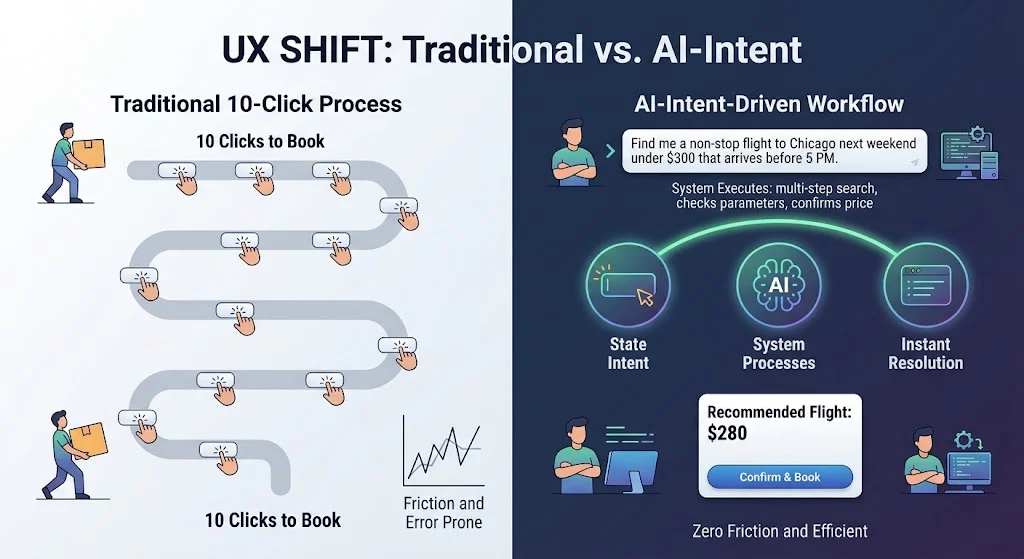
The Death Of The Button: Why The Best Interface Is No Interface — Smashing Magazine
The Evolution of Interaction: From WIMP to Intent The current shift represents the fourth major era in human-computer interaction (HCI). The first era was defined by Command Line Interfaces (CLI), requiring specialized knowledge of syntax. The second era, popularized by the Xerox Star in 1981 and the Apple Macintosh in 1984, introduced the "WIMP" paradigm […]
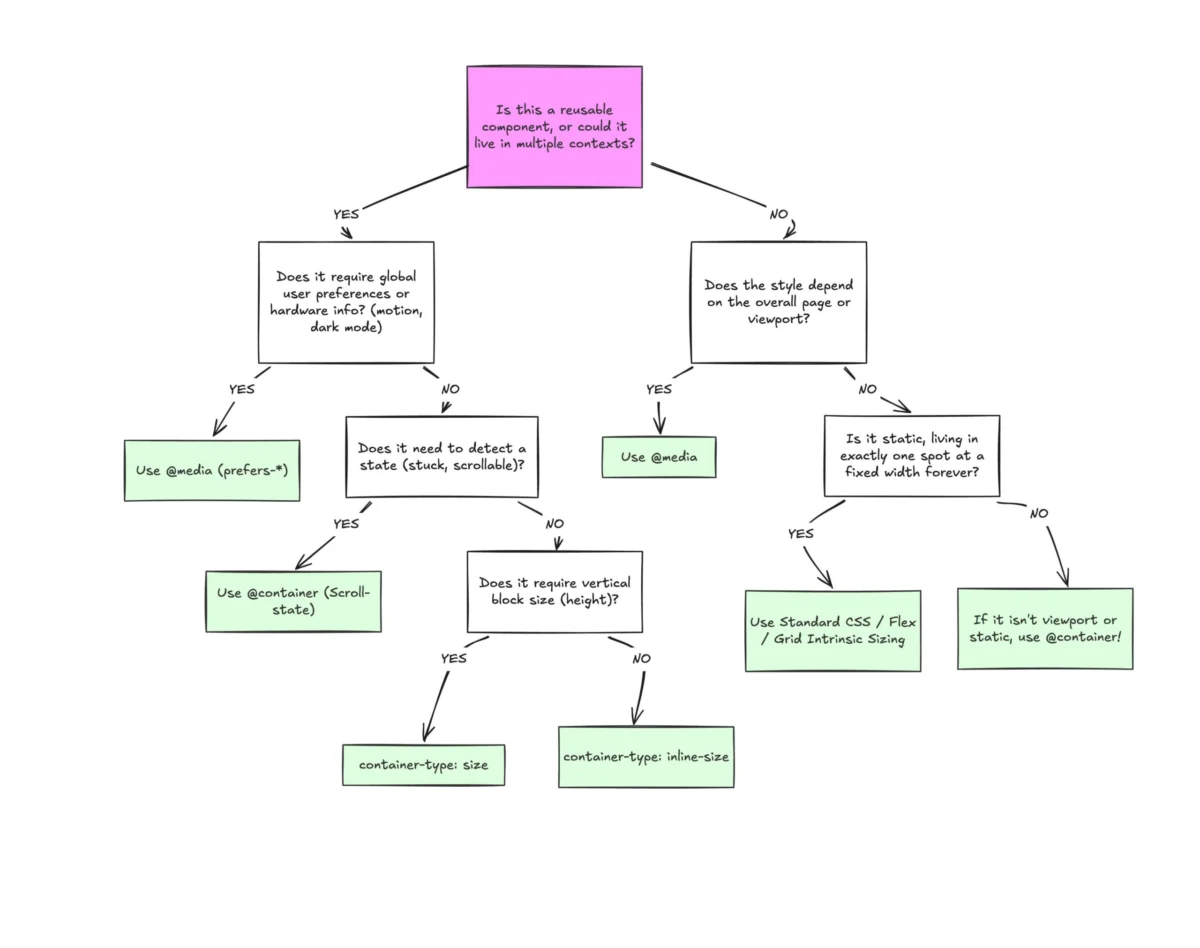
The Evolution of Responsive Web Design Beyond the Viewport: A Strategic Shift Toward CSS Container Queries
The landscape of front-end development is currently navigating a significant transition as industry standards move from viewport-centric layouts toward component-based responsiveness. Despite achieving nearly 94% browser support, CSS Container Queries—a feature long considered the "holy grail" of web design—face a unique paradox of high awareness but disproportionately low implementation. Recent industry data and expert analyses […]