
The mid-July digital landscape has been characterized by a diverse array of viral phenomena ranging from biological anomalies and animated stand-ins to the resurgence of early 2010s aesthetic movements. As social media platforms continue to evolve, the speed at which niche subcultures transition into mainstream awareness has accelerated, creating a complex tapestry of shared cultural references. This report examines five primary drivers of internet engagement over the past seven days, analyzing their origins, the mechanics of their viral growth, and their broader implications for digital communication.
The Jimothy Phenomenon: Biological Reality vs. AI Skepticism
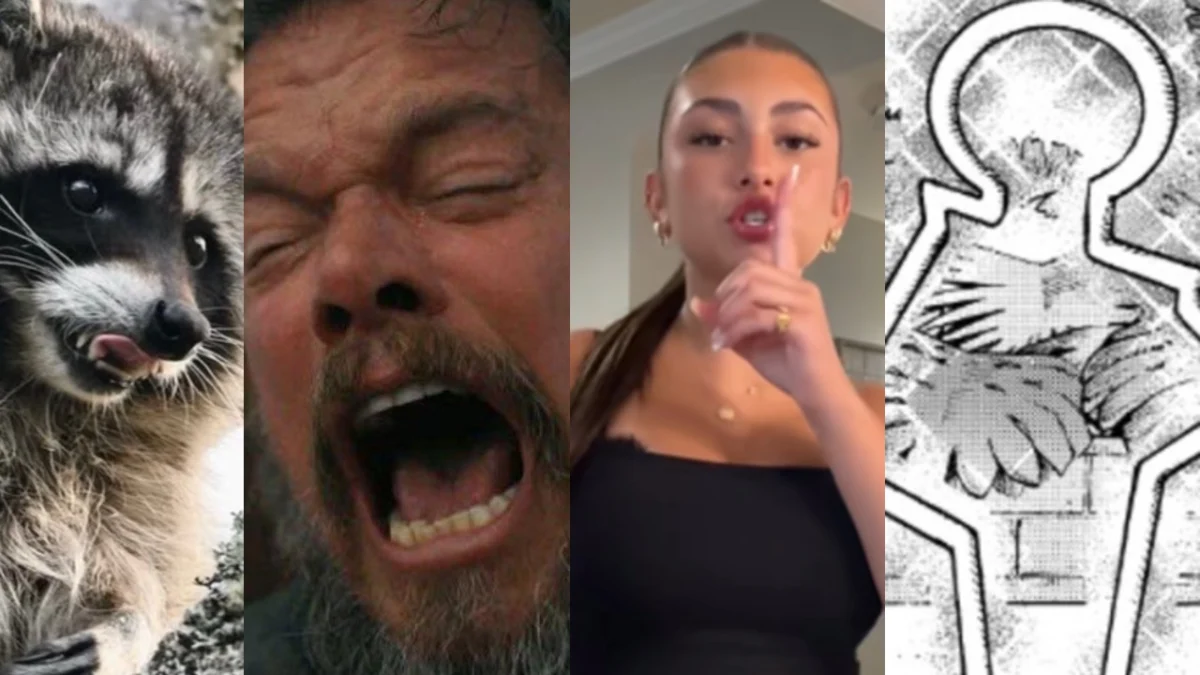
In the second week of July, a biological anomaly located in Seattle, Washington, became the focal point of a global discussion regarding the authenticity of digital content. A raccoon, colloquially named "Jimothy" by local residents and online observers, rose to prominence after footage of its unique physical structure was shared across short-form video platforms. Jimothy is afflicted with a rare genetic condition known as short spine syndrome, a skeletal deformity that results in a compressed torso and the absence of a visible neck.
The initial reception of the Jimothy footage was marked by widespread skepticism. Given the proliferation of sophisticated generative artificial intelligence (AI) tools in 2026, a significant segment of the digital audience dismissed the animal as a synthetic creation. This "AI-first" skepticism highlights a growing trend in digital literacy where users default to doubting the veracity of unusual visual information. However, as multiple independent sources provided high-definition video evidence and local Seattle residents corroborated the animal’s existence, the narrative shifted from skepticism to celebratory engagement.
The impact of Jimothy’s viral status has extended into the commercial and gaming sectors. Activision Blizzard confirmed the integration of a Jimothy-inspired non-player character (NPC) in its flagship title, World of Warcraft, reflecting the increasing speed at which game developers capitalize on internet subcultures. Furthermore, the visibility of Jimothy has fostered a secondary wave of awareness for other animals with similar conditions, such as dogs with short spine syndrome, effectively transforming a medical rarity into a symbol of resilience and "hopecore"—a digital aesthetic focused on optimism and wholesome content.
John Rod and the Evolution of the JoJo’s Bizarre Adventure Fandom
The long-running manga series JoJo’s Bizarre Adventure, authored by Hirohiko Araki, has once again demonstrated its significant influence on internet culture. With the release of a recent chapter in Part 9: The JOJOLands, a new entity colloquially dubbed "John Rod" by the community has become a primary subject of artistic reinterpretation and speculative analysis.
The character, characterized by its minimalist design—a humanoid form composed of a single, glowing metallic bar—stands in stark contrast to the increasingly complex "Stand" designs typical of the series’ later parts. This simplicity, combined with narrative hints at an overwhelming power level, has catalyzed the fandom’s creative output. Data from fan-art repositories and social media platforms indicate a 400% increase in character-specific mentions within forty-eight hours of the chapter’s release.
The "John Rod" phenomenon illustrates a specific type of meme-making focused on "power scaling" and aesthetic irony. By inserting this simplistic, rod-like figure into high-stakes scenarios or crossing it over with other popular manga franchises, the fandom engages in a collective form of world-building. This movement follows the trajectory of previous JoJo memes, such as "Hermit Purple," but distinguishes itself through its focus on the "uncanny" nature of the character’s geometry.
The 1,000 Little Things Trend: The Digital Resurgence of 2010s Gratitude Aesthetics
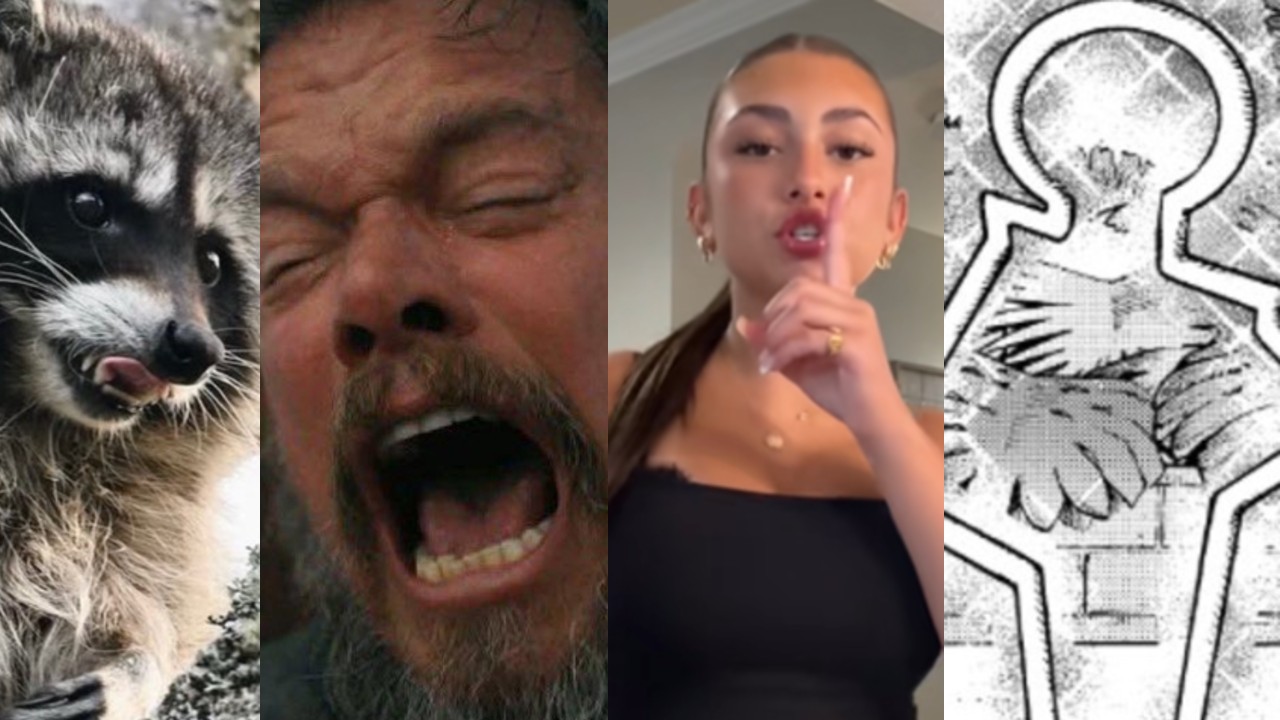
TikTok has seen a significant revival of a format originally popularized on Tumblr in the early 2010s. The "1,000 Little Things" trend is a direct descendant of the "Just Little Things" blog, which operated from 2010 to 2013. The original blog provided a daily post highlighting a singular, mundane joy—such as the smell of rain or a cold drink on a hot day—presented over a colored backdrop.
The 2026 iteration of this trend utilizes TikTok’s "photo mode" and high-energy video editing to modernize the concept. Users pair the original "little thing" text with a rapid-fire sequence of aesthetically curated imagery, often referred to as a "moodboard." This trend serves as a bridge between the static, text-heavy sentimentality of early social media and the visually saturated, motion-driven nature of current platforms.
Psychological analysts suggest that the popularity of the "1,000 Little Things" trend is a reaction to "doomscrolling," the habit of consuming a continuous stream of negative news. By focusing on micro-gratitude, the trend aligns with the "Soft Life" and "Hopecore" movements, providing users with a curated sense of tranquility and relatability. The data suggests that posts tagged with #1000LittleThings have a higher-than-average "save" rate, indicating that the content is being archived by users for emotional regulation and inspiration.
Quiet on the Creek: Linguistic Ambiguity and the Monetization of Viral Phrases
The phrase "Quiet on the Creek" has emerged as a dominant linguistic meme following a TikTok Live stream by the American rapper Saucy Santana. During a broadcast featuring an "eating stream" (mukbang), Santana shared an anecdote regarding a fishing excursion, noting the necessity of maintaining silence—being "quiet on the creek"—to avoid startling the fish.
The rapid adoption of this phrase demonstrates the mechanics of "catchphrase-ification" in the digital age. Within days of the original stream, Santana released a single titled "Quiet on the Creek," leveraging the viral moment for commercial gain. This move reflects a broader industry trend where artists utilize live-streamed interactions as real-time market testing for potential lyrics and song titles.
The meme has split the audience into three distinct interpretative groups:
- The Literalists: Those who view the phrase strictly as a practical tip for fishing and outdoor activities.
- The Metaphorists: Users who have assigned a deeper, more cryptic meaning to the phrase, suggesting it refers to the importance of discretion in social or professional secrets.
- The Absurdists: Content creators who use the phrase as a backdrop for unrelated comedic videos, such as characters sneaking through various environments.
This divergence in interpretation has fueled engagement, as the debate over the "true meaning" of the phrase encourages comments and shares. The phrase has effectively transitioned from a mundane observation into a versatile social signifier.
The Odysseus Screaming Reaction: High-Emotion Imagery in Workplace Discourse
A visual still from a cinematic adaptation of The Odyssey, featuring actor Matt Damon as Odysseus, has become the week’s most prominent reaction image. The scene depicts Odysseus tied to the mast of his ship, straining and screaming as he attempts to hear the sirens’ song without succumbing to it.
The image’s viral trajectory began on the platform X (formerly Twitter), where it was utilized to illustrate the specific frustration of modern administrative tasks. The most cited example—uploading a resume only to be asked to retype work history—garnered over 500,000 interactions in a single day. The meme functions as a "hyperbolic frustration" template, allowing users to express agonizing annoyance at minor, repetitive inconveniences.
The efficacy of the "Odysseus Screaming" meme lies in its historical and literary weight. By equating the suffering of a Greek hero with the frustrations of 21st-century technology (e.g., a computer not fixing itself after a restart, or stepping in water while wearing socks), the meme utilizes "pathos" to create a relatable, comedic contrast. It serves as a digital shorthand for a state of being "powerlessly enraged."
Broader Impact and Cultural Implications
The memes of the past week reflect a society that is simultaneously cynical and deeply sentimental. The Jimothy phenomenon highlights a world where "truth" is constantly negotiated against the backdrop of AI advancement, requiring physical proof to overcome digital doubt. Conversely, the "1,000 Little Things" trend and the rise of Jimothy as a "Seattle cryptid" suggest a persistent desire for wonder and the celebration of biological diversity.
From a commercial perspective, the rapid integration of these memes into gaming (Jimothy in World of Warcraft) and music (Saucy Santana’s "Quiet on the Creek") underscores the necessity for brands to maintain high-speed cultural monitoring. The lifecycle of a meme in 2026 is shorter but more intense, requiring immediate response to capture the peak of public interest.
As these five trends continue to circulate, they contribute to the ongoing evolution of a global digital lexicon. Whether through the lens of ancient mythology, rare biology, or minimalist manga, the internet continues to find novel ways to articulate the complexities of the human experience in an increasingly digitized world. The "Weekly Meme Roundup" serves not only as a recap of humor but as a barometer for the collective psychological state of the digital populace.

