
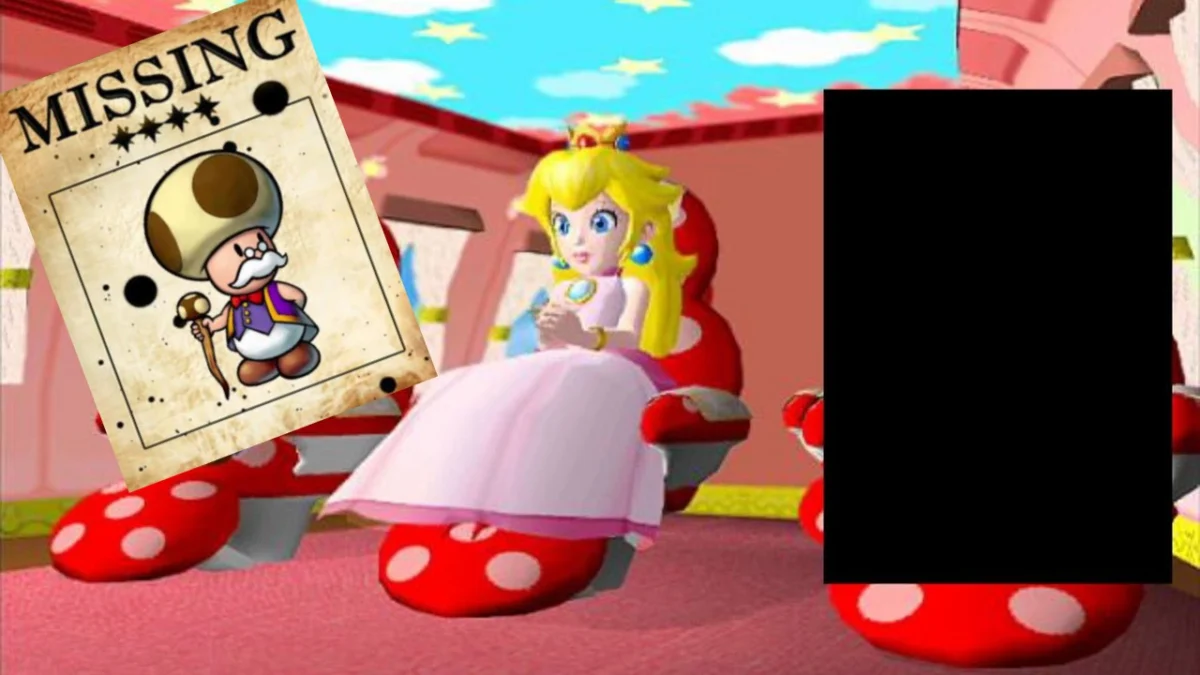
The recent promotional campaign by Nintendo to celebrate the addition of GameCube titles to the Nintendo Switch Online (NSO) service has reignited a long-standing debate within the gaming community regarding the fate of Toadsworth, the venerable steward to Princess Peach. In August 2026, Nintendo released a high-definition recreation of the iconic key art for the 2002 classic Super Mario Sunshine. While the artwork meticulously preserves the vibrant aesthetic of Isle Delfino and the primary cast, fans quickly observed a glaring omission: Toadsworth, who featured prominently in the original 2002 illustration, has been entirely removed from the new version. This editorial choice has transformed a nostalgic celebration into a focal point for the "Toadsworth is Dead" theory, a movement documenting the systematic phasing out of one of the franchise’s most distinct supporting characters.
Toadsworth first entered the Super Mario canon in 2002 as a dedicated, albeit high-strung, father figure and advisor to Princess Peach. Characterized by his distinctive brown-spotted mushroom cap, a thick white mustache, spectacles, and a wooden cane, he provided a sense of history and hierarchy within the Mushroom Kingdom that generic Toad characters lacked. For over a decade, Toadsworth was a staple of the franchise, appearing not only in mainline adventures but also in the critically acclaimed Mario & Luigi RPG series and various sports spin-offs. However, his presence began to wane following the release of Mario & Luigi: Dream Team in 2013, which remains his last original appearance in a new title. In the thirteen years since, the character has been relegated to remakes of older games or featured as a static collectible, leading to widespread speculation that Nintendo has officially retired the character in favor of a more homogenized brand strategy.
The disappearance of Toadsworth is not merely a matter of creative whim but is believed to be rooted in a corporate directive frequently referred to by fans and industry insiders as the "Mario Mandate." This internal policy allegedly surfaced around 2012 during the development of Paper Mario: Sticker Star. According to interviews with developers, including Kensuke Tanabe, Nintendo’s intellectual property team began enforcing stricter guidelines regarding the modification of existing character designs. Specifically, the directive reportedly prohibited the creation of new characters who were slight variations of the "Toad" species, such as those with unique ages, genders, or accessories. This shift was intended to ensure a consistent global brand image, but it resulted in the replacement of unique NPCs with generic, identical red-spotted Toads. As Toadsworth represents a significant deviation from the standard Toad template—possessing an aged appearance and unique wardrobe—he appears to have fallen victim to these standardizing measures.
The timeline of Toadsworth’s decline offers a clear look at this shifting corporate philosophy. From 2002 to 2010, the character was at his peak, featuring in Super Mario Sunshine, Mario Kart: Double Dash!!, Paper Mario: The Thousand-Year Door, and Mario & Luigi: Partners in Time. In these titles, he served as a bridge between the regal atmosphere of Peach’s castle and the chaotic gameplay of the Mario brothers. The first signs of trouble emerged in the mid-2010s. While he appeared in the 2013 title Dream Team, he was conspicuously absent from subsequent major releases like Super Mario Odyssey (2017) and the high-profile Super Mario Bros. Movie (2023), where his role as the Princess’s guardian was essentially non-existent. Instead, his duties were distributed among generic Toads or omitted entirely to focus on Peach’s newfound autonomy.
The digital discourse surrounding Toadsworth’s "retirement" first gained significant traction in 2016 on platforms like Reddit. A thread in the r/nintendo community titled "What happened to Toadsworth?" became a repository for fans to catalog his missing-in-action status. By the early 2020s, this curiosity evolved into a more analytical critique of Nintendo’s character management. Video essays from prominent gaming historians, such as GameXplain and various independent creators, have garnered hundreds of thousands of views by dissecting the "Mario Mandate" and its impact on the franchise’s world-building. These analyses often point to the Paper Mario series as the "ground zero" for this change, noting that the vibrant, diverse cast of the early games was replaced by a sea of identical NPCs in later installments like Color Splash and The Origami King.
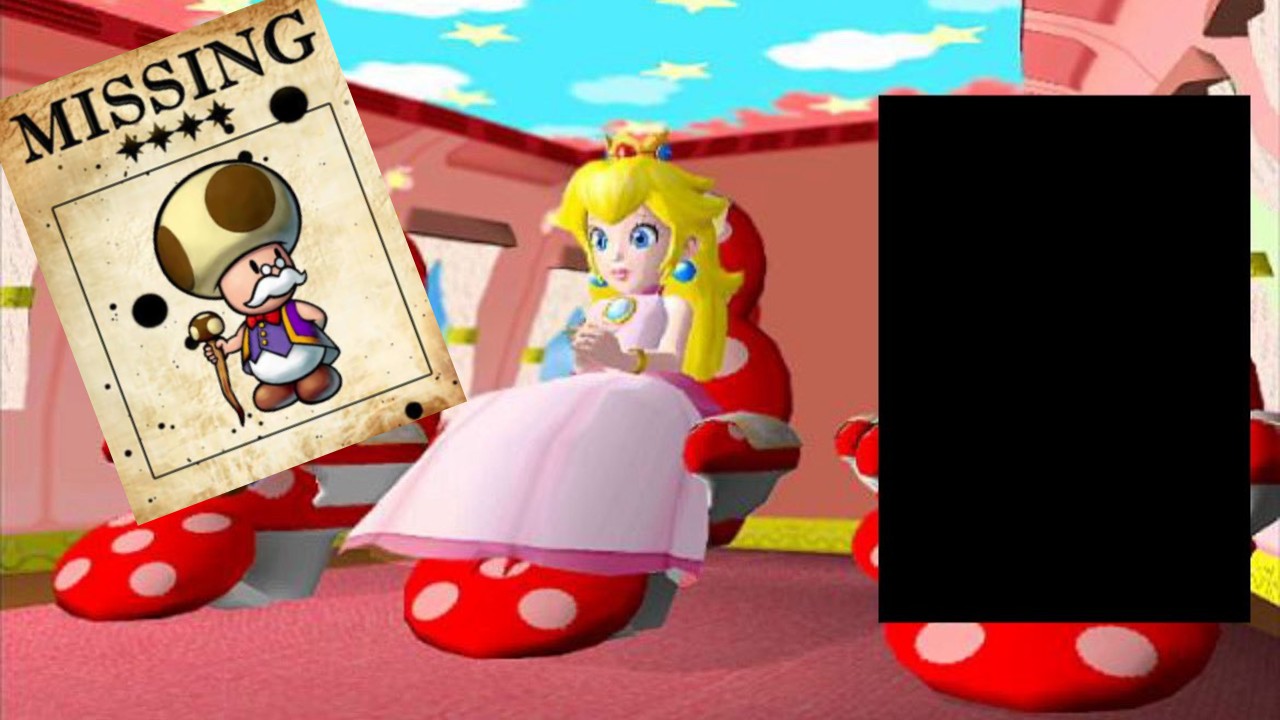
The 2026 Super Mario Sunshine art controversy represents a new chapter in this saga. Unlike previous instances where Toadsworth was simply not included in a new game, his removal from a recreation of existing art suggests a retroactive erasure. Industry analysts suggest that this may be a move to align legacy content with current brand standards. If Nintendo’s goal is to present the Toad species as a uniform collective, maintaining a character who clearly displays signs of aging and unique social status creates a "branding inconsistency" that the company appears eager to resolve. By redrawing the Sunshine art without him, Nintendo is effectively signaling that Toadsworth is no longer a part of the "active" roster, even in a historical context.
The reaction from the gaming public has been a mix of mourning and satirical protest. Social media platforms like X (formerly Twitter) and TikTok have seen a surge in "RIP Toadsworth" memes, with users editing the character into scenes of the afterlife or portraying him as a political exile. While the tone is often humorous, the underlying sentiment reflects a genuine loss of personality in the Mario universe. Critics argue that by removing characters like Toadsworth, Nintendo is stripping the Mushroom Kingdom of its charm and narrative depth. The steward was more than just a background NPC; he was a personification of the kingdom’s stability and a source of comic relief through his overprotective nature toward the Princess.
Despite the apparent corporate cold shoulder, Toadsworth’s legacy persists through the modding community and the enduring popularity of GameCube-era titles. The release of the Paper Mario: The Thousand-Year Door remake on the Nintendo Switch in 2024 provided a brief moment of hope for fans, as the character appeared in his original role. However, observers were quick to note that as a remake, the game was a preservation of 2004 standards rather than a reflection of 2024’s internal policies. The fact that he can appear in a remake but is edited out of promotional art for a different game’s re-release highlights a confusing, bifurcated strategy within Nintendo’s marketing departments.
From a business perspective, the homogenization of Toads simplifies asset management and ensures that the brand is easily recognizable to young children and casual consumers who may only know the characters from mobile games like Mario Kart Tour. However, this strategy risks alienating the "legacy" fanbase—those who grew up during the GameCube and Wii eras when the Mario universe felt more expansive and populated by unique individuals. The "Toadsworth Is Dead" phenomenon is a manifestation of this tension between corporate brand safety and creative world-building.
As of late 2026, Nintendo has issued no official statement regarding the character’s status. When questioned about the omission of certain characters in modern titles, company representatives typically cite a desire to "focus on core gameplay experiences" or "introduce new ways for players to interact with the world." Such boilerplate responses do little to satisfy the fans who have spent a decade tracking the steward’s disappearance. For now, Toadsworth exists in a state of "digital limbo"—too iconic to be forgotten by the public, yet too "non-standard" to be utilized by his creators.
In conclusion, the case of Toadsworth serves as a significant case study in modern intellectual property management. It illustrates how even a beloved character can be phased out not because of a lack of popularity, but because they no longer fit the narrow visual parameters of a global brand. Whether Toadsworth is truly "dead" or merely in a forced retirement, his absence in the 2026 Sunshine artwork confirms that Nintendo is moving forward with a vision of the Mushroom Kingdom that has no room for the elderly steward. For the fans who valued the distinct personality he brought to the series, the missing mustache and cane in the latest promotional materials are a somber reminder of an era of character-driven diversity that seems to have passed. Toadsworth may not have received a grand send-off, but the persistent digital outcry ensures that his disappearance will not go unnoticed.

