
The Four Levels of Customer Understanding and the Evolving Frameworks of User Experience Research represents a pivotal shift in how modern enterprises approach product development and consumer behavior analysis. In the current digital economy, organizations are increasingly discovering that traditional methods of gathering user feedback, such as surveys and Net Promoter Scores (NPS), often fail to capture the nuanced reality of how individuals interact with technology. Industry experts now advocate for a multi-layered approach that distinguishes between what users say, what they think, what they do, and the underlying motivations that drive their actions. This shift from surface-level data collection to deep behavioral diagnosis is redefining the standard for user experience (UX) excellence and business strategy.
The Evolution of User Research Methodologies
The history of user research has transitioned through several distinct eras, moving from purely functional testing to the integration of complex psychological frameworks. In the late 20th century, usability testing primarily focused on task completion rates and error counts—objective metrics that measured the efficiency of a system. However, as the digital landscape became more saturated, the industry realized that efficiency did not always equate to satisfaction or retention.
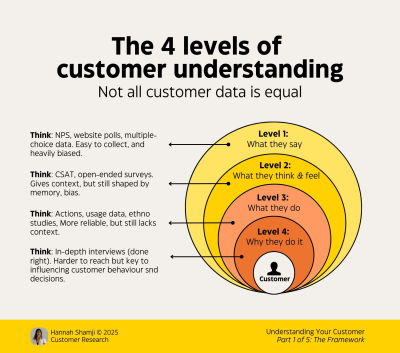
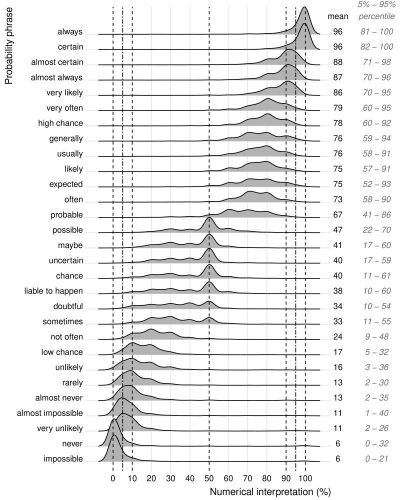
By the early 2000s, the "NPS era" took hold, emphasizing customer loyalty and the likelihood of recommendation. While this provided a high-level snapshot of brand health, it offered little insight into the specific friction points within a user journey. The current era, characterized by the integration of behavioral economics and cognitive psychology, seeks to bridge the gap between intent and action. Frameworks such as the "Four Levels of Customer Understanding," popularized by researcher Hannah Shamji, provide a structured way to navigate this complexity. This framework suggests that understanding is not a single point of data but a progression through four nested layers: verbal expression, cognitive/emotional processing, physical behavior, and root motivation.
Analyzing the Four Layers of Consumer Reality
To achieve a comprehensive understanding of a target audience, researchers must triangulate data across four distinct levels. Each level offers a different perspective, and when viewed in isolation, any single level can lead to misleading conclusions.
Level 1: The Surface of Verbal Expression
The outermost layer consists of what users say. This is the most common form of data collected through interviews, focus groups, and open-ended survey questions. While valuable for capturing immediate sentiment, it is often the least reliable indicator of future behavior. Research suggests that human beings are prone to social desirability bias, where they provide answers they believe are "correct" or reflect well on their character.
Level 2: The Cognitive and Emotional Filter
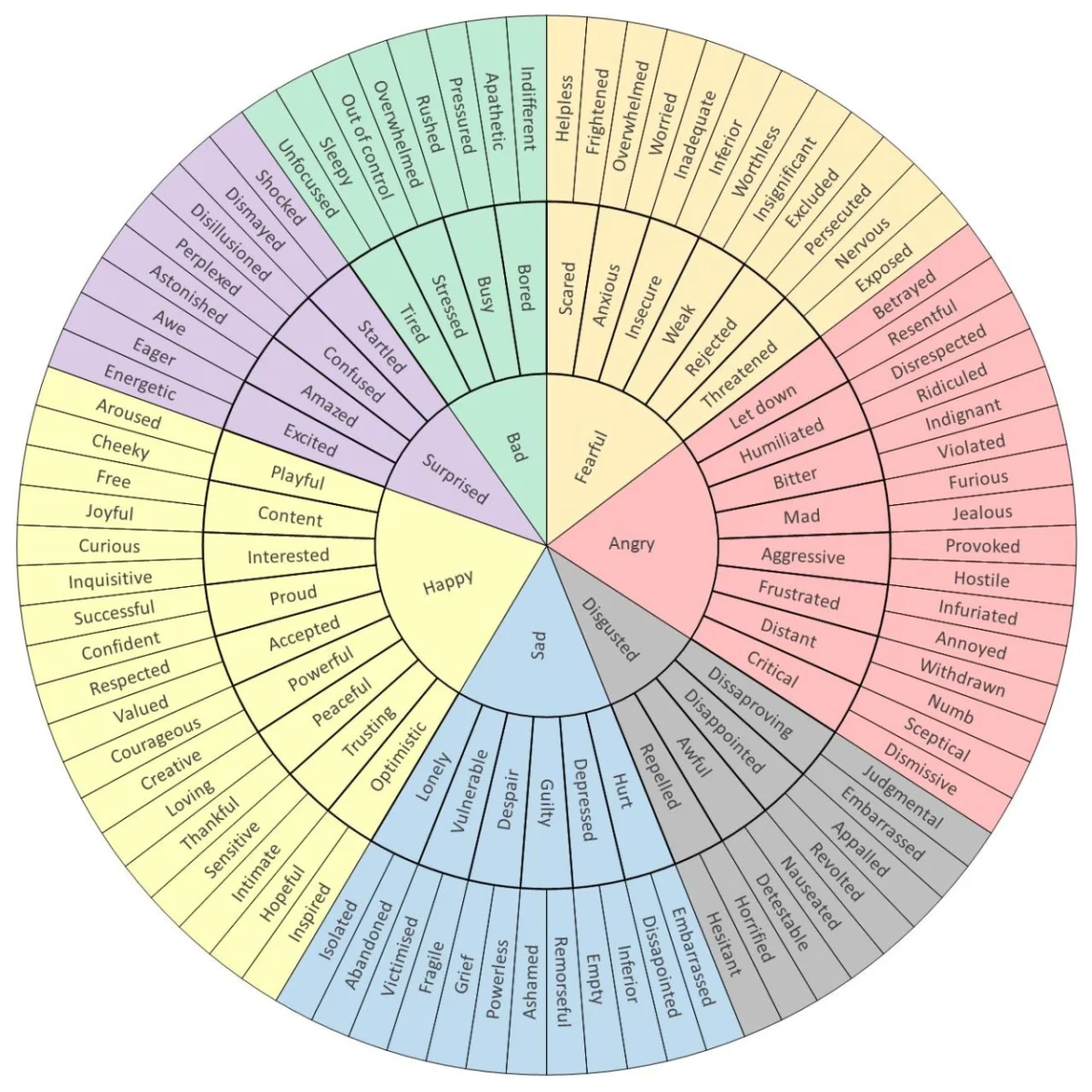
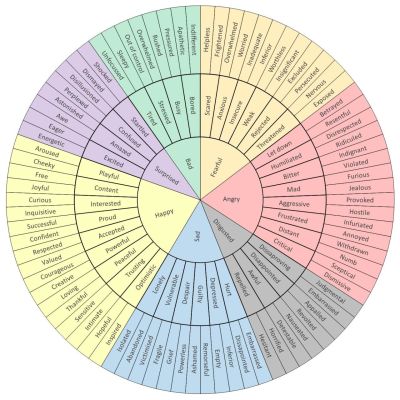
Beneath verbal expression lies what users think and feel. This layer involves the internal processing that precedes speech. Capturing this requires more sophisticated techniques, such as the "Emotion Wheel" developed by Geoffrey Roberts. By helping users articulate specific sentiments—moving beyond generic terms like "good" or "frustrating"—researchers can identify the precise emotional triggers within a product experience.
Level 3: The Behavioral Reality
Level 3 focuses on what users actually do. Behavioral data, often captured through session recordings, heatmaps, and analytics, frequently contradicts the data found in Level 1. For instance, a user might claim in a survey that they find a navigation menu "intuitive," yet heatmaps may show them hovering aimlessly or clicking multiple incorrect links before finding their destination.
Level 4: The Motivational Core
The deepest level of understanding is the "why." This involves uncovering the root causes and hidden motivations that drive the behaviors observed in Level 3. Identifying these motivations requires a longitudinal view of the user’s life and goals, looking at the "messy and noisy reality" that shapes their decision-making process.
The Linguistic Challenge: Possible vs. Probable
A critical challenge in relying on verbal feedback is the inherent ambiguity of language. Data from a 2020 study on Dutch verbal probability terms, published in JCOM (Journal of Science Communication), highlights the unreliability of common descriptors. The study found that while extreme terms like "certain" or "impossible" have a high level of agreement among participants, mid-range terms such as "possible," "maybe," "uncertain," or "likely" result in a vast spread of numerical interpretations.
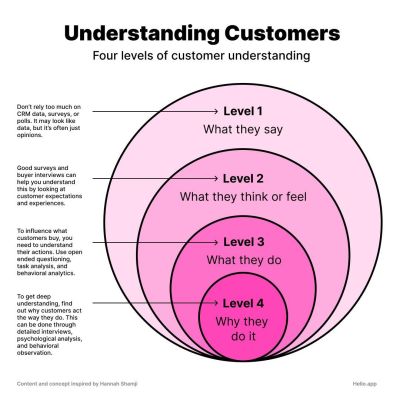
For example, when a user says it is "likely" they will use a feature, one person may mean a 60% probability, while another means 90%. This linguistic variance means that qualitative feedback must be grounded in quantitative behavioral markers to be actionable. Relying solely on the "words chosen" by users can lead to significant miscalculations in product roadmaps and market forecasting.
The Empathy Debate: Sympathy vs. Compassion in Design
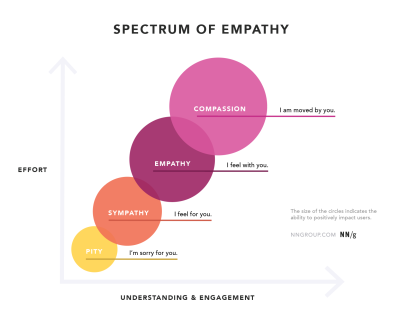
Within the UX community, the role of empathy has become a subject of intense debate. Sarah Gibbons of the Nielsen Norman Group has articulated a "Spectrum of Empathy" that moves from pity and sympathy to empathy and, ultimately, compassion. In this context, empathy involves intellectually and emotionally absorbing a user’s experience, while compassion involves the willingness to take action to alleviate their struggles.
However, some practitioners, such as Alin Buda, argue against the necessity of full emotional absorption. Buda suggests that the primary goal of design is to solve problems and manage the "pain and mess" of others, rather than to perform emotional labor. This perspective posits that over-indexing on empathy can lead to "empathy fatigue" or biased decision-making based on the most vocal or emotionally charged users. The emerging consensus suggests a balanced approach: using emotional responses as signals to diagnose problems, but relying on objective behavioral data to solve them.
Shifting from Validation to Diagnostic Research
One of the most significant institutional shifts required for deep customer understanding is the move away from "validation." Many corporate environments use user testing to validate existing assumptions or confirm that a pre-determined solution is correct. This approach is inherently flawed as it seeks to minimize dissent rather than uncover truth.
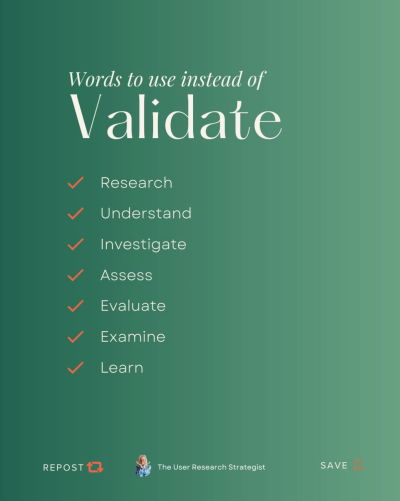
Expert researchers like Nikki Anderson advocate for replacing the word "validate" with terms such as "investigate," "assess," "evaluate," or "learn." Diagnostic research does not start with a solution; it starts with an observation of behavior. By observing where users lose time, where they repeat actions, or where they exhibit subtle physical cues like furrowed brows or hesitation, researchers can identify the "silent failures" that users often fail to report in interviews.
Practical Strategies for Organizational Integration
Implementing a deep understanding framework does not necessarily require a massive increase in research budgets. Instead, it requires a change in how insights are shared across an organization. Several practical strategies have proven effective in making user struggles visible:
- The "Wall of Pain": A physical or digital space where specific user frustrations are documented and displayed, ensuring that engineers and stakeholders remain aware of the human cost of technical debt or poor design.
- Highlight Reels: Short, edited video clips of user sessions that show real people struggling with specific tasks. These are often more persuasive than 50-page research reports.
- Cross-Functional Observation: Encouraging developers, marketers, and executives to observe live usability sessions without the ability to intervene. This fosters a shared understanding of the product’s reality.
- Mirroring and Paraphrasing: During interviews, using investigative techniques like repeating a user’s statement back to them can prompt deeper reflection and reveal details that were omitted in the initial response.
The Broader Impact on Business and Ethics
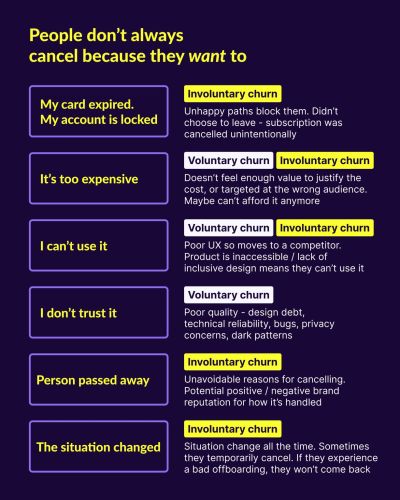
The implications of failing to reach the deeper levels of customer understanding are both financial and ethical. From a business perspective, building features based on "hunches" or surface-level surveys is an expensive gamble that often leads to low adoption rates and high churn. Data from subscription-based services shows that "involuntary churn"—caused by technical friction or misunderstood user needs—is often as significant as voluntary cancellations.
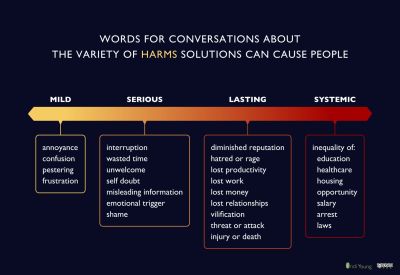
Ethically, a lack of deep understanding can lead to "systemic harm." Indi Young, a prominent researcher in inclusive design, categorizes the harms of poor solutions into mild, serious, lasting, and systemic. When designers only understand Level 1 (what people say), they risk creating solutions that inadvertently exclude marginalized groups or create long-term negative dependencies.
Conclusion
To make a lasting impact in the field of product design and user experience, organizations must look beyond the surface of user feedback. The "Four Levels of Customer Understanding" provides a roadmap for navigating the complexities of human behavior, moving from the unreliable nature of words to the concrete reality of actions and motivations. By fostering a culture of diagnostic research rather than assumption validation, and by prioritizing behavioral observation over linguistic nuances, companies can build products that are not only functional but deeply resonant with the true needs of their customers. Ultimately, understanding the "why" behind the "what" is the only way to move beyond expensive hunches and toward evidence-based innovation.

