
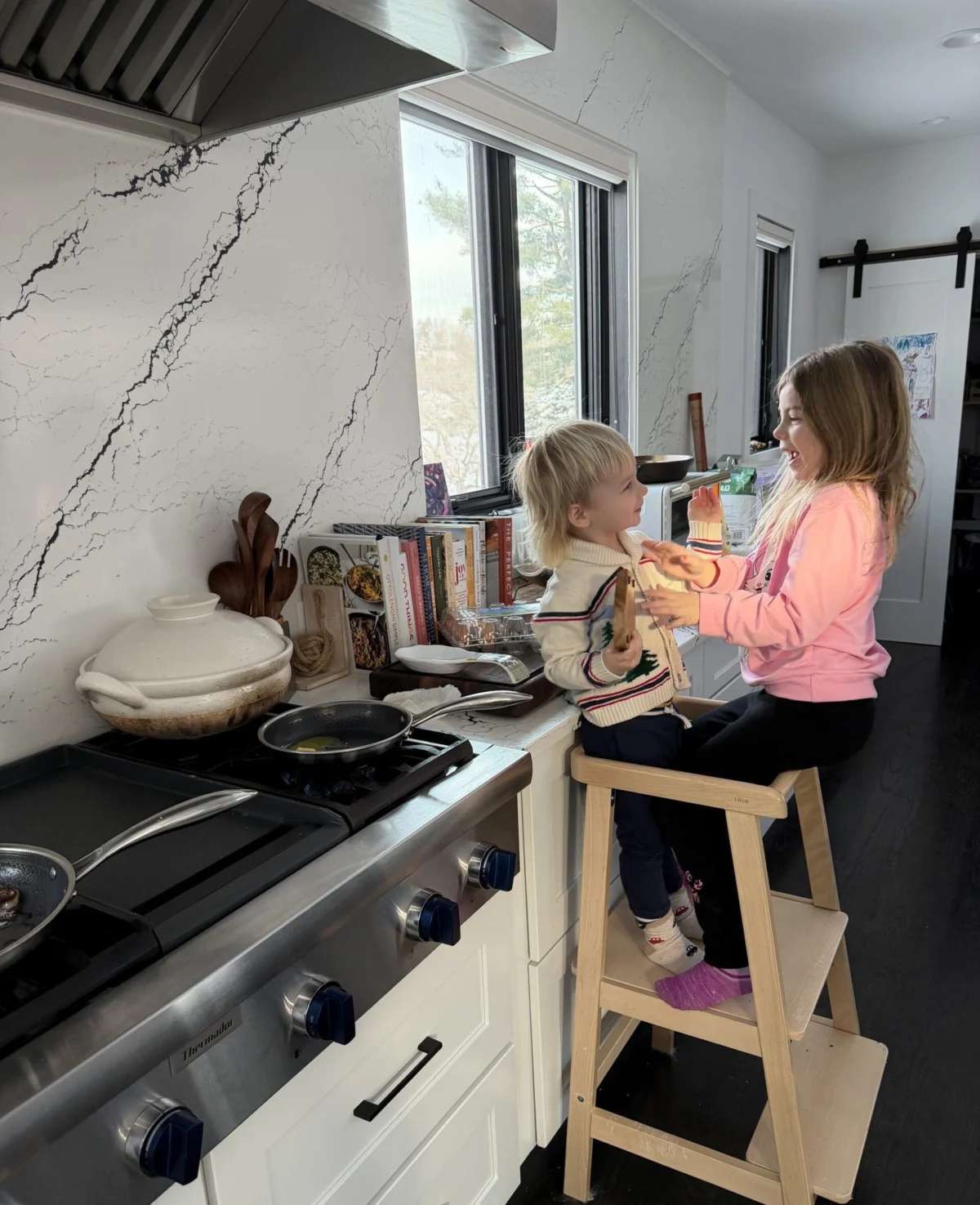
The simple act of involving children in kitchen activities, from measuring ingredients to stirring a pot, is increasingly recognized by child development experts and family therapists as a profound and multifaceted educational tool, extending far beyond the mere preparation of a meal. This engagement cultivates essential life skills, fosters robust family bonds, enhances cognitive development, and promotes healthier eating habits, challenging the perception that cooking with children is merely a chaotic chore.
A Growing Recognition of Domestic Education
Historically, the kitchen served as a central hub for family life, where practical skills were passed down through generations. In modern society, with busy schedules and readily available convenience foods, this tradition has, for some, receded. However, a growing movement among parents, educators, and developmental psychologists advocates for the reintegration of children into culinary processes, emphasizing its invaluable contributions to holistic development. This resurgence is partly fueled by a desire to balance screen time with tangible, interactive experiences and to equip children with practical competencies crucial for independence. The shift reflects a broader understanding that learning is not confined to academic settings but thrives within everyday domestic routines.
Fostering Communication and Unstructured Connection
One of the most significant advantages of cooking with children lies in its capacity to create organic, pressure-free environments for communication. Unlike structured discussions or dedicated "talk times," the shared activity of preparing food naturally opens avenues for conversation. As children stand alongside parents, whether on a step stool or at the counter, engaged in tasks like measuring flour or stirring a sauce, dialogue flows effortlessly. Topics can range from the day’s events and imaginative ideas to observations about pets, devoid of the agenda-driven feel that can sometimes accompany intentional family meetings. This informal interaction strengthens emotional bonds and builds a sense of shared experience, forming a foundation for deeper family connections. Studies on family dynamics consistently highlight the importance of shared activities in fostering communication, mutual understanding, and overall family cohesion, with culinary endeavors often cited as a prime example of such beneficial engagement.
Cultivating Healthier Eating Habits and Reducing Pickiness
A prevalent challenge for many parents is encouraging children to eat a diverse range of healthy foods. Research from pediatric nutritionists and behavioral scientists indicates a strong correlation between a child’s involvement in food preparation and their willingness to consume what they have helped create. This phenomenon, often termed the "ownership effect," suggests that when children contribute to the cooking process, they develop a sense of investment and pride in the final product. For instance, a preschooler who helps chop vegetables or sprinkle cheese on a dish is significantly more likely to try and enjoy that dish, even if they previously expressed aversion to its components.
This hands-on participation demystifies food, allowing children to interact with ingredients in a non-threatening context, transforming potential apprehension into curiosity. Giving children age-appropriate tasks—such as stirring soup, pouring pasta (under supervision), or adding spices—empowers them and builds confidence in their ability to contribute meaningfully. This active involvement has been shown to be more effective than persuasion or coercion in broadening a child’s palate and promoting an adventurous approach to food, laying the groundwork for healthier dietary choices in adulthood.
Developing Essential Life Skills and Cognitive Abilities
The kitchen serves as an inadvertent classroom where a multitude of practical and cognitive skills are acquired without the formal pressure of structured learning. Measuring ingredients introduces fundamental mathematical concepts, including fractions, volume, and estimation. Following a recipe develops literacy skills, sequencing abilities, and problem-solving. Mixing, pouring, and chopping refine fine motor skills, hand-eye coordination, and dexterity. Tasks like cracking an egg, even if initially messy, teach gentleness and precision over time.
Beyond these tangible skills, children develop confidence and a sense of accomplishment from successfully executing a recipe or a specific task. They learn about cause and effect (e.g., how heat transforms ingredients), the importance of following instructions, and the value of patience. Equipping children with appropriate, kid-safe tools—such as blunt knives, sturdy mixing bowls, and stable step stools—not only ensures their safety but also facilitates their active participation, making the learning process manageable and enjoyable for both child and parent. This experiential learning approach aligns with educational philosophies that emphasize active engagement over passive reception, demonstrating how everyday activities can be powerful educational opportunities.
Promoting Mindfulness and Cultivating Patience
In an increasingly fast-paced world, where instant gratification is often the norm, the act of cooking with children offers a valuable antidote by mandating a slower, more deliberate pace. For adults accustomed to high-pressure environments, such as those in fast-moving professional fields, the necessity of adapting to a child’s rhythm can be a significant, albeit beneficial, shift. A toddler meticulously spooning tomato sauce into a pot, one tiny spoonful at a time, demands patience and presence.
This enforced deceleration encourages mindfulness, pulling individuals away from external pressures and into the immediate moment. Celebrating small achievements—a child remembering to "stir slowly" or successfully trying a new ingredient—becomes the focus. This shift in perspective allows parents to appreciate the simple joys and milestones of childhood development, fostering a deeper connection with their children and reducing parental stress. The chaotic and often messy nature of cooking with kids, while challenging, paradoxically provides a rich environment for developing patience, adaptability, and a joyful appreciation for the present. It underscores the idea that the journey, with all its imperfections, is often as valuable as the destination.
Building Confidence and Fostering a Sense of Contribution
Perhaps one of the most profound impacts of involving children in cooking is the development of a genuine sense of contribution and self-efficacy. When children are given real responsibilities, rather than merely engaging in pretend play, they experience the satisfaction of making a tangible difference. A child who slices fruit for a salad or enthusiastically squeezes tomatoes for a sauce is not just playing; they are actively helping to create a meal for the family. This recognition of their genuine utility elevates their self-esteem and instills a powerful sense of pride.
Allowing children to "own" their tasks completely, even if the outcome isn’t perfectly executed (e.g., slightly overcooked scrambled eggs), reinforces their autonomy and capability. The beaming smile of a child who has prepared something for their loved ones, regardless of minor imperfections, is a testament to the confidence built through real responsibility. This experience extends beyond the kitchen, teaching children that their efforts have value and that they are important members of the family unit, capable of contributing meaningfully. These early experiences with genuine responsibility are foundational for developing a strong sense of self-worth and a proactive approach to life’s challenges.
Practical Considerations and Safety Measures
While the benefits are clear, engaging children in cooking requires careful consideration of safety and age-appropriateness. Implementing child-safe tools, such as nylon knives for cutting soft foods, sturdy and non-slip step stools, and non-breakable mixing bowls, is paramount. Supervising children around hot surfaces, sharp utensils, and electrical appliances is non-negotiable. Establishing clear rules and boundaries within the kitchen helps children understand the importance of safety while still allowing them to participate. Starting with simple recipes and gradually increasing complexity as a child’s skills develop ensures a positive and safe learning experience.
Broader Societal Implications
The encouragement of family cooking extends beyond individual household benefits, touching upon broader societal implications. By fostering healthy eating habits from a young age, it contributes to public health initiatives aimed at combating childhood obesity and promoting lifelong wellness. By strengthening family bonds and communication, it supports the development of resilient family units, which are critical for societal stability. Furthermore, by instilling practical life skills and a sense of contribution, it prepares children to be more independent, capable, and confident adults, ready to navigate the complexities of life with practical competence.
In conclusion, the act of cooking with children, though often perceived as messy and time-consuming, represents a powerful investment in their development and family well-being. It is a dynamic process that simultaneously educates, connects, and empowers, transforming the mundane into the extraordinary and laying a robust foundation for a child’s future. The increasing recognition of these profound benefits underscores the kitchen’s enduring role not just as a place for sustenance, but as a vibrant crucible for growth, learning, and love.

