
The landscape of digital productivity is currently undergoing a fundamental paradigm shift as the initial novelty of standalone generative artificial intelligence tools begins to wane, giving way to a more sophisticated demand for integrated utility. For much of the past two years, the technology sector has been dominated by the "AI-first" philosophy, a development strategy that prioritizes the implementation of large language models (LLMs) as the primary interface for user interaction. However, emerging data and user experience (UX) research suggest that the next stage of evolution will not be defined by more tools, but by "Quiet AI"—the seamless embedding of intelligent capabilities into the software and mental models that users have already established over decades.
The Problem of Tool Proliferation and Context Switching
As the software-as-a-service (SaaS) industry matured, the average enterprise began utilizing an increasingly fragmented array of applications. According to a 2023 report on digital workplace trends, the average employee switches between different applications and windows nearly 1,200 times per day. This phenomenon, known as "context switching," has been shown by the American Psychological Association to decrease individual productivity by as much as 40%.
In this environment, the introduction of standalone AI chatbots and platforms often adds to the cognitive load rather than alleviating it. While "shiny new tools" promise to revolutionize workflows, they frequently require users to navigate away from their primary workspace, master new terminal commands, or engage in lengthy, iterative chat interactions to achieve a result that previously required a few clicks. The emerging consensus among UX designers is that users do not desire more platforms to manage; they require the reduction of friction within their existing environments.
The Philosophy of Quiet AI vs. AI-First
The distinction between "AI-first" and "Quiet AI" is central to the future of interface design. AI-first products are typically built from the ground up around the capabilities of a specific model. While these can speed up production for certain tasks, they often ignore the nuanced design decisions and established user expectations that have been refined over years of software development.
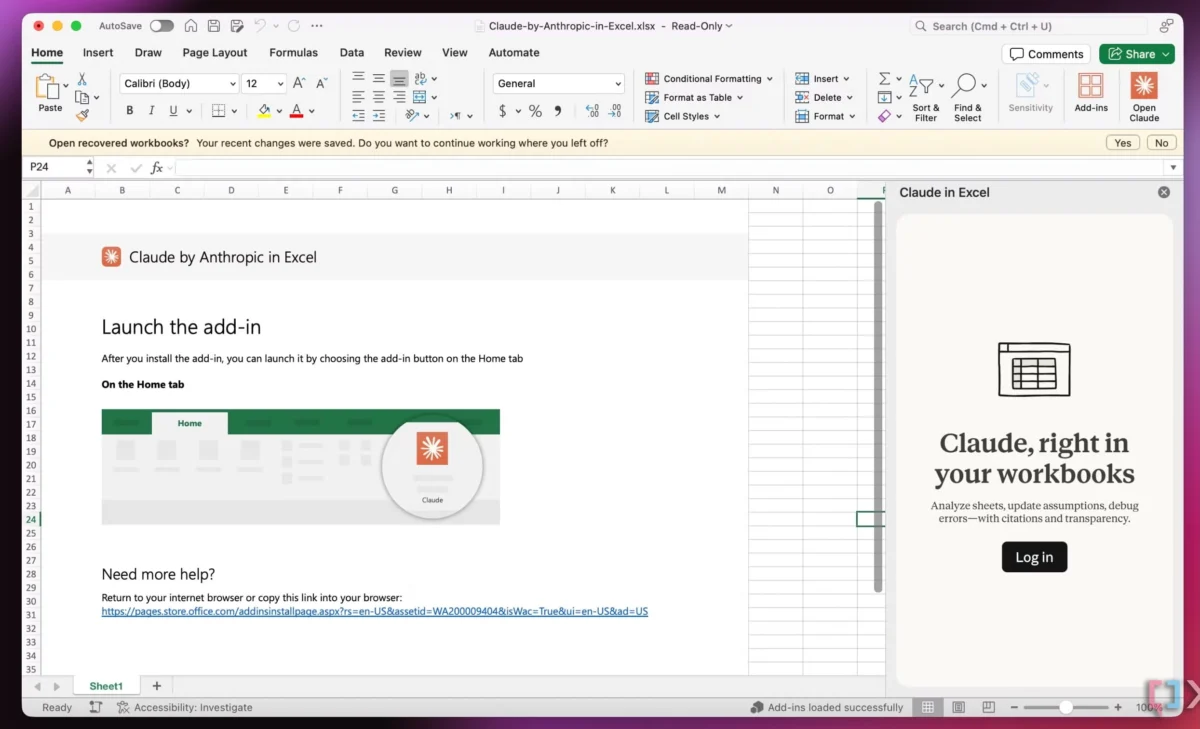
In contrast, Quiet AI refers to intelligent features that remain largely invisible, operating in the background to perform repetitive or frustrating tasks on the user’s behalf. These integrations do not demand attention but instead provide contextual assistance. A primary example of this trend is the integration of Anthropic’s Claude into the Microsoft Office ecosystem, including Excel, PowerPoint, and Word. By allowing users to analyze specific rows or columns within a spreadsheet without leaving the application, the AI honors the user’s existing mental model of data management while providing a significant boost in analytical power.
Case Study: Folder Instructions and System-Level AI
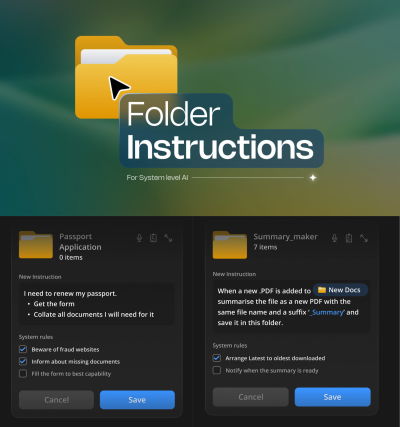
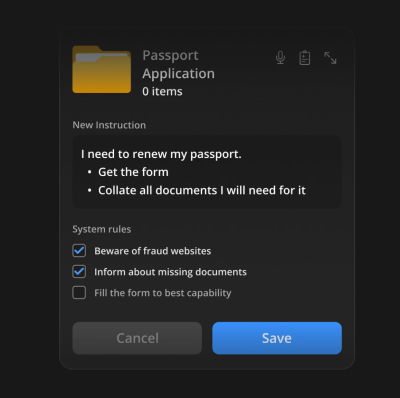
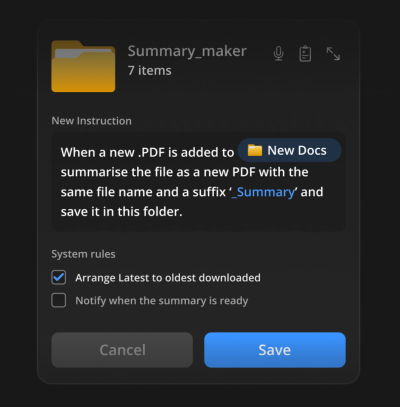
One of the most significant conceptual breakthroughs in seamless integration is the proposal for "Folder Instructions" at the system level. This concept, popularized by designer Karthikeya GS, reimagines the traditional file directory—a mental model that has been a staple of computing since the introduction of the graphical user interface (GUI).
Under this model, a folder is no longer a passive container for files. Instead, users can define specific "instructions" for a folder based on its intended purpose. For example, a folder designated for a "Passport Application" could be programmed with rules to automatically identify missing documents, verify photo dimensions against government requirements, and trigger a notification when the set is complete.
The technical implications of this approach are twofold:
- Local Scoping and Privacy: By scoping AI actions to a specific folder on a user’s local machine, the system provides a layer of security and permission control that is often lacking in cloud-based chat interfaces.
- Intent-Based Automation: Users set the intent of the workspace once, and the system follows that intent autonomously. This addresses the "high frequency, high frustration" tasks of file organization and administrative maintenance that currently consume significant portions of the workday.
Supporting Data: The Economic Impact of Integration
The move toward integrated AI is supported by market performance data. A 2024 analysis of the AI sector indicates that companies focusing on "API-first" and "embedded AI" strategies are seeing higher retention rates than those offering standalone consumer-facing chatbots. In the enterprise sector, 68% of IT decision-makers reported that "ease of integration with existing workflows" was the primary factor in selecting an AI vendor, outranking "model raw performance."
Furthermore, the "High Severity, High Frequency" framework used by product managers suggests that the most valuable AI features are those that solve chronic, recurring issues. Automating the summarization of PDFs within a file manager or providing real-time formula suggestions in a spreadsheet addresses frequent pain points without requiring the user to learn a new language or interface.
Chronology of AI Interface Evolution
To understand the current shift, it is necessary to look at the timeline of AI interaction design over the last decade:
- 2011–2018: The Assistant Era. Characterized by voice-activated assistants like Siri and Alexa. These were limited by rigid command structures and lacked true contextual awareness.
- 2022–2023: The Chatbot Explosion. The release of ChatGPT and subsequent models introduced the "Chat Interface" as the dominant way to interact with AI. This era focused on the power of the model rather than the utility of the UI.
- Early 2024: The Integration Pivot. Major tech players began embedding AI into sidebars (e.g., Microsoft Copilot, Google Gemini in Workspace), though many of these still functioned as "mini-chatbots" within a larger app.
- Late 2024–Present: The Rise of Invisible Intelligence. The current phase focuses on "Quiet AI," where the AI is triggered by specific actions (like creating a folder or highlighting a text block) rather than a prompt box.
Industry Responses and Expert Perspectives
Industry leaders are increasingly vocal about the need for more disciplined UX in the AI space. Vitaly Friedman, a prominent UX consultant and founder of Smashing Magazine, has noted that the value of AI is not found in the technology itself, but in its ability to reduce the "burden of learning yet another tool." This sentiment is echoed by software engineers at major LLM providers, who are shifting their focus toward "agentic" workflows—systems that can perform tasks across different software layers without constant human prompting.
However, the transition to Quiet AI is not without challenges. Critics point out that "invisible" AI can lead to a lack of transparency, where users may not understand why a file was moved or a summary was generated in a certain way. This necessitates a new set of design patterns—currently being codified in resources like "Design Patterns For AI Interfaces"—that balance automation with user agency and "explainability."
Broader Implications for the Future of Work
The long-term impact of seamless AI integration extends beyond mere convenience. As AI becomes a standard component of the operating system and the productivity suite, the "digital divide" may shift from those who can use AI to those who have access to the most well-integrated systems.
From a design perspective, the role of the UI/UX designer is changing. The focus is moving away from creating "buttons and screens" toward designing "behaviors and permissions." In a world of Folder Instructions and Quiet AI, the interface becomes a partnership between the user’s intent and the system’s execution.
Ultimately, the success of AI in the workplace will be measured by how much it "disappears." When a tool becomes so well-integrated that it aligns perfectly with a user’s mental model, it ceases to be a "new tool" and becomes an essential, invisible part of the infrastructure. The move toward seamless integration suggests that the future of technology is not a louder, more complex digital environment, but a quieter, more efficient one where the machine adapts to the human, rather than the other way around.
Conclusion
The data and current market trends suggest a clear path forward: the era of the "shiny new AI tool" is being replaced by the era of "useful AI features." By focusing on high-frequency frustrations and respecting established user workflows, developers can provide value that is both immediate and sustainable. Whether through Claude’s presence in Excel or the implementation of system-level folder instructions, the goal remains the same: to help users do their work with fewer distractions, fewer mistakes, and less friction. As the industry moves toward these design patterns, the focus returns to the core principle of human-computer interaction—empowering the user through simplicity and integration.

