
The Genesis of ‘Taste of the Left’
The origin of the audio can be traced back to April 4, 2026, when the YouTuber known as tuvington hosted a digital event titled "Song Wars." This recurring competition invites producers and fans to submit remixes and original compositions based on specific stems or themes. During this session, a producer going by the handle h4lfbl00dd submitted a remix that spliced the vocal tracks of Tom MacDonald’s "Pray for the Left" over the instrumental and stylistic framework of Tuv’s "TASTE."
The resulting track, "Taste of the Left," immediately stood out due to its jarring juxtaposition. Tom MacDonald, a Canadian rapper known for his "anti-woke" rhetoric and previous collaborations with conservative commentator Ben Shapiro, provides a verse that begins with the provocative line: "They always said that Charlie Kirk was a Nazi, then they celebrated after they killed him." Within the context of the meme’s timeline, these lyrics appear to reference a fictionalized or hyperbolic scenario regarding Charlie Kirk, the founder of Turning Point USA. The aggressive, politically charged lyrics are set against a bright, synthesized, and rhythmic beat that mimics the "stadium-ready" pop-rap often produced for commercial audiences.
Transition to Viral TikTok Trend
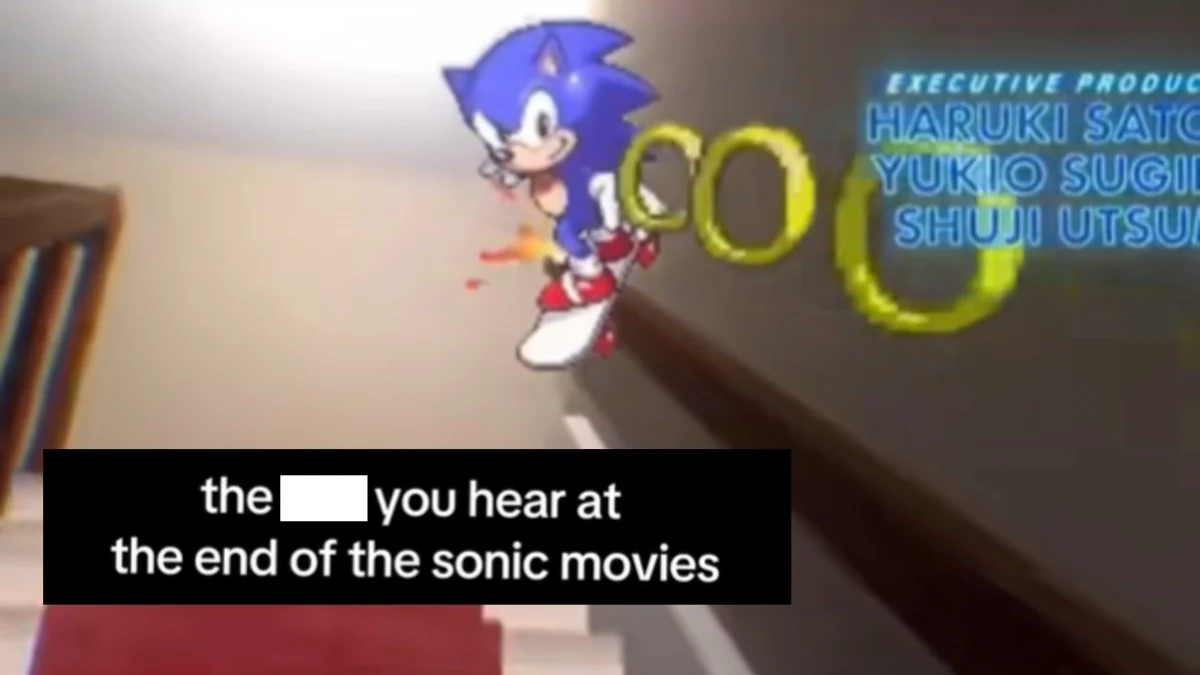
The transition from a niche YouTube remix to a mainstream TikTok sensation occurred on April 7, 2026. A TikTok creator using the handle @willow.428 uploaded a video featuring an animation of Sonic the Hedgehog. The video was captioned, "the shit you hear at the end of the sonic movies," and used the "Taste of the Left" remix as the soundtrack. The creator’s observation struck a chord with a massive audience, as the upbeat production of the remix perfectly mirrored the specific "corporate-friendly" energy found in the soundtracks of films like Sonic the Hedgehog, The Lego Movie, and various Illumination Entertainment projects.
Within three days, this initial video amassed over 1.2 million views, sparking a wave of imitative content. The humor of the meme relies on the cognitive dissonance between the dark, specific political grievances in the lyrics and the visual of colorful, dancing animated characters. Users quickly identified that the cadence of MacDonald’s delivery and the "clean" but energetic production of the beat were indistinguishable from the "original songs" often commissioned by film studios to keep children and parents engaged as the credits roll.
Chronology of the Meme’s Expansion
Following the success of the Sonic-themed video, the meme underwent a rapid expansion between April 8 and April 10, 2026.
On April 8, TikToker @itsjstchaotic applied the audio to a clip from The Lego Movie, gaining nearly 900,000 views in 48 hours. This iteration solidified the trope that the song was the "quintessential" credit track. Later that same day, @chubby.clippz transitioned the meme into a comedy skit format. In this version, the creator portrayed a fictionalized studio executive or a movie-goer reacting to the absurdity of hearing such lyrics in a Pixar-style film. This video garnered 136,000 views and expanded the meme’s reach into general film criticism circles.
By April 9, the trend had reached the DC fandom, with @glorpygd posting a video referencing The Lego Batman Movie. This post received over 621,000 views in a single day, with commenters noting that the song’s rhythm fit perfectly with the fast-paced, kinetic animation style of the "Lego" cinematic universe. Throughout the week, other creators applied the sound to various franchises, including the Marvel Cinematic Universe, Pixels, and Dreamworks’ Shrek series, further cementing the "End Credit Song" label.
Analyzing the ‘Animated Movie Credit’ Trope
To understand why "They Always Said That Charlie Kirk Was a Nazi" became a vessel for movie parody, one must look at the history of the "celebratory dance party" ending in Western animation. Since the early 2000s, it has become a standard industry practice to conclude children’s movies with a high-energy pop or rap song, often featuring the main characters dancing in a stylized environment.
These songs are typically characterized by:
- Upbeat Tempos: Ranging from 110 to 128 BPM to encourage movement.
- Generic Empowerment Lyrics: Phrases about "never giving up" or "having a good time."
- Clean Production: Polished, synth-heavy instrumentals that appeal to a broad demographic.
The "Taste of the Left" remix accidentally hit all these technical markers. While the lyrics themselves are far from generic—focusing on political martyrdom and media bias—the vibe of the track matches the auditory aesthetic of commercial film music. This has led to a broader discussion on TikTok and Twitter regarding the "soullessness" of modern movie soundtracks, with users arguing that the political remix sounds "more authentic" to the genre than the actual songs produced by major labels for these films.
Background on the Key Figures
The meme involves three primary figures who exist in very different spheres of digital culture:
- Tom MacDonald: MacDonald has carved out a massive independent music career by targeting "cancel culture" and liberal politics. His presence in the meme adds a layer of "post-ironic" humor, as his core audience (conservative activists) and the meme’s audience (Gen Z TikTokers) rarely overlap. The use of his lyrics in a parody of a children’s movie is seen by many as the ultimate subversion of his serious, often confrontational messaging.
- Tuv: A YouTuber known for deep dives into internet mysteries and dark subcultures, Tuv’s musical output is often experimental. His involvement in the "Song Wars" highlights the collaborative and often unpredictable nature of the YouTube "commentary-core" music scene.
- Charlie Kirk: As the founder of Turning Point USA, Kirk is a staple of American political discourse. The lyrics referencing his "death" are entirely metaphorical or part of a fictional narrative within the song, but they serve as a lightning rod for engagement. The absurdity of a political figure’s name appearing in a "Sonic movie song" is a primary driver of the meme’s viral success.
Cultural Implications and Reaction
The "They Always Said That Charlie Kirk Was a Nazi" meme represents a growing trend in internet culture known as "context collapse." This occurs when a piece of media created for one specific audience (political partisans) is harvested by another audience (meme creators) and stripped of its original intent to serve a new, usually absurdist, purpose.
While there have been no official statements from Tom MacDonald or Charlie Kirk regarding the trend as of mid-April 2026, the reaction from the broader internet has been one of bemused fascination. Digital culture analysts suggest that the meme’s longevity is tied to its dual nature: it is simultaneously a critique of the repetitive nature of the film industry and a mockery of the self-seriousness found in political rap.
Furthermore, the trend has sparked a minor resurgence in interest for the "Song Wars" format on YouTube. Producers are reportedly attempting to create other "accidental movie hits" by remixing unlikely vocalists over pop-oriented beats.
Statistical Summary of Viral Spread
As of April 10, 2026, the statistical footprint of the meme is as follows:
- Total TikTok Views (Aggregated): Over 15 million views across the top 50 videos using the audio.
- YouTube Remix Views: The original "Song Wars" video saw a 400% increase in traffic in the week following the TikTok trend.
- Search Interest: Google Trends reported a "Breakout" status for the search terms "Charlie Kirk Nazi song" and "Sonic end credits meme" during the second week of April.
Conclusion
The "They Always Said That Charlie Kirk Was a Nazi" phenomenon illustrates the unpredictable trajectory of digital content in the mid-2020s. By repurposing a politically charged rap remix into a satire of corporate cinema, internet users have created a unique form of media criticism that transcends traditional political boundaries. Whether the meme leads to a shift in how film studios approach their soundtracks remains to be seen, but for now, the "Taste of the Left" remix stands as a testament to the power of irony in the age of TikTok.

