
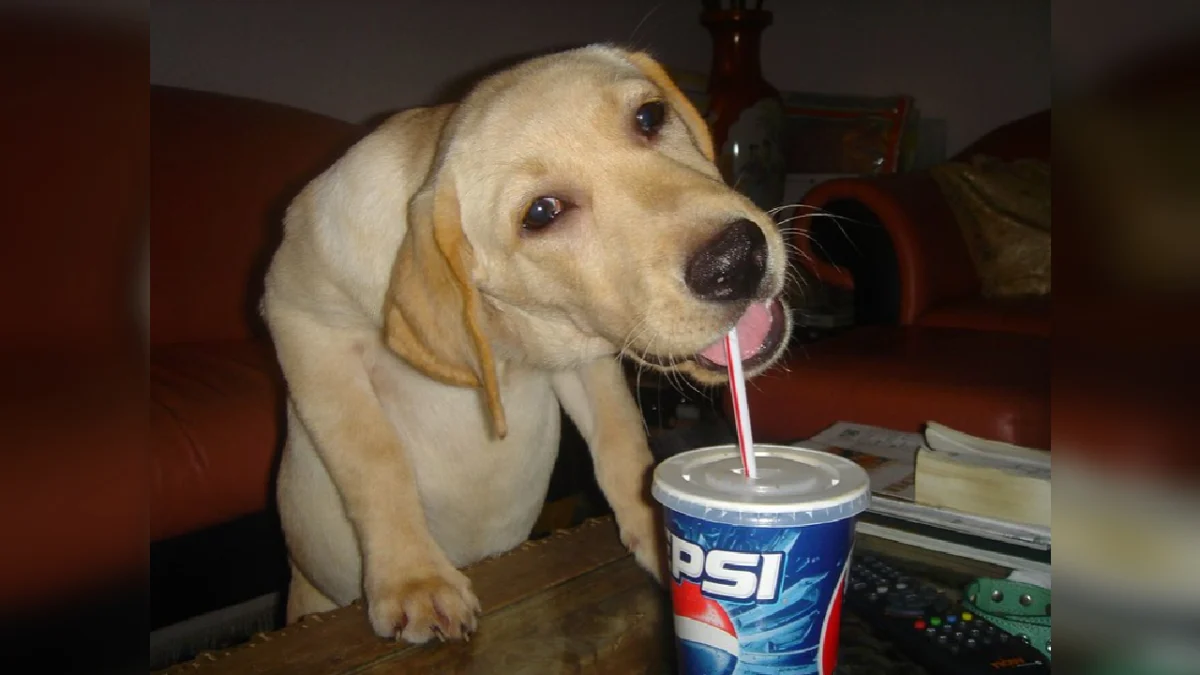
The digital artifact known colloquially as Pepsi Dog, or more descriptively as Funny Dog Eat a Pepsi, represents a seminal moment in the history of internet pet culture and the broader evolution of exploitable media. Centered on a 2005 photograph of a yellow Labrador Retriever named Peanut seemingly consuming a soft drink through a straw, the image has transcended its original context to become a multi-generational meme. This phenomenon highlights the shifting dynamics of digital dissemination, moving from the early era of photo-sharing platforms like Flickr to the high-velocity environments of Reddit, Tumblr, and TikTok. Over nearly two decades, the image of Peanut has been repurposed as a vehicle for relatability, religious parody, and absurdist humor, cementing its status as a permanent fixture in the global digital lexicon.
The Genesis of Peanut: A Flickr Origin Story
The narrative of Pepsi Dog began on September 12, 2005, during the nascent years of social media. A user named shirleymoon uploaded a photograph to the image-hosting site Flickr titled "Peanut asks for more…". The image depicted Peanut, a yellow Labrador, sitting attentively with a plastic cup and a blue straw in her mouth, appearing to sip from a Pepsi-branded container. At the time of its upload, Flickr was the premier destination for hobbyist photographers, and the image initially garnered a modest but appreciative audience. Over the next 17 years, the original post would accumulate over 4,600 views and 80 favorites—figures that, while seemingly small by modern viral standards, represent a significant footprint for a mid-2000s photograph.
The Flickr account of shirleymoon provides a broader context for Peanut’s life, documenting her experiences alongside her sister, a dog named Sesame. The collection includes various stages of their lives, from puppyhood to maturity, suggesting that the "Pepsi" photo was a candid moment captured by a dedicated pet owner rather than a calculated attempt at viral fame. This authenticity is often cited by internet historians as a key factor in the image’s longevity; it possesses an earnest, unpolished quality that contrasts with the highly produced content of the modern influencer era.
The 2014 Reddit Renaissance and the Rise of the Exploitable
While the image remained a niche favorite for several years, its transition into a true "exploitable"—an image designed to be edited or placed into new contexts—occurred on November 22, 2014. A Redditor identified as FastLoad shared the photograph to the subreddit /r/photoshopbattles, a community dedicated to the creative manipulation of images. This event served as a catalyst, propelling Peanut into the mainstream. The thread garnered over 2,300 upvotes and 160 comments, sparking a wave of creative reinterpretations.
During this period, the image was edited into various scenarios: Peanut was depicted playing a Nintendo DS in a "Nintendogs: Pepsi Edition" parody, hitting a water pipe, and even appearing as a deity. These edits demonstrated the versatility of the original photograph. The dog’s neutral yet focused expression provided a perfect canvas for users to project various emotions and narratives, a hallmark of successful meme templates.
Relatability and the Imgur Expansion
By 2015, the Pepsi Dog meme had evolved from a creative exercise for digital artists into a tool for social commentary and relatability. On April 15, 2015, an Imgur user uploaded a side-by-side comparison featuring an aggressive, snarling dog next to the calm, Pepsi-drinking Peanut. The caption, "Girls before and after you feed them lol," struck a chord with the platform’s user base, garnering over 6,400 upvotes.
This iteration of the meme marked a shift in how the image was consumed. It was no longer just about the dog; it was about using the dog to illustrate a common human experience—in this case, the concept of being "hangry" (hungry and angry). The format was quickly adopted by larger social media personalities. Twitter user @fillwerrell and musician Sean Kingston shared similar versions of the meme, with Kingston’s Facebook post alone generating over 14,000 reactions and 2,200 shares. This phase of the meme’s life cycle illustrated the power of "normie" adoption, where a niche internet joke becomes a piece of mainstream cultural currency.
The "Holy Trinity" and the Tumblr Mythos
As the meme migrated to Tumblr, it took on a more absurdist and pseudo-religious tone. On November 14, 2015, a user named funny-dog-eat-a-pepsi published a post that would become legendary within the platform’s community. The post featured three distinct images of dogs interacting with Pepsi: Peanut with her straw, a puppy with a Pepsi bottle, and a third dog drinking directly from a can. The user labeled them "the father," "the son," and "the holy spirit," respectively.

This post, which amassed over 171,000 notes, effectively mythologized the "Pepsi Dog" concept. It transformed a single viral image into a pantheon of "Pepsi Dogs," encouraging users to seek out and document other instances of canines with the beverage. This period also saw the rise of the "Alternative Pepsi Dogs," including a puppy photo from a 2011 Reddit post and a 2015 image of a dog drinking from a can that became a staple of "weird Tumblr" aesthetics. The collective grouping of these images created a subculture within a subculture, where the act of a dog consuming Pepsi was treated with ironic reverence.
Modern Resurgence: The TikTok and Gen Z Era
The longevity of the Pepsi Dog meme is perhaps best exemplified by its resurgence in the 2020s. On August 18, 2022, Tumblr user sandmandaddy69 posted a version of the meme addressing "existential dread," proving that the image remained relevant to a new generation facing modern societal anxieties. However, the most significant modern development occurred on TikTok.
In December 2022, TikToker @tv.wishes utilized the platform’s "Photo Mode" slideshow feature to document the history of the Pepsi Dog. The video explained the Flickr origins of Peanut and showcased the various iterations of the meme over the years. The post garnered over 1.2 million views in less than two weeks, introducing Peanut to Gen Z and Alpha audiences who were not even born when the original photo was taken in 2005. This "meta-meme" phase—where the meme becomes a subject of historical study—indicates that Pepsi Dog has moved past its expiration date and entered the hall of "classic" internet lore.
Anthropomorphism and the Mechanics of Viral Pets
From a sociological perspective, the success of Pepsi Dog can be attributed to the human tendency toward anthropomorphism—the attribution of human traits, emotions, or intentions to non-human entities. Peanut’s use of a straw is a uniquely human behavior. Seeing a dog engage in this act creates a sense of "cognitive dissonance" that the human brain finds humorous or endearing.
Furthermore, the brand association with Pepsi adds a layer of corporate irony. In the mid-2000s, brand logos were ubiquitous in photography, but seeing a brand used in such an unintended, domestic way creates a "lo-fi" aesthetic that resonates with internet users who are often cynical toward traditional advertising. Peanut became an accidental brand ambassador, creating what marketing experts call "earned media" for PepsiCo, albeit in a chaotic and uncontrollable fashion.
Veterinary and Ethical Considerations
While the meme is celebrated for its humor, it also invites a brief discussion on pet safety and the ethics of staged animal photography. Soda, which contains high levels of sugar and caffeine, is toxic to dogs. While the original photo by shirleymoon appears to show Peanut merely holding the straw or perhaps tasting a negligible amount, the viral nature of such images can lead to imitation.
Veterinary experts have occasionally weighed in on such trends, advising pet owners that the caffeine in colas can cause increased heart rate, tremors, and seizures in small animals. The "Pepsi Dog" phenomenon, therefore, exists in a space where the humor is derived from the absurdity of the situation, but the reality of the situation requires responsible pet ownership. Most fans of the meme recognize it as a "staged" or "one-off" moment of curiosity rather than a suggestion for canine diet.
Conclusion: The Enduring Legacy of Peanut
The journey of Pepsi Dog from a quiet Flickr upload in 2005 to a TikTok sensation in 2022 serves as a case study in the durability of digital culture. Peanut the Yellow Lab has achieved a form of digital immortality, her image preserved in various formats across every major social platform of the last two decades.
The meme’s ability to adapt—from a creative prompt on Reddit to a relatability trope on Facebook, a religious parody on Tumblr, and a historical artifact on TikTok—demonstrates the fluid nature of internet humor. In an era where viral content often disappears within days, Pepsi Dog stands as a testament to the power of a simple, well-captured moment. Peanut remains, in the eyes of millions, the "father" of a specific, weird, and beloved corner of the internet, proving that a dog, a cup, and a straw are sometimes all it takes to unite a global audience in laughter.

