
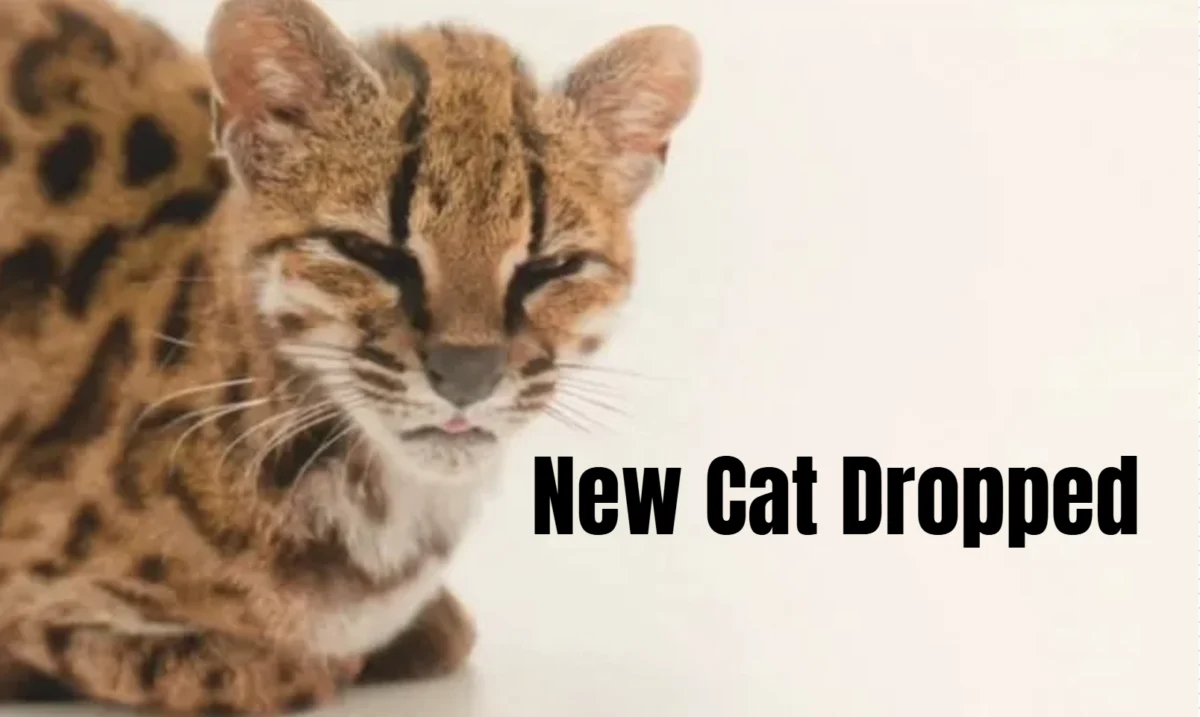
The formal identification and naming of Leopardus tilcayo, a small wildcat native to the Yungas forest of Bolivia, represents a landmark achievement in the field of felid taxonomy. Known colloquially as the tilcayo, this species is the first living feline to be formally described and named in more than 100 years, a discovery that has captivated both the global scientific community and the general public. The identification of Leopardus tilcayo emerged from a comprehensive genetic study of South American tiger cats, a group that researchers previously categorized as a single, broad species. By utilizing modern genomic analysis, scientists have effectively redrawn the feline family tree, highlighting the hidden biodiversity within South America’s high-altitude cloud forests.
Scientific Background and Taxonomic Reclassification
The discovery of the tilcayo was the result of a multi-year international research effort focused on the genus Leopardus, which includes small spotted cats such as the ocelot, margay, and oncilla. For decades, the "tiger cat" complex was thought to consist of only one or two species with significant regional variations. However, as genomic sequencing technology has become more accessible and precise, researchers have been able to look past morphological similarities—such as fur patterns and size—to examine the underlying genetic blueprints of these animals.
The research team analyzed DNA samples from 38 individual cats across several South American nations. Crucially, the study included eight museum specimens, some of which had been collected decades ago but had never undergone genetic testing. The results were definitive: the tiger cat complex is not a single entity but is comprised of five genetically distinct species. Among these, Leopardus tilcayo stood out as a unique evolutionary lineage, isolated by the specific geography of the Bolivian Yungas.
The scientific name, Leopardus tilcayo, was chosen to honor the nomenclature used by local Indigenous communities who have long been aware of the animal’s presence. While the cat was known to locals, its formal recognition by the international scientific community required the rigorous peer-reviewed evidence provided by this genetic study. This process underscores a growing trend in conservation biology where traditional ecological knowledge is validated and amplified by modern molecular science.
Physical Characteristics and Habitat of the Tilcayo
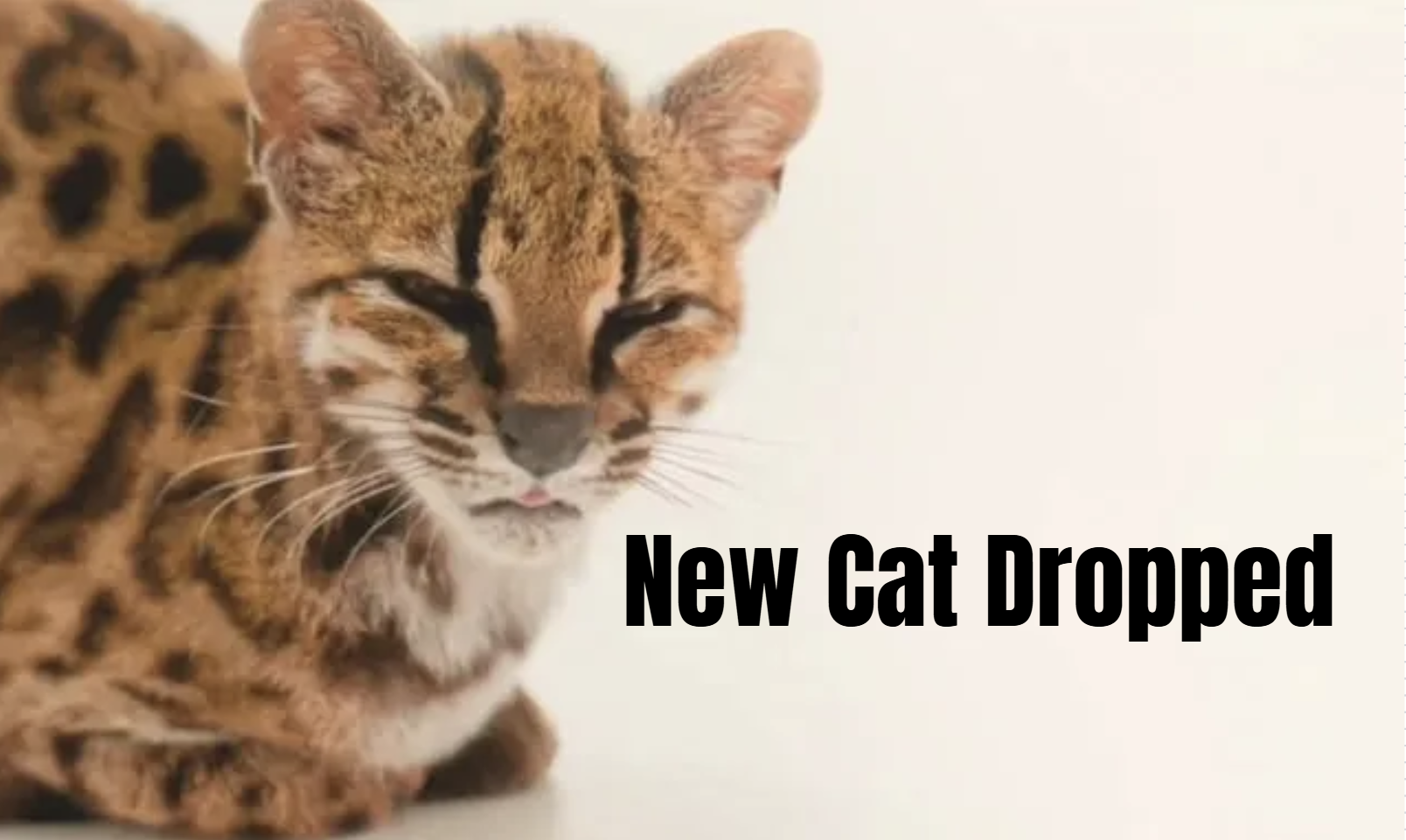
Leopardus tilcayo is remarkably small, even by the standards of the Leopardus genus. Measuring approximately 18 inches (46 cm) in length and weighing roughly 3 pounds (1.4 kg), the tilcayo is significantly smaller than the average domestic housecat. Its coat is characterized by dense, leopard-like spots and rosettes, providing essential camouflage within the dappled light of the cloud forest canopy.
The species is endemic to the Yungas forest ecoregion, a rugged and mountainous transition zone where the eastern slopes of the Andes Mountains meet the Amazon basin. This region is characterized by high humidity, frequent cloud cover, and steep terrain. The Yungas act as a "biological island," where high altitudes and deep valleys create isolated pockets of habitat that encourage the evolution of unique species.
Because the tilcayo inhabits such dense and inaccessible terrain, very little is known about its daily behaviors, diet, or reproductive cycles. Initial observations suggest it is likely nocturnal or crepuscular, preying on small rodents, birds, and lizards. The difficulty of observing the tilcayo in its natural habitat explains why it remained "hidden" from formal science for over a century, despite being a distinct evolutionary branch of the cat family.
Chronology of the Public Announcement and Viral Reception
The public introduction of Leopardus tilcayo occurred on September 17, 2026, when National Geographic officially announced the discovery via its social media channels. The announcement sparked an immediate and massive reaction, reflecting the rare nature of such a find in the 21st century.
September 17, 2026: The Initial Wave
At approximately mid-day, the National Geographic X (formerly Twitter) account posted a "New cat alert," describing the tilcayo as a "feline surprise" found following a call from a wildlife sanctuary regarding a "weird cat." This post served as the primary catalyst for the news, amassing 71.9 million views and 378,000 likes within the first four days. Simultaneously, National Geographic’s TikTok account shared a video highlighting the cat’s small size and spotted appearance, which garnered 1.7 million views.
Major news outlets, including ABC News, followed shortly after. Their reporting emphasized the historical weight of the discovery, noting that it had been over a century since a new living feline species was added to the scientific record. The ABC News TikTok coverage reached nearly 2 million viewers, further cementing the tilcayo’s status as a viral sensation.
September 18, 2026: Cultural Integration and Memetic Spread
By the following day, the news had transitioned from a scientific report to a cultural phenomenon. Social media users began employing the catchphrase "new cat dropped" to celebrate the discovery. This phrasing, borrowed from the vernacular of music and fashion "drops," signaled a high level of enthusiasm among younger demographics.
X user @heavyfortress quote-posted the announcement with the caption, "NEW CAT DROPPED I REPEAT NEW CAT DROPPED THIS IS NOT A DRILL ITS IN FACT A CAT," a post that received 7.7 million views. Other users, such as @pastapilled, used the discovery to highlight a sense of global wonder, posting, "Never kill yourself they might discover new kitty," which resonated with over 3 million viewers.
The digital celebration extended to creative communities. By the evening of September 18, original fan art and digital illustrations of the tilcayo began appearing on platforms like X and TikTok. Users like @SWAGVO1D and @kasefx shared artistic tributes and moodboard-style edits, further domesticating the image of the wildcat in the public consciousness as "the cutest little guy."
Broader Scientific Implications and Taxonomy Trends
The identification of Leopardus tilcayo is indicative of a broader shift in how biologists define and discover species. In the 19th and early 20th centuries, species were largely defined by "type specimens"—physical bodies kept in museums that were compared based on bone structure and fur color. In the 21st century, the "cryptic species" revolution is taking place.
Cryptic species are animals that look nearly identical to the naked eye but are genetically distinct enough to be unable to interbreed or to have been separated by millions of years of evolution. The tiger cat study proves that many species currently listed as "least concern" or "vulnerable" may actually be several different species, each with much smaller populations than previously estimated.
Experts believe that the methods used to identify Leopardus tilcayo—combining field observations with museum DNA and modern samples—will lead to the discovery of more feline species in the coming decade. There are already indications that other wildcat populations in the dense forests of Southeast Asia and Central Africa may be due for a similar taxonomic split.
Conservation Challenges and the Future of the Yungas
While the discovery of the tilcayo is a cause for celebration, it also brings an urgent focus to the conservation of the Bolivian Yungas. The fact that a medium-to-large mammal could remain undiscovered for so long highlights how much of the region remains unexplored and unprotected.
The Yungas forest is currently facing significant threats from:
- Agricultural Expansion: The clearing of land for coca and coffee cultivation.
- Climate Change: Rising temperatures are pushing cloud forests to higher altitudes, potentially shrinking the available habitat for specialized species like the tilcayo.
- Habitat Fragmentation: Infrastructure projects that cut through the forest can isolate small populations of cats, leading to genetic bottlenecks.
Conservationists argue that Leopardus tilcayo should serve as a "flagship species" for the region. By using the public’s immense interest in the "new cat," environmental organizations hope to secure more funding for protected areas in Bolivia. The formal naming of the species is the first step toward getting the tilcayo listed on the IUCN Red List of Threatened Species, which would provide it with international legal protections.
Conclusion
The emergence of Leopardus tilcayo from the mists of the Bolivian cloud forest is a powerful reminder that the age of discovery is not over. In an era often defined by the loss of biodiversity, the addition of a new branch to the feline family tree provides a rare moment of optimism. The tilcayo represents a bridge between the historical traditions of local communities and the cutting-edge capabilities of modern genetics. As researchers continue to study this elusive predator, the global focus remains on ensuring that this newly "dropped" species is protected long enough for its secrets to be fully understood. The viral success of the tilcayo underscores a fundamental human truth: the discovery of a "new kitty" remains one of the few events capable of capturing the collective imagination of the world.

